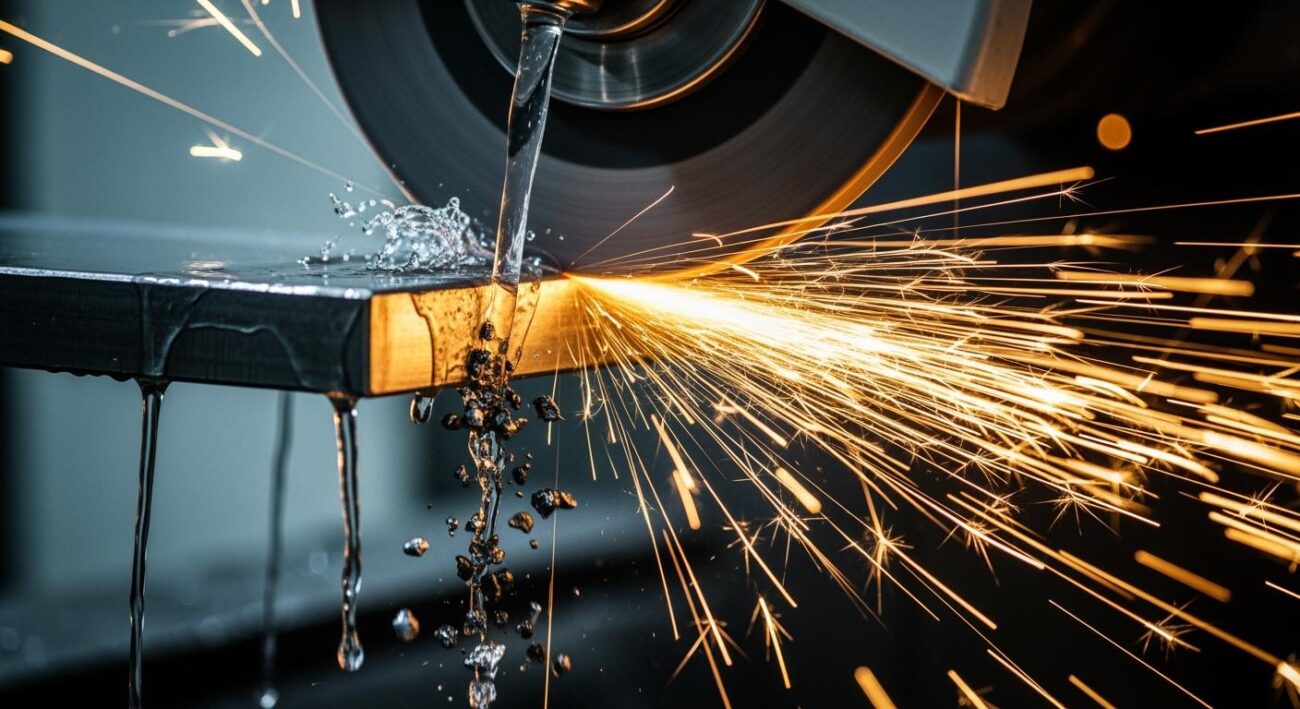
Proper cutting fluid selection is a critical decision in manufacturing. It directly impacts operational costs, tool life, and final part quality. The choice often centers on oil-based cutting fluids for superior lubrication versus water-soluble cutting fluids for excellent cooling. While a water-miscible coolant is common for most grinding and cutting applications, an oil-based coolant can improve performance in demanding machining processes. The right grinding fluid optimizes cutting performance for specific materials. This decision is vital for all machining, from general cutting to high-tolerance precision grinding, as it balances cooling and lubrication needs for various applications.
Key Takeaways
- Water-based fluids cool parts well, stopping them from getting too hot during fast cutting.
- Oil-based fluids lubricate parts better, which helps when grinding hard materials and making smooth surfaces.
- The best fluid depends on the job; match the fluid to the material and the type of grinding you are doing.
- Special tools like CBN wheels work best with oil-based fluids to last longer and perform better.
- Properly applying and maintaining your grinding fluid helps tools last longer and makes parts better.
Core Differences: Oil vs. Water
Choosing the right grinding fluid starts with understanding the fundamental differences between the two main categories. Water-soluble cutting fluids are mixtures of oil and water, diluted to form an emulsion before use. In contrast, oil-based cutting fluids consist of mineral or synthetic oils and are used in their pure, undiluted form. This basic compositional difference dictates their performance in various machining applications.
Water-Soluble Cutting Fluids: The Superior Coolant
Water-soluble cutting fluids are the top choice when heat removal is the primary goal. Water’s natural ability to absorb and transfer heat makes this coolant type extremely effective at preventing thermal damage during high-speed cutting and grinding. This superior cooling performance is essential for maintaining dimensional accuracy.
| Feature | Water-Soluble Grinding Fluids | Oil-Based Grinding Fluids |
|---|---|---|
| Cooling Ability | Excellent | Moderate |
| Heat Dissipation | Effective, reduces thermal deformation | Limited compared to water-soluble fluids |
However, a water-miscible coolant requires additives to function properly. Without them, the water would cause rust and allow bacteria to grow. Common additives include:
- Corrosion Inhibitors: Protect the workpiece and machine from rust.
- Biocides: Prevent bacterial and fungal growth to extend the life of the coolant.
- pH Adjusters: Maintain the correct alkaline level for stable performance.
Oil-Based Cutting Fluids: The Lubrication Masters
Oil-based cutting fluids are the masters of lubrication, making them ideal for tough materials and precision grinding. Their higher viscosity creates a strong, protective film between the cutting tool and the workpiece. This film reduces friction and prevents wear, which is critical in heavy-duty cutting and machining.
These coolants contain Extreme Pressure (EP) additives. Under the intense heat and pressure of cutting, these additives react with the metal surface. They form a sacrificial layer that prevents the tool from welding to the part. This action is vital for achieving a superior surface finish and extending tool life. The excellent lubrication of an oil-based coolant makes it the preferred choice for many difficult grinding and cutting operations, ensuring top performance.
Choosing Your Fluid by Application
Selecting the ideal grinding fluid depends entirely on the specific job. The type of grinding operation and the workpiece material are the two most important factors. Different applications demand different balances of cooling and lubrication to achieve optimal results.
Matching Fluid to Grinding Type
The mechanics of the grinding process itself dictate the best fluid choice. Each method of cutting presents unique challenges.
Cylindrical Grinding This process shapes the outside of a cylindrical part. The choice of coolant often depends on the material. A water-miscible coolant can be sufficient for general steel grinding. However, harder materials require a different approach. Oil-based cutting fluids are virtually required for grinding hard metals to provide superior lubricity.
| Material | Recommended Coolant | Rationale |
|---|---|---|
| Steel (General) | Water-Soluble | Provides excellent cooling for high-speed operations. |
| Tungsten Carbide | Oil-Based | Delivers critical lubrication to prevent wheel wear and cobalt leaching. |
| HSS & Hardened Steel | Oil-Based | Offers better performance and reduces friction for a superior finish. |
Surface & Profile Grinding This common grinding method creates flat surfaces or complex profiles. While water-soluble cutting fluids are frequently used for general-purpose work, high-tolerance jobs demand oil-based cutting fluids. The superior lubrication of oil is essential for achieving flawless finishes in precision grinding.
Why Oil Excels in High-Precision Cutting:
- Enhanced Lubrication: Oil creates a strong film that reduces friction, prevents grinding burn, and protects the part.
- Longer Wheel Life: It minimizes wheel loading, leading to fewer dressings and more consistent cutting performance.
- Superior Surface Finish: Oil helps produce a mirror-like finish by preventing material smearing and improving chip removal.
- Better Machining of Hard Materials: It provides the film strength needed for cutting tough alloys like titanium and carbide without damaging the wheel or workpiece.
Tool Grinding This application involves creating or sharpening cutting tools made from materials like high-speed steel (HSS) or carbide. Oil-based cutting fluids are strongly preferred. The high level of lubrication protects the delicate cutting edge, prevents microscopic fractures, and ensures the tool’s final geometry is perfect. Proper fluid use here directly impacts the tool’s future cutting performance.
Matching Fluid to Workpiece Material
The material being ground has its own distinct properties. The right coolant must accommodate these properties to ensure efficient machining and a quality part.
Ferrous Metals (Iron and Steel) For most standard grinding of iron and steel, water-soluble cutting fluids provide enough cooling to prevent thermal damage. These fluids dissipate heat effectively during aggressive cutting operations. This helps maintain the part’s dimensional stability.
Tungsten Carbide This extremely hard and brittle material demands a high-lubricity grinding fluid. Oil is the best choice for any machining involving carbide. The oil’s lubricating film reduces friction at the cutting point, which is critical for preventing chipping and achieving a smooth surface. It also helps prevent the cobalt binder in the carbide from leaching out, which preserves the material’s integrity.
Aluminum Aluminum is a soft, gummy material that requires excellent cooling and chip flushing. A synthetic or semi-synthetic coolant is typical for aluminum grinding and cutting. The high cooling capacity of the coolant prevents the aluminum from sticking to the grinding wheel. Good flow also washes away chips to avoid marring the surface of the workpiece.
Matching Your Grinding Fluid to Advanced Abrasives
High-performance abrasives like diamond and Cubic Boron Nitride (CBN) have unique requirements for grinding fluids. The material properties of these abrasives directly influence the choice of coolant. Selecting the right fluid is essential for successful machining and preventing premature tool failure. Using an inadequate coolant can lead to serious issues, including material discoloration, micro-cracks, and wheel glazing.
Fluid Needs for Diamond and CBN Wheels
CBN wheels perform best with oil-based cutting fluids. High temperatures during grinding can cause CBN crystals to oxidize when exposed to water-soluble cutting fluids, leading to rapid wheel breakdown. Oil provides the necessary lubrication to reduce friction and heat. While diamond abrasives do not have the same critical need for lubricity, the right coolant is still vital. The choice of coolant and its delivery method impact grinding temperature and chip removal, which are critical for all cutting applications. Inadequate coolant flow can cause swarf to build up, leading to poor surface finishes and scratches on the material.
Warning: The Cost of Poor Coolant Choice ⚠️ An insufficient supply of grinding fluid can cause several problems that damage both the wheel and the workpiece:
- Grinding Burn: A clear sign of excessive heat.
- Wheel Loading: Material sticks to the wheel, reducing cutting efficiency.
- Uneven Wear: Coolant fails to reach the entire cutting zone.
Optimizing Aimgrind Super Hard Abrasives
To unlock the full potential of advanced tools, you must pair them with the correct fluid. Aimgrind‘s super hard abrasives deliver their peak performance when used with an optimized coolant. For many precision grinding tasks involving these advanced tools, oil-based cutting fluids are highly recommended.
Research confirms that oil-based cutting fluids often outperform other options in demanding machining with CBN wheels. The superior lubricity of oil protects the abrasive grains, extends the wheel’s cutting life, and helps achieve the flawless surface finishes that Aimgrind tools are known for. This synergy between the tool and the fluid ensures maximum performance and efficiency in your grinding operations. Proper fluid selection turns a good cutting process into a great one.
Application and Maintenance Best Practices

Selecting the right fluid is only half the battle. Proper application and diligent maintenance are essential for unlocking peak performance in any grinding operation. Effective cutting fluid management extends tool life, improves part quality, and reduces operational costs.
Effective Fluid Application Methods
The method of delivering fluid to the cutting zone directly impacts its effectiveness. A high-speed grinding wheel creates an air barrier that can deflect coolant. To overcome this, the delivery system must be optimized.
Pro Tip: Nozzle Optimization
For precision grinding, solid steel or 3D-printed nozzles provide a consistent, coherent jet. The nozzle should be aimed to strike the wheel tangentially, with the coolant jet speed synchronized to the wheel’s peripheral speed. This ensures the fluid adheres to the wheel and reaches the critical cutting interface.
Different machining processes have unique needs. While some cutting applications benefit from high-pressure systems to evacuate chips, grinding typically requires high flow rates to manage the intense heat generated. The goal is to flood the cutting zone, ensuring constant cooling and lubrication.
Essential Fluid Maintenance
Regular maintenance preserves the integrity of both water-soluble cutting fluids and oil-based cutting fluids. It prevents bacterial growth, corrosion, and poor performance. Key maintenance tasks include:
- Concentration and pH Monitoring: The fluid’s pH level should be checked daily. An ideal range is typically 9.0–9.5 to prevent corrosion and inhibit bacterial growth. A drop below 8.5 can lead to significant issues.
- Swarf Filtration: Metal fines and abrasive particles (swarf) must be continuously removed. Modern centrifugal filtration systems are highly effective, extending fluid life and improving surface finishes compared to older, less efficient methods.
- Fluid Disposal: All cutting fluids eventually require replacement. Disposal is governed by strict regulations to minimize environmental impact. Proper cutting fluid management, including exploring eco-friendly options, is a cornerstone of modern sustainability practices. This reduces waste and lowers the overall environmental impact of machining.
Choosing the right grinding fluid involves a key decision. Water-soluble cutting fluids offer superior cooling for high-speed cutting. Oil-based cutting fluids provide the lubrication needed for difficult grinding and cutting. However, selecting the coolant is only the first step. Proper application and maintenance are equally vital for optimal machining performance. Diligent coolant care during grinding and cutting operations ensures consistent results. This approach improves cutting performance and reduces the overall environmental impact of machining, turning a consumable into a critical component for profitability.
FAQ
Which is better: oil or water-based fluid?
The best fluid depends on the application. Water-based fluids offer superior cooling for high-speed operations. Oil-based fluids provide excellent lubrication, which is critical for difficult materials and achieving a superior surface finish. The choice balances cooling needs against lubrication requirements.
Why is oil essential for grinding tungsten carbide?
Tungsten carbide is extremely hard and brittle. Oil provides a strong lubricating film that reduces friction and prevents chipping. It also stops the cobalt binder from leaching out of the material, preserving the workpiece’s structural integrity and ensuring a high-quality finish.
Do super hard abrasives like CBN need a special fluid?
Yes, advanced abrasives perform best with the correct fluid. CBN wheels, for example, require oil-based fluids. Oil prevents the CBN crystals from oxidizing at high temperatures. This protection extends wheel life and maximizes the performance of tools like Aimgrind’s super hard abrasives.
How often should fluid concentration be checked?
Operators should monitor water-soluble fluid concentration and pH levels daily. Consistent checks ensure the fluid provides proper corrosion protection and inhibits bacterial growth. Regular maintenance is key to maintaining optimal grinding performance and extending the fluid’s life.