
The Differences Between Ultra-Precision Grinding,Lapping and Polishing

Ultra-precision grinding shapes a part, lapping creates an extremely flat surface, and polishing achieves a final mirror-like shine. Each process uses different abrasives.
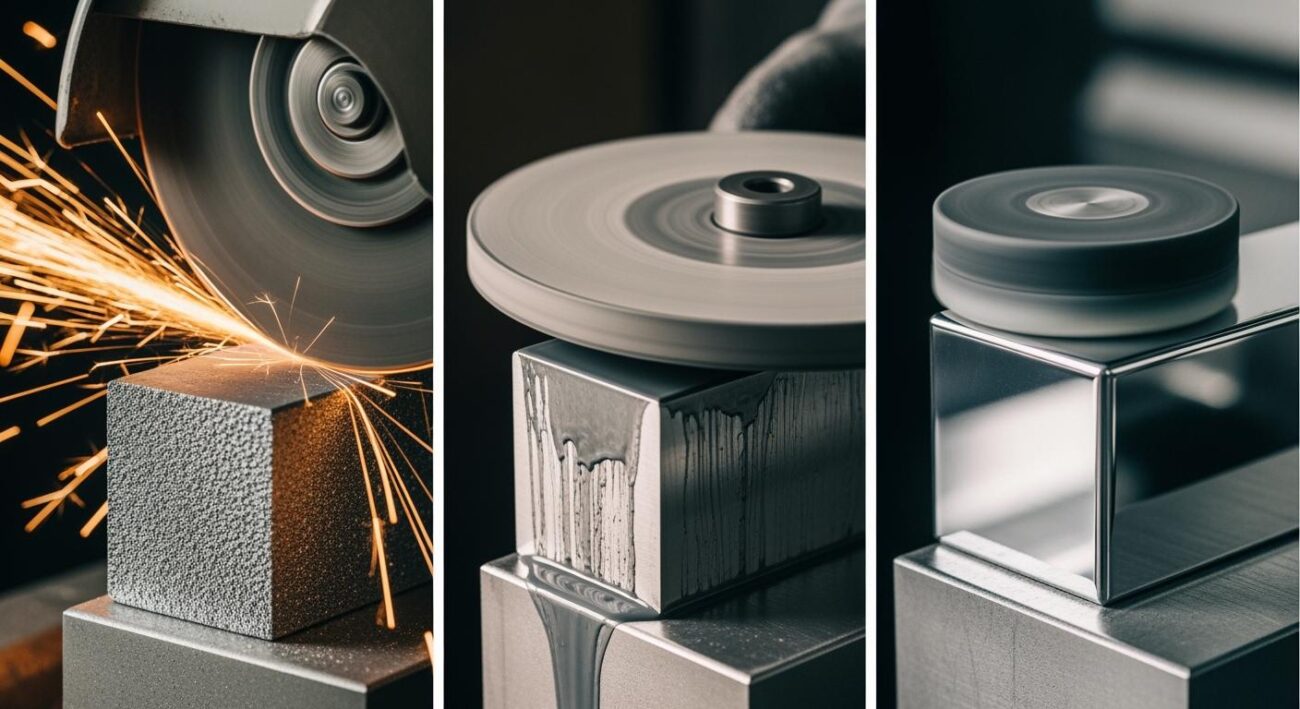
Ultra-precision grinding shapes a part, lapping creates an extremely flat surface, and polishing achieves a final mirror-like shine. Each process uses different abrasives.
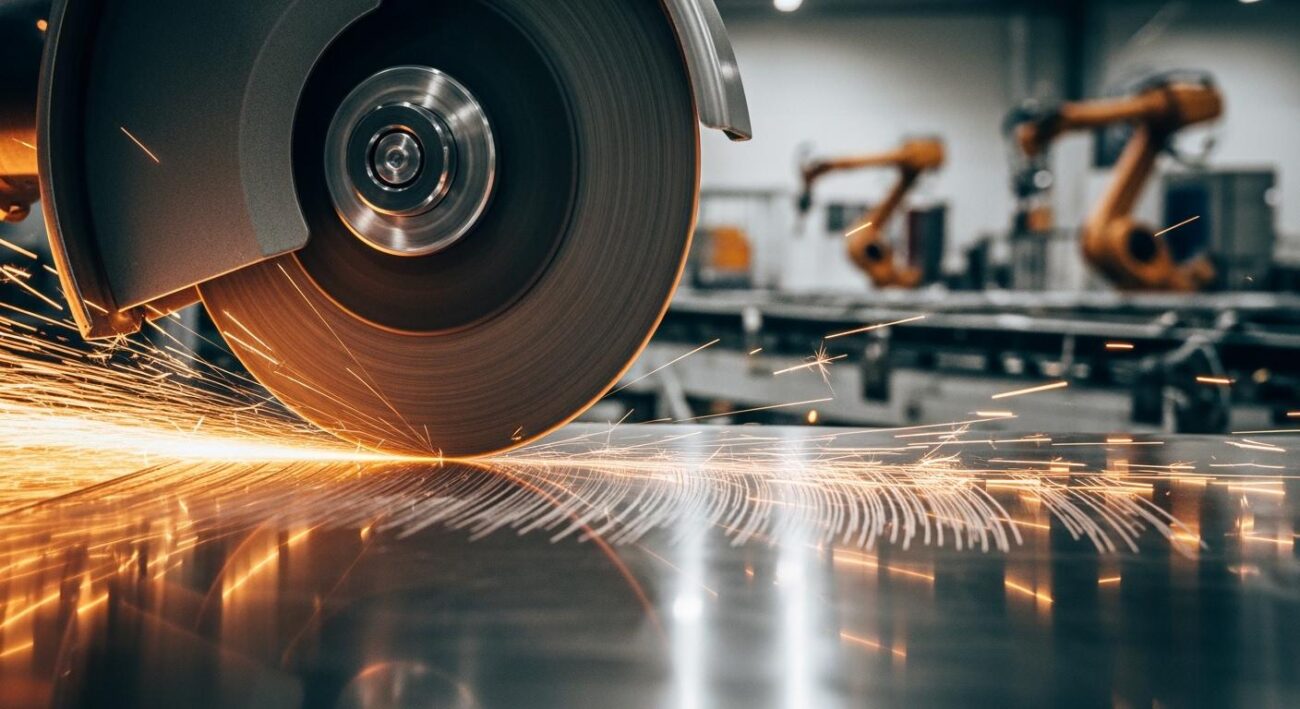
The key challenges in ultra-precision grinding are managing thermal instability, eliminating machine vibration, and processing difficult-to-machine materials.
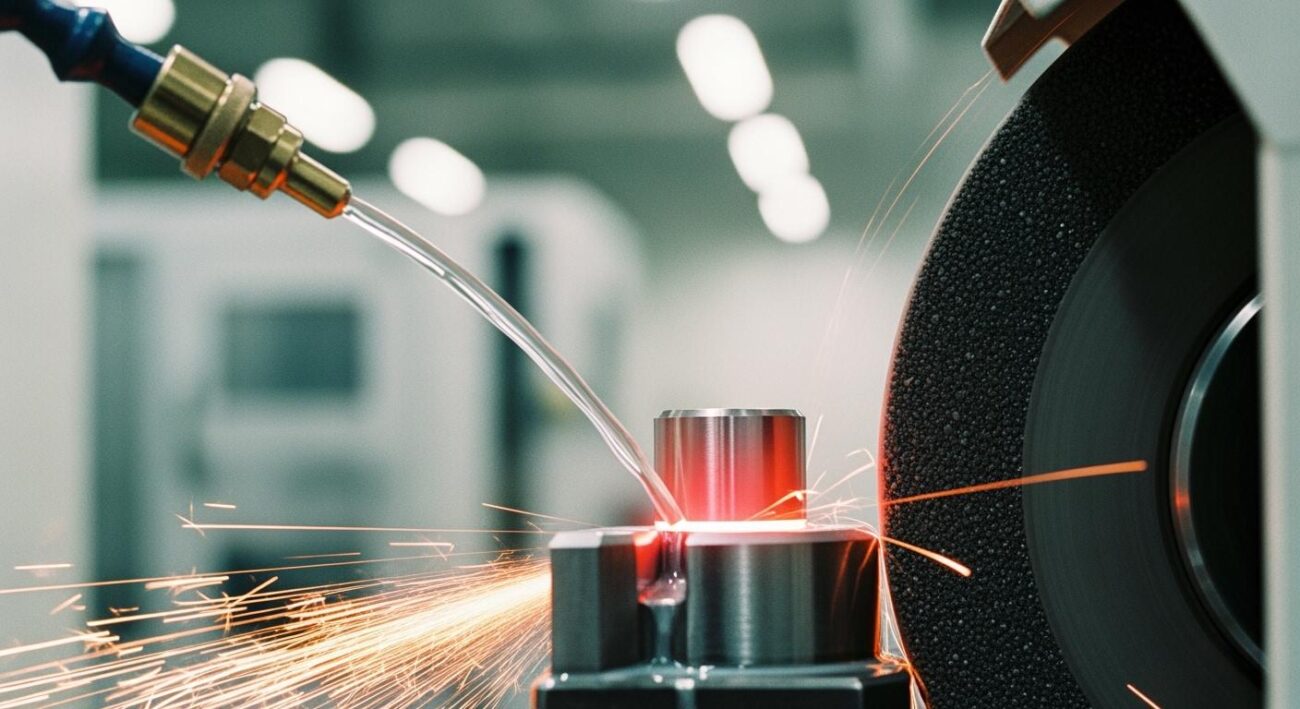
Overcome thermal distortion in form grinding by optimizing machine parameters, using high-pressure cooling, and selecting the right wheel to manage heat and prevent warping.
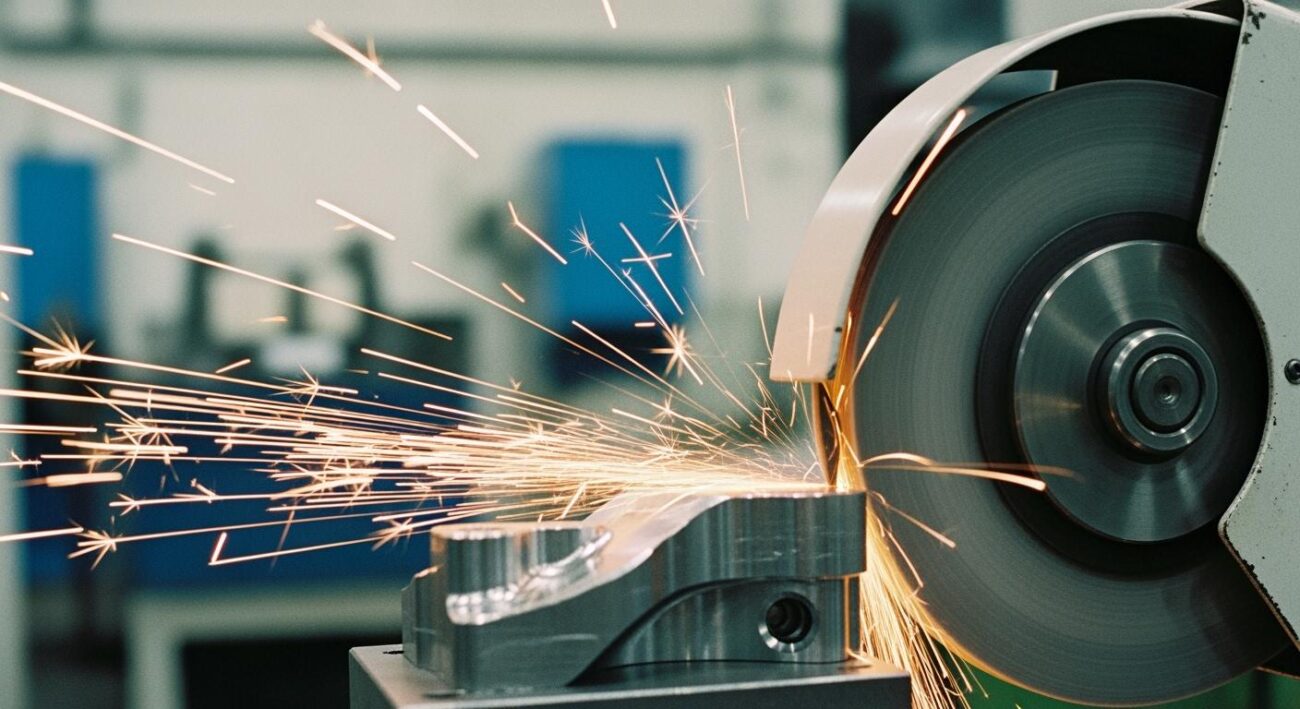
Achieve optimal form grinding wheel selection by matching the abrasive, grain, grade, and bond to your material. This ensures a balance of wear resistance and profile integrity.
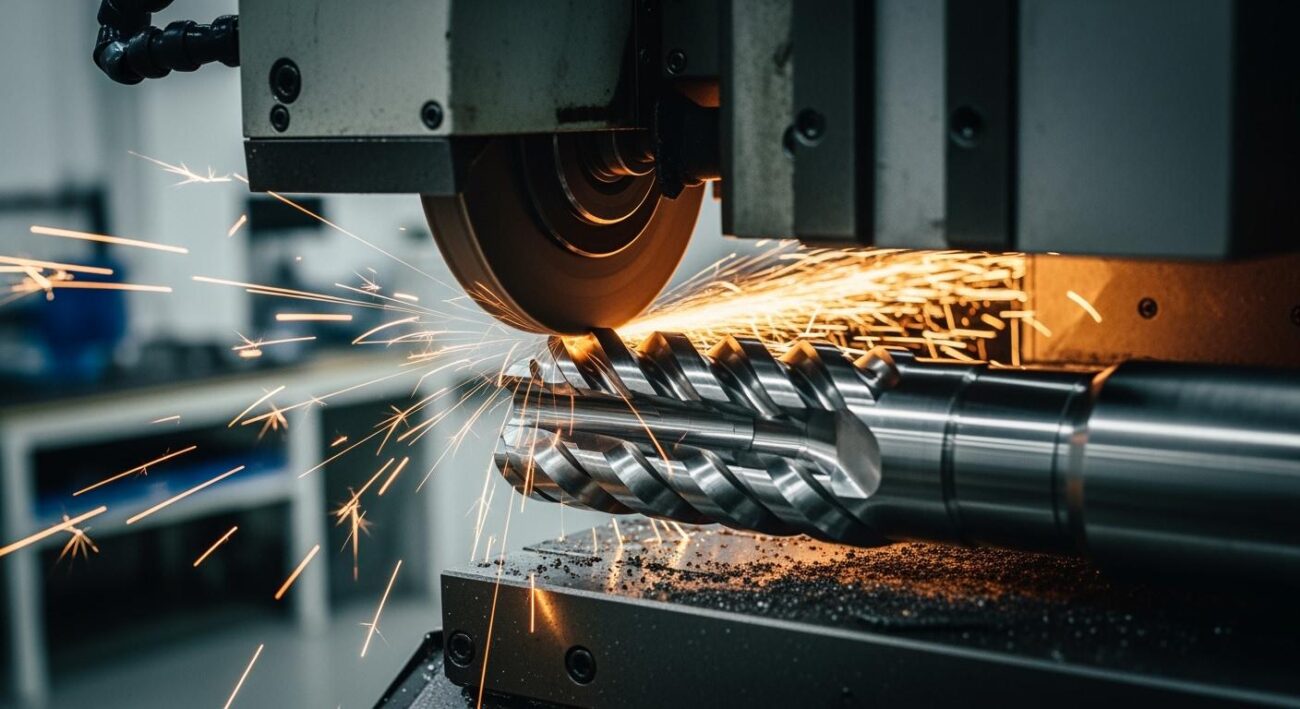
Form grinding solutions use CNC machines, super hard abrasives, and automation to produce high-precision cutting tools with superior finishes and complex shapes.
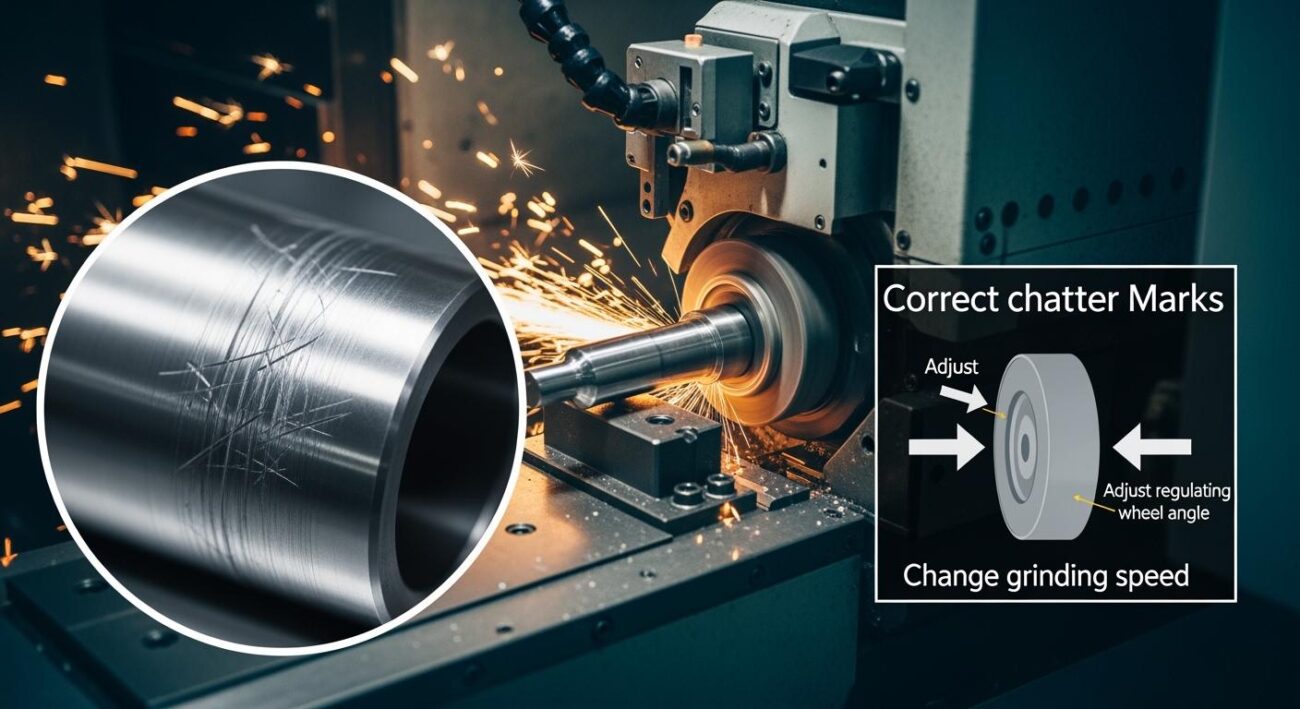
Identify common defects in centerless grinding like out-of-roundness, taper, and chatter. This guide provides clear corrections for these grinding problems.
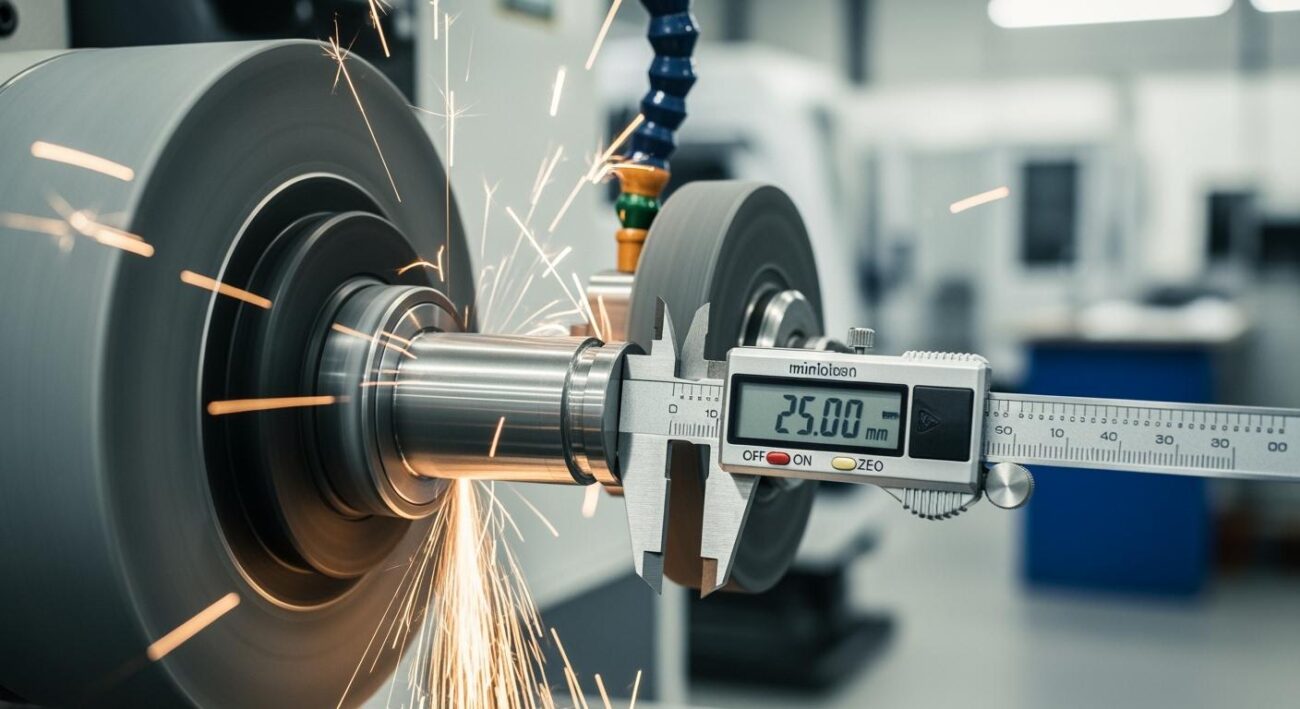
Achieve precise size and a superior finish in centerless grinding by mastering machine setup, optimizing wheel speeds, and maintaining components to prevent common errors.
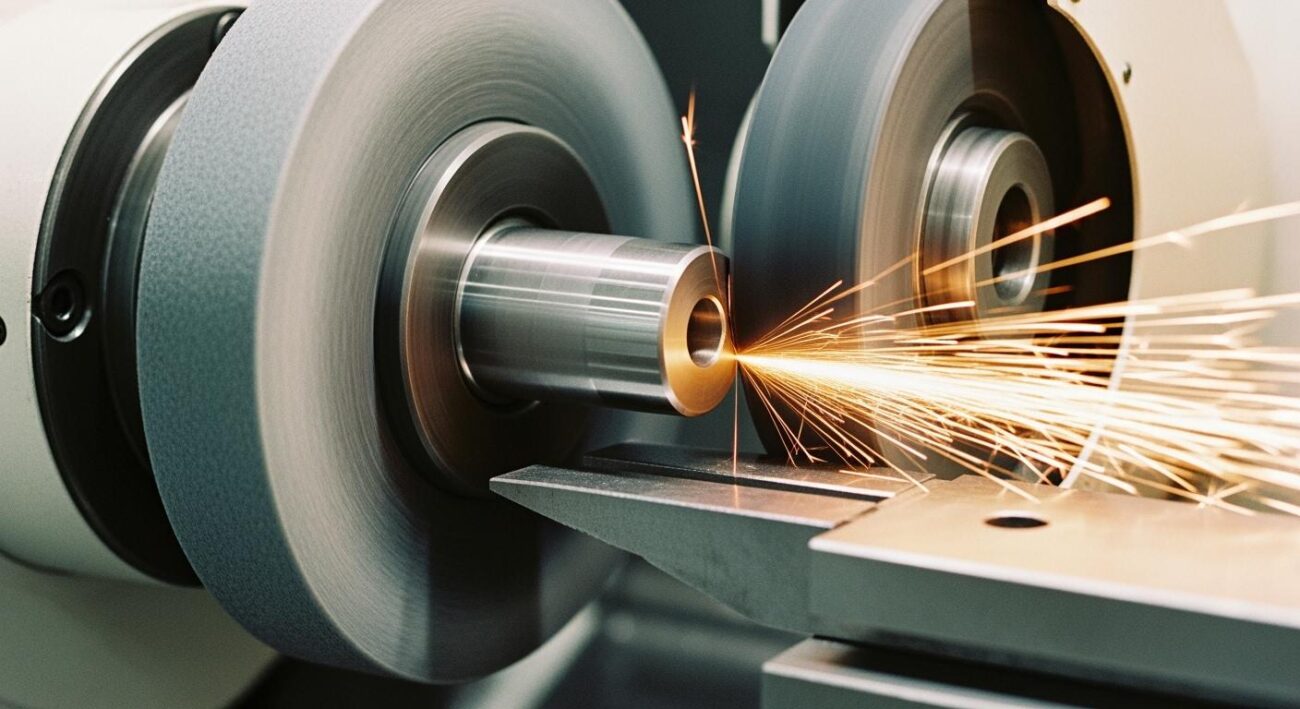
Centerless grinding uses a grinding wheel, regulating wheel, and work-rest blade to precisely shape parts. This method offers high throughput and excellent roundness.
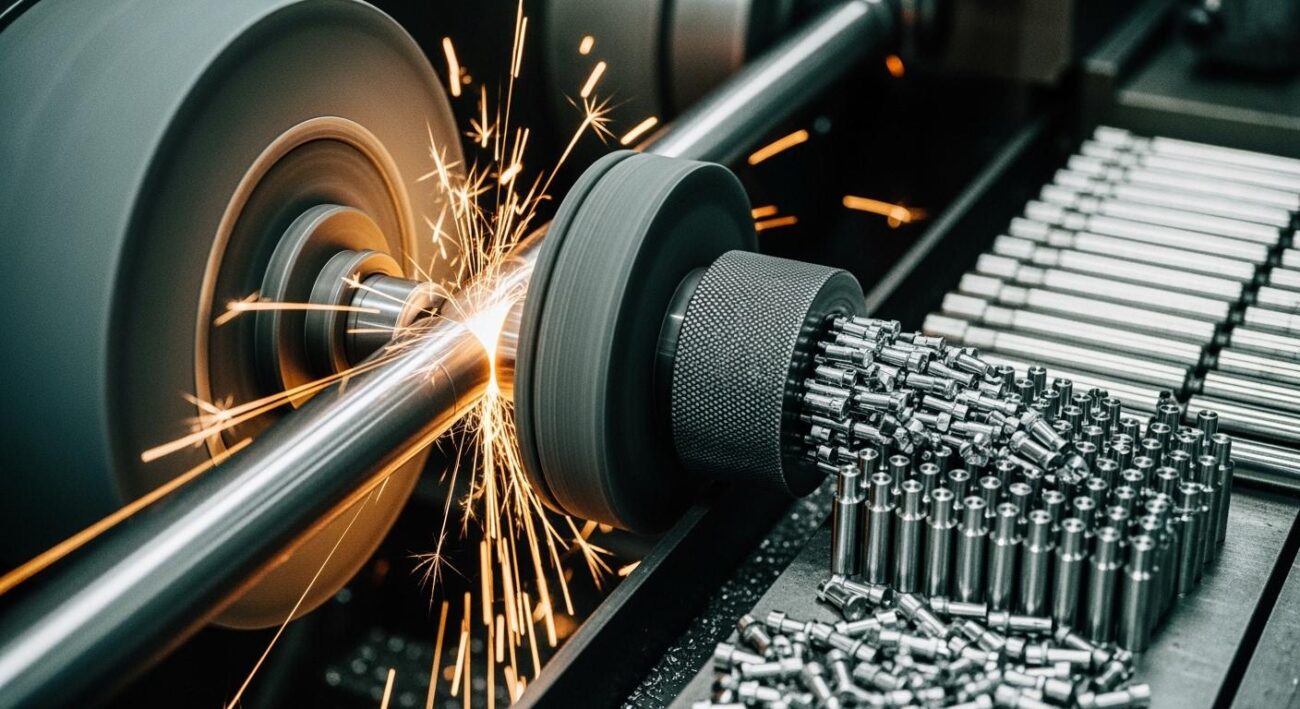
Centerless grinding delivers high-volume production of shafts and pins by eliminating part centering, enabling continuous through-feed and in-feed methods.
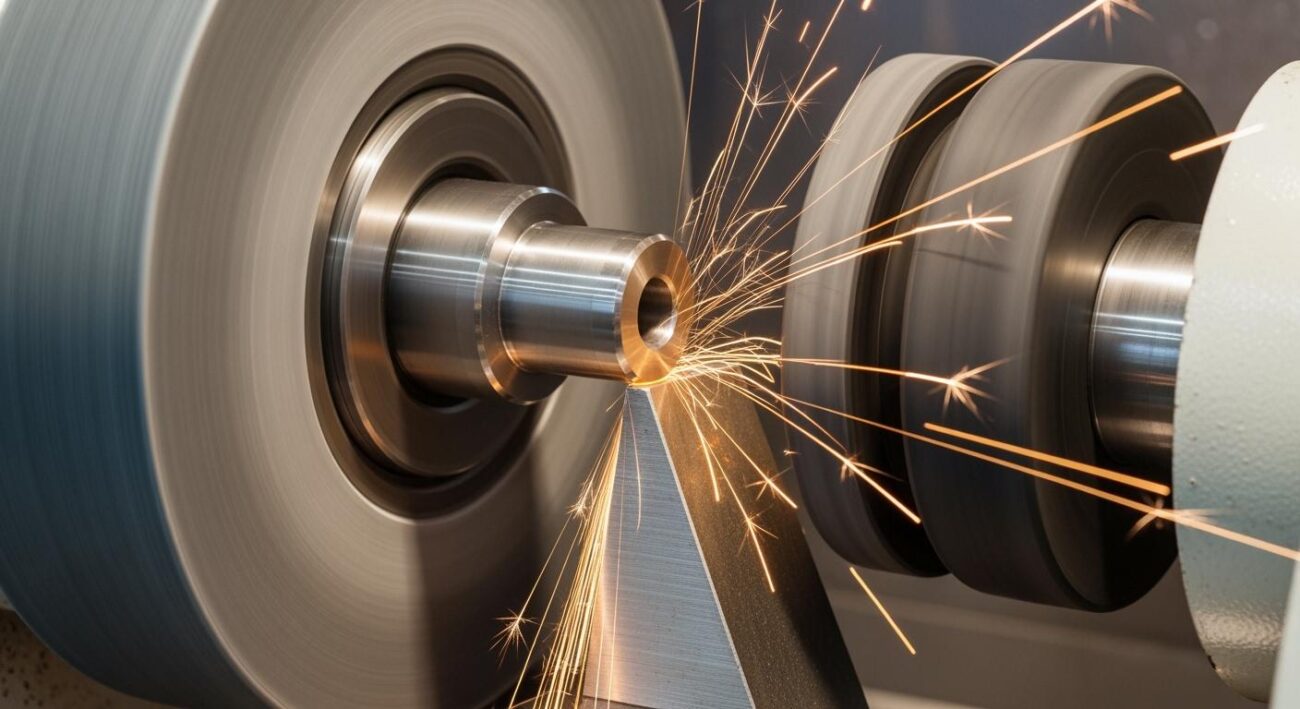
In centerless grinding, the work rest blade provides stable support while the regulating wheel controls the workpiece’s rotation, feed rate, and grinding pressure.
No account yet?
Create an Account