
The Advantages and Limitations of Creep-Feed Grinding for Difficult Materials

Creep-feed grinding offers high material removal and a superior finish for difficult materials but requires costly machinery and advanced cooling to prevent burn.
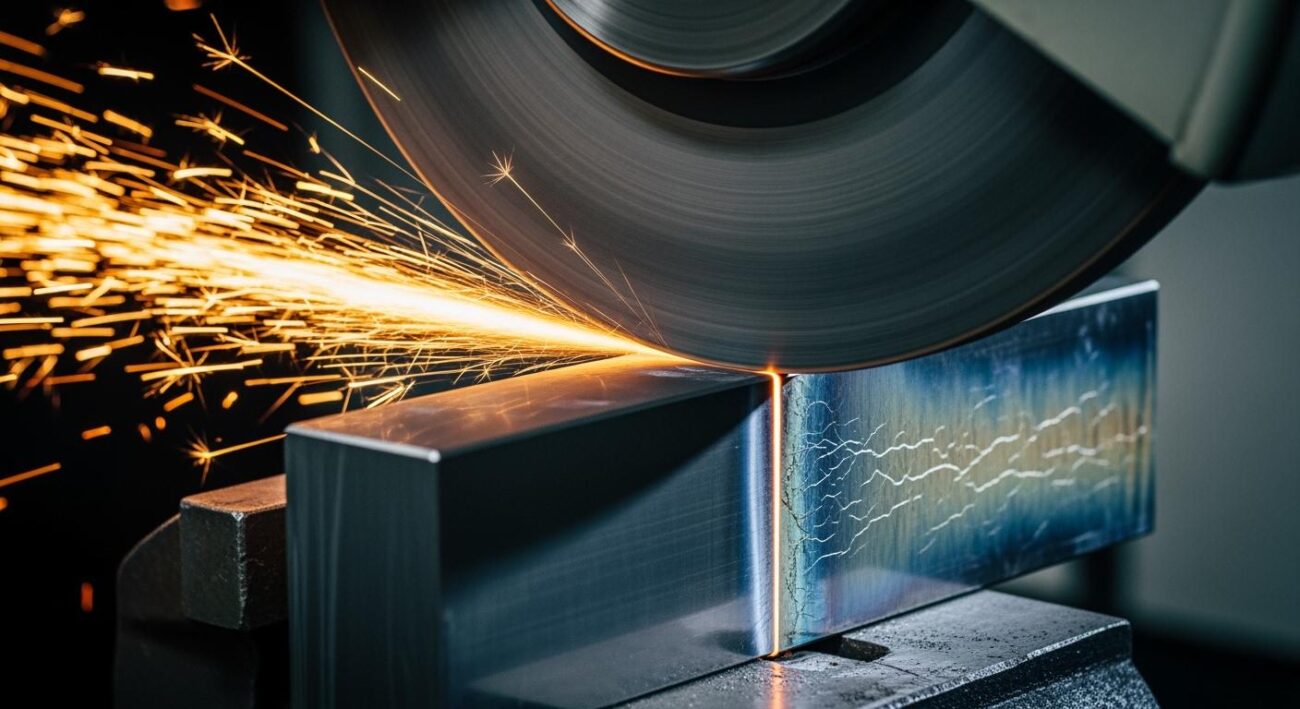
Creep-feed grinding offers high material removal and a superior finish for difficult materials but requires costly machinery and advanced cooling to prevent burn.
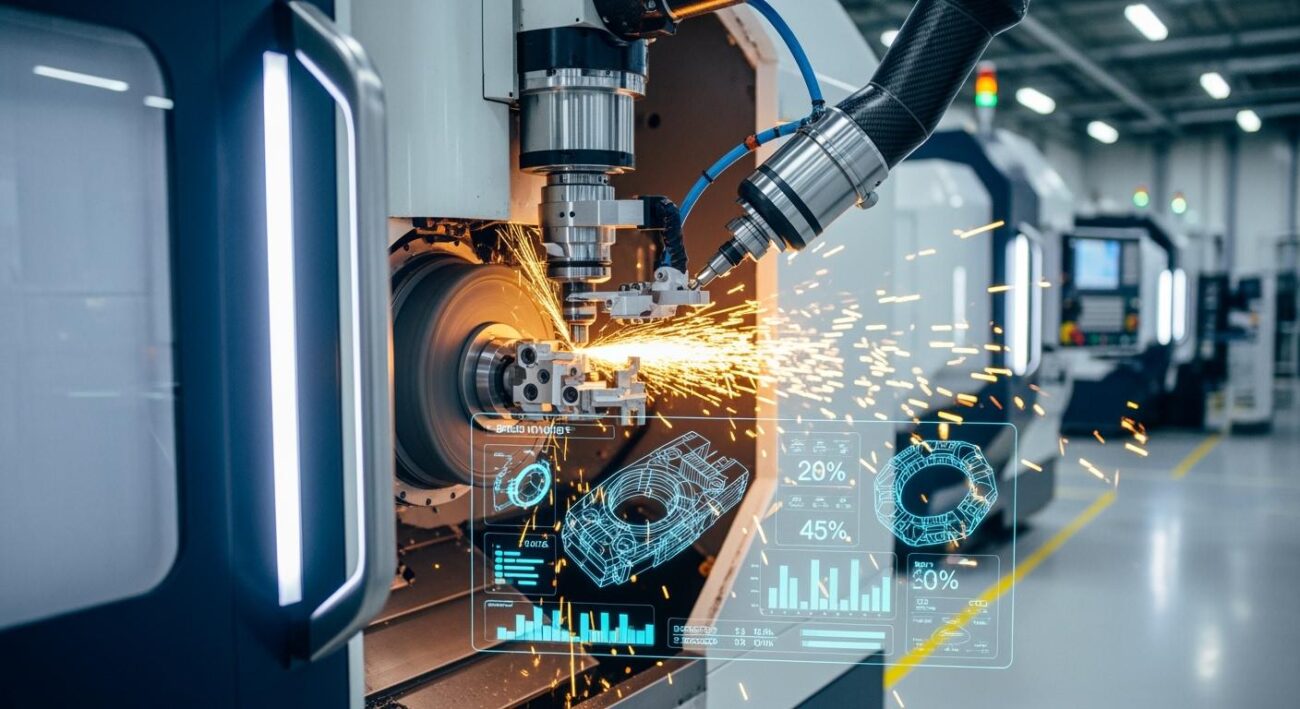
Selecting new CNC grinding machines requires evaluating core features like accuracy, spindle power, machine rigidity, and control system usability to ensure optimal performance.
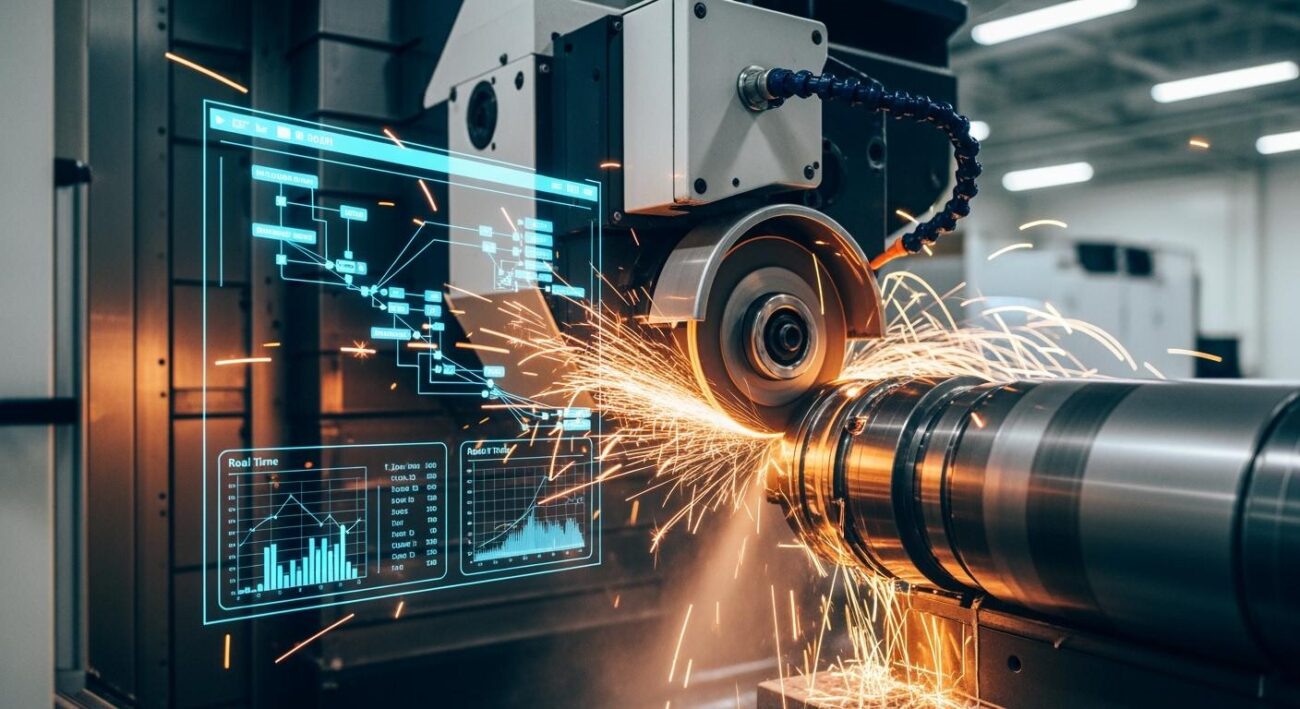
Master the 5-phase CNC grinding workflow for ultimate precision. This guide details the process from CAD/CAM planning and machine setup to final inspection.
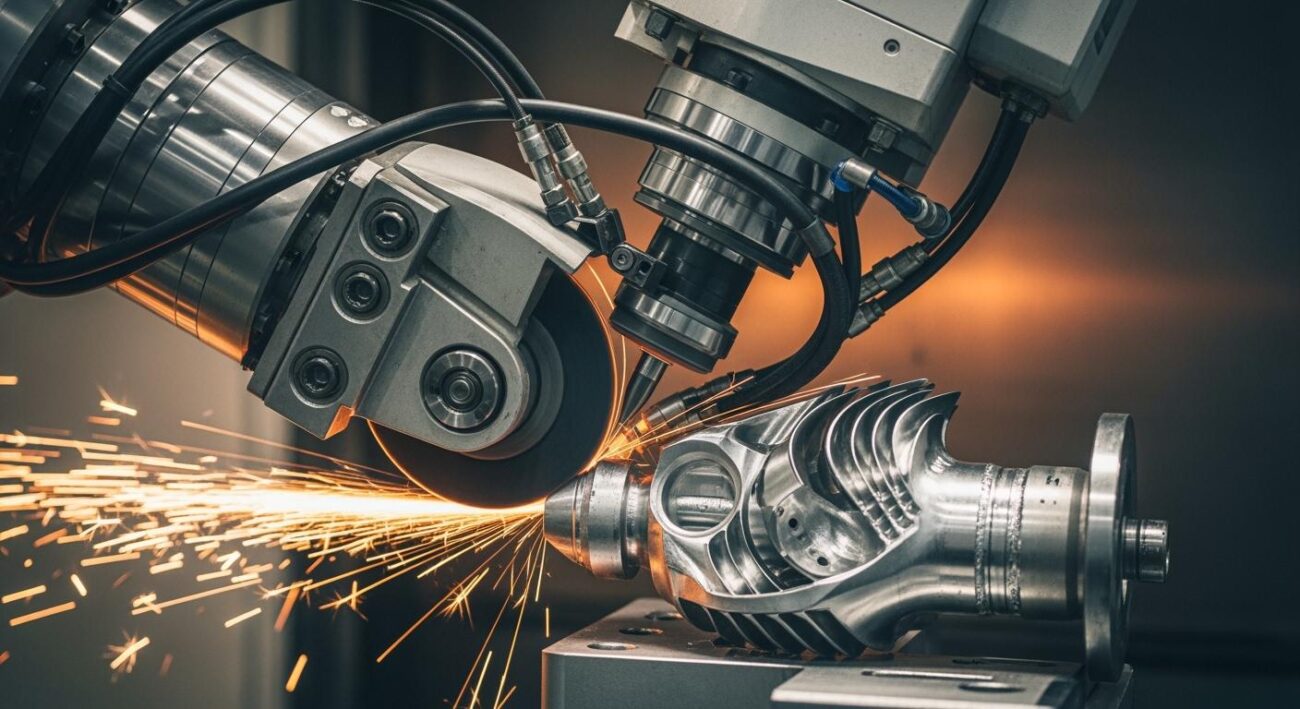
5-axis CNC grinding offers superior precision and efficiency for complex parts. It machines intricate geometries in a single setup, improving accuracy and surface finish.
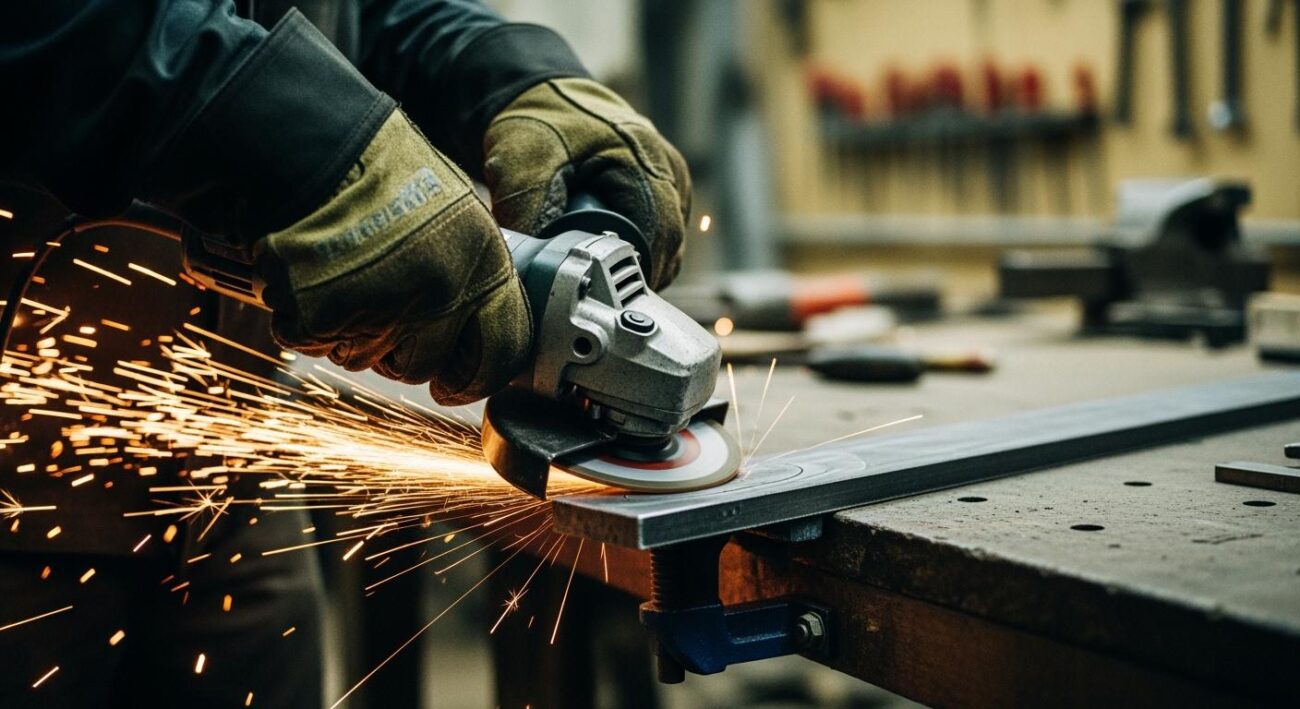
Improve your hand grinding by developing skill in three key areas. Master proper equipment setup, stable body mechanics, and deliberate removal techniques for control.
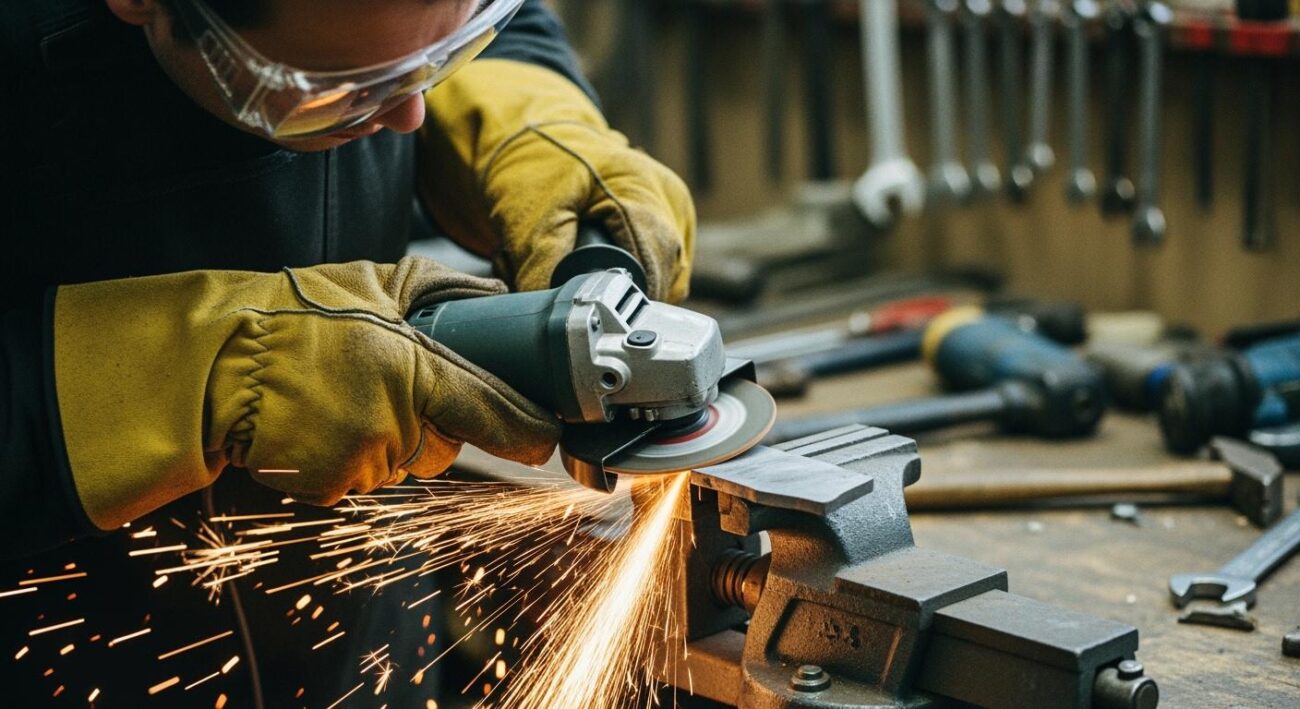
Master safe hand grinding practices with our guide. Learn to prepare your workspace, inspect tools, use correct techniques, and manage post-work cleanup to prevent injury.
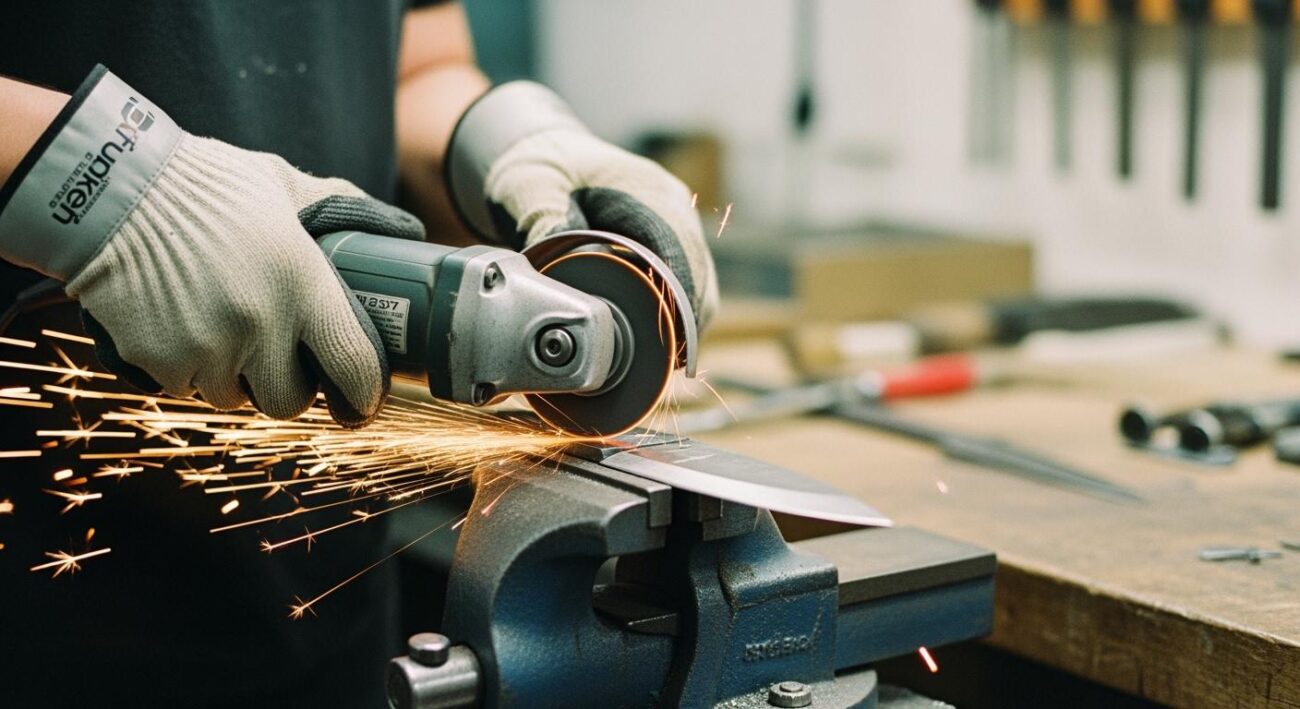
Achieve a perfect finish with effective hand grinding methods for deburring and sharpening. This guide details the tools and techniques for a clean, sharp edge.
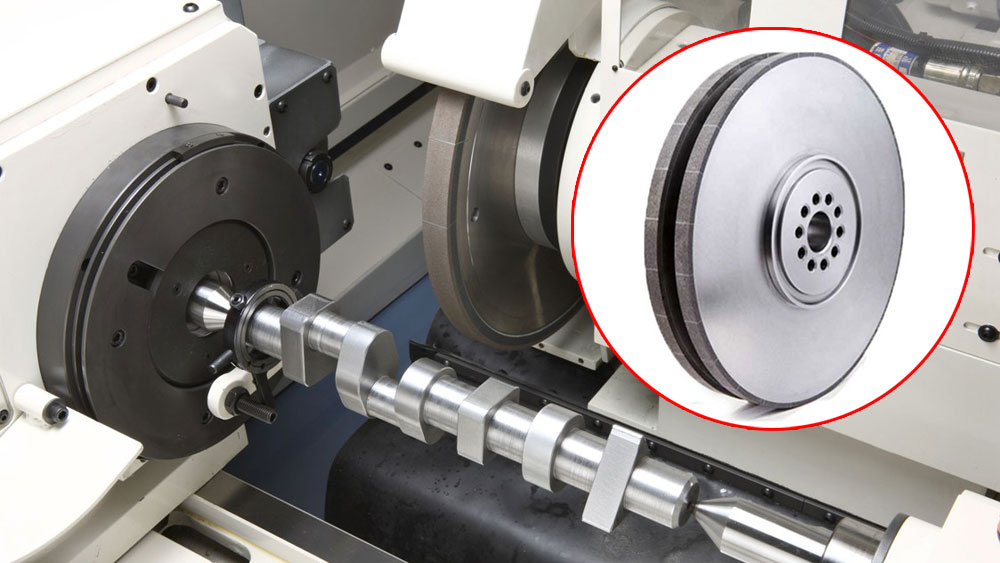
Select the right grinding method by matching it to your part’s shape and material. Use surface grinding for flat parts and cylindrical grinding for round ones.
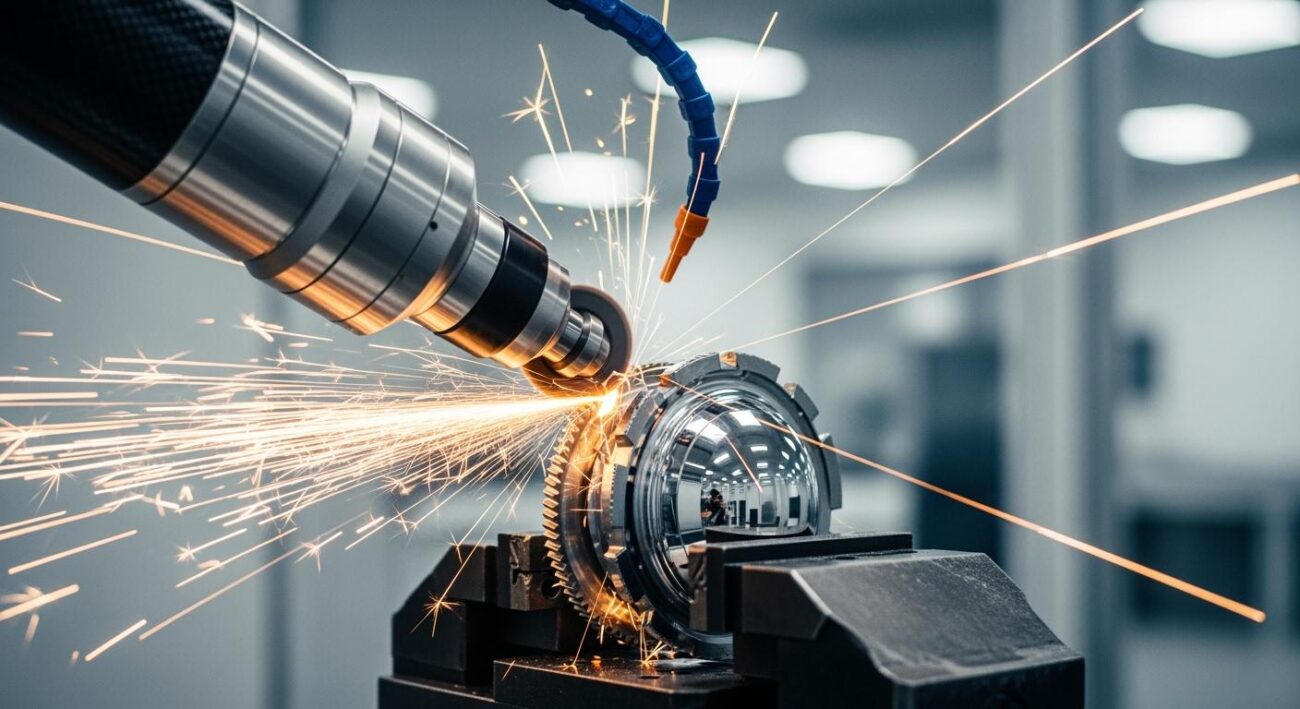
Ultra-precision grinding technology is vital for industries requiring extreme accuracy, including aerospace (turbine blades), medical (implants), and automotive (injectors).
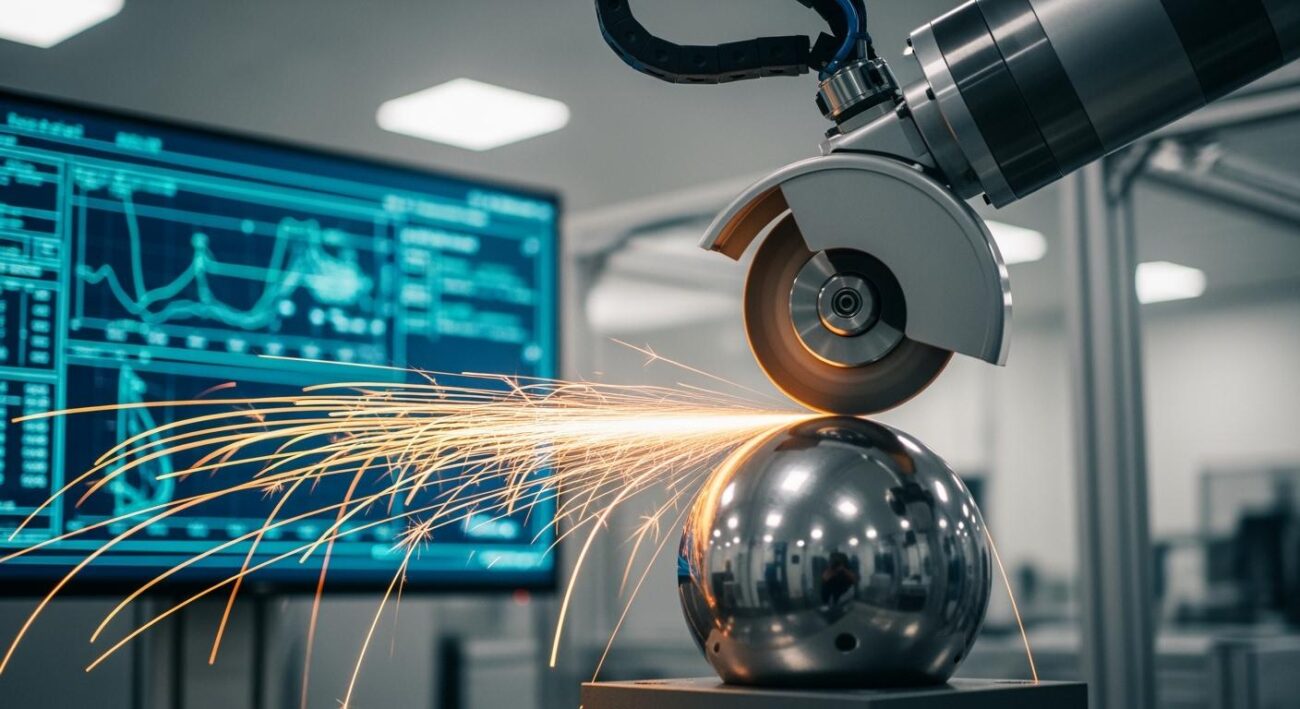
Successful ultra-precision grinding hinges on controlling key factors: machine stability, advanced abrasives, process optimization, and strict environmental control.
No account yet?
Create an Account