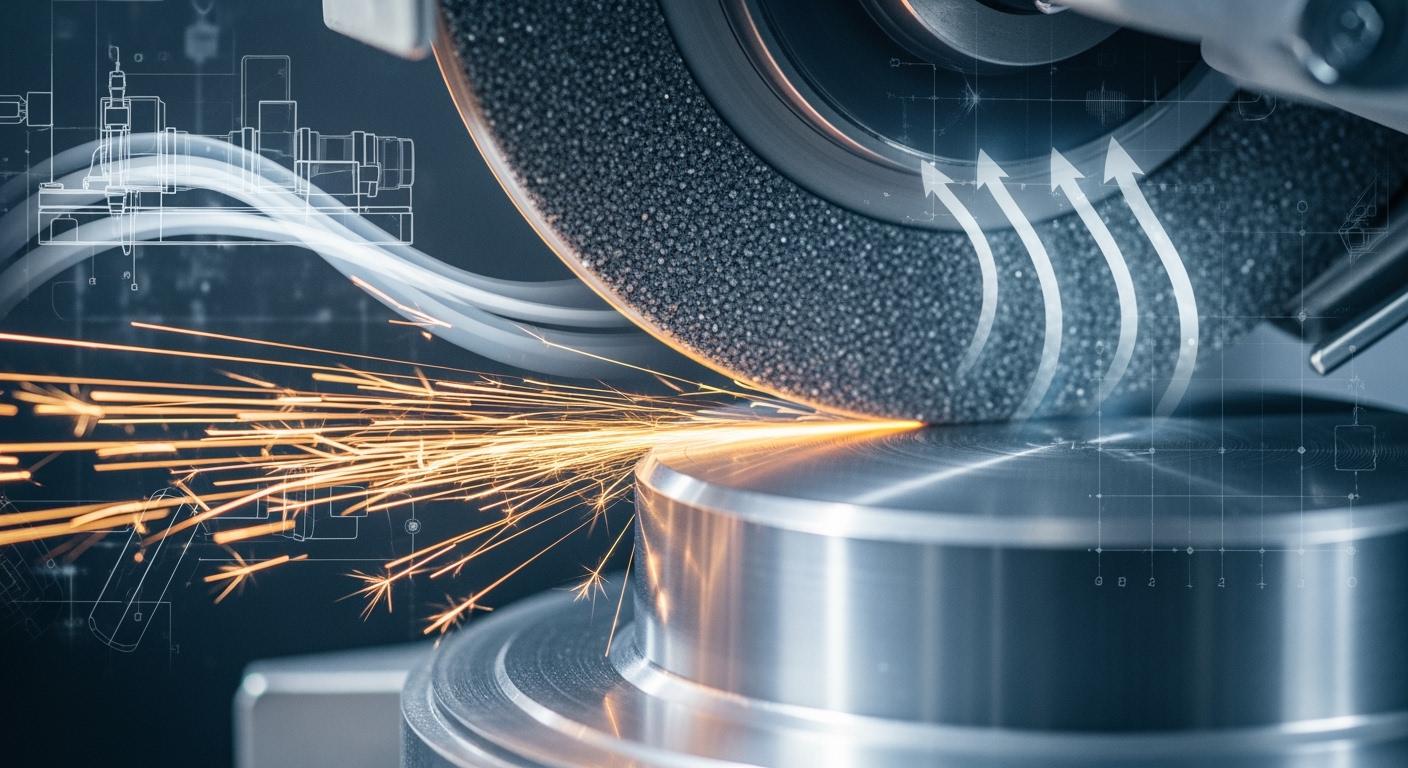
You can achieve burn-free grinding of titanium by controlling heat and selecting the right tools. This process protects the surface of your titanium parts and keeps them strong and reliable. Burns often happen because grinding creates a lot of heat in the titanium surface. When this heat rises, the surface can change, leading to problems like soft spots or cracks. The main causes include the grinding wheel, machine setup, and cooling fluid. Aimgrind helps you match the best grinding wheel and process for your titanium surface to prevent burns every time.
Key Takeaways
- Control heat during grinding to prevent burns on titanium. High temperatures can damage the surface and weaken the material.
- Choose the right grinding wheel. A diamond grinding wheel can reduce heat and improve surface quality.
- Use proper coolant application. High-quality coolant helps keep the grinding zone cool and protects the titanium surface.
- Optimize grinding parameters like speed and feed rate. Adjusting these can lower the risk of burns and improve results.
- Regularly monitor temperature and surface quality. This helps catch issues early and maintain the integrity of titanium parts.
Causes of Burns in Titanium Alloy Grinding
Heat Generation in Titanium Grinding
You face unique challenges when you work with titanium alloy grinding. Titanium has high strength and low thermal conductivity. This means heat builds up quickly at the surface during grinding. The grinding wheel rubs against the titanium, causing friction and raising the temperature. Titanium resists heat flow, so the grinding zone gets hotter than with other metals. You see more heat at the contact point between the abrasive grains and the workpiece. The grinding temperature rises fast, and the surface properties change.
Here is a table showing the main mechanisms of heat generation in titanium alloy grinding:
| Mechanism | Description |
|---|---|
| Grinding Temperature | The highest temperature occurs at the contact point between abrasive grains and the workpiece, influenced by grinding parameters. |
| Thermal Conductivity | Titanium alloys have low thermal conductivity, leading to heat accumulation in the grinding zone. |
| Tool Wear | Increased heat contributes to tool wear and affects surface integrity. |
Titanium alloys generate significant heat during grinding because of their high strength and thermal resistance. The low thermal conductivity (less than 7 W/(m·K)) causes heat to stay in the contact area. This makes tool wear worse and changes the mechanical properties of the surface. Titanium alloys have much lower thermal conductivity than steel or aluminum. You must pay attention to this property to avoid grinding burn.
Effects of Grinding Burns
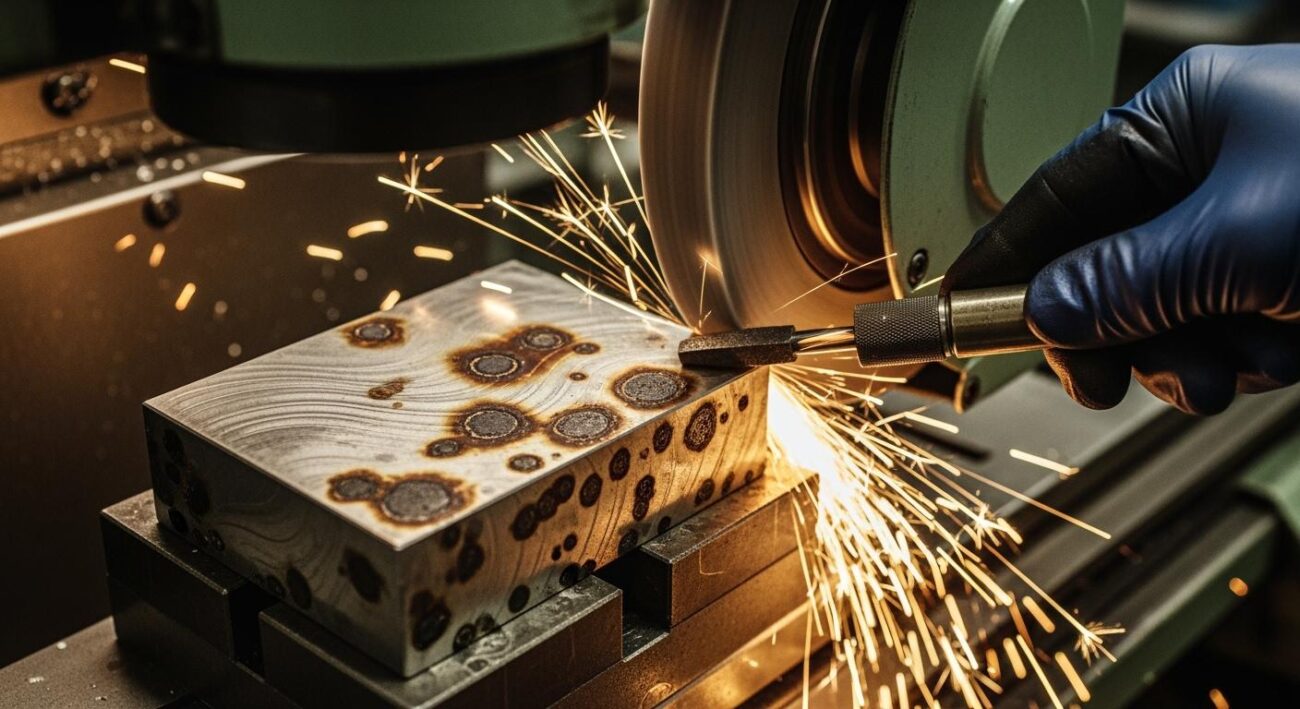
Grinding burn happens when the surface gets too hot. You see unwanted changes in the surface and subsurface region of the titanium. The grinding process releases heat, and the surface properties suffer. You may notice micro-fractures, soft spots, or even cracks. These defects weaken the titanium and reduce its oxidation resistance.
Grinding burn can be defined as all unwanted changes in the surface and subsurface region of the workpiece due to heat release out of the grinding process. In many previous studies, surface burn was linked to different metallurgical transformations causing specific thermal damage on the workpiece surface. Tang et al. investigated the surface burn in titanium alloys and confirmed the existence of titanium oxide and carbide in the burn layer.
You must avoid grinding burn to protect the surface properties and keep the titanium strong. If you ignore the effects, you risk part failure and loss of oxidation resistance. You also see more tool wear and poor surface quality. Titanium alloy grinding needs careful control of heat to keep the surface safe.
Key Factors for Burn-Free Grinding
Grinding Principles for Titanium Alloys
You need to understand the basic principles of titanium alloy grinding to avoid burns. Titanium has high strength and low thermal conductivity. This means heat stays at the surface during the grinding process. If you do not control the heat, the surface properties can change, and the part can lose strength. You must focus on managing heat and keeping the surface cool.
Here is a table that shows the best practices for titanium alloy grinding:
| Parameter | Recommendation |
|---|---|
| Grinding Speed | Adjust based on titanium alloy hardness |
| Feed Rate | Lower feed for precise finishing |
| Depth of Cut | Control depth to avoid overcutting |
| Coolant Application | Ensure proper flow to prevent overheating |
| Optimized Toolpaths | Minimize dwell time to avoid overcutting |
You should use synthetic cutting fluid for titanium alloy grinding. Make sure the coolant flows at the highest rate possible. Avoid grinding fluids with chlorides or sulfides because they can damage the surface. When you follow these principles, you protect the surface properties and keep the titanium strong.
Tip: Effective heat management is crucial in titanium alloy grinding. Heat builds up at the tool-workpiece interface. If you do not control it, you will see faster tool wear, chemical reactions, and poor surface finish.
Machine Setup and Coolant Application
Proper machine setup is key to burn-free titanium alloy grinding. You must check that the grinding wheel is balanced and mounted correctly. The machine should run smoothly without vibration. This helps you keep the surface even and protects the properties of the titanium.
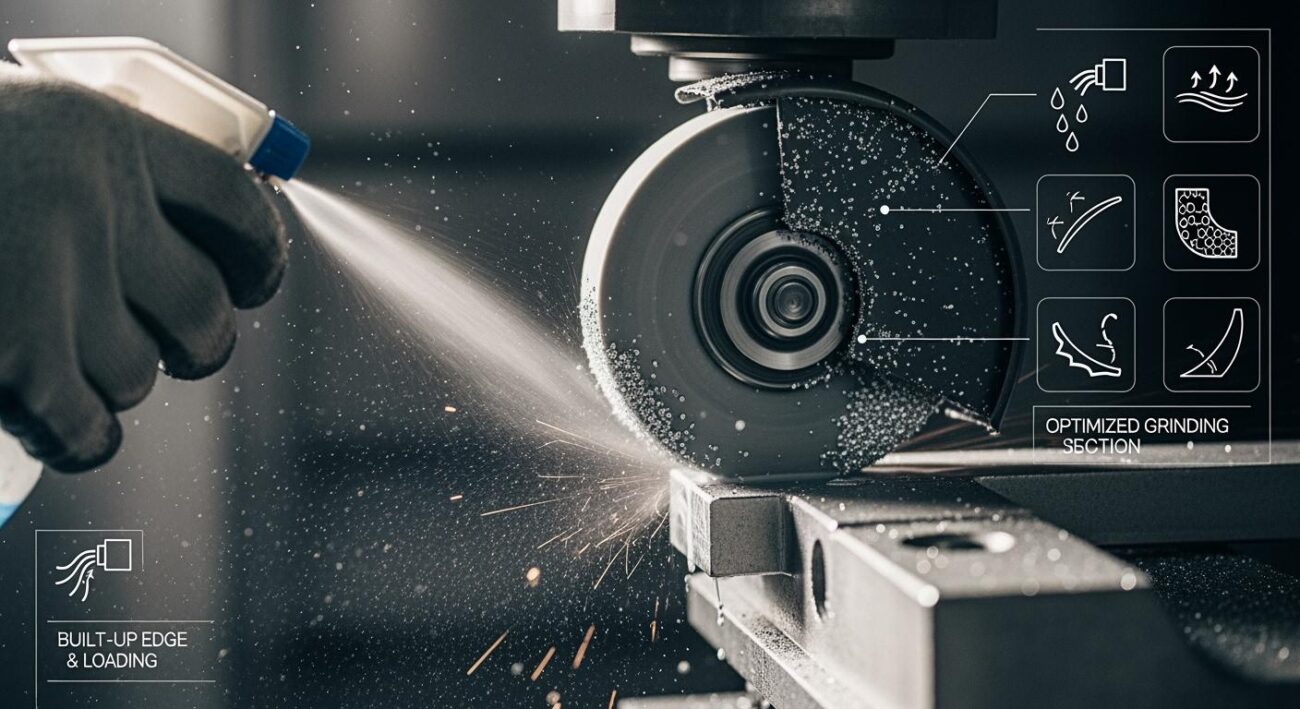
Coolant application is just as important. You need to direct high-quality coolant right at the grinding zone. This reduces the temperature and flushes away chips from the surface. Specialized chemical coolants can form a barrier on the titanium, which helps keep the surface safe and strong.
Here are some effective cooling methods:
| Cooling Method | Effectiveness in Reducing Grinding Temperature | Additional Benefits |
|---|---|---|
| Minimum Quantity Lubrication | Significant reduction in grinding temperature | Reduces surface roughness, wheel wear, and residual stress |
| Cryogenic Coolants (LN2, LCO2) | Reduces grinding temperature and improves surface quality | Eco-friendly, penetrates deep into the grinding zone |
You should always use the best coolant for your process. Minimum quantity lubrication and cryogenic coolants work well for titanium alloy grinding. These methods lower the grinding temperature and help keep the surface properties intact.
Note: Aimgrind’s technology experts can help you choose the right coolant and set up your machine for the best results. Their process optimization ensures your titanium alloy grinding stays burn-free.
Grinding Parameters Optimization
You must optimize your grinding parameters to keep the surface cool and strong. The grinding speed, feed rate, and depth of cut all affect the heat in the grinding process. If you use a higher grinding wheel speed, you can lower the grinding temperature. This reduces the risk of burning the titanium. If you increase the feed rate, the grinding temperature rises, and the risk of burn goes up.
Here are some key points to remember:
- Higher grinding wheel speeds usually lower the grinding temperature and protect the surface.
- Increased feed rates can raise the grinding temperature and damage the surface properties.
- The grinding temperature is highest where the abrasive grains touch the titanium. You must pay close attention to this area.
- Lubricants like MoS2 can lower friction and heat, making the process safer for the titanium surface.
You should always match your grinding parameters to the titanium alloy and the desired surface finish. Aimgrind’s technology team can help you with parameter matching and process optimization. They use their experience to keep your titanium alloy grinding process safe and efficient.
Tip: Always monitor the grinding process. Adjust your parameters if you see any signs of surface burn or loss of strength. Aimgrind’s experts can guide you through every step to protect the properties of your titanium parts.
Choosing the Right Grinding Wheel for Titanium
Aimgrind Diamond Grinding Wheels
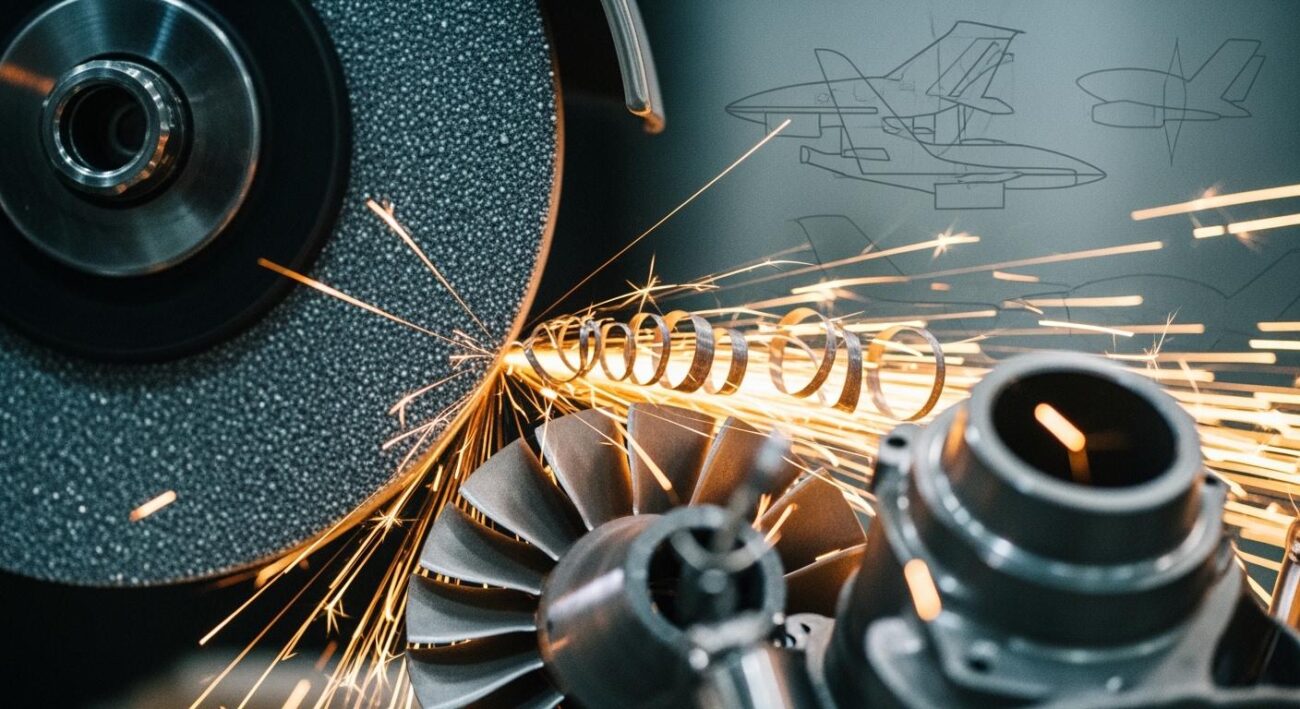
You need the right grinding wheel to protect the surface of titanium. Aimgrind diamond grinding wheels use advanced technology to deliver high strength and precision. These wheels help you achieve burn resistant coating on titanium parts. You get a smooth surface and keep the strength of the titanium. The diamond abrasive layer cuts through titanium with less heat. This reduces the risk of burns and keeps the surface safe.
Aimgrind diamond grinding wheels work well with titanium alloy coating. You can use these wheels for both wet and dry grinding. The technology behind Aimgrind wheels gives you a strong coating and a reliable surface. You see less tool wear and more consistent results. The wheels fit many machines and help you grind titanium with confidence. You protect the surface and keep the strength high.
Tip: Aimgrind’s technology experts can help you choose the best grinding wheel for titanium. You get a burn resistant coating and a strong surface every time.
Wheel Structure and Bond Selection
You must pay attention to the structure of the grinding wheel. Porosity, hardness, and bond type play a big role in preventing burns on titanium. A wheel with high porosity lets coolant reach the surface easily. This improves heat dissipation and protects the coating. Hardness matters because you need a wheel that matches the strength of titanium. If the wheel is too hard, you risk damaging the surface. If it is too soft, you lose precision.
A novel porous metal-bonded grinding wheel uses technology to control porosity and pore connectivity. This design improves coolant wettability and heat dissipation. You see less grinding force and better energy efficiency. The surface stays cool, and the burn resistant coating remains strong. You avoid thermal damage and keep the titanium safe.
You should select the right bond for your grinding wheel. Resin, metal, and vitrified bonds each offer unique benefits. Metal bonds give you high strength and durability. Resin bonds help you grind titanium with less heat. Vitrified bonds provide a stable coating and a smooth surface. Aimgrind technology lets you customize the wheel structure for titanium alloy coating. You get a strong surface and a reliable burn resistant coating.
Note: Always check the porosity, hardness, and bond type before you start grinding titanium. Aimgrind technology helps you match the grinding wheel to your process for the best surface and coating results.
Practical Tips for Burn-Free Titanium Alloy Grinding
Monitoring Temperature and Surface Quality
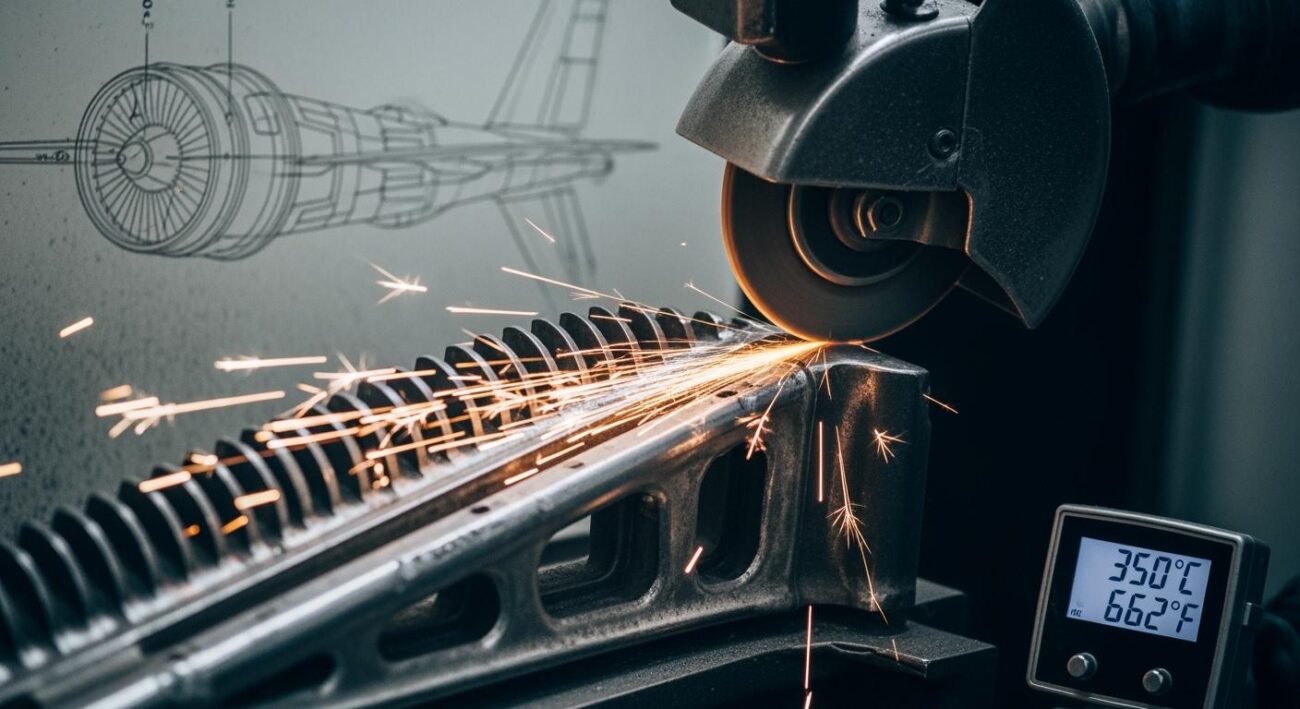
You must monitor the temperature during the grinding process to protect the titanium surface. High heat can damage the coating and cause burns. You can use different temperature monitoring techniques to keep the process safe. The table below shows common methods:
| Technique | Description |
|---|---|
| Infrared Measurement | Uses sensors to check surface temperature in real time without touching the titanium. |
| Thermal Imagers | Gives a visual map of the grinding area, showing hot spots that may harm the coating. |
| Grindable Thermocouples | Measures temperature right at the contact point, reducing errors and delays in the process. |
You should also check the surface quality often. Real-time monitoring helps you spot problems before they damage the titanium. If you see changes in the coating or roughness, you can adjust the grinding wheel or process. The table below shows how checking surface roughness at different process steps can prevent burns:
| Process Repetitions | Surface Roughness Evaluation | Grinding Wheel Condition |
|---|---|---|
| 10 | Evaluated | Not specified |
| 20 | Evaluated | Not specified |
| 40 | Evaluated | Not specified |
| 70 | Evaluated | Not specified |
| 80 | Evaluated | Not specified |
| 100 | Evaluated | Grinding burn occurred |
You can use cold spray technology to apply a protective coating. This treatment keeps the surface strong and helps the grinding process stay safe.
Routine Maintenance and Troubleshooting
You need a routine for machine maintenance and troubleshooting. This keeps the grinding process stable and the titanium surface free from burns. Follow these steps if you notice burns or changes in the coating:
- Learn the grinding principle. Heat from the process can change the titanium structure and harm the coating.
- Check your machine tool. Make sure it keeps the process stable and supports vibration grinding and dressing.
- Pick the right grinding wheel. Use a wheel with a loose structure and medium-soft hardness for the best treatment.
- Use the correct cooling fluid. Synthetic fluids with a flow rate of 15-20 mL/min help protect the surface and coating.
- Set the right parameters. Keep the grinding wheel speed at 35 m/s and the workpiece speed at 100 r/min. Dress the wheel before each treatment step.
You should also clean the spray system and check the cold spray technology often. This keeps the coating strong and the process safe. Aimgrind offers a full service to help you improve your grinding process. You can ask their experts for help with grinding wheel selection, process optimization, and coating treatment. This support helps you keep the titanium surface in top condition.
Tip: Regular checks and quick action prevent surface burns and keep your titanium parts strong. Trust Aimgrind for expert advice on grinding, coating, and cold spray technology.
You can achieve burn-free grinding of titanium alloys by focusing on the surface and applying the right treatment. Proper grinding wheel selection helps you minimize adhesion and wear on the surface. You need to choose a wheel with the right grit size and hardness for the best treatment. Parameter optimization lets you control grinding speed and load pressure, protecting the surface and improving treatment results. Cooling is vital for keeping the surface temperature low and making the treatment effective. Aimgrind gives you customized solutions for every surface and treatment need.
You can use innovative methods like ultrasonic cavitation abrasive flow and magnetic abrasive polishing to improve surface treatment. These methods help you achieve uniform removal and a smooth surface.
Here is a quick checklist for your operation:
- Select the right grinding wheel for surface treatment.
- Optimize parameters for the best surface finish and treatment.
- Apply high-quality coolant to protect the surface during treatment.
- Monitor the surface temperature and adjust treatment as needed.
- Ask Aimgrind for expert support on surface and treatment solutions.
| Method | Surface Benefit | Treatment Impact |
|---|---|---|
| Ultrasonic Cavitation Abrasive Flow | Uniform surface removal | Effective treatment |
| Magnetic Abrasive Polishing | Smooth surface finish | Balanced treatment |
| Innovative Tool Prototypes | Improved surface quality | Enhanced treatment |
You can trust Aimgrind to help you achieve the best surface and treatment results for titanium alloys.
FAQ
What causes a grinding crack in titanium alloys?
You may see a grinding crack when too much heat builds up during grinding. This heat can damage the titanium surface. Cracks often start at the contact point between the wheel and the workpiece.
How do you improve surface treatment during titanium grinding?
You can improve surface treatment by choosing the right grinding wheel and using proper coolant. Always monitor the temperature. These steps help you get a smooth finish and protect the titanium.
Why is coating performance important in titanium grinding?
You need good coating performance to keep the titanium strong. A high-quality coating protects the surface from heat and wear. This helps your parts last longer and work better.
How often should you check the grinding wheel condition?
You should check the grinding wheel before each use. Look for wear or damage. A good wheel gives you better results and keeps the process safe.
What is the best way to avoid burns on titanium parts?
You should use the right grinding parameters and plenty of coolant. Keep the grinding speed and feed rate under control. These actions help you avoid burns and keep the surface strong.
Contact Us
For More Grinding Solution or Customized Abrasive Tools