

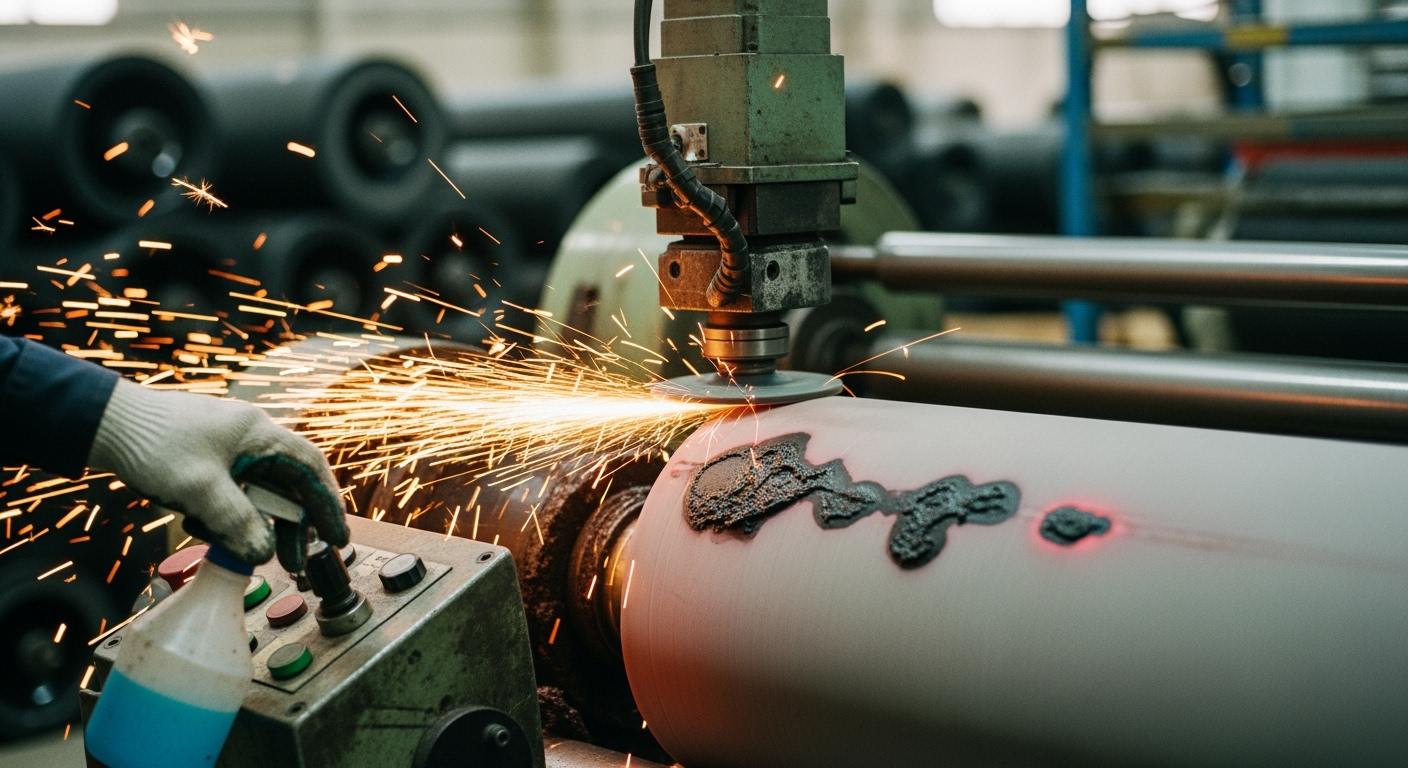
You can avoid overheating and rubber buildup in rubber roller grinding by controlling temperature and keeping your workspace clean. Good temperature management helps you achieve better grinding results and protects your equipment from damage. Aimgrind brings years of experience in grinding solutions. With advanced products like CBN grinding wheels, you get cooler operation and longer-lasting tools.
Key Takeaways
- Control temperature by setting the right grinding parameters. Use recommended speeds and feed rates to prevent overheating.
- Maintain a clean workspace. Regularly clean your machine and check for debris to avoid rubber buildup and ensure smooth operation.
- Use high-performance grinding wheels like Aimgrind CBN wheels. These wheels resist heat and rubber sticking, improving grinding quality.
- Follow a strict maintenance schedule. Regular checks and lubrication of your machine parts help prevent overheating and extend equipment life.
- Monitor your machine’s temperature during grinding. If it gets too hot, adjust settings immediately to protect your rollers and equipment.
Causes of Overheating and Buildup
Understanding what leads to overheating and rubber buildup helps you keep your grinding process smooth. You need to pay attention to your machine, its settings, and how you care for it. Each part plays a role in keeping your work safe and clean.
Machine Faults
Your machine can develop faults that cause problems during grinding. When parts do not work right, you may see overheating or rubber sticking to the wheel. Here is a table that shows common machine faults, their descriptions, and symptoms:
| Machine Fault | Description | Symptoms of Faults |
|---|---|---|
| Spindle Bearings | These keep your machine running smoothly. If they fail, grinding suffers. | You may hear odd noises, feel vibrations, or see a rough finish. |
| Coolant System | This keeps your machine cool. If it does not work, overheating happens. | You might notice dirty coolant or misaligned nozzles. |
| Belt Drive System | This controls speed. Bad belts make your machine run unevenly. | You may see RPM changes or uneven grinding results. |
If you check these parts often, you can stop many issues before they start.
Incorrect Settings
You must set your machine with the right parameters. If you use the wrong speed, pressure, or feed rate, you risk overheating. Incorrect settings can also cause rubber to build up on the grinding wheel. Always follow the recommended guidelines for your machine and material. Adjust settings if you notice any changes in performance.
Poor Maintenance
Regular care keeps your machine in top shape. If you skip cleaning or forget to check parts, debris and dust can collect. This buildup can block cooling and cause overheating. You should clean your machine, replace worn parts, and check coolant levels often. Good maintenance helps your machine last longer and work better.
Tip: Make a checklist for daily and weekly machine care. This helps you remember each step and avoid problems.
How to Avoid Overheating in Rubber Roller Grinding
Overheating can cause serious problems during rubber roller grinding. You need to control heat to protect both your rollers and your equipment. Here are the best ways to avoid overheating and keep your grinding process safe and efficient.
Optimize Grinding Parameters
You can avoid overheating by setting the right grinding parameters. When you use the correct speed, feed rate, and depth of cut, you lower the risk of heat buildup. The table below shows the recommended ranges for each parameter and how they affect heat:
| Parameter | Recommendation | Effect on Heat Generation |
|---|---|---|
| Grinding Wheel Speed | 1500-3000 r/min (20-40 m/s) | Excessive speed leads to heat accumulation and rubber softening. |
| Feed Rate | 0.05-0.2 mm/r | Controlled feed reduces grinding force and heat accumulation. |
| Depth of Cut | Not exceeding 0.1 mm per pass | Shallow grinding helps avoid rubber deformation and tearing. |
Keep your grinding process within these ranges to avoid overheating. Always monitor the temperature during grinding. If you notice the roller getting too hot, reduce the speed or feed rate right away.
Tip: Maintain temperature control to prevent excessive heat, which can lead to changes in the rubber and surface cracks.
Use Proper Coolant and Cooling Methods
A good coolant system is essential if you want to avoid overheating. Rubber does not conduct heat well, so you must use coolants and light pressure to manage heat. Make sure your coolant system works properly and delivers enough flow to the grinding area. This helps remove heat quickly and keeps the roller surface cool.
- Check your coolant system before every grinding session.
- Use the right type of coolant for rubber materials.
- Adjust the coolant flow to cover the grinding zone completely.
You can also use freezing rollers or high-temperature resistant rollers. These special rollers withstand higher temperatures and reduce the chance of overheating. High-temperature resistant materials make rollers last longer and stay safe in hot conditions.
Note: Ensure proper coolant flow to reduce the risk of thermal damage during grinding.
Choose High-Performance Wheels (Aimgrind CBN Grinding Wheels)
Selecting the right grinding wheel makes a big difference in your ability to avoid overheating. Aimgrind CBN grinding wheels offer superior thermal stability compared to conventional wheels. These wheels stay cool even during high-speed grinding. They resist thermal damage, which is common with regular wheels that generate more heat.
- CBN grinding wheels from Aimgrind work well with a coolant system, reducing friction and extending wheel life.
- You get consistent performance and a longer-lasting wheel, which means fewer changes and less downtime.
- These wheels help you avoid overheating, protect your rollers, and improve the quality of your grinding results.
When you use Aimgrind CBN grinding wheels, you combine advanced materials with expert design. This gives you a reliable way to avoid overheating and keep your grinding process efficient.
Preventing Rubber Buildup
Regular Cleaning and Maintenance
You can stop rubber buildup by keeping your grinding equipment clean. Dust and debris often collect on machines during grinding. If you clean your machine after each use, you remove metal shavings and dust. This simple step helps prevent buildup on the grinding wheel. You should also check and lubricate moving parts. Lubrication lowers friction and wear. It also helps your equipment last longer. Here are some steps you can follow:
- Wipe down the grinding machine after every session.
- Remove any rubber particles from the grinding wheel.
- Lubricate all moving parts to keep them working smoothly.
- Inspect the machine for dust or debris before starting a new job.
Tip: A clean machine works better and gives you a smoother grinding process.
Select the Right Grinding Wheel (Aimgrind Solutions)
Choosing the right grinding wheel makes a big difference when you work with rubber rollers. Aimgrind offers wheels that resist rubber sticking and reduce heat. These wheels help you get a clean cut and avoid extra buildup. You should match the grinding wheel to the type of rubber you use. If you use a wheel that is too soft or too hard, you may see more rubber sticking to the wheel. Aimgrind CBN grinding wheels give you a cooler operation and a longer life. You get better results and less downtime.
- Pick a grinding wheel designed for rubber materials.
- Use Aimgrind CBN grinding wheels for high performance and less buildup.
- Replace worn wheels to keep your grinding process smooth.
Proper Belt and Wheel Care
You need to care for both the grinding wheel and the belt. If you let rubber or dust collect on these parts, you may see poor grinding results. Clean the belt and wheel often. Check for signs of wear or damage. Replace them if you see cracks or glazing. A well-maintained grinding wheel and belt help you avoid rubber buildup and keep your grinding process safe.
- Clean the grinding wheel and belt after each use.
- Look for cracks, glazing, or uneven surfaces.
- Change the belt or wheel if you see damage.
Note: Good care of your grinding wheel and belt keeps your machine running well and your rubber rollers in top shape.
Troubleshooting Common Issues
Belt Glazing
Belt glazing happens when the surface of your belt becomes shiny and hard. This problem can make your grinding less effective. You often see belt glazing when your machine runs at the wrong speed or pressure. If you use a belt for too long without cleaning, rubber and dust can stick to it. You should check your machine settings before each grinding session. Clean the belt after every use. Replace the belt if you see signs of glazing. A fresh belt helps your machine work better and keeps your grinding smooth.
Tip: Use a soft brush to clean the belt. This removes rubber particles and keeps the belt in good shape.
Chatter and Scratches
Chatter and scratches can appear on your rubber rollers during grinding. These marks often show up when your machine has problems. Poorly dressed grinding wheels can leave spiral marks. Coolant issues can cause discoloration and scratches. Vibrations from outside the machine can create parallel marks on the roller. An imbalanced grinding wheel can lead to chatter marks. You should inspect your machine for loose parts or vibrations. Dress your grinding wheel properly. Make sure your coolant system works well. These steps help you avoid chatter and scratches.
| Problem | Cause | Solution |
|---|---|---|
| Spiral marks | Poor wheel dressing | Dress wheel regularly |
| Discoloration/scratches | Coolant issues | Check coolant flow |
| Parallel marks | External vibrations | Secure machine |
| Chatter marks | Imbalanced wheel | Balance wheel |
Heat-Related Roller Damage
Heat-related damage can affect your rubber rollers during grinding. If your machine gets too hot, the rubber may soften or crack. Overheating often happens when you use the wrong grinding parameters or your coolant system fails. You should monitor the temperature of your machine during grinding. Use high-performance wheels like Aimgrind CBN grinding wheels. These wheels help keep your machine cool and protect your rollers. Always check your coolant system and adjust grinding settings to avoid heat buildup.
Note: Protect your rollers by keeping your machine cool and using the right grinding tools.
Maintenance Best Practices
Routine Equipment Checks
You need to check your grinding equipment often. Routine inspections help you spot problems early and keep your machine running smoothly. Look for signs of wear, listen for unusual noises, and check for loose bolts. Clean the machine to remove dust and rubber particles. Use the table below to see how often you should perform each maintenance task:
| Frequency | Maintenance Tasks |
|---|---|
| Daily | Visual and auditory checks before, during, and after each shift. |
| Weekly | Check oil levels and quality, lubricate moving parts, and inspect wear parts. |
| Monthly | Thorough inspection of wear-prone components, measure thickness of grinding parts, and check bolt tightness. |
| Quarterly | Overhaul grinding assembly, replace worn parts, and clean the grinding chamber. |
| Semi-Annually | Clean air system and inspect dust collection systems. |
| Annually | Comprehensive system shutdown for full inspection and potential upgrades. |
Tip: Preventative maintenance keeps your equipment reliable and reduces downtime.
Lubrication and Alignment
Lubrication plays a key role in keeping your grinding machine cool and efficient. You must apply lubrication to rollers and bearings to reduce friction. Less friction means less heat, which helps prevent overheating. Lubrication also protects moving parts from wear. When you align your machine properly, you avoid extra strain that can cause rubber buildup. Make sure you use the right type of lubrication for each part. Check lubrication levels often and refill as needed. Clean old lubrication before adding new. Inspect alignment after every maintenance session. Lubrication and alignment work together to keep your machine safe and your grinding results smooth. Lubrication helps you avoid costly repairs. Lubrication also extends the life of your equipment. Lubrication makes your grinding process more efficient.
Maintenance Schedules
Follow a clear maintenance schedule to protect your rubber rollers and grinding equipment. Use these steps to keep your machine in top shape:
- Support rolls on their journals with covers free of all contact with other objects.
- Open all nips when the machine is down.
- Keep rubber rolls away from steam pipes and sunlight.
- Wrap rolls in paper and store in a cool, dark place.
- Re-grind or re-surface rolls before use if they show checking or cracking.
- Periodically re-grind rubber-covered rolls.
- Use proper slings when removing rolls from machines.
- Keep roll surfaces clean from oil and grease.
- Inspect and rotate stored rolls regularly.
- Schedule grinding operations and take light cuts on softer rolls.
Note: A good maintenance schedule helps you avoid overheating and rubber buildup. You protect your equipment and improve grinding quality.
Quick Prevention Checklist
You can keep your rubber roller grinding process safe and efficient by following this quick prevention checklist. Use these steps every time you set up or finish a grinding job.
- Check machine parts: Inspect bearings, belts, and coolant systems before you start.
- Set correct parameters: Adjust speed, feed rate, and depth of cut to match the material.
- Use proper coolant: Make sure the coolant flows well and covers the grinding area.
- Choose the right wheel: Pick Aimgrind CBN grinding wheels for cooler operation and less buildup.
- Clean after each use: Wipe down the machine and remove rubber particles from the wheel and belt.
- Lubricate moving parts: Apply the right lubricant to reduce friction and heat.
- Inspect for wear: Look for cracks, glazing, or uneven surfaces on wheels and belts.
- Store rollers properly: Keep rubber rollers away from heat, sunlight, and steam pipes.
- Follow a maintenance schedule: Stick to daily, weekly, and monthly checks for best results.
- Monitor temperature: Touch the roller surface during grinding to check for overheating.
💡 Tip: Print this checklist and keep it near your grinding machine. You can mark each step as you complete it.
Here is a quick reference table for your daily routine:
| Task | When to Do It | Why It Matters |
|---|---|---|
| Inspect machine parts | Before grinding | Prevents faults and downtime |
| Adjust parameters | Before grinding | Reduces risk of overheating |
| Check coolant flow | Before and during | Keeps rollers cool |
| Clean equipment | After grinding | Stops rubber buildup |
| Lubricate moving parts | Weekly | Lowers friction and wear |
| Inspect wheels and belts | Weekly | Ensures smooth grinding |
You can use this checklist to avoid common problems and keep your grinding process running smoothly. Small steps each day help you protect your equipment and get better results.
You can keep your rubber roller grinding process safe by following simple steps. Use Aimgrind CBN grinding wheels for better heat resistance and longer life. See how these wheels help:
| Feature | Benefit |
|---|---|
| Superior heat resistance | No hardness loss at high temperatures |
| High material removal rate | Less time spent on maintenance |
| Longer wheel life | Fewer replacements needed |
Stay alert with these practices:
- Inspect your equipment often.
- Do preventive maintenance.
- Troubleshoot issues like chatter and scratches.
For more grinding solutions, visit Aimgrind’s website.
FAQ
What causes rapid wheel deterioration during rubber roller grinding?
You may see rapid wheel deterioration if you use the wrong grinding wheel or set the speed too high. Always choose the right wheel for rubber and check your grinding parameters before you start.
How does coolant nozzle optimization help in grinding?
Coolant nozzle optimization lets you direct coolant exactly where you need it. This keeps the grinding area cool and clean. You protect your rollers and improve grinding results by adjusting the nozzle position.
Why does rubber stick to the grinding wheel?
Rubber sticks to the wheel when you use too much pressure or the wrong wheel type. Clean your wheel often and use a wheel designed for rubber to prevent buildup.
How often should you clean your grinding equipment?
You should clean your grinding equipment after every use. Regular cleaning removes dust and rubber particles. This helps your machine last longer and work better.
What is the best way to check for overheating?
Touch the roller surface during grinding. If it feels hot, reduce speed or increase coolant flow. Monitoring temperature helps you avoid damage and keeps your process safe.
Contact Us
For More Grinding Solution or Customized Abrasive Tools