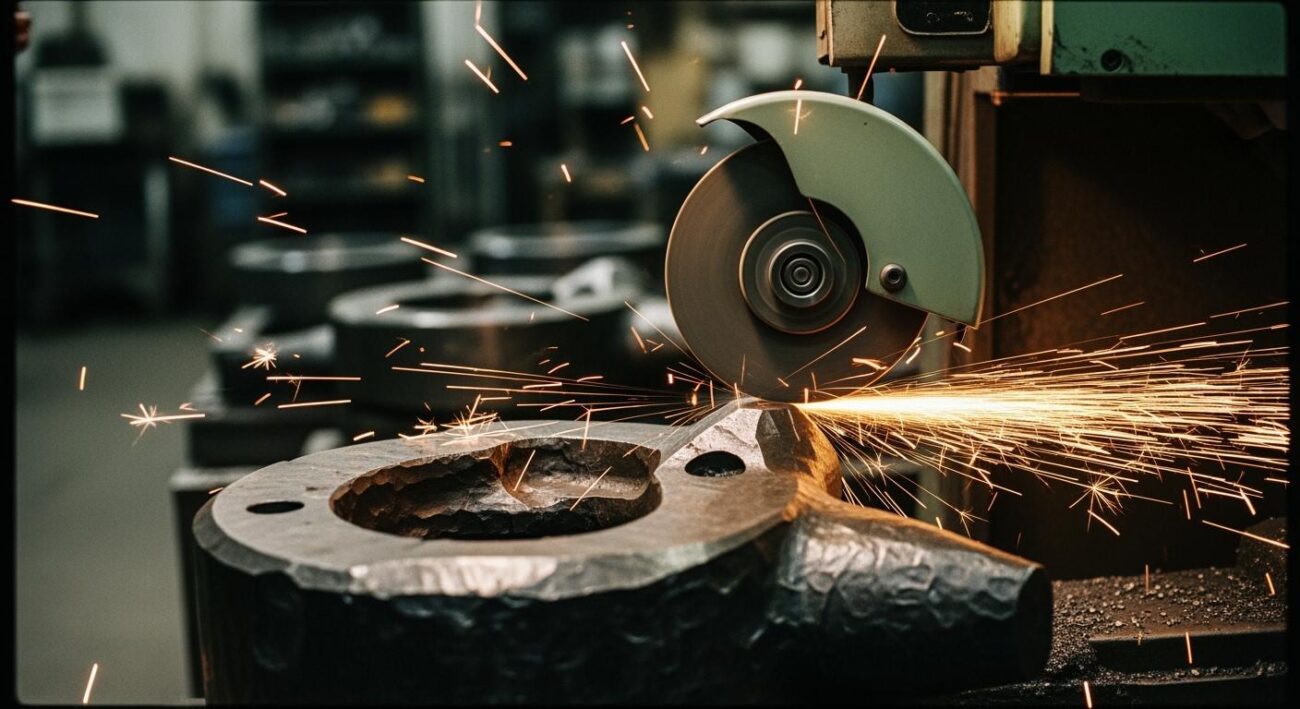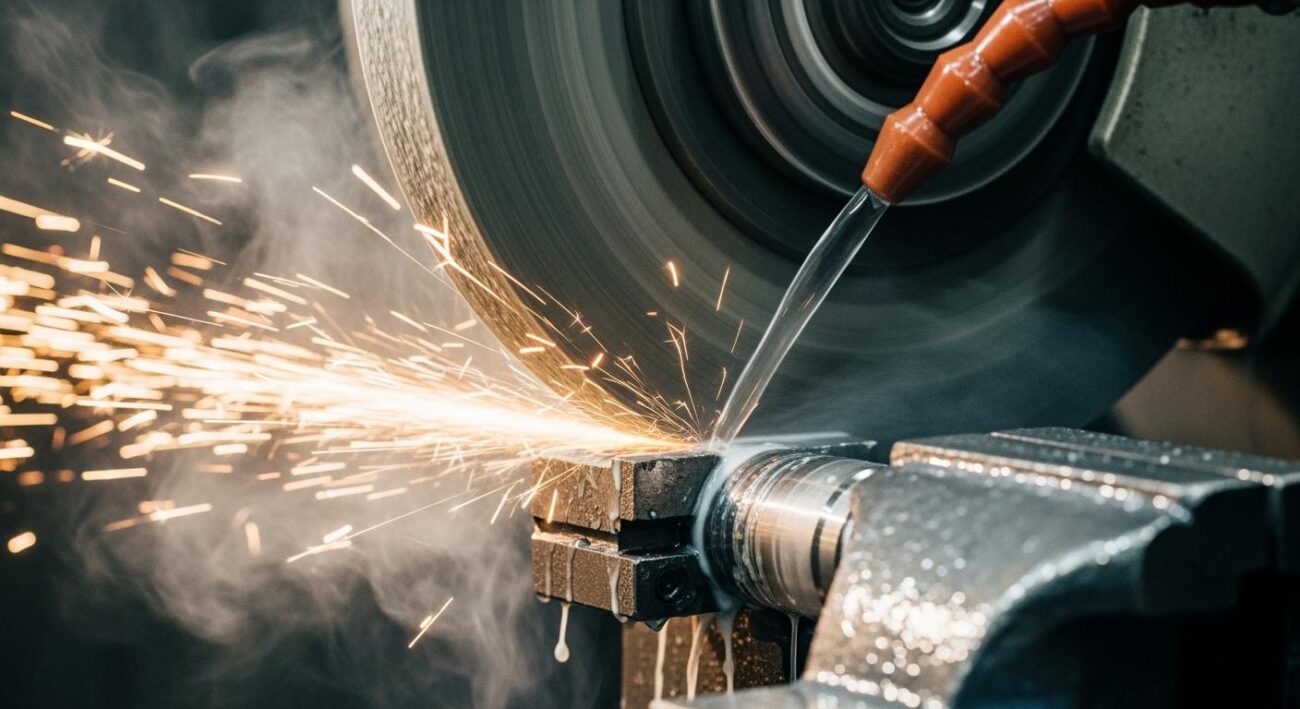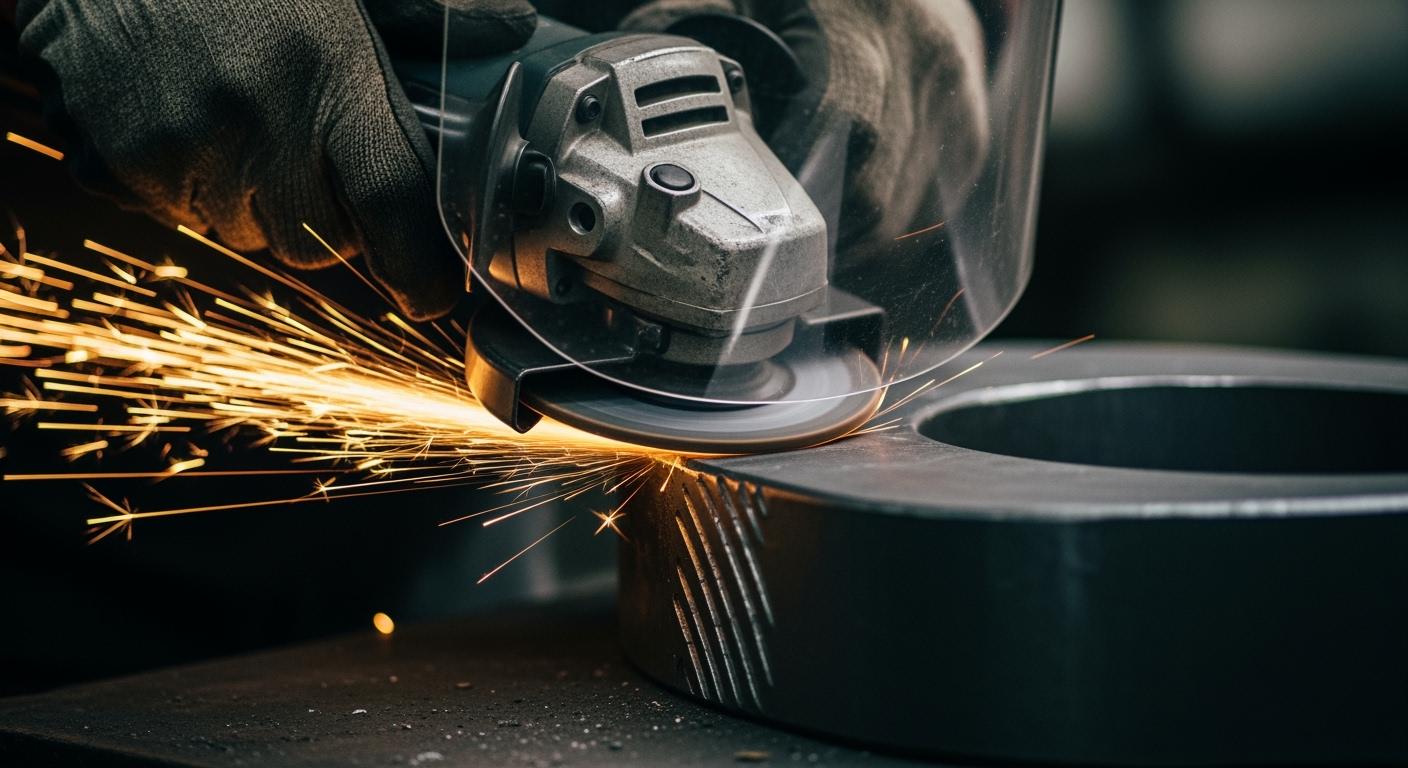
You can avoid grinding burns and protect the integrity of forgings by focusing on three main areas: choosing the right grinding wheel, using effective cooling, and controlling the grinding process. Surface integrity plays a key role in the final quality of your parts. Advanced tools, like Aimgrind’s CBN grinding wheels, help avoid grinding burns because they offer high thermal stability and exceptional heat resistance. These wheels keep the temperature low, so you maintain the integrity of the forging even during high-speed work. The table below shows why CBN wheels help avoid grinding burns and support integrity:
| Feature | Description |
|---|---|
| Thermal Stability | High thermal stability minimizes thermal damage during grinding |
| Heat Resistance | Superior heat resistance prevents hardness loss at high temperatures |
| Efficiency | High material removal rate with consistent precision |
| Wheel Life | Longer lifespan than conventional wheels |
By making these choices, you avoid grinding burns, keep the integrity of your parts strong, and achieve better results every time.
Key Takeaways
- Choose the right grinding wheel, like Aimgrind’s CBN wheels, to prevent grinding burns and maintain surface integrity.
- Control grinding parameters, such as speed and feed rate, to manage heat and avoid damaging the steel during the process.
- Use effective cooling and lubrication systems to keep temperatures low and reduce the risk of grinding burns and surface cracks.
- Regularly monitor your grinding process and train operators to recognize signs of grinding burn for early intervention.
- Implement continuous improvement practices, such as feedback loops and equipment maintenance, to enhance the quality and longevity of your forgings.
Grinding Burn and Residual Stress Overview
What Is Grinding Burn?
Grinding burn happens when the grinding process creates too much heat on the surface of a forging. You might see discoloration, cracks, or even changes in the hardness of the metal. Grinding burn can take several forms, such as oxidation burn, thermal softening, and re-hardening burn. Each type affects the metal in a different way. When you use the wrong grinding wheel or set the speed too high, the temperature rises quickly. This can cause the metal to change at the surface, leading to grinding burn.
- Grinding generates high frictional energy, leading to localized temperature increases.
- This can cause changes in residual stress and microstructure, potentially resulting in cracking.
- Types of grinding burn include oxidation burn, thermal softening, residual tensile stress, and re-hardening burn.
- Residual tensile stress can lead to reduced fatigue life and cracking if it exceeds the ultimate tensile strength.
- The transformation of austenite to martensite during grinding can also contribute to high residual stresses.
You need to control the grinding process to avoid these burns and keep your parts strong.
What Are Residual Stresses?
Residual stresses are forces that stay inside a forging after you finish grinding. These stresses do not go away on their own. They can be either compressive or tensile. The grinding process can create these stresses through both mechanical and thermal effects.
Residual stress distributions produced by grinding with various conditions have been measured for four steels. The maximum stress magnitude on the surface can be compressive or tensile depending on the grinding conditions. It was found that tensile residual stresses are generated after the grinding temperature reaches a critical level, which varies for different steels. The primary origins of residual grinding stresses include mechanical deformation and thermally-induced plastic deformation.
If you do not control grinding burn, you risk creating high tensile residual stresses. These can make your forgings more likely to crack or fail during use.
Why Surface Integrity Matters
Surface integrity means the quality and condition of the outer layer of your forging. Good surface integrity helps your parts last longer and work better. Poor surface integrity, caused by grinding burn or high residual stresses, can lead to early failure.
Research shows that uneven cooling and high tensile residual stresses can reduce the fatigue life of forged parts. For example, a small increase in maximum principal residual stress can cut the low cycle fatigue life by almost 40%. On the other hand, reducing these stresses can make your parts last much longer. Surface integrity also affects failure rates:
- Wear is the primary failure mechanism of hot forging dies, responsible for about 70% of forging die failures. This indicates a significant impact of surface integrity on failure rates.
- Fatigue failure contributes to approximately 25% of tool failures in closed die forging, often starting at surface discontinuities, emphasizing the importance of surface integrity in preventing failures.
You should always focus on preventing grinding burn and controlling residual stresses to protect the surface integrity of your forgings.
Causes of Grinding Burn and Residual Stresses
Heat Generation and Dissipation
When you use grinding on steel, heat builds up quickly. The grinding wheel creates friction, and this friction raises the temperature at the contact point. If you do not control the heat, you risk damaging the steel. Several factors can make heat generation worse:
- Poor thermal conductivity in steel causes heat to stay near the surface.
- Rapid heating rates create big temperature differences in the steel.
- Improper heating can lead to defects like decarburization, overheating, and overburning.
- Excessive heating temperature can make the grains in steel coarse and lower its mechanical properties.
- Overheating can cause unwanted structures in carbon steel, such as Widmanstätten patterns.
You need to manage heat during grinding to protect the steel and avoid cracks or burns.
Grinding Parameters and Feed Rates
The way you set your grinding parameters and feed rates has a big effect on the steel. If you remove material too quickly, the grinding process can overheat the steel and cause burns. The table below shows how different grinding settings affect the steel:
| Grinding Parameter | Effect on Grinding Burns | Residual Stress Impact |
|---|---|---|
| Material Removal Rate (Qw) | Higher rates increase risk of grinding burns | Higher tensile residual stresses below the surface |
| Temperature | Exceeds tempering temperature leads to temper burns | Alters surface and sub-surface stress states |
| Grinding Contact Zone | Non-optimal parameters can cause excessive heat | Can lead to local microstructural changes and property variations |
You should always match your grinding parameters to the type of steel you are working with.
Cooling and Lubrication Issues
Cooling and lubrication play a key role in grinding steel. If you do not use enough coolant, the grinding process can overheat the steel. Poor lubrication can also cause the grinding wheel to stick or load up, which increases friction and heat. Good cooling helps carry away heat from the steel and keeps the grinding temperature low. You should always check your coolant flow and make sure it covers the grinding area. This step helps you avoid grinding burns and keeps the steel strong.
Material Properties
Different types of steel react differently to grinding. Some steels have high strength, which means they can handle more force, but they also build up more heat during grinding. Steels with poor thermal conductivity trap heat at the surface, which can cause fish-scale-like coatings and high residual tensile stresses. Cooling conditions also affect how the steel deforms during grinding. If you look at the stress in the steel, you will see that burned surfaces can have tensile stress near 300 MPa at a depth of 50 micrometers. Burn-free steel often shows compressive stress at the same depth. Mechanical deformation from grinding usually creates compressive stress, but thermal effects from heat can cause tensile stress. You need to know your steel’s properties before you start grinding, so you can choose the right process and avoid problems.
How to Avoid Grinding Burns
Optimizing Grinding Parameters
You can prevent grinding burn by adjusting your grinding parameters. Start by choosing the right speed and feed rate for your grinding wheel and steel. Research shows that increasing the feed speed while lowering the grinding speed can reduce the temperature during grinding. This happens because a higher feed speed shortens the time heat stays in one spot, which helps keep the steel cool. However, if you set the feed speed or grinding depth too high, you will increase the grinding force and friction. This can raise the temperature and cause grinding burns.
Use the table below to guide your parameter choices for steel forgings:
| Parameter | Recommended Range/Details |
|---|---|
| Wheel Hardness | 45-60 HRC is best for most steel grinding tasks |
| Cooling Rate | Fast cooling is good, but avoid cooling too quickly to prevent cracks |
| Temperature Effects | High temperatures lower lubricant effectiveness and speed up unwanted reactions |
| Cryogenic Treatment | Cooling to -185°C improves stability and lowers residual stress |
| Wheel Type | Vitrified bond wheels with 35-50% porosity help coolant reach the grinding area |
| Fixture Design | Strong fixtures allow better coolant flow and reduce distortion during grinding |
You should always match your grinding parameters to the steel you are working with. This helps you avoid overheating and keeps your parts strong.
Effective Cooling and Lubrication
Cooling and lubrication are key to controlling heat during grinding. If you do not use enough coolant, the grinding wheel and steel can get too hot. This can lead to grinding burns and surface cracks. You should use advanced cooling and lubrication systems to keep the temperature low.
The research indicates that using cooling and lubricating media is crucial for managing thermal loads in the shearing zone, which helps reduce friction and wear. Advanced methods like Minimum Quantity Lubrication (MQL) and its combination with cooling media (CMQL) have shown significant improvements in tool life and machining quality. For example, studies have demonstrated that CMQL can extend tool life by over 30% compared to traditional methods, and the use of cryogenic cooling media has been linked to enhanced surface micro-hardness.
High-performance lubricants also help you achieve better surface integrity. Here are some benefits:
- High-performance lubricants reduce friction and prevent wear in forged parts.
- They help you get a smooth surface finish and fewer defects like cracks.
- Using the right spray lubricant can lower surface defects by 15% in engine parts.
- Good lubrication reduces cracks and distortions, which are important for quality.
Always check your coolant flow and make sure it covers the grinding area. This step helps you keep the steel cool and strong.
Using Aimgrind CBN Grinding Wheels
Choosing the right grinding wheel is one of the best ways to avoid grinding burns. Aimgrind CBN grinding wheels give you many advantages over conventional abrasive wheels. These wheels work well with hardened steel, tool steel, and superalloys. They keep their shape and sharpness, even at high temperatures.
The table below compares CBN grinding wheels to conventional abrasive wheels:
| Feature | CBN Grinding Wheels | Conventional Abrasive Wheels |
|---|---|---|
| Heat Resistance | Superior heat resistance, no hardness loss | Prone to hardness loss at high temperatures |
| Material Suitability | Ideal for hardened steel, bearing steel, HSS, nickel-based alloys | Limited suitability for hard materials |
| Material Removal Rate | High material removal rate with consistent precision | Lower material removal rate |
| Wheel Life | Longer wheel life compared to conventional & diamond wheels | Shorter wheel life |
| Grinding Conditions | Suitable for wet & dry grinding | Often limited to specific conditions |
Aimgrind CBN grinding wheels help you prevent grinding burn because they resist heat and last longer. You can use them for both wet and dry grinding. They also work well with many types of steel. If you want to keep your surface integrity high, Aimgrind CBN grinding wheels are a smart choice.
Dressing and Maintenance of Grinding Wheels
You need to keep your grinding wheel in good shape to get the best results. Dressing the grinding wheel means cleaning and shaping it so it cuts well. If you do not dress your grinding wheel often enough, it can get dull or loaded with steel particles. This can cause grinding burns and poor surface quality.
Here are some best practices for dressing and maintaining your grinding wheel:
- Hold the form of the grinding wheel accurately to reduce cycle times.
- Train operators on how to dress and use the grinding wheel correctly.
- Use the right grain and bond technology to keep the wheel sharp.
- Dress the grinding wheel regularly to improve cutting and surface finish.
- Dressing removes dull grains and keeps the wheel working well.
- Keep the grinding wheel in good form to go longer between dressing cycles.
- Consult with your grinding wheel supplier, like Aimgrind, to choose the best wheel for your steel.
In high-volume forging operations, you should dress the grinding wheel after every few workpieces. This keeps the surface quality high and prevents grinding burns. Dressing restores the wheel’s sharpness and corrects its shape, which is important for performance.
By following these steps, you can avoid grinding burns, keep your steel strong, and make sure your forgings last longer.
Prevent Grinding Burn and Ensure Surface Integrity
Process Monitoring and Control
You need to monitor your grinding process closely to prevent grinding burn and protect the surface of steel forgings. Real-time process monitoring helps you catch problems before they damage your steel. Acoustic emission sensors work well for this purpose. These sensors pick up sound waves created during grinding. You can mount one sensor at the tool spindle center to watch the grinding zone and another on the tailstock to listen for changes in the steel. Machine learning tools and time-frequency analysis also help you spot early signs of grinding burn. When you use these technologies, you can adjust your process quickly and keep your steel parts safe.
Tip: Regular process checks help you avoid costly repairs and keep your steel strong.
Operator Training and Best Practices
You should train your operators to recognize the signs of grinding burn and understand the best ways to handle steel. Skilled operators know how to set up machines, check coolant flow, and adjust grinding parameters. They also know how to dress grinding wheels and keep them sharp. You can reduce mistakes and improve steel quality by teaching your team to follow best practices. Encourage your operators to report any changes in the steel surface or grinding sound. When everyone works together, you create a safer and more reliable process for steel forgings.
Sample Optimization and Parameter Matching
You can improve your results by matching your grinding parameters to each type of steel. Aimgrind offers a full service process that includes problem diagnosis, parameter matching, and sample optimization. This means you get grinding wheels and settings that fit your steel and your equipment. The table below shows the key parameters you should match for the best results:
| Parameter | Description |
|---|---|
| Surface Roughness | Lower roughness gives a better finish on steel |
| Material Removal Rate | Higher rates make grinding steel more efficient |
| RPM | Faster RPM improves steel finish quality |
| Depth of Cut | Minimum 10 µm keeps steel surface quality high |
| Cooling/Lubrication | Good cooling protects steel from overheating |
You should review your process often and make small changes to keep your steel parts strong. Ongoing improvement helps you avoid grinding burn and maintain surface integrity for every steel forging.
Troubleshooting and Corrective Actions
Identifying Grinding Burn and Residual Stresses
You need to spot grinding burn and residual stresses early to keep your steel forgings strong. Look for signs like discoloration, small cracks, or changes in hardness on the surface. Sometimes, you may notice a blue or brown color on the steel. This color change means the temperature got too high during grinding. Cracks or rough spots can also show up if the process was not right. If you see these signs, you should check your grinding setup right away.
Testing Methods for Surface Integrity
You can use special tests to check the surface of your steel parts without causing damage. One reliable method is the Magnetic Barkhausen Noise (MBN) technique. This test works well for detecting grinding burns and residual stresses, especially in hardened steel like AISI H13 die steel. MBN gives you a clear signal that matches the mechanical properties of the ground steel. Other methods include:
- Visual inspection for color changes or cracks.
- Surface hardness testing to find soft or hard spots.
- Advanced image enhancement tools to improve surface images.
- Saliency detection to focus on gear tooth flanks.
- GBSU-Net models to measure how severe the grinding burn is.
These tests help you find problems before they cause bigger issues.
Corrective Steps and Process Adjustments
When you find grinding burn or high residual stress, you can fix the problem by changing your process. Start by lowering the material removal rate to reduce heat. Make sure you use enough coolant and pick the right type, like high-pressure, high-flow oil-based coolant. Dress your grinding wheel often to keep it sharp. Switch to CBN grinding wheels to cut down on heat transfer and protect your steel. Adjust your grinding speed, feed, and depth to match the hardness of your steel. The table below shows some helpful actions:
| Action | Benefit |
|---|---|
| Lower material removal rate | Reduces heat and prevents burns |
| Use CBN grinding wheels | Minimizes heat transfer in steel |
| Apply proper coolant | Keeps steel cool and avoids surface damage |
| Dress grinding wheel regularly | Maintains sharpness and surface quality |
| Match parameters to steel | Improves finish and lowers stress |
By following these steps, you keep your steel forgings safe and strong.
Continuous Improvement for Forging Integrity
Feedback Loops and Process Reviews
You can make your forging process better by using feedback loops. These loops help you find problems early and fix them before they become bigger issues. When you review your grinding process often, you keep your operations up to date and safe. Here are some ways feedback loops help you:
- You get regular feedback that helps you improve your process.
- You can spot issues early, which protects the integrity of your forgings.
- You keep making small changes that add up to big improvements over time.
Tip: Set up a schedule for process reviews. This helps you stay on track and catch problems before they affect your parts.
Equipment Maintenance
You need to keep your grinding equipment in good shape to avoid grinding burns. Regular maintenance lets you find small problems before they turn into big failures. If you ignore maintenance, your machines can break down and cause grinding burns on your forgings. Safe operations start with well-maintained equipment. Check your machines often, clean them, and replace worn parts right away. This keeps your grinding process smooth and your forgings strong.
Sharing Best Practices
You can learn a lot from others in your industry. Sharing best practices with your team and other professionals helps everyone improve. When you talk about what works and what does not, you help others avoid mistakes. You can hold short meetings or create a simple checklist for your team. You can also join industry groups or online forums to learn new tips. Sharing knowledge builds a culture of quality and safety in your workshop.
Note: When you share your successes and challenges, you help your whole team grow and keep forging integrity high.
You protect your forgings when you avoid grinding burns and harmful residual stresses. Companies that focus on these steps see big benefits:
- Improved uniformity in martensitic transformation
- Reduced distortion in components
- Extended die life for forging processes
Aimgrind CBN grinding wheels and smart process choices help you keep surface quality high. See how these features support your goals:
| Feature | Benefit |
|---|---|
| Extreme hardness | Faster stock removal, less thermal damage |
| High thermal stability | Flawless finishes at high speeds |
| Longer wheel life | Fewer wheel changes, more efficiency |
| Superior heat resistance | No hardness loss at high temperatures |
| High material removal rate | More productivity and better forged products |
Stay alert by checking oil, cleaning parts, and keeping spare parts ready. Explore Aimgrind’s solutions for custom grinding needs.
FAQ
What are common grinding defects in forgings?
You may see grinding defects like burns, uneven surfaces, or unwanted marks. These problems can lower the quality of your parts. Always check your process and tools to avoid these issues.
How can you prevent grinding chatter during the process?
You can prevent grinding chatter by using a stable machine setup and the right grinding wheel. Adjust your speed and feed rates. Make sure your equipment is in good condition.
Why do grinding cracks appear on the surface?
You may see grinding cracks if too much heat builds up during grinding. Poor cooling or high pressure can also cause cracks. Always monitor temperature and use enough coolant.
How do you achieve a good finish on steel forgings?
You can achieve a good finish by using the correct grinding wheel and keeping your parameters steady. Dress your wheel often. Use proper cooling to avoid surface damage.
What helps improve surface finish in grinding?
You can improve surface finish by choosing the right wheel grit and bond. Keep your machine clean. Use enough coolant and check your grinding speed for the best results.
Contact Us
For More Grinding Solution or Customized Abrasive Tools