You can avoid dimensional out-of-tolerance in casting grinding by focusing on precision every step of the way. Precision matters when you set up machines, choose grinding tools, and check your work. You must use high-quality tools for the best results. Aimgrind diamond grinding wheels help you reach top precision and accuracy. Precision grinding gives you better quality castings. You can trust precision to keep your parts within tight limits. Use precision methods, measure often, and adjust quickly. Precision means you get the results you want every time.
Key Takeaways
- Focus on precision at every step of the casting grinding process to achieve high-quality results.
- Use high-quality tools like Aimgrind diamond grinding wheels to maintain accuracy and control over dimensions.
- Regularly inspect machines and tools to prevent issues that can lead to dimensional out-of-tolerance.
- Monitor environmental factors such as dust and vibrations that can affect grinding accuracy.
- Implement advanced technologies and training to continuously improve your casting grinding process.
Avoid Dimensional Out-of-Tolerance in Casting Grinding
Common Causes of Out-of-Tolerance
You face many challenges when you try to avoid dimensional out-of-tolerance in casting grinding. The main causes often come from the casting itself, the environment, and the grinding process. You must understand these causes to keep your dimensions within specifications and prevent poor dimensional control.
Here is a table that shows the most common causes:
| Cause of Out-of-Tolerance | Description |
|---|---|
| Non-structural casting entities | Design and shape issues in the casting make it hard to keep precision. |
| Time variation in overall shape | The shape of the casting can change over time, which affects accuracy. |
| Environmental factors | Noise, dust, and vibrations during grinding can change your results. |
You may also notice these problems:
- High-density dust in the grinding area
- Large vibrations from machines
- Noise that makes it hard to focus on precision
The wear and adhesion of molds can change the bonding surface. This can lead to thickness and tilt changes in the casting. Even small deformations can cause big problems when you try to keep dimensions accurate.
Machine and Tool Factors
Your choice of machines and tools has a big impact on precision and accuracy. You need to use machines with strong frames and stable platforms. This helps you avoid dimensional out-of-tolerance by keeping the grinding process steady. If your machine vibrates or shifts, your dimensions can go out of specifications.
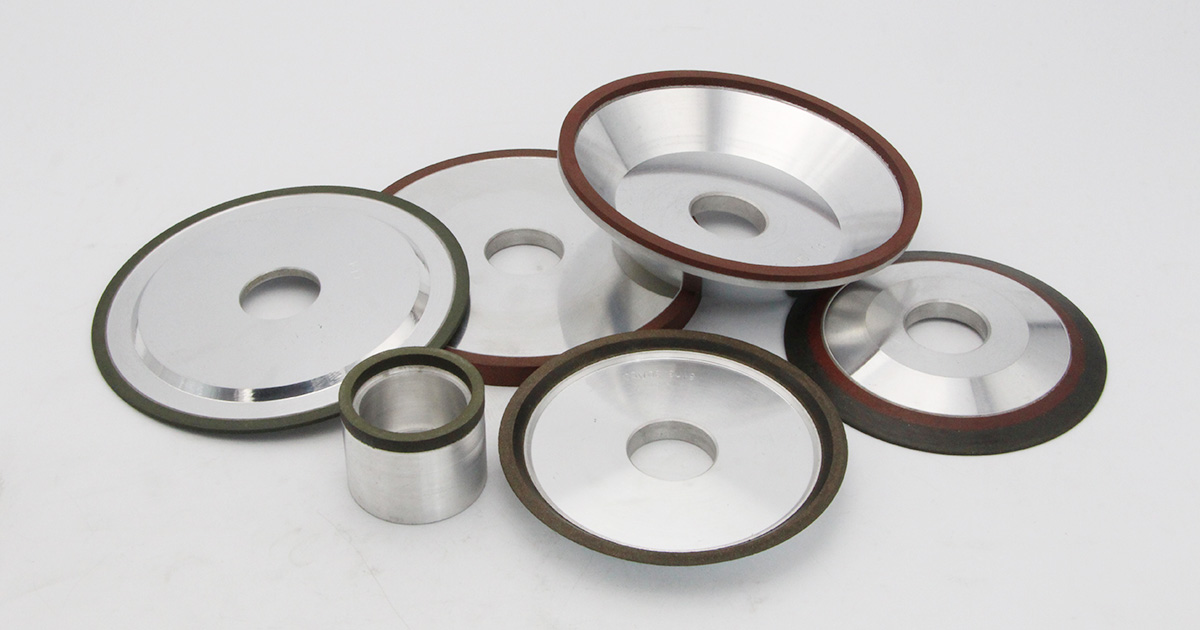
Aimgrind diamond grinding wheels give you a big advantage. These wheels keep their shape and sharpness for a long time. You can use them for many types of casting materials, including hard alloys and ceramics. When you use high-quality grinding wheels, you get better accuracy and more control over your dimensions.
You should also check your machines often. Make sure all parts are tight and working well. If you see any signs of wear, fix them right away. This helps you avoid dimensional control issues before they start.
Process Variables
You must control many variables during the casting process to keep your dimensions accurate. Here is a table that shows the most important process variables:
| Process Variable | Description |
|---|---|
| Machine Tool Rigidity | Strong machines help you keep precision and avoid dimensional out-of-tolerance. |
| Advanced Control Systems | These systems adjust grinding based on the casting material and cutting conditions. |
| Real-time Feedback Mechanisms | In-process gauging systems check dimensions and make corrections during grinding. |
| Vibration Damping Systems | These systems reduce outside forces that can change your dimensions. |
You should always monitor your process. Use real-time feedback to check your dimensions as you grind. This helps you catch problems early and avoid poor dimensional control. You can also use advanced control systems to adjust your grinding for different casting materials.
To avoid dimensional out-of-tolerance, you need to:
- Do systematic tolerance analysis before you start grinding.
- Use advanced manufacturing technologies for better precision.
- Set up effective measurement and inspection strategies.
- Take corrective action if you find any problems.
- Make sure your suppliers meet your tolerance needs.
You must also pay attention to the casting process itself. Changes in mold temperature, material flow, or vacuum pressure can affect your dimensions. Always monitor these factors closely. When you grind, remember to account for metal shrinkage, as this can change the final size of your casting.
Aimgrind diamond grinding wheels help you keep precision high and avoid dimensional out-of-tolerance. You can trust these tools to give you the accuracy you need for every casting job.
Dimensional Accuracy in Metal Castings and Tolerances
Material Selection and Mold Design
You need to start with the right materials and a strong mold design to achieve dimensional accuracy in metal castings. The type of metal you choose affects how much the casting will shrink or expand. For example, aluminum alloys like A380 have a linear shrinkage of 0.6–0.8%. Zinc alloys such as Zamak 5 shrink even less, only 0.2–0.3%. These differences matter when you want high precision and tight tolerances.
Here is a table that shows how different choices help you reach better accuracy:
| Process Area | Technique/Standard Used | Contribution to Accuracy |
|---|---|---|
| Tooling Design | High-precision mold cavities (CNC machined, ±0.005 mm) | Ensures accurate cavity geometry and repeatability |
| Mold Temperature Control | Controlled via oil or water circuits (±2 °C tolerance) | Reduces thermal expansion and shrinkage variance |
| Alloy Selection | Use of low-shrinkage alloys (e.g., Zamak 5, A380) | Enhances as-cast dimensional stability |
You must also focus on optimizing mold design. If the mold is not designed well, you can get misalignment or uneven cooling. These problems lead to distortions and make it hard to keep your casting within the right tolerances. Always use molds that can handle high pressure and provide uniform cooling. This helps you maintain dimensional accuracy in metal castings.
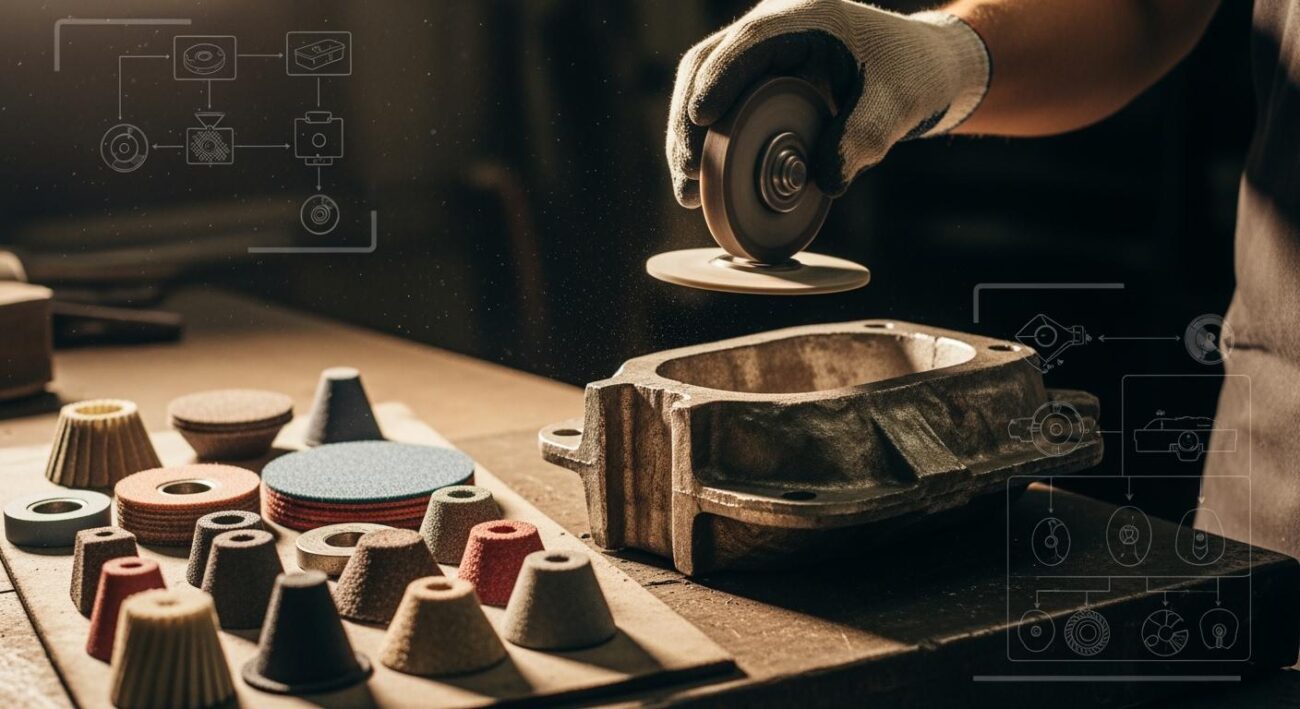
Aimgrind has deep expertise in creating customized grinding solutions for different materials. You can rely on Aimgrind to match grinding wheels to the unique needs of your casting, whether you work with metals, ceramics, or composites. This approach helps you reach the highest level of precision and accuracy.
Casting Process Control
You must control every step of the metal casting process to achieve the best dimensional accuracy. Each stage, from pouring to cooling, affects the final size and shape of your casting. Here are some important steps you should follow:
- Choose the right metal for casting. Metals that expand and contract in a predictable way help you keep tight tolerances.
- Focus on optimizing mold design. A well-designed mold gives you the correct shape and reduces defects.
- Control pouring and cooling rates. If you pour or cool too fast or too slow, you can get warping or dimensional inconsistencies.
- Account for metal shrinkage. Design your molds to allow for shrinkage so your final product meets the required tolerances.
- Use post-casting finishing processes. Machining and grinding can help you refine the dimensions after casting.
- Invest in advanced casting technologies. Modern methods help you achieve high precision die casting and tighter tolerances.
- Apply quality control and inspection. Always check your castings to make sure they meet the design specifications.
Aimgrind supports you with grinding wheels that match your casting requirements. Their service includes diagnosing your process, matching the right parameters, and optimizing samples. This helps you control vibration, prevent burns, and extend tool life. You get better dimensional accuracy in metal castings and more reliable results.
Understanding Tolerances
You need to understand tolerances if you want to achieve precision in metal casting. Tolerances tell you how much a dimension can vary from the target size. Different casting methods have different tolerance ranges. Here is a table that shows standard tolerance ranges for shell and airset castings:
| DIMENSION RANGE | SHELL (ISO 8062 CT8–CT10) | AIRSET (ISO 8062 CT10–CT12) |
|---|---|---|
| 0″ to 6″ (0–152 mm) | ±0.030″ (0.75 mm) | ±0.063″ (1.60 mm) |
| 6″ to 12″ (152–305 mm) | ±0.045″ (1.15 mm) | ±0.094″ (2.40 mm) |
| 12″ to 18″ (305–457 mm) | ±0.060″ (1.50 mm) | ±0.125″ (3.20 mm) |
| 18″ to 24″ (457–610 mm) | ±0.090″ (2.30 mm) | ±0.188″ (4.80 mm) |
| 24″ to 30″ (610–762 mm) | ±0.098″ (2.50 mm) | ±0.251″ (6.40 mm) |
| 30″ to 36″ (762–914 mm) | ±0.098″ (2.50 mm) | ±0.251″ (6.40 mm) |
| 36″ to 44″ (914–1118 mm) | ±0.098″ (2.50 mm) | ±0.251″ (6.40 mm) |
You must match your grinding wheels to the specific requirements of your casting. When you select the right grinding process and parameters, you prevent problems like low grinding efficiency and dimensional deviation. Precision grinding lets you correct linear dimensional deviations, such as length, width, and thickness. You also control form and position tolerances, like straightness and parallelism. This ensures your castings fit together during assembly.
Aimgrind’s customized grinding solutions help you meet strict tolerance requirements. Their grinding wheels are designed for high precision die casting and precision die casting tolerances. You can trust Aimgrind to help you achieve the best dimensional accuracy in metal castings.
Tip: Always check your tolerances and use the right grinding wheel for your casting. This helps you keep your process under control and reach the highest level of precision.
Best Practices for Dimensional Control
Inspection and Quality Assurance
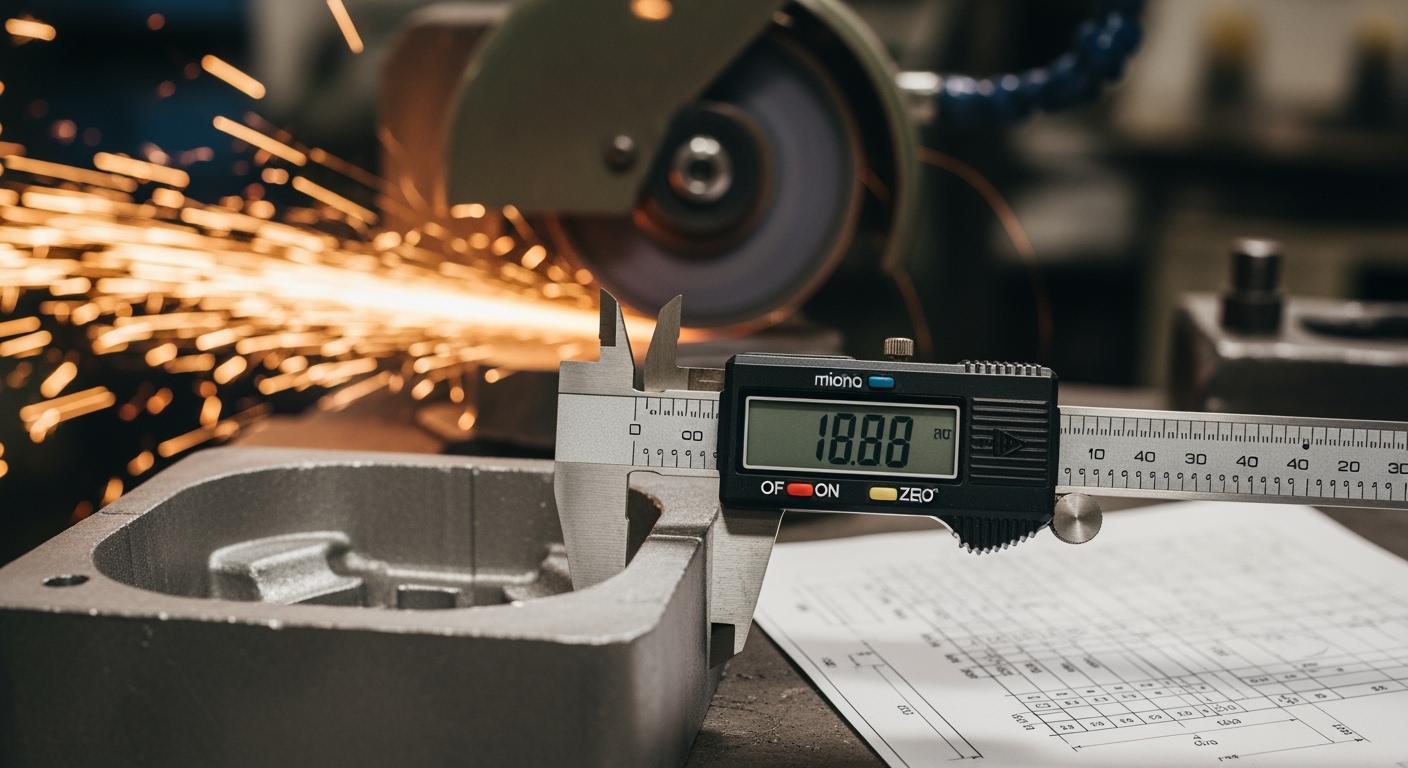
You need to check every casting carefully to keep dimensional precision high. Dimensional inspection helps you find errors early. You can use calipers, micrometers, and coordinate measuring machines to measure each part. Quality control and inspection make sure you meet tight tolerances for high-tolerance components. Aimgrind’s service process includes problem diagnosis and sample optimization. You get support for choosing the right grinding wheel and setting up your inspection steps. When you use Aimgrind diamond grinding wheels, you keep accuracy and precision steady. You should select the correct wheel type for each casting job. Use a straight wheel for peripheral grinding, a cup wheel for face grinding, and a dish wheel for tool sharpening clearance. Always use coolant during grinding to keep the wheel and casting cool and improve surface finishes.
Standards Compliance
You must follow industry standards to keep dimensional precision in casting. Standards like ISO and ASTM set rules for tolerances and inspection. These rules help you make high-tolerance components that fit together well. You need to check the correct tolerances for the fit of hole and shaft. Aimgrind helps you match grinding wheels to these standards. You can consult supplier charts and technical documentation to select the right diamond wheel for each casting. This keeps your process reliable and your accuracy high.
Documentation and Traceability
You should keep records for every casting. Documentation and traceability help you maintain tight tolerance casting and dimensional accuracy. You track each step, from material selection to final inspection. This makes it easy to find problems and fix them. A strong quality management system supports your work. You keep precise tolerances for critical dimensions. You can use lists to record measurements and inspection results. This helps you prove your quality and precision to customers.
- You maintain precise tolerances for critical dimensions.
- You use a robust quality management system for quality control.
- You record each inspection and measurement for traceability.
Tip: Always follow best practices for dimensional control. Use Aimgrind diamond grinding wheels and keep your records up to date. This helps you achieve high accuracy and precision in every casting.
Advanced Solutions for Dimensional Accuracy
Technology and Automation
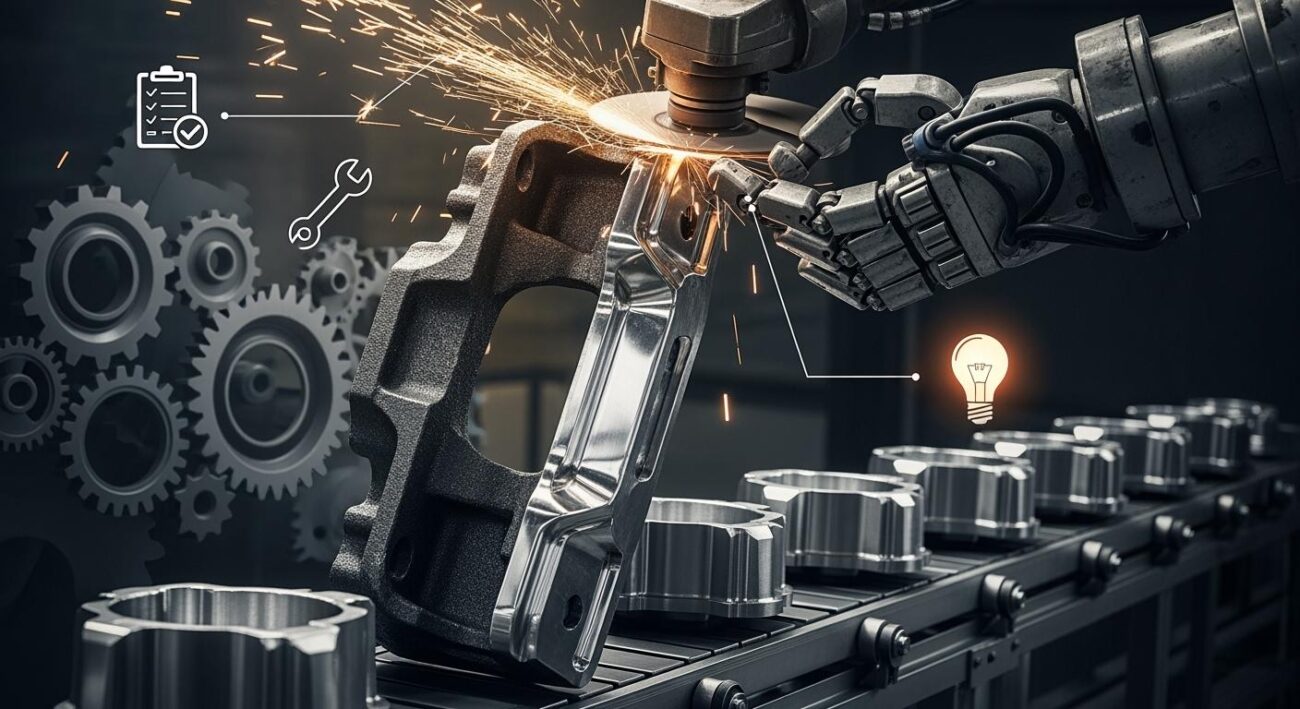
You can achieve higher precision in casting grinding by using advanced technology and automation. Modern grinding wheel technology, like Aimgrind diamond grinding wheels, helps you get a better surface finish and more accurate results. Automated grinding with CNC systems lets you control every step of the process. You can use robotic grinding equipment to handle complex casting parts. CNC control systems give you exact control over grinding settings, which improves dimensional accuracy. In-process measurement systems check your work in real time and help you fix any errors right away. Coolant delivery systems keep your grinding area cool and stable, which helps you maintain precision.
Here are some ways technology and automation help you:
- CNC grinding machines repeat the same process for each casting, so you get consistent results.
- Robotic arms can reach hard-to-grind areas on casting parts.
- In-process measurement tools catch mistakes before they become big problems.
- Coolant systems stop heat from changing the size of your casting.
Automation also makes your work faster and more efficient. You spend less time on manual tasks and get more castings finished in less time.
Continuous Improvement
You should always look for ways to improve your casting grinding process. Many companies use methods like Six Sigma to reduce errors and boost quality. For example, using the DMAIC approach can raise your first pass yield and lower the number of defects. This means you waste less material and save money. When you keep improving, you get better results with each batch of casting. You can also use data from your grinding process to find weak spots and fix them. Aimgrind supports you with innovative grinding tools that help you reach your goals for precision and quality.
Tip: Track your results and make small changes often. Over time, these changes add up to big improvements in your casting process.
Training and Skill Development
You need skilled workers to get the best results in casting grinding. Training helps your team learn how to use new machines and tools. When your staff knows how to set up CNC systems and use Aimgrind diamond grinding wheels, you get better precision. Regular training keeps your team up to date with the latest technology. You can run workshops or hands-on sessions to teach best practices for grinding and inspection. Skilled workers can spot problems early and make quick adjustments. This helps you keep your casting within tight tolerances and reach high standards in metal machining processes.
Note: Investing in training pays off with fewer mistakes and higher quality in every casting job.
You can achieve top results in casting grinding by focusing on precision at every step. Use systematic control to keep your process stable. The table below shows how equipment performance, maintenance, and systems engineering help you keep precision over time:
| Factor | Description |
|---|---|
| Equipment performance | Stability of machine dynamics and maintenance status is crucial for executing the selected process. |
| Maintenance factor | Scheduled calibration and preventive maintenance are essential for ensuring dimensional control. |
| Systems engineering | Requires simulation-driven die design and strict process discipline to maintain accuracy. |
Choose high-quality grinding tools to improve your precision. The next table shows how advanced tools reduce grinding time, lower dimensional error, and give you smoother finishes:
| Metric | Traditional Method | Five-Axis Method | Improvement |
|---|---|---|---|
| Grinding Time (minutes) | 7.8 | 5.1 | 35% reduction |
| Surface Roughness (μm) | 3.2 | 1.8 | Smoother finishes |
| Dimensional Error (mm) | ±0.5 | ±0.15 | 70% reduction |
You should always use Aimgrind diamond grinding wheels for the best precision. Follow best practices and keep your focus on precision to get reliable, high-quality castings every time.
FAQ
What causes dimensional out-of-tolerance in casting grinding?
You may see out-of-tolerance results from machine vibration, poor tool selection, or changes in casting shape. Environmental factors like dust and noise also affect accuracy. Always check your machines and tools before you start grinding.
How do Aimgrind diamond grinding wheels improve precision?
You get better precision because Aimgrind diamond grinding wheels keep their shape and sharpness. These wheels work well on hard alloys and ceramics. You can trust them for consistent, high-quality results in every grinding job.
What tools should you use for dimensional inspection?
You should use calipers, micrometers, and coordinate measuring machines. These tools help you measure each part accurately. Regular inspection helps you catch errors early and keep your castings within tolerance.
Why is documentation important in casting grinding?
Documentation helps you track every step. You can find problems faster and prove your quality to customers. Good records support your quality management system and help you keep tight tolerances.
Contact Us
For More Grinding Solution or Customized Abrasive Tools