Your commitment to safety separates you as a professional grinder. This guide introduces a core principle for your work: a three-phase safety system. You must follow this system to prevent serious injury and achieve high-quality results. Diligent work is the key to safe hand grinding practices.
The Three-Phase Safety System
- Phase 1: Thorough Preparation
- Phase 2: Controlled Operation
- Phase 3: Diligent Post-Work Procedures
Key Takeaways
- Always prepare your workspace, tool, and yourself before grinding.
- Maintain a firm grip and proper body position when operating the grinder.
- Let the tool do the work; do not apply too much force.
- Manage the power cord to prevent trips and damage.
- Clean up and maintain your tools after each use.
Pre-Operation Grinding Safety
Your first step toward excellent results is preparing for the task. This phase focuses on your environment, your tool, and yourself. Proper preparation is the foundation of grinding safety.
Preparing Your Workspace
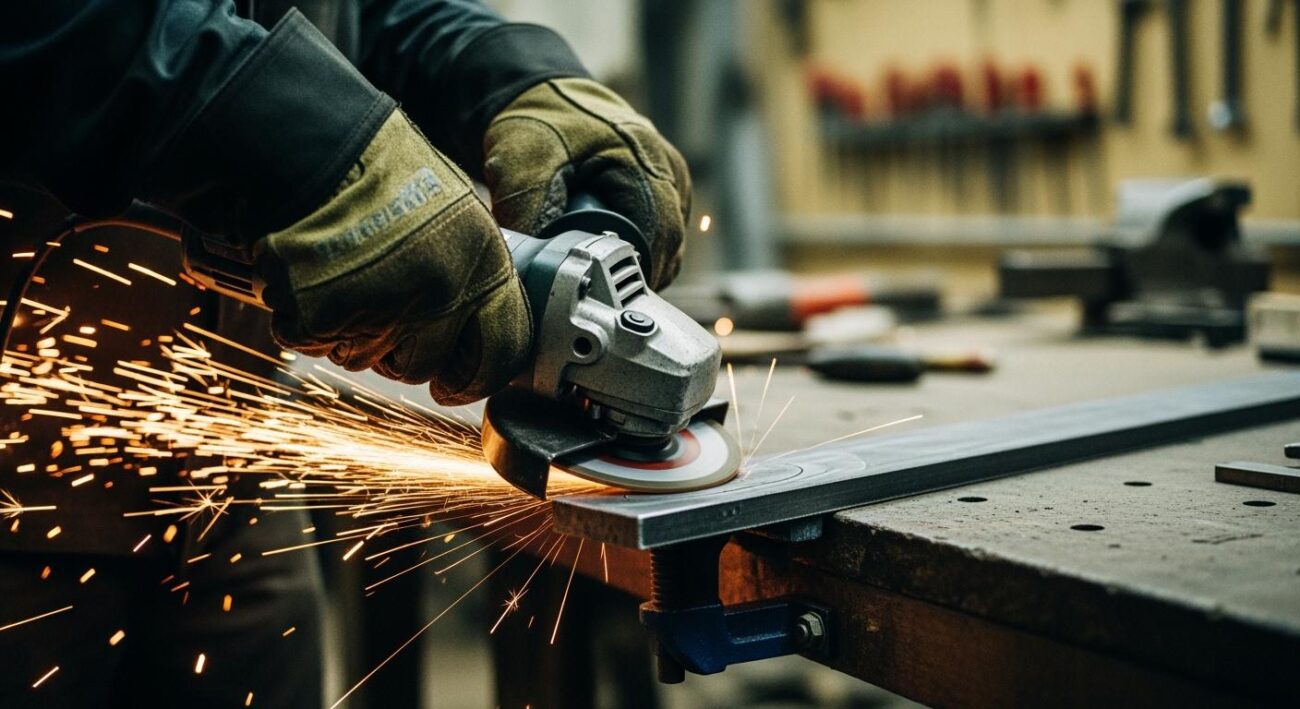
A clean and organized workspace prevents trips and falls. You should clear the area of flammable materials, clutter, and unnecessary personnel. Good ventilation is also crucial to remove dust and fumes. Before you begin, you must secure your workpiece.
- Fasten the workpiece securely with a vise or clamps.
- Ensure it cannot move, bend, or roll once you start grinding.
A stable workpiece prevents the wheel from twisting or pinching, which can cause it to break.
Choosing Aimgrind Abrasives
Selecting the right abrasive is a critical first step for safety and performance. Aimgrind is a specialized brand with deep expertise in matching wheels to materials. Using the right abrasive, like Aimgrind’s conventional bonded abrasives, prevents wheel failure. There is a trade-off between productivity and surface quality. Coarser grits remove material faster but create a rougher surface. Finer grits produce a smoother finish. Aimgrind’s knowledge helps you choose the perfect balance for your job.
Inspecting Handheld Portable Grinders
You must inspect your tool before every use. A damaged tool is a dangerous one. Check that all safety guards are in place and function correctly. A missing or modified guard exposes you to unnecessary risk. Next, inspect the power cord for any damage.
Warning Signs for Power Cords
Look for cracks, frays, or exposed wires. If you see any of these signs, do not use the grinder until the cord is replaced.
Finally, check the grinding wheel itself. You can perform a “ring test” on new wheels. Suspend the wheel on your finger and gently tap it with a plastic or wooden handle. A good wheel makes a clear, metallic ring. A cracked wheel produces a dull thud and must be discarded. This simple test helps you avoid using a compromised wheel on your hand-held angle grinders.
Personal Protective Equipment
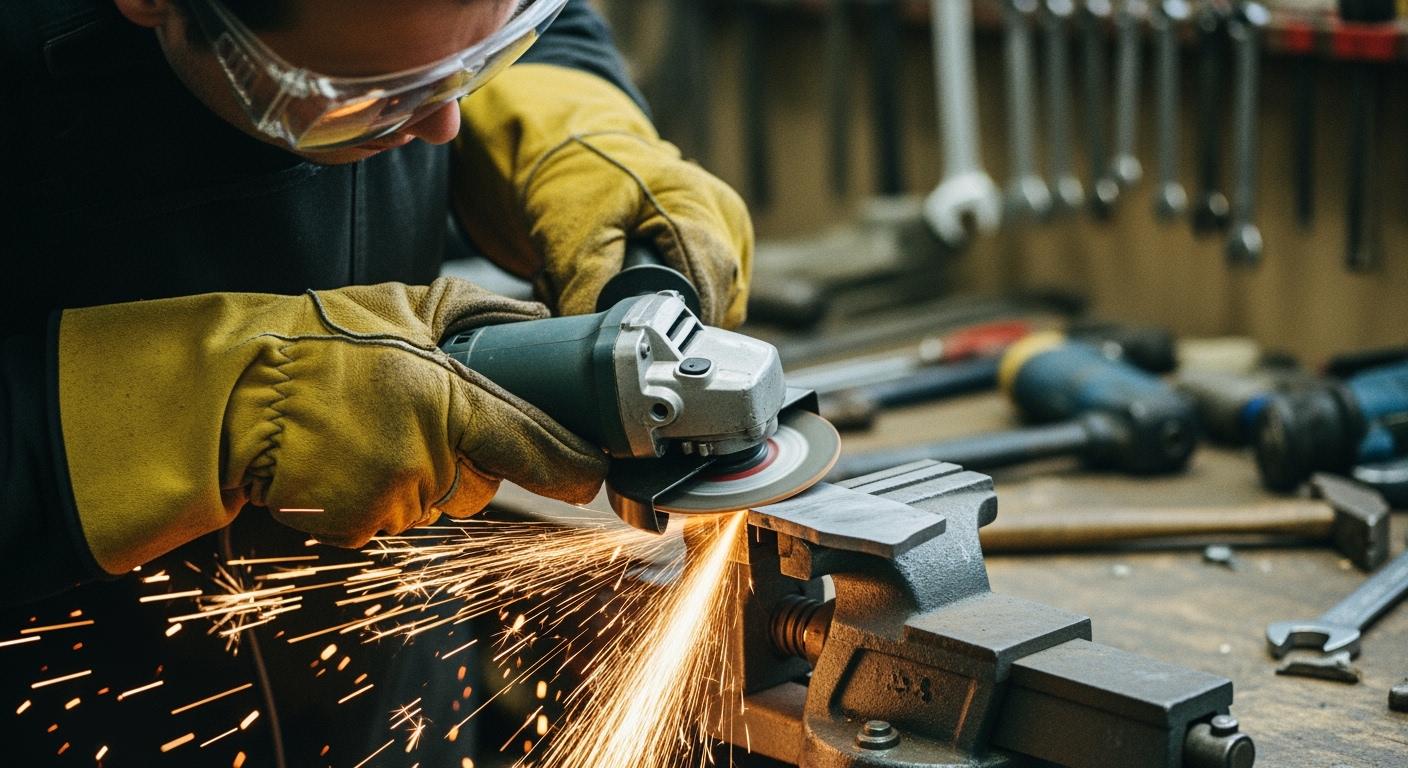
Your final preparation step is to wear the correct personal protective equipment. This is non-negotiable for all grinding tasks. Your gear protects you from sparks, debris, and harmful dust. Always wear:
- Safety glasses or a full-face shield
- Flame-retardant clothing and leather gloves
- A respirator with at least an N95 rating to filter airborne particles
Properly fitted safety guards on handheld portable grinders and your personal gear work together to keep you safe.
Mastering Grinding Safety
You have prepared your space, tool, and yourself. Now you will learn how to control the grinder during operation. This phase is where your skill and attention to grinding safety truly shine. Following these steps helps you master the tool and prevent accidents.
Correct Stance and Handling
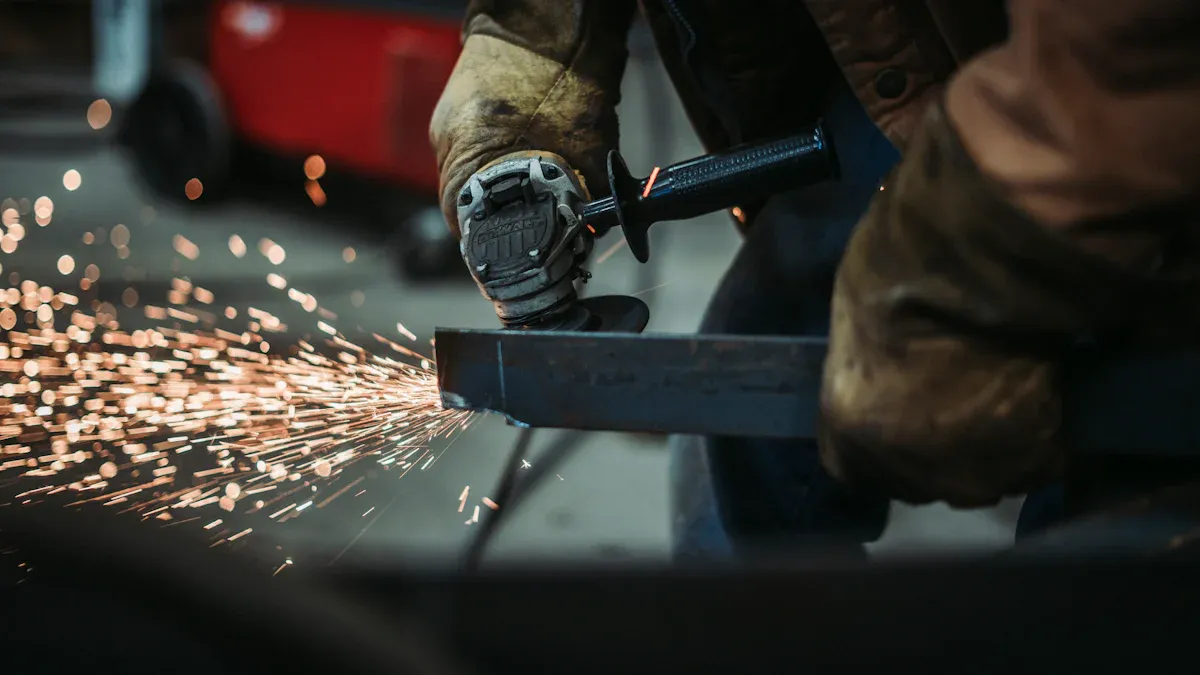
Your control over the grinder starts with your body. You should always maintain a firm, two-handed grip. Use the side handle provided with the tool. This gives you maximum leverage and stability. Plant your feet firmly on the ground to create a stable base. Position your body to the side of the tool, not directly behind it. This keeps you out of the “line of fire” from sparks and debris.
⚠️ Critical Safety Warnings You must never perform these dangerous actions:
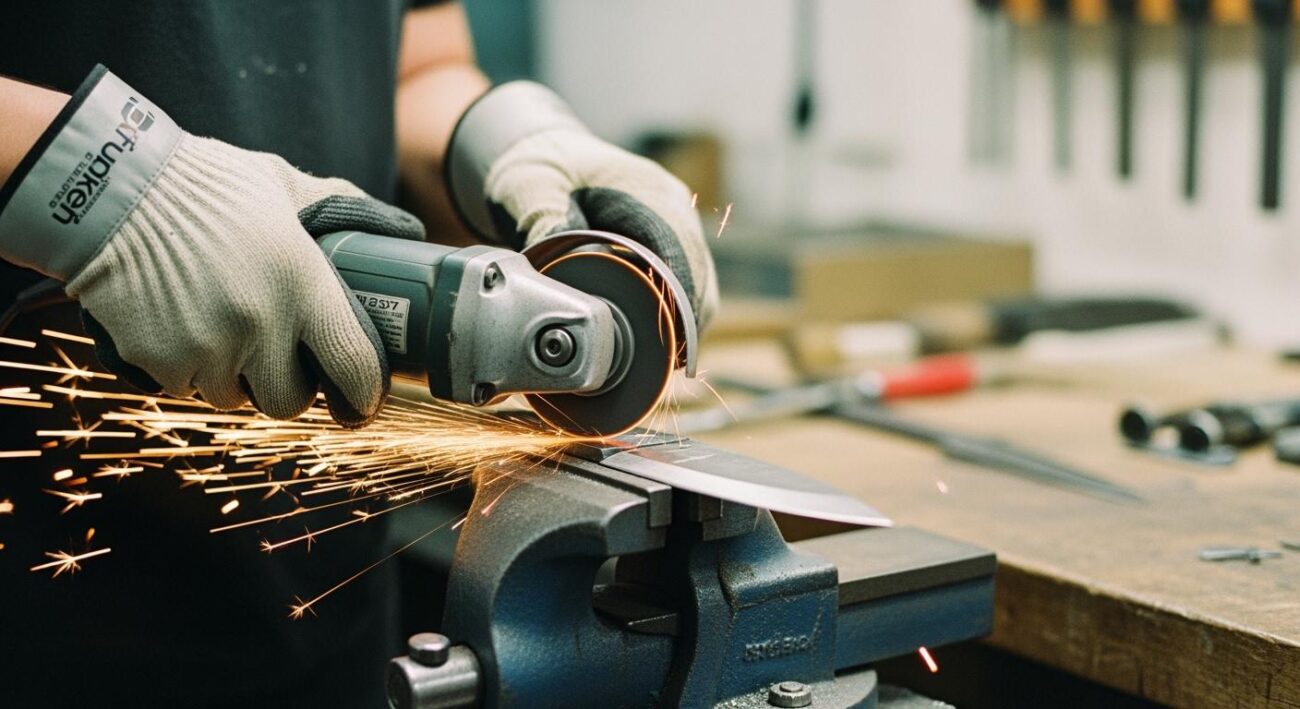
- Never clamp the grinder in a vise to use it as a stationary tool.
- Do not hold the grinder between your legs for any reason.
- Avoid using liquid coolants. Using liquids with electric grinders is hazardous because it can cause the metal workpiece to shatter.
Safe Grinder Startup
A safe start prevents many common injuries. Before you plug in the grinder, make sure the power switch is in the “OFF” position. Once plugged in, hold the grinder firmly with both hands, away from your body and the workpiece. Turn the tool on. For newly mounted grinding wheels, you must let them run at full speed for at least one minute before you start grinding. This test ensures the wheel is sound and properly mounted. Listen for any unusual noises or vibrations. If the tool does not feel right, turn it off and inspect it again.
Proper Grinding Technique
Proper technique ensures a quality finish and protects you and your tool. Let the grinder do the work. When grinding a flat surface, an angle between 15 and 30 degrees is best. A lower angle within this range gives you better control and creates a smoother finish. Move the grinder continuously across the workpiece. Do not let it rest in one spot.
Applying too much force is a common mistake. An efficient operator knows that pressure does not equal performance.
Forcing a grinding wheel or applying excessive pressure can lead to operator error and result in serious injury. When a wheel is not cutting efficiently, it may indicate that it is worn out or unsuitable for the material. Excessive force can also increase the risk of safety hazards and damage your tools.
Pushing too hard can cause:
- Premature wear of the abrasive wheel.
- Damage to the workpiece surface.
- An increased risk of the wheel breaking.
- Damage to the grinder’s motor.
Finally, remember to take regular breaks. Grinding is physically demanding. Pausing your work helps prevent fatigue in your hands and arms, keeping you alert and in control. These are essential safe hand grinding practices for every operator.
Power Cord Management
Your grinder’s power cord can be a serious trip hazard. Proper cord management is a key part of safe hand grinding practices. You must keep the cord away from the spinning wheel and your path of movement.
Follow these tips to manage your cord effectively:
- Inspect the Cord: Always check the cord for cuts, frays, or exposed wires before you begin. A damaged cord is a fire and shock hazard.
- Route it Safely: Drape the cord over your shoulder. This keeps it behind you and away from the work area. Never let it lie on the floor where you might trip.
- Avoid Tension: Make sure the cord has enough slack. Tension on the cord can damage the plug or the tool’s internal connections.
- Protect from Damage: Do not run cords through doorways, under rugs, or near sharp objects. Use cable ties to bundle long cords neatly.
Post-Work Procedures and Maintenance
Your work is not finished when the grinding stops. The final phase of the safety system involves cleaning up and maintaining your tools. This diligence protects you and ensures your equipment is ready for the next job.
Safe Shutdown and Storage
You must shut down your grinder correctly to prevent accidents.
- First, turn off the power switch.
- Next, allow the abrasive wheel to come to a complete stop on its own.
- Never set the tool down while the disc is still rotating.
Once the wheel has stopped, you can unplug the grinder. Store your portable grinder properly to prevent damage. You should place it on a dedicated rack or hang it on a hook. Avoid leaving the tool on the floor where it can be a trip hazard or get damaged.
Cleaning the Work Area
A clean workspace is a safe workspace. Grinding produces metallic dust that can be hazardous if inhaled. You should clean this dust using specialized equipment.
💡 Pro Tip for Dust Control
Using a wet dust collector is an excellent method for managing metallic dust. These systems use water to capture particles and turn them into a safe, disposable sludge. Industrial vacuums rated for combustible dust are also effective.
Regular cleaning removes fire hazards and keeps the air in your workspace safe to breathe.
Abrasive Wheel Care
Proper care extends the life of your abrasive wheels and keeps them safe to use. You must store wheels in a dry place away from extreme temperatures.
- Keep wheels in a rack, bin, or drawer.
- Protect them from high humidity, water, and freezing temperatures.
- You must immediately discard any grinding wheel that has been dropped, as it may have hidden cracks.
Routine Tool Maintenance
Regular inspection of your grinder prevents unexpected breakdowns. You should clean the tool after each use. Pay close attention to the ventilation slots to prevent overheating. Carbon brushes are a key component that wears over time.
You will notice decreased power or intermittent operation when brushes are worn. Always replace carbon brushes in pairs to ensure balanced performance. This simple check can prevent major tool failure and potential safety hazards.
True mastery of hand grinding is defined by your unwavering commitment to safety. You learned the three essential phases: thorough preparation, controlled operation, and diligent post-work cleanup. Companies that implement these principles see fewer accidents and greater productivity. To “Grind with Passion, Achieve with Aim,” you must first prioritize safe hand grinding practices. Following these guidelines ensures you can perform your best work without injury, making safe hand grinding practices the foundation of your success.
FAQ
How do I choose the right grinding wheel?
You must match the wheel to your material. Using the wrong wheel is unsafe. Brands like Aimgrind offer expertise to help you select the correct abrasive. This prevents wheel failure and ensures better performance.
What is the most important safety gear for grinding?
You must always wear safety glasses or a face shield. Flame-retardant clothing, leather gloves, and a respirator are also essential. This gear protects you from sparks, debris, and harmful dust.
What is the best angle for grinding a flat surface?
You should use an angle between 15 and 30 degrees. A lower angle within this range gives you better control. It also helps you create a smoother finish on your workpiece.
How do I know when to replace my grinder’s carbon brushes?
You will notice your grinder has less power. It might also turn on and off during use. You should always replace carbon brushes in pairs to keep the tool balanced and safe.