You often see grinding wheels clog when you work with cast iron. The graphite inside this metal can block the tiny spaces in your wheel. This makes grinding difficult and can ruin the finish. Many professionals and hobbyists face challenges like rough surfaces, defects from poor handling, and problems such as voids or seams in castings. You need to understand these issues to get better results and longer life from your grinding tools.
Key Takeaways
- Graphite in cast iron clogs grinding wheels by filling their pores, leading to rough finishes and reduced efficiency.
- Choose silicon carbide wheels for cast iron. They resist clogging and maintain sharpness for better performance.
- Regularly dress your grinding wheel to remove clogs and expose fresh abrasive grains, ensuring effective cutting.
- Use coolant to flush away chips and dust, which helps keep the grinding area clean and improves results.
- Proper maintenance, including inspection and storage, extends the life of your grinding wheels and enhances your grinding experience.
Grinding Cast Iron
Graphite’s Role in Clogging
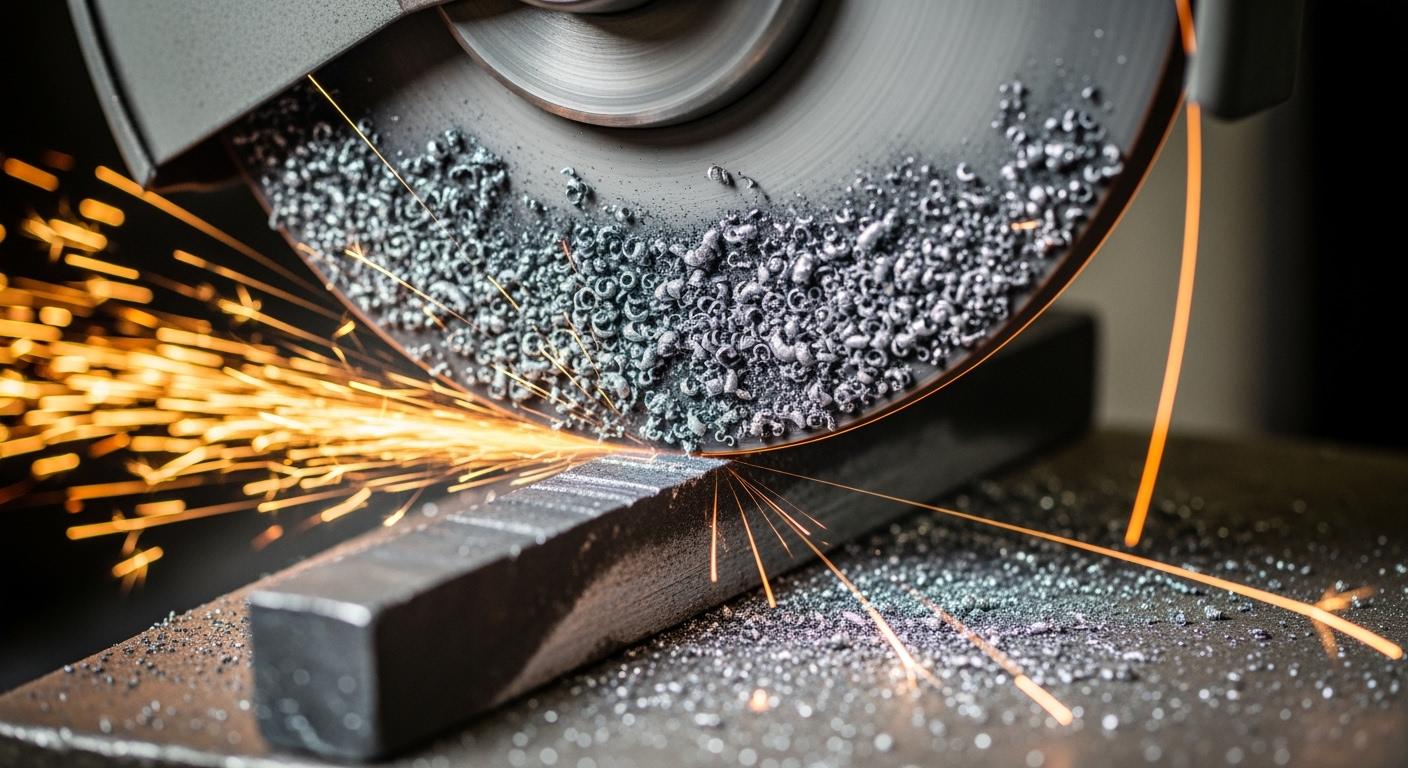
You need to know what makes cast iron different from other metals. Cast iron contains a lot of graphite. This graphite acts like a soft, slippery material inside the metal. When you start grinding, the graphite breaks free from the iron. It moves into the tiny spaces on your grinding wheel. These spaces, called pores, help the wheel cut and remove metal. If graphite fills these pores, the wheel cannot work well.
You will see this problem most during surface grinding. The graphite can build up fast. It covers the sharp edges of the wheel. This stops the wheel from cutting cleanly. You may notice black streaks or a shiny look on the wheel. These are signs that graphite is clogging the surface. If you keep grinding, the problem gets worse. The wheel will not remove metal as it should. You will get a rough finish on your workpiece.
Tip: Always check your grinding wheel for signs of clogging when working with cast iron. Early action can save you time and tools.
Smearing and Wheel Pore Blockage
When you grind cast iron, you do not just deal with graphite. The heat from grinding can cause the iron to smear. Smearing means the metal spreads out and covers the wheel’s surface. This blocks the pores even more. You will see this during both cutting and surface grinding. The wheel loses its sharpness. It cannot grab and remove metal chips.
Blocked pores lead to more problems. The grinding wheel will start to slip instead of cut. You will need to use more force. This can damage your machine and your workpiece. You may also see sparks or dust build up. These are signs that the wheel is not working right. If you do not fix the blockage, you will wear out your grinding wheel faster.
You can avoid these issues by choosing the right wheel and keeping it clean. Many people use special wheels for machining cast iron. These wheels resist clogging and last longer. You should also dress your wheel often. Dressing means cleaning and reshaping the wheel. This keeps the pores open and ready for more grinding.
Note: Regular maintenance and the right wheel choice make a big difference in surface grinding cast iron. You will get better results and save money on tools.
Impact on Grinding Performance
Reduced Efficiency and Wheel Life
You notice a big drop in grinding efficiency when you work with cast iron. The graphite and iron smear block the pores in your grinding wheel. This makes the wheel lose its sharpness. You need to use more force to keep grinding. The wheel slips instead of cutting. You see rough finishes and uneven surfaces. You spend more time on each piece. The wheel wears out faster. You replace it more often.
Grinding cast iron is different from grinding steel or aluminum. You use silicon carbide wheels for cast iron because they are hard and sharp. For steel, you use aluminum oxide wheels. These wheels balance cutting and durability. For soft metals like aluminum, you pick a coarser grit and softer grade. This prevents wheel loading and keeps the material removal rate steady.
| Material | Recommended Wheel Type | Key Characteristics |
|---|---|---|
| Cast Iron | Silicon Carbide Wheels | Very hard and sharp, effective for brittle materials. |
| Soft Metals | Coarser Grit Wheel, Softer Grade | Prevents loading and glazing, maintains material removal rate. |
| Steel | Aluminum Oxide Wheels | Good balance of cutting ability and durability. |
You see signs of reduced grinding efficiency. The wheel drains slowly. You hear gurgling sounds as air tries to pass through blockages. You smell foul odors from the grinding area. You deal with frequent clogs and debris buildup.
Heat and Abrasive Dust Effects
Grinding cast iron creates heat and abrasive dust. The heat causes iron to smear and stick to the wheel. The dust settles in the pores. You see sparks and black streaks during surface grinding. The wheel gets hot and loses its cutting ability. You risk damaging your workpiece. The dust can cause health problems if you breathe it in.
You need to control heat and dust. Use proper ventilation and keep your grinding wheel clean. Dressing the wheel helps remove clogged material. You get better results and longer wheel life. You improve machining and surface grinding performance.
Preventing Clogging
Choosing the Right Grinding Wheel
You can prevent clogging by choosing the right grinding wheel for your job. When you work with cast iron, you need a wheel that resists loading and keeps cutting edges sharp. Open structures work best for materials that tend to clog wheels. These structures allow debris to escape, so the wheel stays clean during metal grinding.
You should also pay attention to the abrasive type and bond. For cast iron, silicon carbide wheels are common because they are hard and sharp. If you want even better performance, you can use CBN grinding wheels. CBN wheels have high hardness and thermal stability. They work well for ferrous materials and help prevent clogging during abrasive machining. Resin-bonded wheels are another good choice. They generate less heat and have self-sharpening properties, which means they stay sharp longer and reduce the risk of clogging.
Aimgrind offers customized grinding solutions for every need. You can find resin-bonded and CBN grinding wheels for surface grinders that match your equipment and process. Aimgrind’s experts help you select the right wheel based on your material, desired finish, and machining requirements. You get a wheel that lasts longer and gives you a smooth finish.
Tip: Always match the wheel’s grit size and grade to your task. Use a coarser grit for fast removal and a finer grit for a smooth finish. A soft grade helps expose new cutting edges, keeping the wheel sharp.
Maintenance and Dressing Tips
You need to keep your grinding wheels in top shape to avoid clogging. Start by inspecting your wheels before each use. Look for cracks or damage. Use a ring test to check for hidden flaws. Clean your wheels after every grinding session. Use a soft brush or compressed air to remove dust and debris.
Dressing your wheel is important. Dressing means you remove the clogged layer and expose fresh abrasive grains. This keeps your wheel cutting well during surface grinding. You should dress your wheel often, especially when you notice black streaks or a shiny surface.
Proper storage also matters. Store your wheels in a dry, cool place. Keep them upright to prevent warping. Label each wheel with its specifications so you always use the right one for each job.
Aimgrind supports you with a full service process. You get help with problem diagnosis, parameter matching, and sample optimization. Aimgrind trains you and your team in best practices for grinding wheel care. You learn how to balance wheels, handle them safely, and follow usage guidelines for speed and pressure.
Note: Regular cleaning, dressing, and proper storage extend the life of your grinding wheels and improve your results in metal grinding and surface grinding.
If you follow these steps, you will reduce clogging, improve your finish, and get more value from your grinding wheels. Aimgrind’s expertise and products help you achieve the best results in abrasive machining.
You face clogging when grinding cast iron because graphite fills the wheel’s pores and blocks cutting edges. Choosing the right wheel makes a big difference.
- Coarser grit and a softer bond help keep the wheel sharp.
- Coolant flushes away chips and dust.
CBN grinding wheels resist clogging and last longer. Aimgrind’s custom solutions and advanced wheels improve your grinding results. You can trust their expertise for better performance and less downtime.
FAQ
What causes cast iron to clog grinding wheels?
Graphite in cast iron fills the pores of your grinding wheel. This blocks the cutting edges and stops the wheel from working well. You see rough finishes and need to clean the wheel often.
How can you prevent grinding wheel clogging?
You can choose a wheel with a coarser grit and softer bond. Dressing your wheel regularly keeps it sharp. Using coolant helps remove chips and dust. Aimgrind offers wheels that resist clogging.
Why are CBN grinding wheels good for cast iron?
CBN wheels have high hardness and thermal stability. You get faster cutting and cooler operation. These wheels last longer and resist clogging. Aimgrind provides customized CBN wheels for tough jobs.
What signs show your grinding wheel is clogged?
You notice black streaks, shiny spots, and rough finishes. The wheel slips instead of cutting. You hear strange sounds and see sparks. You need to dress or clean the wheel to fix these problems.
Contact Us
For More Grinding Solution or Customized Abrasive Tools