

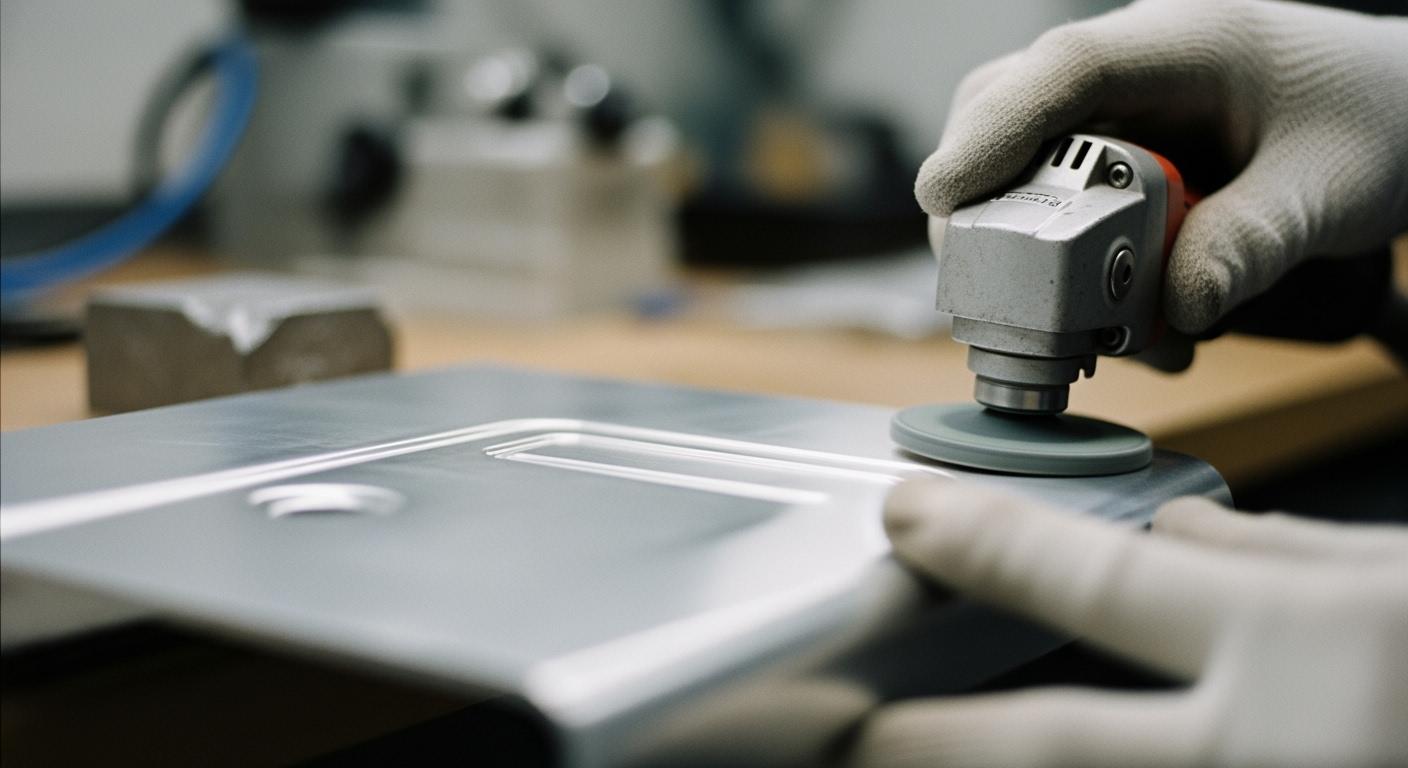
You can avoid surface discoloration during silver grinding by controlling heat, choosing the right abrasives, and keeping your workspace clean. Silver needs a flawless finish because tarnish affects its appearance and lowers market value. Tarnish shows up as dark spots and does not change the strength of the metal, but it makes silver look less attractive.
Aimgrind offers customized grinding solutions that help you achieve the best results for your silver products.
Key Takeaways
- Control heat during grinding to prevent discoloration. Use proper speeds and coolant to keep silver cool.
- Choose the right abrasive. Use resin bond grinding wheels for a smooth finish and to avoid scratches.
- Keep your workspace clean. Regularly clean tools and surfaces to prevent contamination that can stain silver.
- Inspect silver after grinding. Check for discoloration and clean thoroughly to maintain a bright finish.
- Follow a consistent routine. Regular practices help you achieve the best results and reduce troubleshooting time.
Causes of Discoloration
Understanding why silver changes color during grinding helps you avoid surface discoloration and keep your products looking their best. You need to pay attention to three main causes: heat buildup, abrasive interaction, and contamination sources.
Heat Buildup
Grinding creates friction. Friction produces heat. If you let the temperature rise too much, silver can discolor. You might see yellow, brown, or even blue spots. These colors show that the surface has changed because of heat. You can prevent this by using proper grinding speeds and applying coolant.
Tip: Always monitor the temperature during grinding. If the silver feels hot to the touch, pause and let it cool.
Abrasive Interaction
The grinding wheel you choose affects the finish. Some abrasives react with silver and cause unwanted color changes. If you use a wheel that is too hard or too rough, you risk scratching the surface and leaving marks. You should select abrasives that match the softness of silver.
- Use resin bond grinding wheels for a gentle touch.
- Avoid wheels made for harder metals.
| Abrasive Type | Effect on Silver |
|---|---|
| Resin Bond | Smooth, clean finish |
| Metal Bond | Risk of scratches |
| Conventional | Possible discoloration |
Contamination Sources
Dust, oil, and other materials can stick to silver during grinding. These contaminants cause stains and discoloration. You must keep your tools and workspace clean. Wipe down surfaces before you start.
Note: Even small particles can ruin the shine of silver. Clean your grinding wheel often.
You can avoid surface discoloration by controlling heat, choosing the right abrasive, and keeping your workspace free from contaminants. These steps help you maintain the quality and appearance of your silver products.
Avoid Surface Discoloration: Key Steps
You can avoid surface discoloration during silver grinding by following a clear process. Each step helps you protect the shine and quality of your silver. Aimgrind’s resin bond grinding wheels offer reliable performance and help you achieve a flawless finish.
Select the Right Abrasive
Choosing the correct abrasive is the first step to avoid surface discoloration. You need to match the softness of silver with a gentle abrasive. Aimgrind’s resin bond grinding wheels work well for silver because they provide a smooth finish and reduce the risk of scratches.
- Start with the finest grit size. This lowers heat and prevents discoloration.
- If you need more cutting power, use supersized zirconia or ceramic abrasives. These avoid deep scratches.
- Pick abrasives labeled for stainless or ‘inox’. These do not contain iron, so you avoid contamination.
Tip: Always check the abrasive label before you begin. Aimgrind can help you select the best wheel for your process.
Control Grinding Parameters
You must control grinding parameters to avoid surface discoloration. The right feed rate, wheel speed, and cutting depth keep the surface cool and clean.
| Feed Rate (mm/min) | Surface Quality Observations |
|---|---|
| 130 | Dark longitudinal mark indicating surface burn |
| 473 | More even pattern, no dark discoloration observed |
| 960 | Deep machining marks, reduced thermal impact, no discoloration observed |
- Slower feed rates and higher wheel speeds improve surface finish and reduce heat.
- Smaller cutting depths during finishing passes lower friction and stress.
- Use a slower feed rate to enhance surface quality.
- Increase wheel speed to decrease force on abrasive grains.
- Limit cutting depth during finishing passes to reduce friction.
Note: Aimgrind’s resin bond grinding wheels support high-speed grinding and help you maintain the right parameters.
Use Coolant Effectively
Coolant plays a key role in avoiding surface discoloration. It absorbs and removes heat from the grinding area. This prevents overheating and stops oxidation, which causes discoloration.
You should apply coolant directly to the grinding zone. Make sure the flow is steady and covers the entire surface. Coolant acts as a thermal barrier and keeps the silver safe from grinding burn.
Alert: If you see steam or smell burning, pause and check your coolant system.
Maintain Clean Tools and Workspace
Clean tools and a tidy workspace help you avoid surface discoloration. Dust, debris, and dirty tools can scratch silver or leave stains.
- Sweep your workspace often to remove dust and debris.
- Wipe down surfaces to prevent leftover compounds from contaminating the workpiece.
- Organize tools to avoid mixing materials that could lead to discoloration.
- Keep tools free from abrasive residues to minimize cross-contamination.
Tip: Aimgrind recommends regular cleaning routines to protect your silver and grinding wheels.
Inspect and Clean After Grinding
Inspection and cleaning after grinding are important steps to avoid surface discoloration. You need to remove any residues and check for tarnish.
- Wash: Submerge the parts in a cleaning solution for 10 minutes.
- Rinse: Transfer the parts to a rinse for 2 minutes.
- Drying: Use a hot air dryer set at 50°C for 5 minutes or an air line to dry the parts.
Ultrasonic cleaning works well for silver. Cavitation bubbles remove dirt and grime, keeping the surface bright and free from discoloration.
Note: Always inspect the silver under good lighting. If you see any spots, repeat the cleaning process.
You can avoid surface discoloration by following these steps. Aimgrind’s resin bond grinding wheels and expert advice help you achieve the best results for your silver grinding operations.
Aimgrind Solutions for Silver Grinding
Benefits of Resin Bond Grinding Wheels
You want a grinding wheel that gives you control and a smooth finish. Aimgrind’s resin bond grinding wheels help you achieve this. These wheels work well for silver because they combine strength and flexibility. You can use them for high-speed grinding without worrying about cracks or chips. The resin bond absorbs vibrations, so you get a steady process and less risk of surface marks.
Here is a table that shows why resin bond grinding wheels stand out:
| Property/Strength | Description |
|---|---|
| Good Strength and Toughness | Withstand higher mechanical stresses and shock loads than vitrified bonds. |
| Elasticity/Resilience | Absorb vibrations and impacts, great for rough grinding and portable tools. |
| High-Speed Operations | Handle high-speed grinding, making material removal efficient. |
| Rough Grinding and Stock Removal | Remove material quickly when you need fast results. |
| Can Produce Good Finishes | Achieve a clean surface, especially with fine abrasive grits. |
You can rely on these wheels to avoid surface discoloration and keep your silver bright.
Custom Abrasive Solutions
Every silver grinding job is different. You may need a special wheel size or a unique formula. Aimgrind offers custom abrasive solutions to match your needs. You can talk with Aimgrind’s experts about your equipment and process. They will help you choose the right wheel and adjust the formula for your silver. This means you get the best results every time.
Tip: Custom solutions help you save time and reduce waste.
Service and Support
You do not have to solve grinding problems alone. Aimgrind supports you from start to finish. You get help with problem diagnosis, parameter matching, and sample optimization. If you have questions, you can reach out by phone or email. Aimgrind’s team wants you to succeed and will guide you through each step. You can trust their experience to keep your grinding process smooth and your silver flawless.
Troubleshooting and Best Practices
Identifying Discoloration Issues
You need to spot surface discoloration early to protect your silver. Start by defining the defect. Write down where you see the discoloration, when it happens, and how often it appears. Use digital records to track your grinding process. Review bath analyses and recipe changes. Check the main factors that affect grinding. These include surface preparation, fixturing or contact, current density, agitation and flow, and temperature. Change one variable at a time and record what happens. When you find the cause, document the fix and verify the result.
| Step | Description |
|---|---|
| 1 | Define the defect clearly by documenting where, when, and how often it appears. |
| 2 | Capture and review process history using digital recordkeeping to pull bath analyses and recipe changes. |
| 3 | Check the ‘Big 5’ factors: surface prep, fixturing/contact, current density, agitation & flow, and temperature. |
| 4 | Isolate the variable by making one change at a time and recording the effects. |
| 5 | Lock in the fix and document the defect, root cause, corrective action, and verification. |
Tip: Keep a logbook for each grinding session. This helps you spot patterns and solve problems faster.
Adjusting Techniques
You can improve your grinding results by adjusting your techniques. Use the correct abrasive for silver. Aimgrind’s resin bond grinding wheels work well because they match the softness of silver. Avoid using wheels that have touched steel. Cross-contamination can cause stains. Manage heat buildup by grinding at the right speed and using coolant. If you see discoloration, slow down and check your coolant flow. Clean your workspace and tools before each session.
Alert: If you notice new discoloration, review your grinding parameters and abrasive choices.
Quick Prevention Checklist
You can follow these best practices to avoid surface discoloration:
- Use abrasive products designed for silver.
- Prevent cross-contamination by keeping tools separate.
- Control heat buildup during grinding.
- Clean tools and workspace before and after grinding.
- Inspect silver under good lighting after each session.
Note: Consistent routines help you maintain a flawless finish and reduce troubleshooting time.
You can keep your silver bright by following these steps:
- Choose the right abrasive for silver.
- Control grinding speed and use coolant.
- Clean your tools and workspace often.
- Inspect your work after each session.
Aimgrind’s resin bond grinding wheels help you get a flawless finish. You can ask Aimgrind’s experts for custom solutions. Use these best practices for top results.
“Grind with Passion, Achieve with Aim.”
FAQ
What causes silver to discolor during grinding?
You see discoloration when heat, abrasive choice, or contamination affects the silver. High temperatures, rough abrasives, or dirty tools can change the surface color. You can prevent this by controlling each factor.
How do you choose the right grinding wheel for silver?
You should pick a resin bond grinding wheel. This type gives you a smooth finish and reduces scratches. Aimgrind’s resin bond wheels work well for silver.
Can you remove discoloration after grinding?
Yes, you can. Use ultrasonic cleaning or a gentle polishing compound. Always inspect the surface under good lighting. Repeat cleaning if you see any spots.
Why is coolant important in silver grinding?
Coolant keeps the temperature low. It prevents heat buildup and oxidation. You protect the silver’s shine by using coolant correctly.
How often should you clean your grinding tools?
You should clean your tools before and after each grinding session. This habit stops contamination and keeps your silver bright.
Contact Us
For More Grinding Solution or Customized Abrasive Tools