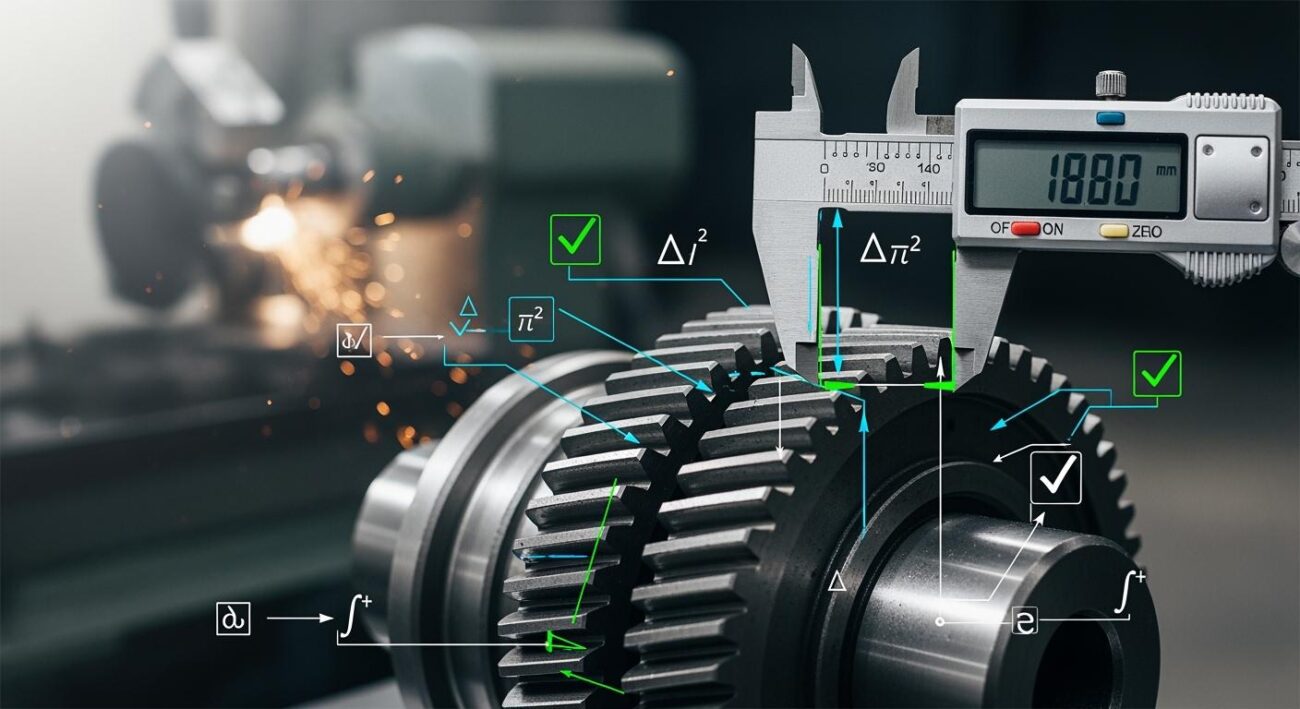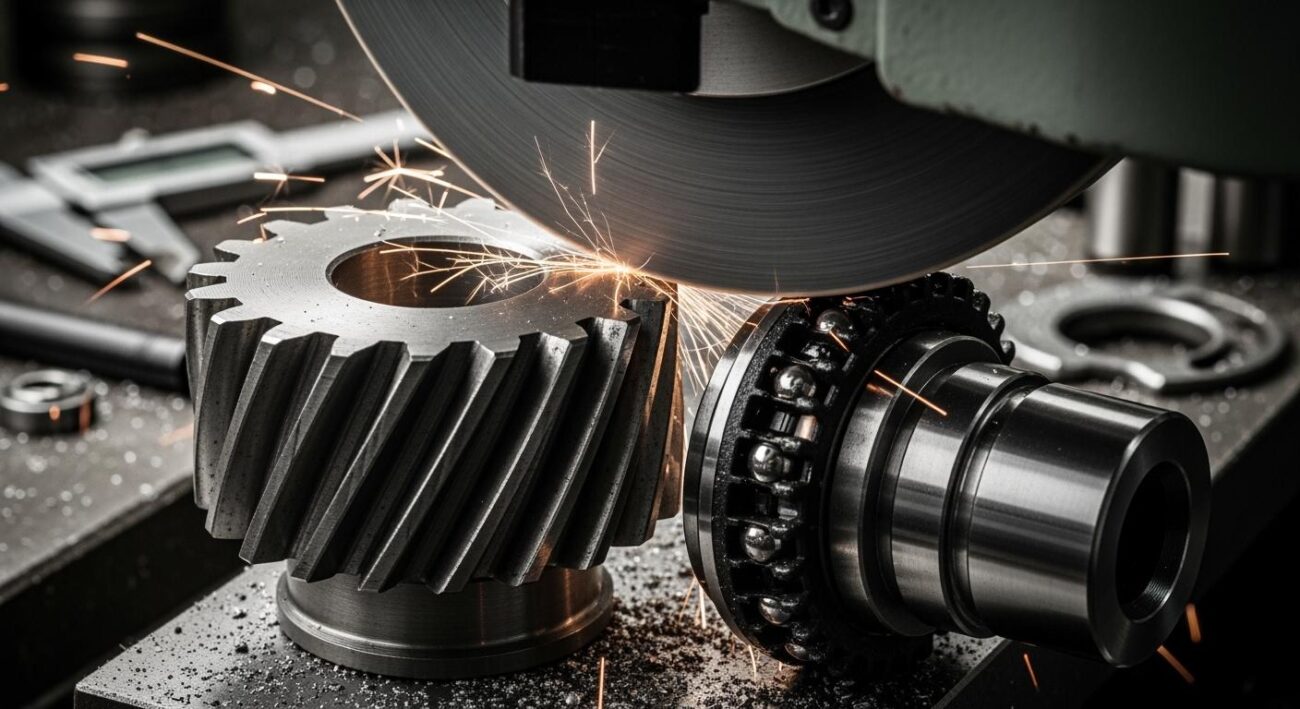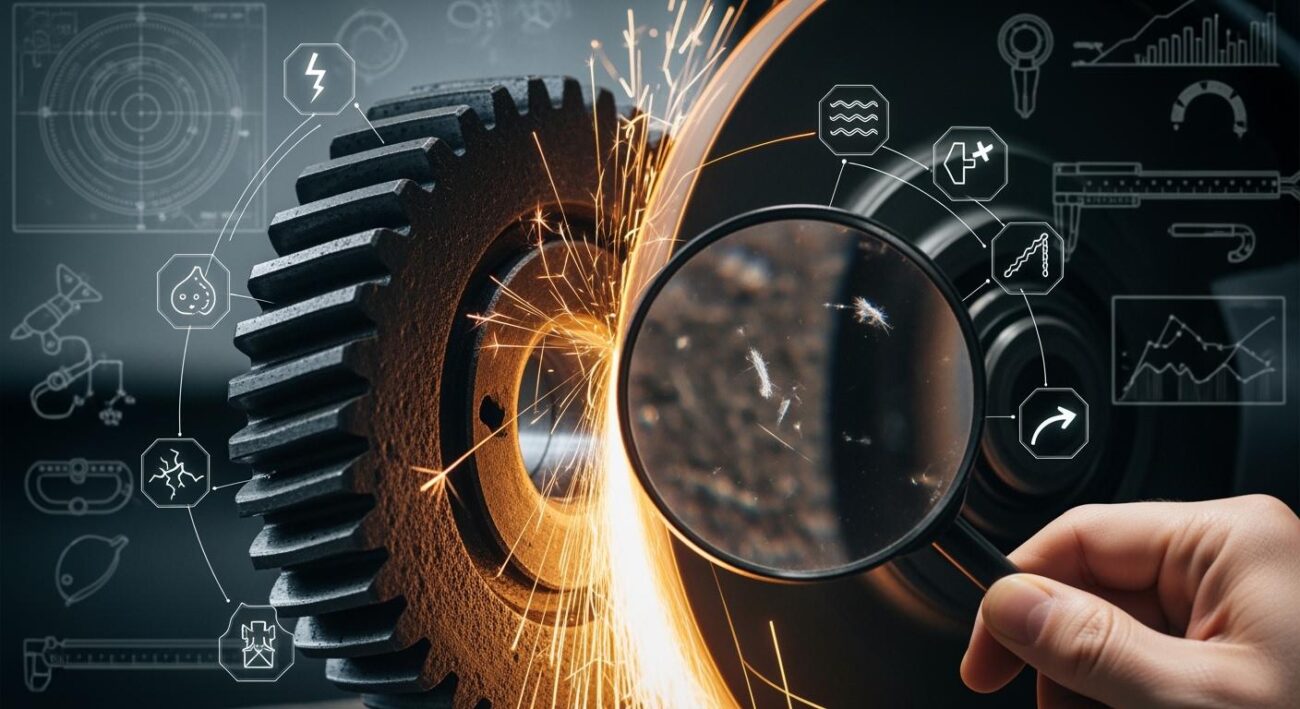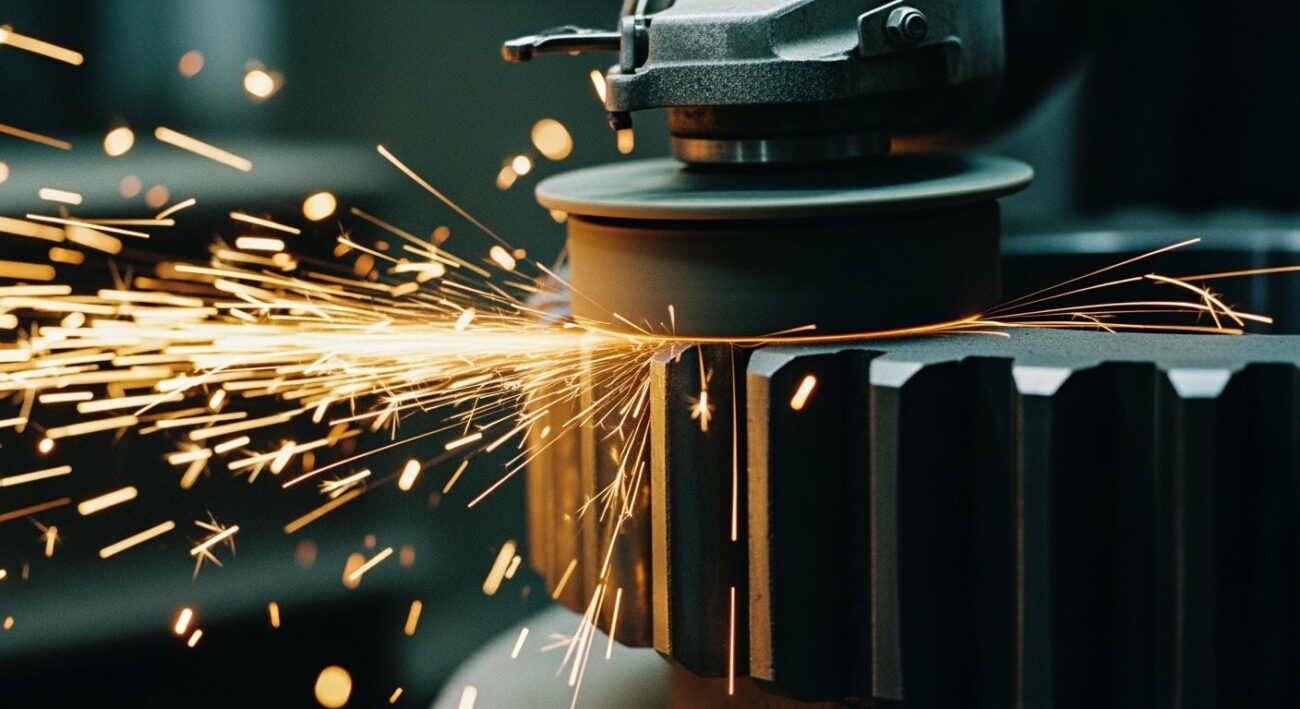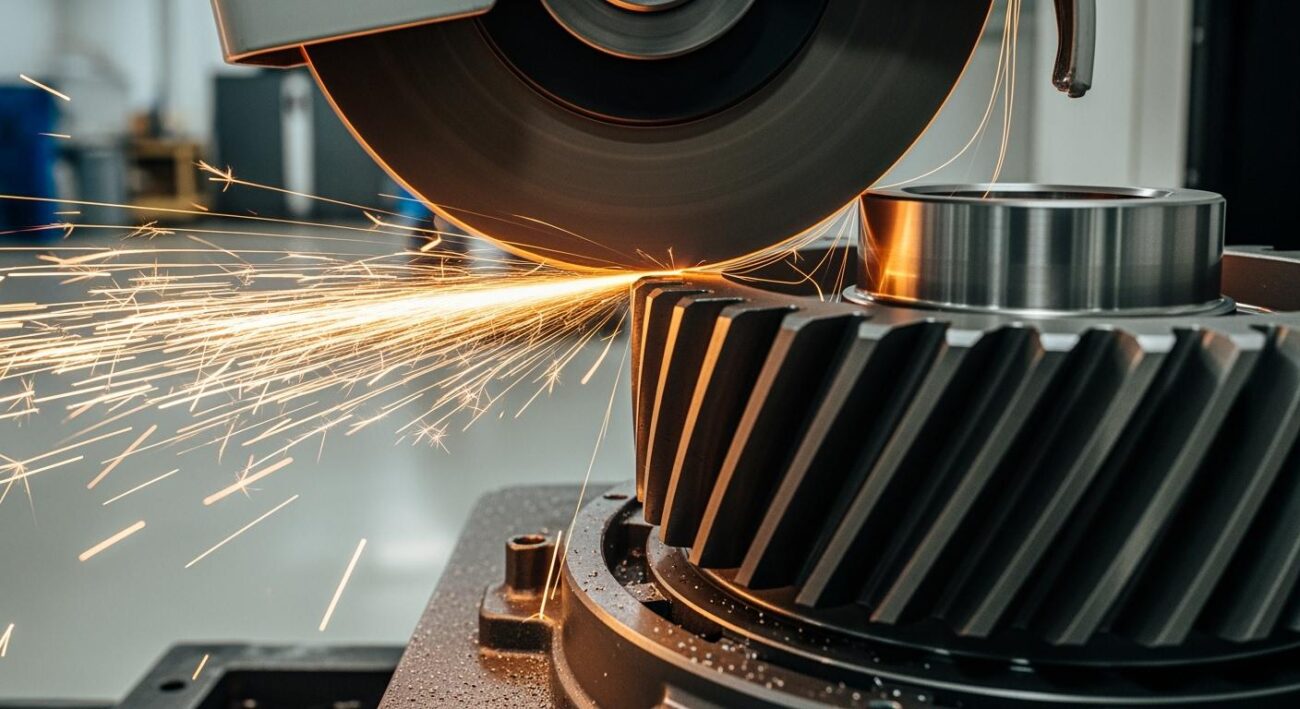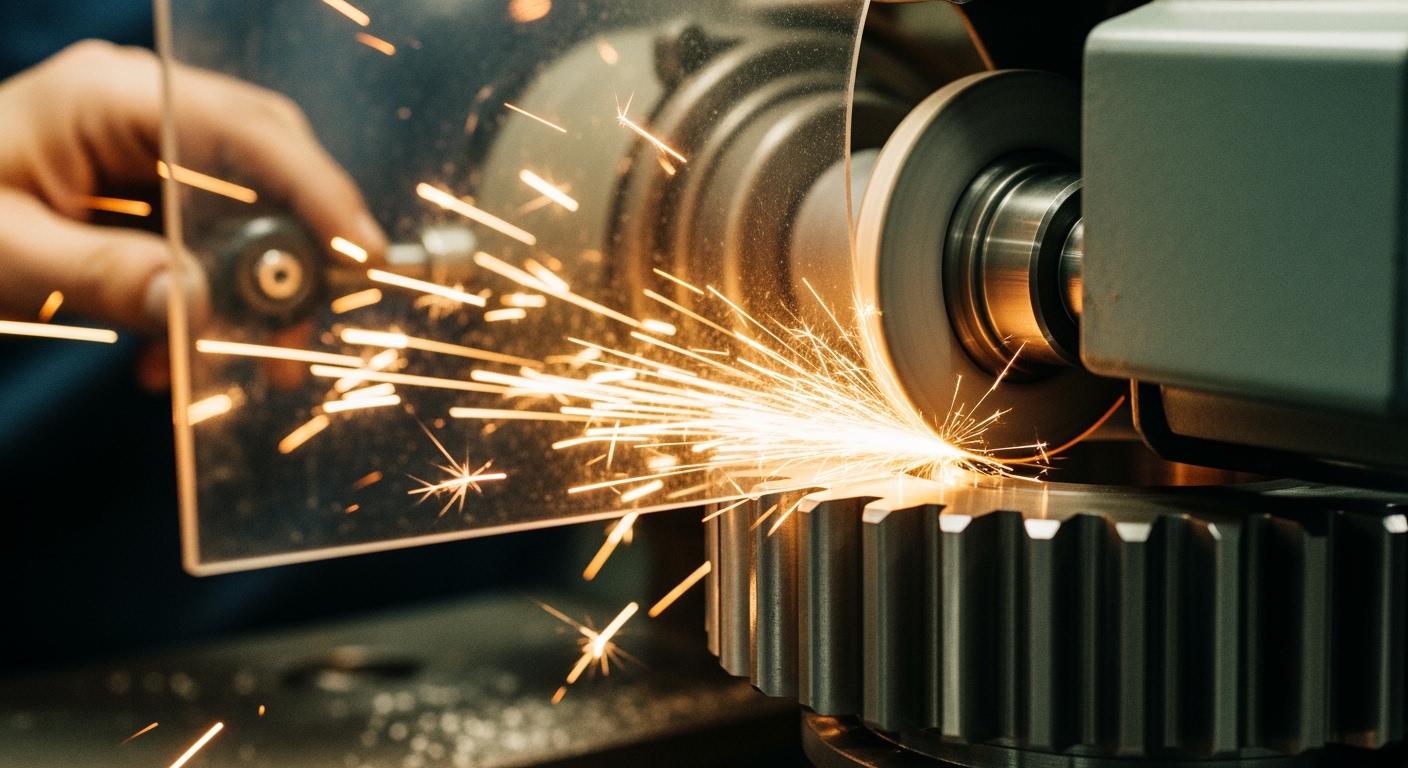
You prevent burning and cracks during gear grinding by managing grinding parameters, cooling, and wheel selection. Incorrect grinding parameters often increase cycle times and reduce gear quality. Insufficient cooling and poor wheel choice can cause overheating and cracks. Choose the right grinding wheel for your material. Aimgrind supports you with custom grinding solutions that match your equipment and process. You get expert guidance and optimized grinding tools for better gear quality.
Key Takeaways
- Optimize grinding parameters to balance speed, feed, and depth. This adjustment minimizes heat and prevents defects.
- Ensure effective cooling by using sufficient coolant and proper techniques. Good cooling reduces the risk of burning and cracks.
- Select the right grinding wheel for your material and process. A suitable wheel improves surface quality and reduces overheating.
- Train operators regularly on best practices. Proper training helps avoid common mistakes that lead to grinding issues.
- Use Aimgrind’s CBN grinding wheels for better performance. These wheels provide cooler operation and longer service life.
Grinding Burn and Cracks Overview
What Is Grinding Burn?
You may notice grinding burn when you see discoloration on the surface of a gear after grinding. This discoloration often appears as blue, brown, or black marks. These colors show that the temperature in the grinding zone became too high. When this happens, thin oxide layers form on the gear surface. Grinding burn can also change the microstructure of the metal. The hard martensite in the gear may break down, and softer structures can appear. These changes make the gear weaker. If you use etching, you can see the burn more clearly. Grinding burn is a warning sign that the grinding process needs adjustment.
What Are Cracks in Grinding?
Cracks in grinding usually start because of high heat and stress during the grinding process. When the grinding wheel creates too much heat, the surface of the gear can get damaged. This damage leads to thermal cracks. You may also see cracks form because of mechanical stress. If the grinding process leaves behind tensile stress, these cracks can grow. Cooling is very important. Good cooling can help change tensile stress into compressive stress, which makes cracks less likely. If you do not control the grinding process, you may see both surface and deep cracks. Grinding cracks can lead to gear failure.
Effects on Gear Quality
Poor grinding practices can lower gear quality and cause serious problems.
| Impact Type | Description |
|---|---|
| Deterioration of Hardness | Surface hardness drops by 45-55 HRC, which reduces wear resistance and causes early wear. |
| Alteration of Residual Stress State | Compressive stress weakens and turns into tensile stress, which can start microcracks. |
| Formation of Microcracks | Cracks may spread from burned areas, increasing the risk of sudden gear failure under heavy load. |
| Increased Noise and Vibration | Burn changes the surface, leading to poor gear meshing and more noise during operation. |
You must prevent grinding burn and cracks to keep gear quality high. If you ignore these problems, gears may wear out quickly or break without warning.
Causes of Grinding Burn and Cracks
Incorrect Grinding Parameters
You must control grinding parameters to avoid grinding burn and cracks. If you set the speed too high, the grinding wheel creates more heat. This heat can cause thermal damage and burn on the gear surface. When you use too much pressure or feed rate, the grinding process becomes unstable. The wheel may dig into the gear, causing cracks to form. If you set the speed too low, the grinding wheel may rub instead of cut. This rubbing increases friction and heat, which leads to grinding burn. You need to balance speed, feed, and depth for safe grinding. Aimgrind helps you match the right parameters to your machine and gear material. You get better results and fewer defects.
Insufficient Cooling
You need enough coolant during grinding. If you do not use enough coolant, the temperature in the grinding zone can rise quickly. The heat can reach 1000°C. This high heat causes thermal stresses. When the gear cools, tensile stresses appear. If these stresses become too strong, cracks can form. The grinding process creates a mix of thermal, transformational, and deformation stresses. These stresses increase the risk of thermal damage and cracks. You must check coolant flow and direction. Good coolant keeps the grinding area cool and reduces grinding burn.
Improper Wheel Selection
You must choose the right grinding wheel for your gear material and grinding speed. The wrong wheel can cause burn, cracks, and poor surface finish. The table below shows why wheel selection matters:
| Evidence Description | Key Findings |
|---|---|
| Selection of grinding wheel | Significantly influences the effectiveness and quality of the grinding process. |
| Thermal damage effects | Geometrical form error is affected by thermal aspects of the grinding interaction zone. |
If you use a wheel that does not match your grinding speed or material, you may see more grinding burn and cracks. Aimgrind offers a diagnostic service to help you select the best wheel. You get a wheel that fits your grinding process and reduces defects.
Operator Errors
You must avoid common mistakes during grinding. Operator errors can cause grinding burn and cracks. Some common errors include:
- Using improper or fouled grinding wheels
- Improper grinding wheel speed or direction
- Insufficient coolant flow
- Incorrect positioning of gear or grinding equipment
- Pre-existing defects on the gear
You can prevent these errors with training and regular checks. Aimgrind uses advanced diagnostic tools to find the cause of grinding burn and cracks. These tools include direct methods like microscopes and indirect methods like sensors. Aimgrind also uses machine learning to monitor grinding speed and wheel condition. You get real-time feedback and solutions for your grinding process.
Prevent Grinding Burn and Cracks
Optimize Grinding Parameters
You can prevent burning and cracks by optimizing your grinding parameters. Set the speed, feed, and depth of cut to match your gear material and machine. When you use the right parameters, you minimize unnecessary stock removal. This step helps you avoid grinding burn and keeps the grinding process efficient. High-speed measurement tools let you check if the grinding wheel makes full contact with the gear. Full contact means the grinding process removes material evenly and safely. You should always adjust your parameters based on the gear type and the grinding wheel you use. If you notice any signs of burn or cracks, stop the machine and review your settings. Aimgrind can help you match the best parameters to your machine and gear material. This support improves your gear quality and efficiency.
Ensure Effective Cooling
You need to use the right coolant and cooling technique to avoid grinding burn. Coolant supply must reach the grinding zone directly. If you use too little coolant, the grinding wheel and gear can overheat. Too much heat causes burning and cracks. You can choose from several cooling methods. The table below shows how each technique works:
| Cooling Technique | Effectiveness in Preventing Grinding Burn | Notes |
|---|---|---|
| Refrigeration-based cooling | High | Achieves subzero temperatures, cooling the workpiece effectively. |
| Liquid cooling | Moderate | Provides sufficient cooling but may not be as effective as refrigeration. |
| Minimum Quantity Lubrication (MQL) | Variable | Depends on the amount used; can lead to insufficient cooling if minimized too much. |
You should also consider the environmental impact and cooling effectiveness of your coolant:
| Cooling/Lubrication Medium | Environmental Impact | Effectiveness in Cooling |
|---|---|---|
| Mineral oils and semisynthetic | High negative impact | Provides sufficient lubrication but not optimal for cooling. |
| Emulsions | Moderate | Can overcome environmental issues but may not be economical. |
| Biodegradable oils | Low | Eco-friendly but lacks thermal stability, affecting cooling efficiency. |
Check your coolant flow and direction often. Make sure the coolant supply covers the grinding area. This step helps you avoid grinding burn and keeps your gear surface free from cracks. You should also clean and maintain your coolant system to keep it working well.
Select the Right Grinding Wheel
You must select the right grinding wheel for your gear material and grinding process. The grinding wheel type affects the surface finish, heat generation, and risk of burning. The table below compares different grinding wheel materials:
| Grinding Wheel Type | Surface Roughness (Ra, Rz) | Tangential Force | Normal Force | Defect-Free Surface Achieved |
|---|---|---|---|---|
| Sintered Alumina (SG) | 25-30% lower than 99A | 10-12% lower | ~10% lower | Yes, at 25 and 30 m/s |
| Fused Alumina (99A) | Higher than SG | Higher | Higher | No |
Sintered alumina wheels produce a smoother surface and lower forces. This result helps you avoid grinding burn and cracks. You should also focus on dressing the grinding wheel. Dressing keeps the wheel sharp and clean. A well-dressed grinding wheel cuts cooler and more efficiently. You should schedule dressing based on your grinding process and machine use.
Use Aimgrind CBN Grinding Wheels
Aimgrind CBN grinding wheels give you a strong advantage in preventing burning and cracks. CBN wheels have high hardness and thermal stability. These features let you grind hard materials with less heat. You get faster cutting speeds and cooler operation. This benefit helps you avoid grinding burn and keeps your gear surface defect-free. CBN grinding wheels also last longer than conventional wheels. You spend less time changing wheels and more time grinding. Aimgrind offers CBN grinding wheels in many sizes and bond types. You can match the wheel to your machine and gear material. Aimgrind uses a comprehensive service process. You get help with problem diagnosis, parameter matching, and sample optimization. This support ensures your grinding wheel fits your needs and boosts your efficiency.
Tip: Use Aimgrind’s diagnostic service to match the right CBN grinding wheel to your machine and gear material. This step helps you prevent burning and improve gear quality.
Train Operators
You must train your operators to avoid grinding burn and cracks. Good training helps your team use the grinding wheel and machine correctly. Operators should learn how to set the right parameters and use enough coolant. Training should cover these best practices:
- Teach operators how to extend grinding wheel life and improve gear quality.
- Show how to program the machine with correct parameters to avoid burning and cracks.
- Train on using high-volume coolant systems and selecting grinding wheels that cut cooler.
- Review the importance of dressing the grinding wheel to keep it sharp and efficient.
Regular training and checks help you prevent burning and keep your grinding process efficient. You should update your training as new machines and grinding wheels become available.
Detecting Grinding Burn and Cracks
Visual Inspection
You can spot grinding burn and cracks on gears using simple visual inspection. Look for discoloration, such as blue, brown, or black marks on the gear teeth. These colors show that the grinding process caused overheating. You may also see cracks with the naked eye or a magnifying glass. Visual inspection works well for surface defects, but it may miss deeper problems. You should check gears after every grinding operation to catch issues early.
| Method | Description |
|---|---|
| Visual Inspection | Burned tooth surfaces show visible discoloration or cracks. You can observe these with your eyes or a magnifying glass. |
Tip: Always inspect gears under good lighting. This helps you see small cracks and color changes caused by grinding.
Etching Methods
Etching methods help you find hidden grinding burn. You use acid, such as Nital, to treat the gear surface. The acid reacts with areas damaged by grinding, making them stand out with color contrast. Surface temper etch inspection reveals thermal damage that you cannot see with your eyes. Magnetic particle detection also helps you find surface or near-surface cracks. These methods work well, but Nital etching takes time and can be risky for the environment. You must handle acids carefully and follow safety rules.
| Method | Effectiveness | Limitations |
|---|---|---|
| Nital Etching | Moderate | Takes time, can be subjective, environmental risks |
| Surface Temper Etch | High | Relies on color contrast to show affected areas |
| Magnetic Particle Detection | High | Finds surface or near-surface cracks |
NV Diamond Quantum Magnetometry offers a safer option. This method detects grinding burns without chemicals and gives high-resolution results. You can use it for gears of any size or intensity.
Barkhausen Noise Analysis
Barkhausen noise analysis gives you a powerful way to detect grinding burn and cracks. This method listens to changes in the gear’s microstructure. You use a sensor to pick up signals from the gear surface. Barkhausen noise is highly sensitive to grinding damage, even when other methods miss it. You do not damage the gear during testing. You can check every gear quickly and reliably.
| Key Findings | Description |
|---|---|
| Sensitivity to Microstructure | Barkhausen noise detects grinding burns and cracks by sensing changes in the material. |
| Non-Destructive Testing | You can test gear surfaces without causing any harm. |
| Comparison with Traditional | Barkhausen noise finds damage that Nital etching may overlook. |
| Influence of Carbide Structure | Different carbide structures affect the Barkhausen noise signal, showing levels of grinding damage. |
Note: Barkhausen noise analysis helps you spot grinding chatter and other defects before they cause gear failure.
You should combine these methods for the best results. Visual inspection catches surface issues. Etching methods reveal hidden burn. Barkhausen noise analysis finds microstructural changes. This approach keeps your gears safe and reliable after grinding.
Best Practices for Grinding Quality
Process Monitoring
You need to monitor your grinding process to keep gear quality high and prevent chatter. Real-time monitoring helps you spot problems before they cause defects. The Barkhausen Noise method works well for this. It checks for changes in the gear’s microstructure and stress. You can use it on the production line for every gear. This method helps you control grinding and avoid chatter. Here are some benefits:
- Barkhausen Noise finds residual stress and microstructure changes.
- It works without damaging the gear.
- You can adjust grinding quickly to stop chatter.
- The method fits into your production line for real-time checks.
- You can inspect every gear for chatter and other defects.
Aimgrind supports you with advanced monitoring tools. These tools help you keep grinding stable and reduce chatter.
Documentation
You should record all grinding parameters and results. Good documentation helps you track changes and improve quality. When you write down each grinding step, you can find what causes chatter or defects. Use a table to organize your data:
| Grinding Parameter | Impact on Quality Control |
|---|---|
| Grinding Speed | Affects material removal rate and surface finish |
| Feed Rate | Influences profile accuracy and temperature |
| Coolant Type | Impacts wear, vibrations, and noise during grinding |
| Coolant Flow Rate | Affects cooling efficiency and surface integrity |
| Infeed | Determines the depth of cut and overall grinding efficiency |
Keep your records up to date. This habit helps you solve problems and avoid chatter in future grinding jobs.
Continuous Improvement
You can improve your grinding process by making small changes over time. Focus on three main strategies:
| Strategy | Description |
|---|---|
| Optimize Grinding Wheel Selection | Choose a wheel that cuts cooler to avoid burning and chatter. Use the right grain for better cutting. |
| Improve Cooling Methods | Use high-volume coolant and strong nozzles to keep grinding cool and wash away chips. |
| Enhance Operator Training | Train your team to use the best grinding methods. Good training helps reduce chatter and improve cycle times. |
Aimgrind believes in innovation and quality. You get support for every grinding challenge, from chatter to wheel selection. Keep learning and updating your process. This approach helps you reach the best gear quality and avoid chatter.
You can prevent burning and cracks during gear grinding by following these steps:
- Use enough cooling lubricant in the grinding zone.
- Select a grinding wheel that matches your material.
- Balance the grinding wheel for even grinding.
- Adjust infeed rates for optimal operation.
Aimgrind’s CBN grinding wheels deliver excellent accuracy, smooth finishes, and long service life. You improve gear quality and reduce defects by applying best practices and regular inspections. Consistent use of Aimgrind solutions helps you lower costs and boost productivity.
Keep your standards high and your process steady. Your gears will last longer and perform better.
FAQ
What causes burning during gear grinding?
You often see burning when the grinding zone gets too hot. This happens if you use the wrong grinding parameters, poor cooling, or an unsuitable grinding wheel. Always check your process to keep temperatures low.
How can you quickly spot grinding cracks?
Look for visible lines or discoloration on the gear surface. You can also use etching or Barkhausen noise analysis for deeper cracks. Regular inspection helps you catch problems early.
Why should you choose CBN grinding wheels from Aimgrind?
CBN wheels from Aimgrind give you cooler grinding, longer wheel life, and better surface quality. You get expert support to match the right wheel to your machine and material.
What are the best ways to prevent grinding burn?
You can:
- Use enough coolant.
- Set correct grinding parameters.
- Select the right grinding wheel.
- Train your operators.
These steps help you avoid overheating and defects.
Contact Us
For More Grinding Solution or Customized Abrasive Tools