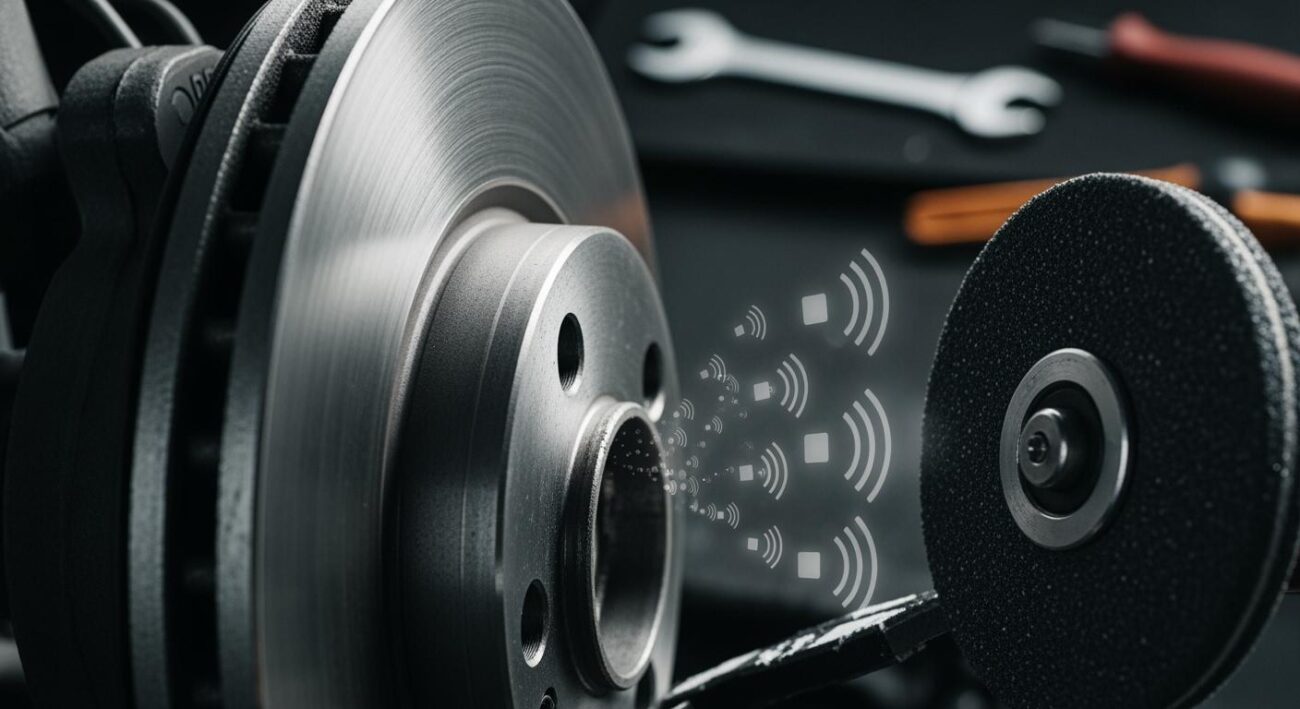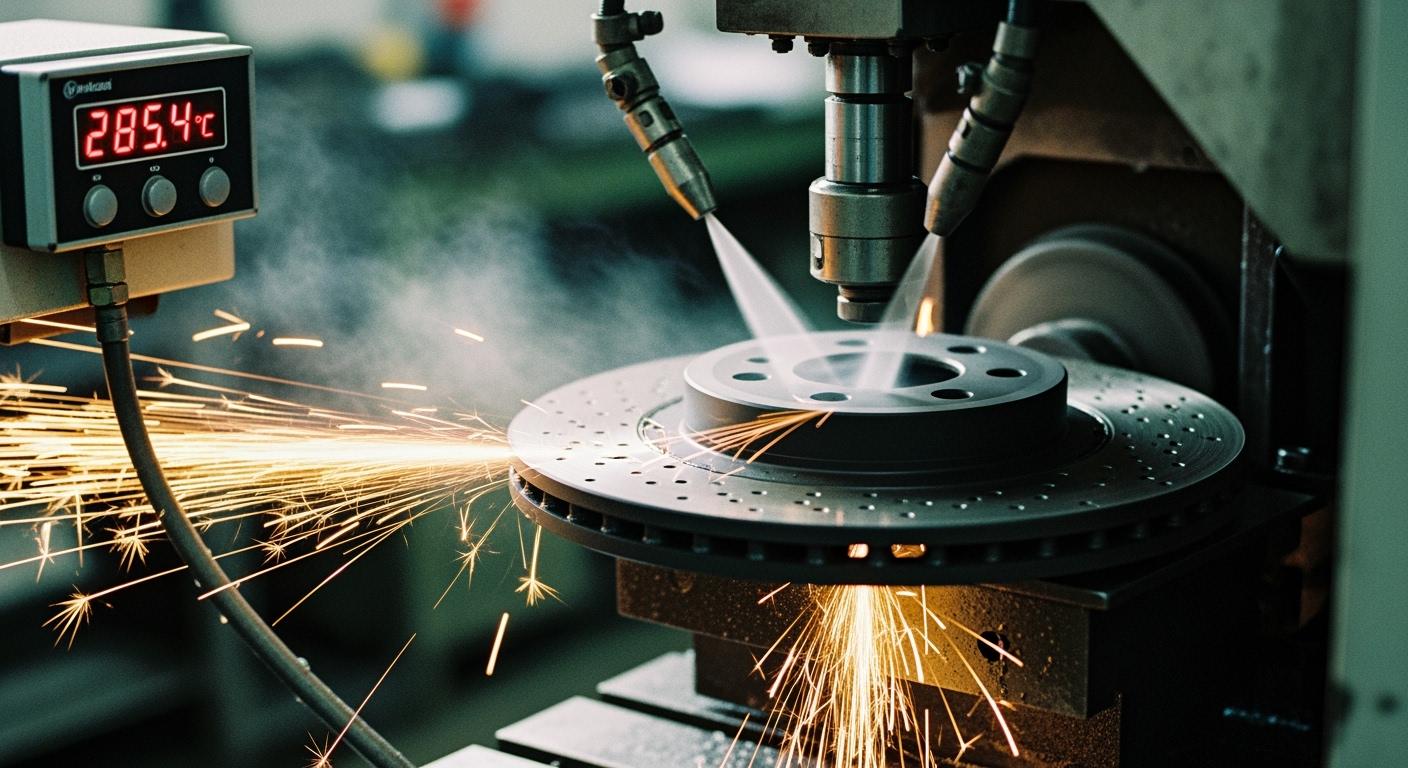
You want to keep your brake discs safe and working well. When you grind a brake disc, you might worry about heat causing cracks or making the disc bend. Using the right grinding tools and methods helps your brake system last longer and work better. High-quality grinding wheels, such as Aimgrind’s CBN wheels, help keep the brake cool. You can prevent thermal cracking by choosing the best products and learning the right steps. Your brake safety starts with smart grinding choices.
Key Takeaways
- Monitor grinding temperature closely to prevent overheating. Use a thermometer to check the surface temperature and stop if it rises too fast.
- Use proper grinding techniques. Maintain a steady pace and avoid staying in one spot to prevent heat buildup and ensure even disc thickness.
- Ensure adequate cooling and lubrication during grinding. Use enough coolant to cover the grinding area and check the coolant system before starting.
- Choose high-quality tools like Aimgrind CBN grinding wheels. These wheels reduce heat buildup and provide precise grinding for better brake disc performance.
- Regularly inspect brake discs for cracks and wear. Check thickness and look for signs of damage to maintain brake safety and efficiency.
Causes of Overheating of Brake Discs
Excessive Grinding Heat
You can see overheating of brake discs when grinding creates too much heat. This heat builds up quickly on the surface. The rapid rise in temperature changes the internal structure of the brake disc. When the material cannot handle the stress, a crack may form. Overheating also affects the brake fluid and can cause vaporization or bearing failures.
Tip: Always monitor grinding speed and pressure to avoid sudden temperature spikes.
Aggressive or Improper Grinding
If you use aggressive or improper grinding methods, you risk damaging the brake disc. Grinding too fast or with the wrong tool can cause subsurface cracks and delamination. These defects lower the friction performance and shorten the lifespan of the brake disc. You should follow proper grinding techniques and use tools designed for brake disc materials.
Inadequate Cooling or Lubrication
Overheating often happens when cooling or lubrication is not enough. Without proper cooling, the brake disc cannot release heat during grinding. This leads to thermal expansion and possible distortion. You need to use the right amount of coolant and make sure it reaches the grinding area.
- Cooling helps keep the brake disc stable.
- Lubrication reduces friction and heat.
Material and Installation Issues
The material of the brake disc plays a big role in overheating. Gray cast iron, for example, manages heat well but can still crack under stress. If you install the brake disc incorrectly, it may not sit flat, causing uneven heat distribution. Bedding-in and driving style also affect how much heat builds up. You should choose quality materials and check installation carefully.
Warning Signs of Thermal Cracking and Distortion
Surface Cracks and Warping
You should look for changes on the brake disc surface. Small cracks can appear after repeated heating and cooling. Warping often shows up as uneven or wavy areas on the disc. These problems may cause vibrations when you press the brake pedal. You might also notice blue spots, which mean the disc has gotten too hot. If you see cracks on the brake disc, you need to take action right away to avoid bigger problems.
- Warped rotors can cause vibrations through the brake pedal.
- Uneven wear and clear physical warping are common signs.
- Squeaking or grinding noises may suggest rotor warping.
Unusual Noises or Vibrations
You may hear strange sounds when you use the brakes. Grinding or squealing noises often mean the disc has damage. Vibrations in the steering wheel or a pulsing feeling in the brake pedal can also point to thermal distortion.
- Grinding noises
- Squealing sounds
- Pulsating noises
- Vibrations in the steering wheel
Changes in Braking Performance
Thermal cracking and distortion can change how your brakes work. You might feel the brake pedal pulse or notice it takes longer to stop the car. Sometimes, the brakes do not feel as strong or smooth as before.
“When rotors are fixed, especially to different metals like an aluminum hat, they will distort through heat cycles, compromising braking efficiency, feel, and shortening their service life.”
You should pay attention to any drop in brake disc performance. If you notice uneven braking or increased stopping distance, check your brake discs for damage.
Visual Inspection Techniques
You can spot early signs of trouble by looking closely at your brake discs. Check for heat cracks or discoloration. Hairline cracks or deeper fissures may show up after hard braking. Regular inspections help you catch problems before they get worse.
- Look for heat cracks or blue spots.
- Check for uneven wear or warping.
- Watch for signs of erosion or deep grooves.
If you find any of these warning signs, you should have a professional inspect your brakes soon.
Methods to Prevent Thermal Cracking
Control Grinding Temperature
You need to keep the temperature low during brake disc grinding. High temperature causes overheating, which can lead to cracks and distortion. Always monitor the grinding process. Use a thermometer or infrared sensor to check the surface temperature. If you see the temperature rising too fast, stop and let the disc cool down. Grinding in short bursts helps prevent overheating. You should also avoid grinding too quickly or with too much pressure. This simple step helps prevent thermal cracking and keeps your brake discs safe.
Tip: Grinding at a steady pace and checking the temperature often will help you avoid overheating and brake disc run-out.
Use Proper Grinding Techniques
Proper grinding techniques play a big role in preventing thermal cracking. You should use the right angle and pressure when grinding. Move the grinding tool smoothly across the disc. Do not stay in one spot for too long. This prevents heat from building up in one area. Always follow the manufacturer’s instructions for grinding speed and feed rate. If you use the wrong technique, you risk overheating and brake disc run-out. Good technique also helps you keep the brake disc thickness even, which is important for safe braking.
Ensure Adequate Cooling and Lubrication
Cooling and lubrication are key to stopping overheating. You should use enough coolant to cover the grinding area. Coolant helps carry away heat and keeps the temperature stable. Lubrication reduces friction, which also lowers the temperature. Make sure the coolant system works well before you start grinding. If you notice steam or smoke, stop and check the coolant flow. Proper cooling and lubrication help prevent thermal cracking and keep the brake disc from warping.
- Always check coolant levels before grinding.
- Use the right type of coolant for your grinding wheel and brake disc material.
- Make sure the coolant reaches the grinding zone.
Choose Quality Tools Like Aimgrind CBN Grinding Wheels
The grinding wheel you choose makes a big difference. Aimgrind CBN grinding wheels offer many advantages over regular wheels. These wheels have extreme hardness and high thermal stability. They keep their shape and sharpness even at high temperatures. This means you get less overheating and more precise grinding. Aimgrind CBN wheels remove material quickly but do not cause as much heat. You can grind hardened steel and other tough materials with confidence. Using these wheels helps you prevent thermal cracking and brake disc run-out. You also get a longer-lasting tool and better results.
Note: Aimgrind CBN grinding wheels help you achieve cooler operation and consistent precision, making them ideal for brake disc grinding.
Monitor Disc Thickness and Wear
You should always check brake disc thickness before and after grinding. Use a micrometer or caliper to measure the disc at several points. If the brake disc thickness drops below the minimum limit, replace the disc. Grinding too much can cause overheating and make the disc too thin. Thin discs are more likely to crack or warp. You should also look for signs of uneven wear, which can lead to brake disc run-out. Regular checks help you prevent thermal cracking and keep your brakes working well.
- Measure brake disc thickness at three or more spots.
- Replace discs that are too thin or show deep grooves.
- Watch for uneven wear, which may signal other problems.
Proper Bedding-In and Gradual Braking
After grinding, you need to perform proper bedding-in. This process helps create a stable friction layer between the brake pad and disc. Bedding-in improves thermal stability and prevents overheating. You should use gradual braking during this period. Avoid hard stops until the bedding-in process is complete. This helps prevent uneven pad deposits and brake disc run-out.
Here is a table that shows why proper bedding-in is important:
| Key Point | Explanation |
|---|---|
| Proper Bedding-In | Establishes a stable friction interface between pad material and rotor, crucial for thermal stability. |
| Transfer Layer | A thin, even layer of pad material on the rotor surface ensures consistent friction coefficients under varying conditions. |
| Risks of Improper Bedding | Leads to uneven pad deposition, brake judder, and premature wear, negatively impacting thermal stability. |
You should always follow the bedding-in steps recommended by your brake manufacturer. This helps you prevent thermal cracking and keeps your brake system safe.
Remember: Commercial vehicles like trucks and emergency vehicles face more severe conditions than passenger cars. You need to use more comprehensive preventive methods for these vehicles to avoid overheating and cracks.
Ensuring Brake Disc Quality and Safety
Select High-Quality Materials and Products
You need to start with the right materials to ensure brake disc quality. The material you choose affects how well your brake works and how long it lasts. Most brake discs use cast iron or carbon-ceramic composites. Always buy from suppliers known for high standards. Testing for strength, hardness, and durability is important. If a material does not meet these standards, you should reject it to avoid safety risks.
Here is a table showing what to look for in high-quality brake disc materials:
| Criteria | Description |
|---|---|
| Compression Strength | Handles strong forces without breaking. |
| Coefficient of Friction | Keeps braking smooth and safe. |
| Wear Resistance | Lasts longer and resists damage. |
| Specific Heat Capacity | Absorbs heat without getting too hot. |
| Material Density | Balances weight and performance. |
| Costs | Stays within your budget. |
Regular Inspection and Maintenance
You should check your brake system often. Regular inspections help you find problems early, like cracks or uneven wear. This keeps your brake working well and can save you money on repairs. Most experts suggest checking your brakes every 10,000 to 15,000 miles or at least once a year. If you drive in the city, inspect every 6-8 months. For highway driving, check every 12,000 miles or yearly. If you drive off-road or tow heavy loads, inspect every 6 months or after each trip.
| Driving Condition | Recommended Inspection Frequency |
|---|---|
| City driving | Every 6-8 months |
| Highway driving | Every 12,000 miles or annually |
| Off-roading or towing | Every 6 months or after trips |
| Performance driving | After every track day |
Training and Best Practices for Technicians
You need skilled technicians to keep your brake system safe. Good training helps prevent mistakes that can cause cracks or other damage. Technicians should:
- Inspect the brake assembly, pads, and rotor.
- Test caliper movement.
- Check guide pins and boots for damage.
- Look for equal pad thickness and signs of wear.
- Examine the rotor for cracks.
- Check all mounting bolts.
- Inspect the air chamber for leaks.
- Make sure dust plugs are in place.
The Role of Aimgrind in Brake Disc Quality
Aimgrind helps you achieve high brake disc quality through innovation and custom solutions. The brand uses advanced design and new systems to improve performance. You can get grinding wheels made for your needs, which helps you avoid overheating and damage. Aimgrind’s modular systems make it easy to update your setup without replacing everything. The company also holds patents for unique technologies that boost brake safety and efficiency.
| Feature | Description |
|---|---|
| Advanced Design | Uses new design ideas for better performance. |
| Tailored Solutions | Customizes products for your specific needs. |
| Innovative Systems | Adds new systems to improve how your brakes work. |
| Modular System | Lets you change parts easily without full replacement. |
| Patented Solutions | Offers unique technologies for better safety and adaptability. |
Tip: Look for products with certifications like ISO 9001 or ISO/TS 16949. These show a strong commitment to quality and safety in brake disc manufacturing.
You can prevent thermal cracking and distortion by using the right grinding tools and following best practices for brake disc care.
- Always check brake installation and use correct torque to avoid warping.
- Schedule regular brake inspections and replace pads on time.
- Use Aimgrind CBN grinding wheels for cooler, more precise brake grinding.
- Understand your brake system and keep up with maintenance.
| Benefit | Description |
|---|---|
| Advanced Technologies | Experts offer new grinding methods for longer brake disc life. |
| Customized Solutions | You get brake grinding tailored to your needs. |
| Surface Treatment | Proper grinding reduces brake material loss and boosts performance. |
For the best results, consult trusted brands or experts for brake grinding solutions.
FAQ
What causes thermal cracks in brake discs during grinding?
You create thermal cracks when you let the disc get too hot. High grinding speeds, too much pressure, or poor cooling can all raise the temperature. Always control heat and use proper grinding techniques to avoid cracks.
How do Aimgrind CBN grinding wheels help prevent overheating?
Aimgrind CBN grinding wheels cut faster and stay cooler than regular wheels. You get less heat buildup and more precise results. This helps you avoid thermal cracking and keeps your brake discs in top shape.
How often should you inspect brake discs for cracks or warping?
You should check your brake discs every 10,000 to 15,000 miles. If you drive in tough conditions, inspect them more often. Look for cracks, warping, or unusual wear during each inspection.
Can you use Aimgrind CBN wheels for all types of brake disc materials?
You can use Aimgrind CBN wheels on hardened steels and superalloys. For other materials, like cast iron or ceramics, check with Aimgrind for the best wheel type. Always match the wheel to your disc material for safe grinding.
Contact Us
For More Grinding Solution or Customized Abrasive Tools