

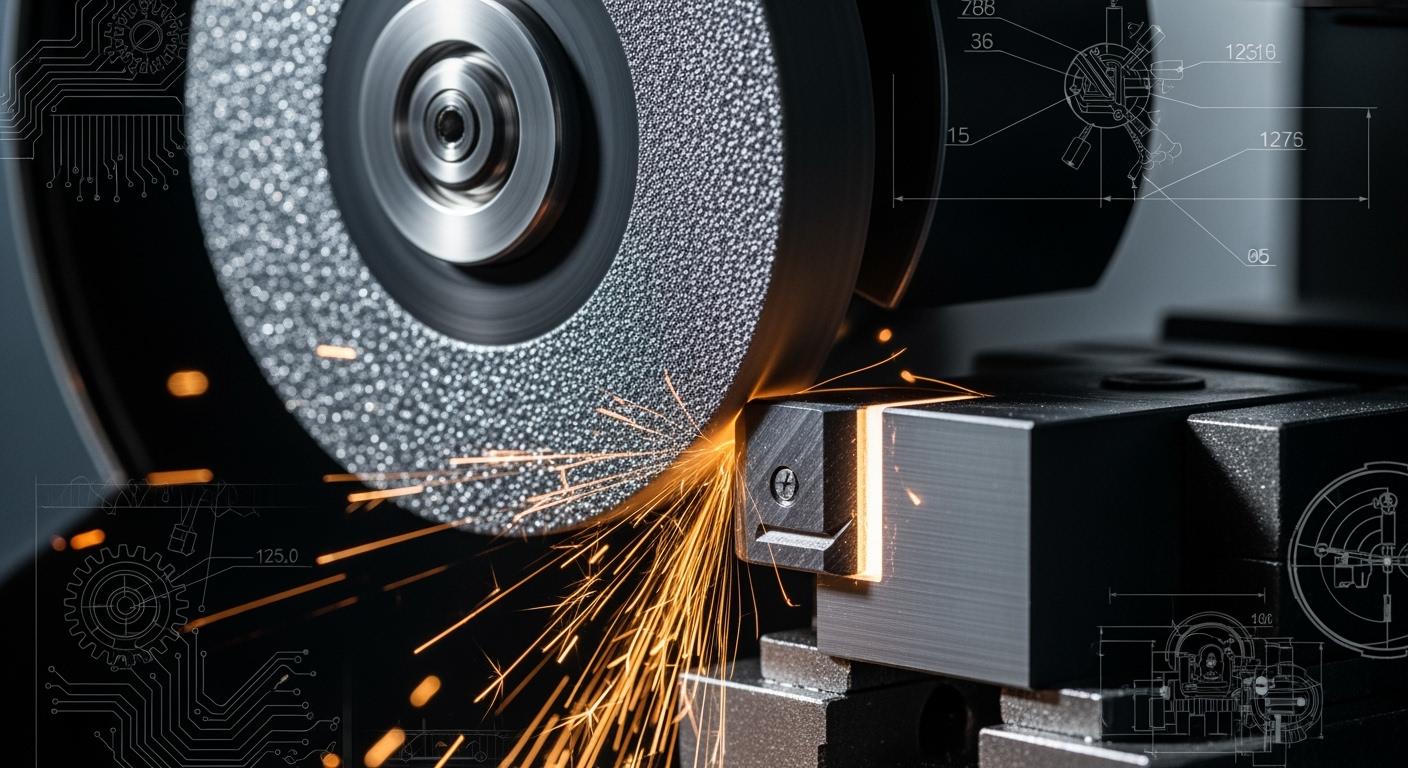
You want high-efficiency grinding when working with carbide. Electroplated diamond wheels from Aimgrind help you achieve this. These wheels use synthetic diamond wheels to deliver high-precision grinding for carbide machining. You get sharp diamond edges that provide excellent cutting and stable grinding. Aimgrind wheels give you unmatched precision and performance, especially for carbide and tungsten carbide. Choosing the right wheel boosts your productivity and helps you master advanced grinding techniques in machining. You save material, time, and cost with the right diamond solution for carbide.
Key Takeaways
- Choose Aimgrind electroplated diamond wheels for fast and precise carbide grinding. These wheels offer aggressive cutting action and require no dressing, saving you time.
- Set optimal grinding parameters like wheel speed and depth of cut to enhance efficiency. Adjust these settings based on your machine and material for the best results.
- Regularly inspect and maintain your grinding wheels to extend their life. Clean them after use and follow a maintenance schedule to keep performance high.
- Implement best practices such as spindle runout control and wheel balancing to improve surface quality. A good setup leads to better efficiency and precision.
- Stay informed about wheel wear and performance. Use dressing methods and monitor conditions to maintain quality in your carbide grinding tasks.
Why Electroplated Bond Grinding Wheels for Carbide?
Aimgrind’s Advantages in High-Efficiency Grinding
You want high-efficiency grinding when working with carbide and tungsten carbide. Electroplated bond grinding wheels from Aimgrind give you a clear advantage. These wheels use synthetic diamond wheels to deliver fast, precise grinding. You get a sharp cutting edge that removes material quickly and keeps its shape. You do not need to dress the wheel, so you save time and keep your process simple.
Electroplated wheels cut easily and swiftly. They do not generate much heat, so you avoid burns or cracks in your carbide parts. The high grit retention means the diamond stays in place, giving you a longer tool life. You get aggressive cutting action and high grinding efficiency. This helps you finish jobs faster and with better results.
Tip: Use Aimgrind electroplated wheels for carbide grinding when you need speed, precision, and minimal downtime.
Comparing Grinding Wheels for Carbide
You have several options for grinding carbide and tungsten carbide. Each type of wheel has its own strengths. Here is a quick comparison:
| Wheel Type | Cutting Action | Form Retention | Lifespan | Dressing Needed | Best Use Case |
|---|---|---|---|---|---|
| Electroplated | Aggressive, fast | Excellent | Finite | No | Precision, high-efficiency grinding |
| Vitrified | Smooth, accurate | Good | Moderate | Yes | High volume, fine finish |
| Metal-Bonded | Steady, durable | Excellent | Longest | Yes | Heavy-duty, long runs |
| Resin-Bonded | Softer, flexible | Fair | Shorter | Yes | General purpose, low stress |
Electroplated wheels stand out for high initial cutting performance and aggressive material removal. You get faster grinding and less heat. Vitrified wheels give you great surface finish and can be dressed for longer use. Metal-bonded wheels last the longest but need rigid machines. Resin-bonded wheels work well for softer grinding tasks.
When you choose Aimgrind’s electroplated diamond wheels, you get the best mix of speed, precision, and efficiency for grinding carbide and tungsten carbide. You finish your work faster and with less risk of damaging your parts.
Key Parameters for High-Efficiency Carbide Grinding
Optimal Speed, Feed, and Depth for Grinding Carbide
You need to set the right grinding parameters to get the best results when grinding carbide. The speed, feed, and depth of cut all play a big role in high-efficiency grinding. If you use the correct settings, you can remove material quickly and keep a smooth surface on your carbide parts.
Here is a table with recommended values for grinding carbide with electroplated diamond wheels:
| Parameter | Recommended Range |
|---|---|
| Wheel Speed (SFPM) | 3,000 – 6,000 SFPM (15 – 30 m/s) |
| Infeed/Depth of Cut | Rough: 0.0005″ – 0.001″ (0.013 – 0.025 mm) |
| Fine: 0.0001″ – 0.0002″ (0.0025 – 0.005 mm) |
You should start with these values and adjust based on your machine and the type of carbide you are working with. Higher wheel speed helps you achieve faster cutting and better surface finish. For rough grinding, use a deeper cut. For finishing, use a lighter cut to get high precision.
Tip: Always monitor the temperature during grinding. Too much heat can damage carbide and reduce the quality of your work.
Wheel Selection and Maintenance with Aimgrind
Choosing the right wheel is key for precision carbide grinding. The wheel you select affects how fast you can remove material, the finish you get, and how long your wheel lasts. Aimgrind offers a wide range of electroplated diamond wheels that match different carbide machining needs. You can talk to Aimgrind’s experts to get help with wheel selection and parameter matching.
Proper wheel selection impacts:
- Material removal rates
- Surface finish of the workpiece
- Wheel life and overall efficiency
- The choice of abrasive type, grain size, bond type, and hardness
To keep your grinding wheels in top shape, follow these maintenance steps:
- Inspect your grinding wheels often for wear or damage.
- Clean the wheels and machine parts to prevent debris buildup.
- Lubricate machine parts to keep everything running smoothly.
- Stick to a regular maintenance schedule.
Aimgrind supports you with product customization and technical advice. You can get wheels designed for your specific carbide grinding tasks, which helps you reach the best results every time.
Best Practices for Carbide Grinding Setup
A good setup is important for high-efficiency grinding and top surface quality. You need to make sure your machine and grinding wheel are ready for the job. Here are some best practices to follow:
| Best Practice | Description |
|---|---|
| Spindle Runout | Keep spindle runout below 0.002 mm. This prevents uneven wheel contact and keeps your surface finish smooth. |
| Machine Rigidity | Use a stable machine bed and add vibration-damping mounts if needed. This stops vibrations that can harm your work. |
| Wheel Balancing | Balance your grinding wheel to within 0.1 g·mm. This reduces vibrations and improves surface quality. |
| Spark-Out Passes | Run the wheel over the carbide part without extra depth of cut. This smooths the surface and removes leftover material. |
| Wheel Dressing Strategies | Use a single-point diamond dresser at a slow speed and shallow depth. This keeps your wheel sharp and in the right shape. |
| Multi-Stage Grinding | Start with rough grinding and move to finer wheels or lighter cuts. This helps you get a very smooth finish. |
You should also use high-hardness grinding wheels and a good cooling system. This keeps the carbide from overheating. Skilled technicians make a big difference in carbide machining because carbide is expensive and hard to work with.
Note: Following these best practices helps you get the most out of your Aimgrind electroplated diamond wheels. You will see better efficiency, longer wheel life, and higher precision in your carbide grinding jobs.
Overcoming Challenges in Tungsten Carbide Grinding
Managing Wheel Wear and Performance
Grinding tungsten carbide presents several challenges. You often face heat build-up because tungsten carbide has low thermal conductivity. This heat can cause thermal damage and increase wheel wear. The hardness and brittleness of tungsten carbide make it tough to keep a sharp wheel and a smooth finish. Wheel loading and improper wheel selection can also affect grinding efficiency.
You can manage wheel wear by using different dressing methods.
- Diamond pen dressing keeps your wheel sharp but needs careful handling.
- Roller dressing creates micro-edges on abrasive grains for specific jobs.
- Grinding wheel dressing uses ordinary abrasive wheels to quickly dress CBN wheels.
You should check wheel wear using topographic data collection methods like SEM or confocal microscopy. Indirect measurement methods, such as sensors that analyze signals during grinding, help you track wear. These methods let you maintain quality and efficiency in carbide grinding.
| Metric Type | Description |
|---|---|
| Topographic Data Collection | Direct measurement of wheel wear using advanced imaging techniques. |
| Indirect Measurement Methods | Sensors analyze signals during grinding to evaluate wheel wear. |
Tip: Regular wheel conditioning and dressing help you keep performance high and extend wheel life.
Ensuring Surface Quality in Carbide Grinding
You need to focus on surface quality when grinding tungsten carbide. The hardness and toughness of the material affect your choice of diamond concentration. Higher hardness needs more diamond, but tough materials may wear too quickly if concentration is too high. Surface roughness and accuracy matter for a high-quality surface finish.
Grinding wheel speed and cutting parameters play a big role. High-speed grinding may require lower diamond concentrations for durability. You should select grinding wheels based on abrasive type, grit size, and bond type. Regular wheel conditioning keeps the cutting geometry sharp. Dynamic wheel balancing systems reduce vibrations and improve surface quality.
| Factor | Description |
|---|---|
| Workpiece material characteristics | Hardness and toughness influence diamond concentration. |
| Machining accuracy and surface quality requirements | Lower diamond concentrations help achieve fine grinding and accuracy. |
| Grinding wheel speed and cutting parameters | Speed and parameters affect wear and performance. |
You can secure parts with specialized fixtures or magnetic chucks. Elastic mechanisms help hold thin workpieces. Patience and precision are important for carbide grinding. You achieve a high-quality surface finish by understanding tungsten carbide properties and applying the right grinding methods.
Note: Using Aimgrind electroplated diamond wheels and following these steps ensures you get the best finish and surface quality for your carbide parts.
Applications and Results with Aimgrind Electroplated Wheels
Real-World Carbide Grinding Success Stories
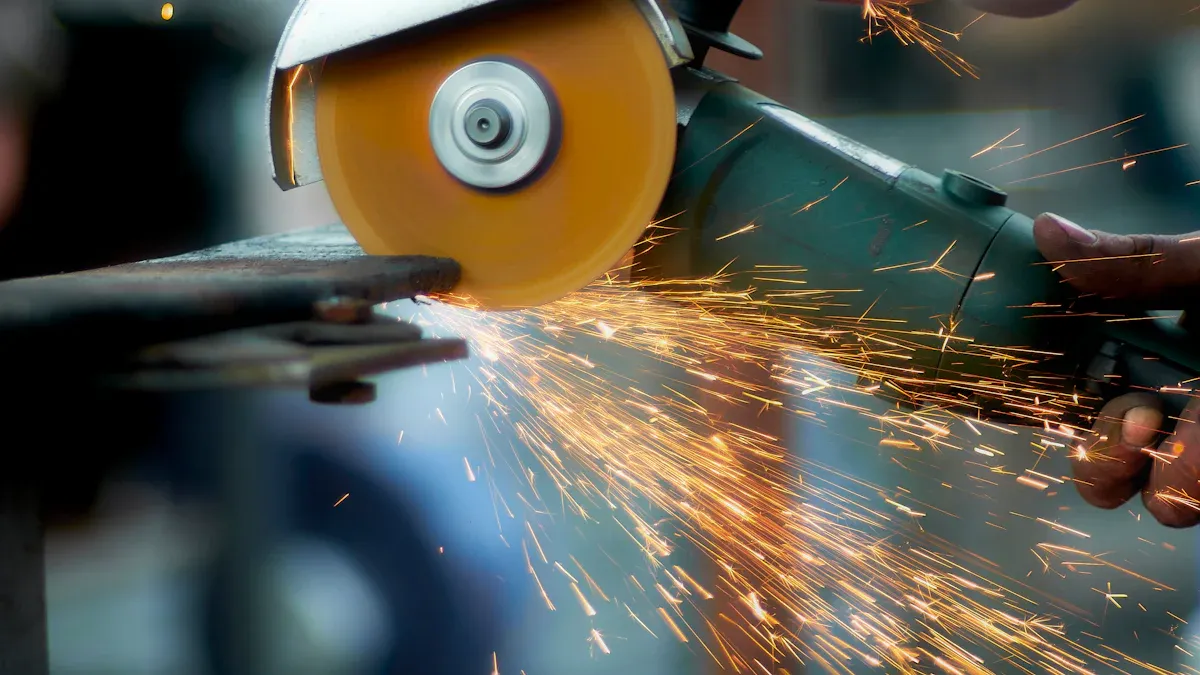
You can see the impact of Aimgrind electroplated wheels in many industries. Tool manufacturers use these wheels to achieve precise machining of carbide parts. In the automotive sector, you get faster production cycles and less downtime. Aerospace companies rely on these wheels for grinding tungsten carbide components that demand high accuracy and a smooth surface.
One customer in the electronics industry needed to grind small tungsten carbide pins. They switched to Aimgrind diamond wheels and saw a big improvement in both speed and quality. The wheels held their shape, so every pin met strict size and surface standards. Another woodworking company used Aimgrind wheels to sharpen carbide-tipped saw blades. They reported longer tool life and less material waste.
You benefit from advancements in electroplating technology. These improvements help you reduce downtime and keep your grinding process efficient. Many industries now choose electroplated diamond wheels for their ability to handle hard metals and deliver consistent results.
Expert Tips for Grinding Carbide Efficiently
You can boost your grinding results by following expert advice. Here are some key tips:
- Select the right wheel for your carbide application and keep it well maintained.
- Use advanced cooling and lubrication to prevent overheating during machining.
- Try new wheel designs and abrasive materials to improve performance.
- Adjust grinding parameters carefully to get the best results and extend wheel life.
Avoid common mistakes to keep your process efficient:
- Do not use a single-point diamond dresser, as it can damage the wheel.
- Use light passes instead of too much pressure, which can break diamond grits.
- Always dress the wheel after truing to expose fresh cutting points.
- Run the wheel at the correct speed to avoid overheating or poor grinding.
You see more demand for precision grinding of carbide and tungsten carbide in many fields. As you adopt better wheels and techniques, you achieve higher quality and efficiency in your machining work.
You can achieve high-efficiency carbide grinding by following proven strategies with Aimgrind’s electroplated diamond wheels. Start by defining your application needs, such as material type and surface finish. Choose the right abrasive for your workpiece. Specify wheel details like grit size and core material. Understand how coolant affects grinding results. Aimgrind offers expert support and product customization, helping you reach top performance and precision in every carbide grinding job.
FAQ
What materials can you grind with Aimgrind electroplated diamond wheels?
You can grind carbide, tungsten carbide, hard alloys, and ceramics. These wheels work well for tool manufacturing, electronics, and woodworking. You get precise results on tough materials.
How do you maintain your electroplated diamond grinding wheel?
Inspect your wheel before each use. Clean it after grinding to remove debris. Store it in a dry place. Regular care helps you keep the wheel sharp and extends its life.
Do you need to dress electroplated diamond wheels?
No, you do not need to dress these wheels. The electroplated bond holds the diamond grit firmly. You save time and keep your grinding process simple.
Can you use Aimgrind electroplated wheels for both wet and dry grinding?
Yes, you can use these wheels for both wet and dry grinding. Wet grinding helps you control heat and improve surface finish. Dry grinding works for quick jobs.