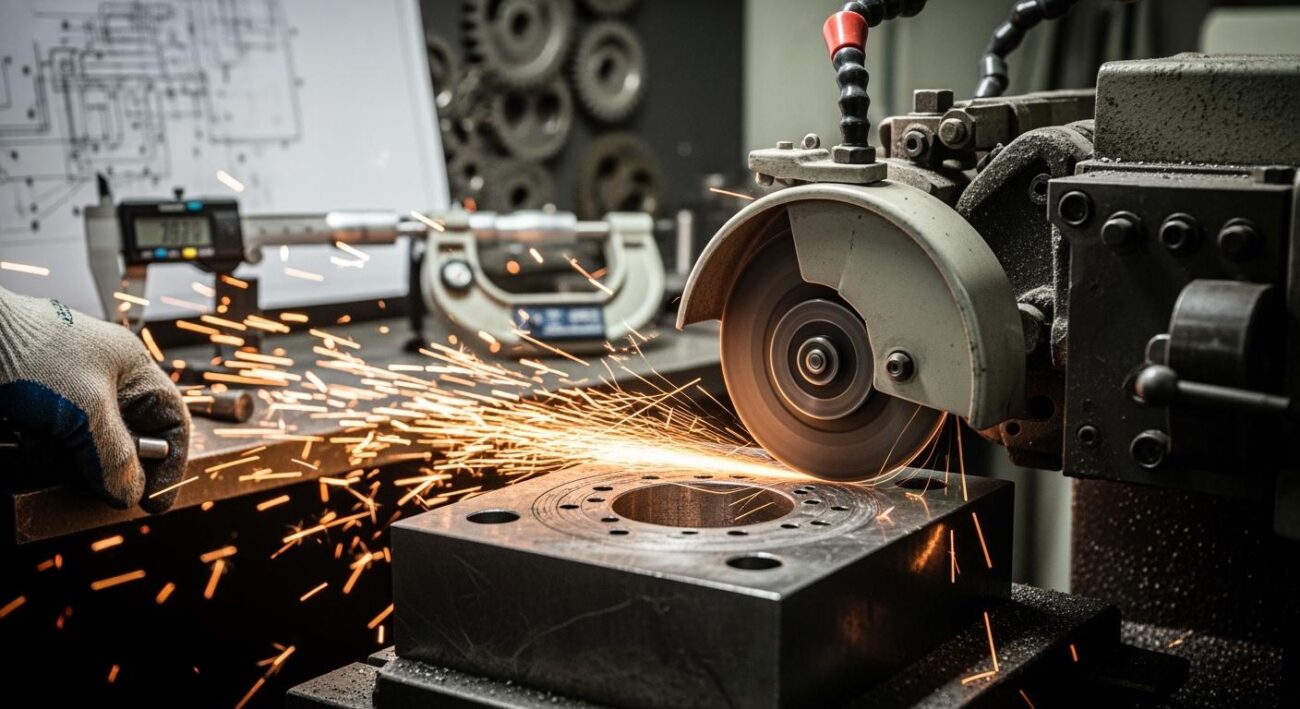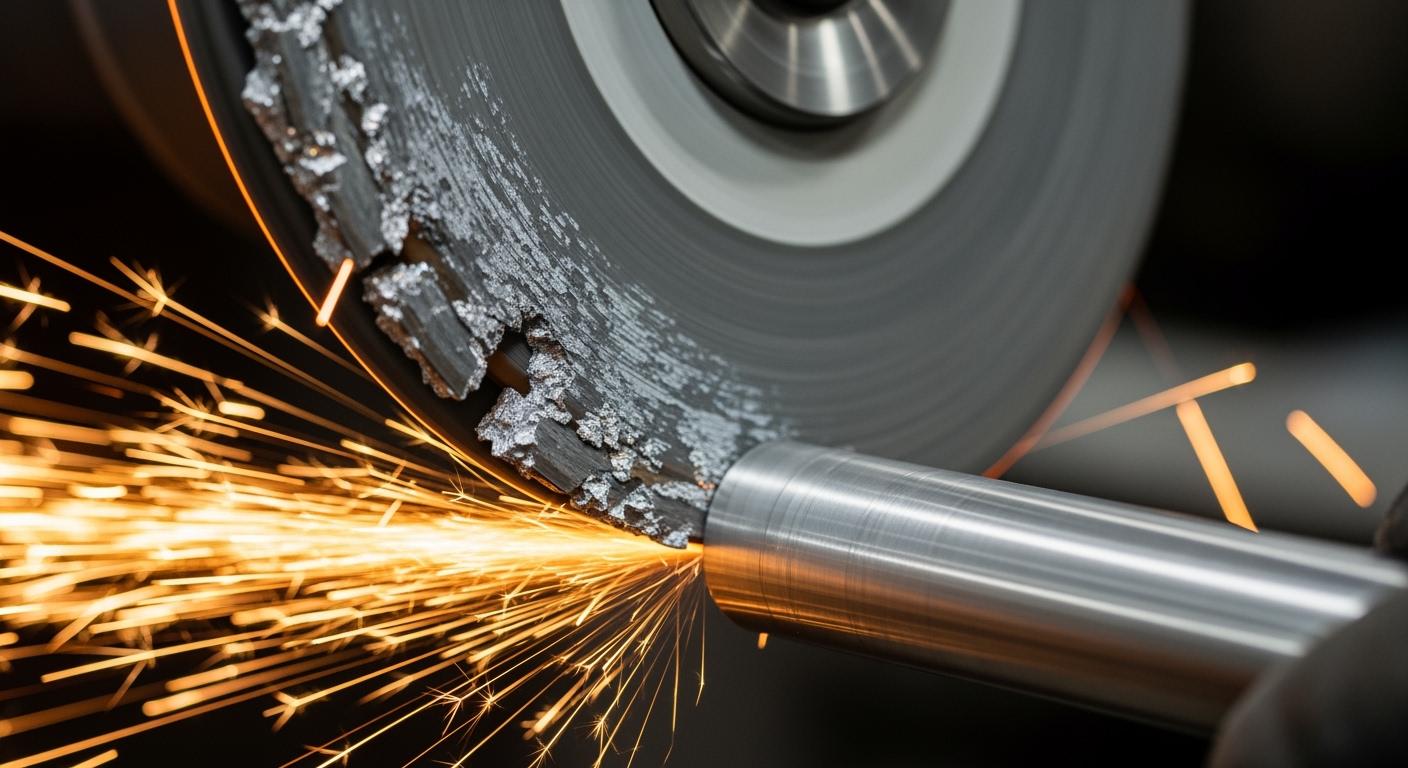
Rapid wheel wear during High-Speed Steel (HSS) grinding creates high costs. This issue also causes production delays. Many workshops struggle with grinding wheels that wear down too quickly. This article provides a clear guide. It helps diagnose the causes of excessive wheel wear. It also offers effective solutions for your grinding operation. The goal is to improve the lifespan of your grinding wheel. Proper grinding techniques can reduce wheel wear. This keeps your grinding wheels and other wheels lasting longer. A better grinding wheel means better results. We will explore how to manage these grinding wheels and wheels for optimal performance.
Key Takeaways
- Rapid wheel wear in HSS grinding costs a lot of money. It also causes delays in work.
- Incorrect grinding wheel choice, wrong machine settings, and poor cooling cause fast wheel wear.
- Choose the right grinding wheel, like CBN wheels, for HSS. This helps the wheel last longer.
- Adjust machine settings to avoid too much heat. Make sure to use enough coolant.
- Clean and sharpen your grinding wheel often. This keeps it working well and makes it last longer.
Key Causes of Wheel Wear in HSS Grinding
Understanding the root causes of wheel wear is the first step toward a solution. Rapid wheel wear is rarely due to a single factor. It often results from a combination of issues in your grinding process. Identifying these specific problems is crucial for extending the life of your grinding wheels and preventing abrasive tool issues. Let’s examine the primary causes of wheel wear.
Incorrect Grinding Wheel Choice
Selecting the right grinding wheel is fundamental. A mismatch between the wheel and the HSS material is a common reason for the problem of wheel life too short. The abrasive material, grit size, and bond type all play significant roles. Using the wrong abrasive can cause excessive wear. For HSS grinding, a superabrasive like CBN is often superior to conventional abrasive types. The choice of grit size also directly impacts the wear on your wheels.
- Using a smaller grit size (a finer abrasive) typically leads to increased wheel wear.
- Angular grits tend to fracture more easily. This results in greater wear on the grinding wheel compared to blocky grits.
Choosing the correct grinding wheels from the start prevents many downstream problems. The wrong wheel will struggle, leading to overheating and rapid breakdown.
Improper Parameters Causing Rapid Wheel Wear
Your machine settings have a massive impact on the life of your grinding wheels. Aggressive parameters can destroy a wheel quickly. High infeed rates or excessive grinding speeds generate extreme heat and pressure. This leads to overheating and accelerates the wear on the abrasive grains. The wheel breaks down faster than it can effectively perform its cutting action. This not only wears out the wheel but can also damage the workpiece surface. Slowing down the grinding process might seem counterintuitive. However, optimized parameters ensure a longer life for your wheels and better overall efficiency. Finding the right balance is key to preventing premature wheel wear.
Ineffective Coolant Application
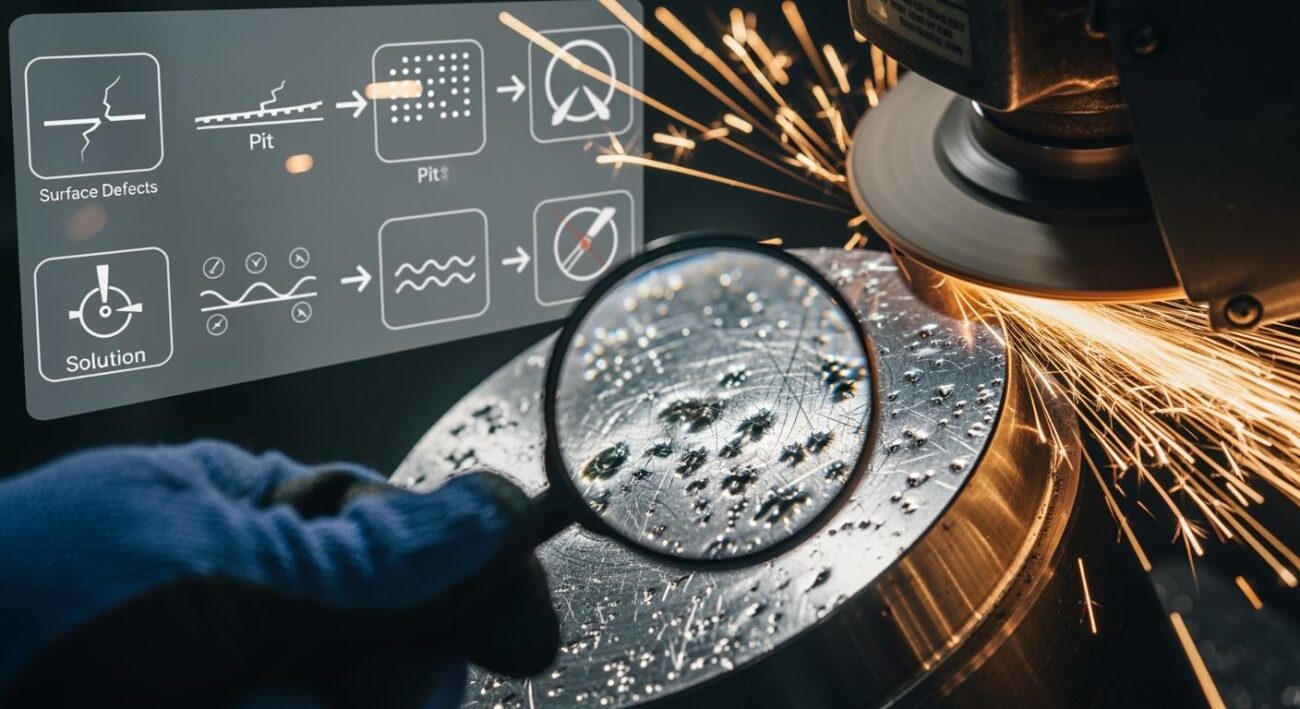
Coolant does more than just cool the part; it is essential for the entire grinding system. Ineffective cooling is a major source of abrasive tool issues and rapid wear. It can lead to overheating, thermal damage, and even cracks on the workpiece surface.
Carl J. states that “insufficient coolant can cause cracking in the surface due to localized heating/cooling.” He notes that grinding temperatures can reach 2000°F to 3000°F. This heat creates high stress on the part’s outer skin. If the stress is too great, the surface will crack.
Without enough coolant, the grinding wheel bond can degrade quickly. Standard resins may char at temperatures as low as 400°F, causing the wheel to lose its abrasive grains. This forces the wheel to break down to expose fresh cutting edges, significantly shortening its life. The wrong type of fluid also creates problems. Using water alone causes rust on machinery. Some fluids with amine-based additives can cause cobalt to leach from HSS tools, reducing tool performance and creating health hazards. Proper coolant application is vital for managing heat and extending the life of your grinding wheels.
| Aspect | Wet Grinding (Sufficient Coolant) | Dry Grinding (Insufficient Coolant) |
|---|---|---|
| Bond Hardness | Allows for harder, more durable bonds | Requires softer, free-cutting bonds |
| Thermal Management | Fluid actively removes heat, preventing overheating | Heat absorbed by workpiece or wheel, leading to overheating |
| Wheel Life | Increased lifespan, holds sharp corners longer | Rapid breakdown of bond, reduced wheel life |
| Friction | Reduced due to lubrication | Immense friction, can instantly burn part |
| Chip Evacuation | Fluid flushes out swarf, prevents loading | Chips can clog wheel without fluid |
Wheel Loading and Glazing Issues
Two other common abrasive tool issues are loading and glazing. Both stop the wheel from cutting effectively and can increase wear.
- Loading happens when chips from the workpiece clog the pores of the grinding wheel. The wheel becomes smooth and stops cutting. This increases friction and heat, which can cause the wheel to wear down as it rubs instead of cutting.
- Glazing is when the abrasive grains on the wheel become dull. The cutting edges are worn flat, and the wheel loses its sharpness. This phenomenon negatively impacts cutting efficiency. A glazed wheel will not cut properly, leading to a
poor surface finishand a situation where thewheel not cutting. This forces the operator to apply more pressure, which generates more heat and accelerates wheel wear. Using a softer grinding wheel can help prevent glazing, as it allows dull grains to break away and expose new, sharp abrasive particles.
Proper dressing and truing of your wheels are necessary to fix these issues and maintain an effective cutting surface.
Solutions for Extending Grinding Wheel Life
Solving rapid wheel wear requires a systematic approach. You must look at your entire grinding process. Small adjustments in several areas can lead to big improvements. This saves money and boosts productivity. Let’s explore the key solutions to extend the life of your grinding wheels.
Select the Right Grinding Wheels
The most important step is choosing the correct grinding wheel. The abrasive material, grit size, and bond type must match your HSS material. Using the wrong wheel is a primary cause of abrasive tool issues and excessive wear.
For grinding hard materials like HSS, Vitrified CBN (Cubic Boron Nitride) wheels are a top choice. They offer long life and high precision. When selecting a wheel, consider these points:
- Abrasive Type: Superabrasives like CBN are much harder than conventional abrasives. This hardness is ideal for cutting tough HSS.
- Grit Size: Use finer grits for better surface finishes on hard materials. Coarser grits are better for removing a lot of material quickly.
- Bond Grade: A softer bond is better for hard materials. It allows dull abrasive grains to break away, revealing fresh, sharp cutting edges. This self-sharpening action prevents glazing.
Finding the perfect wheel can be complex. This is where a specialized provider like Aimgrind can help. Aimgrind focuses on customized grinding solutions. They match the wheel to your specific equipment and process.
For HSS grinding, Aimgrind’s CBN grinding wheels are a premium solution. These wheels directly solve the problem of rapid wheel wear. Their key advantages include:
- Exceptional Hardness: CBN is one of the hardest materials available. This means the abrasive grains resist wear and stay sharp longer.
- Cooler Operation: CBN has excellent thermal conductivity. It pulls heat away from the workpiece, preventing overheating and thermal damage.
- Longer Lifespan: These wheels last much longer than conventional wheels. This reduces downtime for wheel changes and lowers overall costs.
By investing in a high-performance wheel like an Aimgrind CBN grinding wheel, you create a more stable and efficient grinding process.
| Feature | Traditional Wheels (e.g., Aluminum Oxide) | CBN Wheels (Cubic Boron Nitride) |
|---|---|---|
| Hardness | Wears down faster on hard steel. | Superior wear resistance, stays sharp. |
| Thermal Conductivity | Poor; can cause overheating. | Excellent; keeps the part and wheel cool. |
| Lifespan | Shorter; requires frequent replacement. | Significantly longer, reducing downtime. |
| Grinding Efficiency | Less efficient; slower material removal. | Highly efficient; faster cutting action. |
| Dressing Frequency | Requires frequent dressing. | Needs less frequent maintenance. |
Optimize Your Grinding Parameters
Your machine settings are critical. Aggressive parameters cause overheating and put extreme stress on the grinding wheel. This leads to faster wear. You must find the right balance between speed and efficiency.
💡 Tip: A small reduction in the infeed rate or wheel speed can dramatically increase the life of your grinding wheels. The goal is a stable grinding process, not just a fast one.
Focus on these key parameters:
- Wheel Speed: Running the wheel too fast can generate excess heat. Follow the manufacturer’s recommendations for your specific wheel and material.
- Infeed Rate: A high infeed rate forces the abrasive grains to work too hard. This can cause them to fracture or pull out of the bond, increasing wheel wear.
- Depth of Cut: Taking too deep of a cut in a single pass creates immense pressure and heat. Lighter passes often result in better performance and less wear.
Optimizing these settings reduces stress on the wheel. It prevents glazing and loading. This ensures the wheel is cutting effectively instead of rubbing, which is a major source of abrasive tool issues.
Enhance Your Coolant Strategy
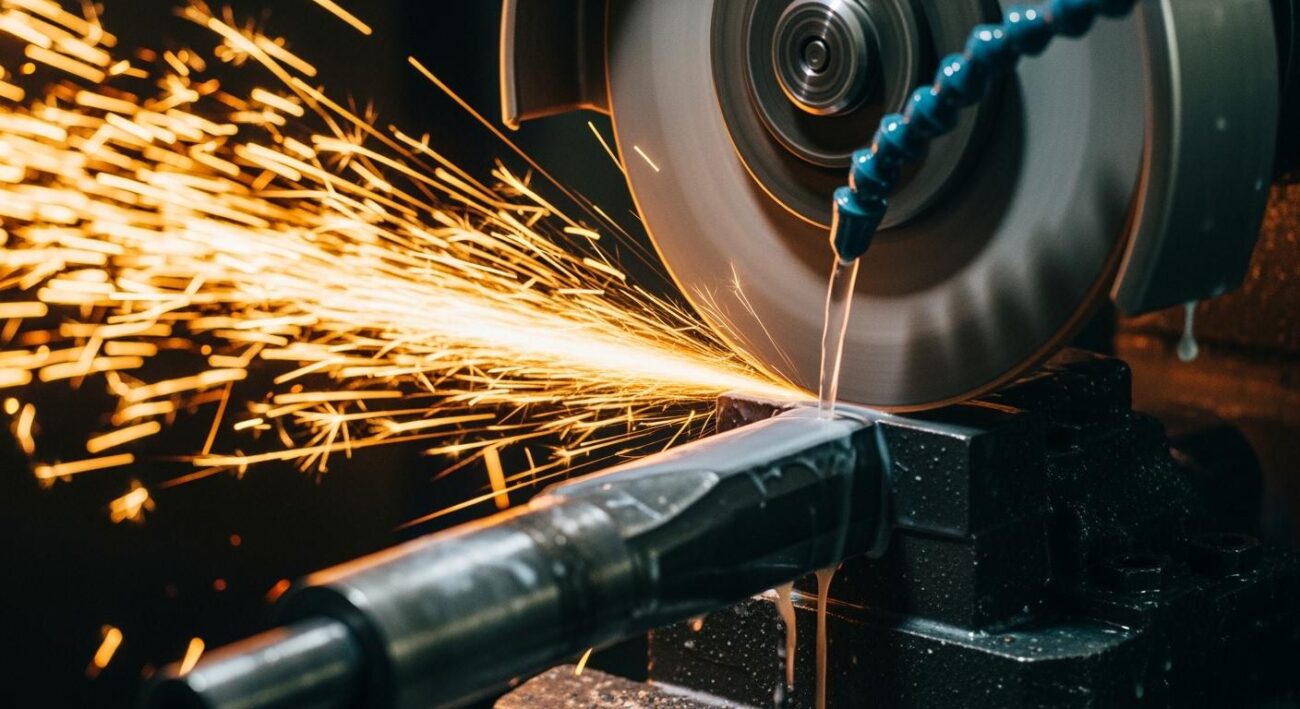
Coolant is essential for HSS grinding. It does more than just cool the part. It lubricates the cutting zone, flushes away chips, and protects the grinding wheel bond from overheating. An ineffective coolant strategy is a recipe for abrasive tool issues.
Choosing the right coolant type is important.
- Synthetic Coolants: These oil-free fluids offer excellent cooling and keep the machine clean. They are great at preventing wheel loading and protecting against rust.
- Oil-Based Coolants: These provide superior lubrication. This reduces friction and wear on the abrasive grains. For HSS grinding with CBN wheels, oil can increase wheel life significantly by preventing thermal shock and oxidation.
- Semi-Synthetics and Soluble Oils: These offer a balance of cooling and lubrication.
There is some debate in the industry about the best choice.
Robert R. states that oil coolants are required in many CBN applications for greatly increased grinding wheel life. However, another user, Bob, disagrees for HSS, saying, “Have never seen a oil coolant run better or equal to a water based in this application.”
This shows that the best choice may depend on your specific setup. Testing is key.
Beyond type, coolant maintenance is vital.
- Filtration: Clean coolant is crucial. Filtration systems remove metal chips and sludge. This prevents wheel loading, reduces bacterial growth, and extends the life of both the fluid and your equipment.
- Temperature Control: Consistent coolant temperature is necessary for precision grinding. Sudden temperature changes can damage the wheel, machine, and workpiece.
A well-managed coolant system is a cornerstone of good grinding wheel maintenance.
Master Wheel Dressing and Truing
Over time, every grinding wheel will need maintenance to restore its cutting ability. The two key processes are truing and dressing. Understanding the difference is essential for proper wheel care.
| Aspect | Truing | Dressing |
|---|---|---|
| Purpose | Restores the wheel’s shape and balance. | Cleans and sharpens the wheel’s surface. |
| Procedure | Reshapes the wheel to be perfectly round. | Removes clogged material and dull abrasive grains. |
| When to do it | When the wheel is out of balance or has lost its shape. | When cutting performance drops or the wheel is loaded. |
| Outcome | Ensures precision and smooth rotation. | Restores cutting efficiency and improves surface finish. |
Truing is done less often. Dressing is a more frequent maintenance task to fix a wheel not cutting issue or a poor surface finish. Regular dressing can restore up to 98% of a wheel’s grinding efficiency.
For CBN wheels, special tools and techniques are needed.
- Tools: Diamond rotary dressers are often recommended for vitrified CBN grinding wheels. You can also use dressing sticks designed for CBN.
- Technique: The process requires precision. For example, a common technique involves setting a specific velocity ratio (around 0.8) between the dresser and the grinding wheel. This effectively removes the bond material to expose fresh, sharp abrasive particles. The depth of dress should be very small, often around 0.0002 inches per pass.
Proper dressing and truing are not optional. They are fundamental practices that prevent abrasive tool issues, improve part quality, and maximize the life of your expensive grinding wheels.
Stopping rapid wheel wear requires a systematic approach to your grinding. A successful strategy involves three key steps. First, choose the correct abrasive grinding wheel, like Aimgrind’s CBN wheels. Second, optimize your grinding parameters. Third, ensure effective coolant and wheel maintenance. This comprehensive maintenance prevents wheel wear and boosts abrasive performance. Proper care for each grinding wheel and all grinding wheels reduces wear. This improves the performance of every wheel, as good maintenance of the grinding wheel prevents abrasive wear. Implementing these steps for your grinding wheels reduces costs and extends the life of each wheel, wheel after wheel.
Grind with Passion, Achieve with Aim.
FAQ
Why is my grinding wheel wearing out so fast?
Rapid wheel wear often comes from a few key issues. Your grinding parameters might be too aggressive. You could be using the wrong type of wheel for the job. Ineffective cooling during the grinding process also causes major problems and shortens the life of your wheel.
What is the best wheel for HSS grinding?
For High-Speed Steel (HSS) grinding, a CBN (Cubic Boron Nitride) wheel is an excellent choice. This type of wheel is very hard and handles heat well. It provides a longer life and better performance for tough grinding tasks, making it a superior option for this specific grinding application.
How often should I dress my grinding wheel?
You should dress your grinding wheel when you notice a drop in performance.
Signs include a poor surface finish or if the wheel stops cutting effectively. Regular dressing is key maintenance for any grinding operation. It keeps the wheel sharp and clean for efficient grinding.
Can I use one wheel for all grinding jobs?
No, using one wheel for all grinding jobs is not recommended. Different materials and grinding tasks require specific wheel types. Using the correct wheel ensures better results, improves safety, and extends the life of the wheel. Always match the wheel to your specific grinding needs.
Contact Us
For More Grinding Solution or Customized Abrasive Tools