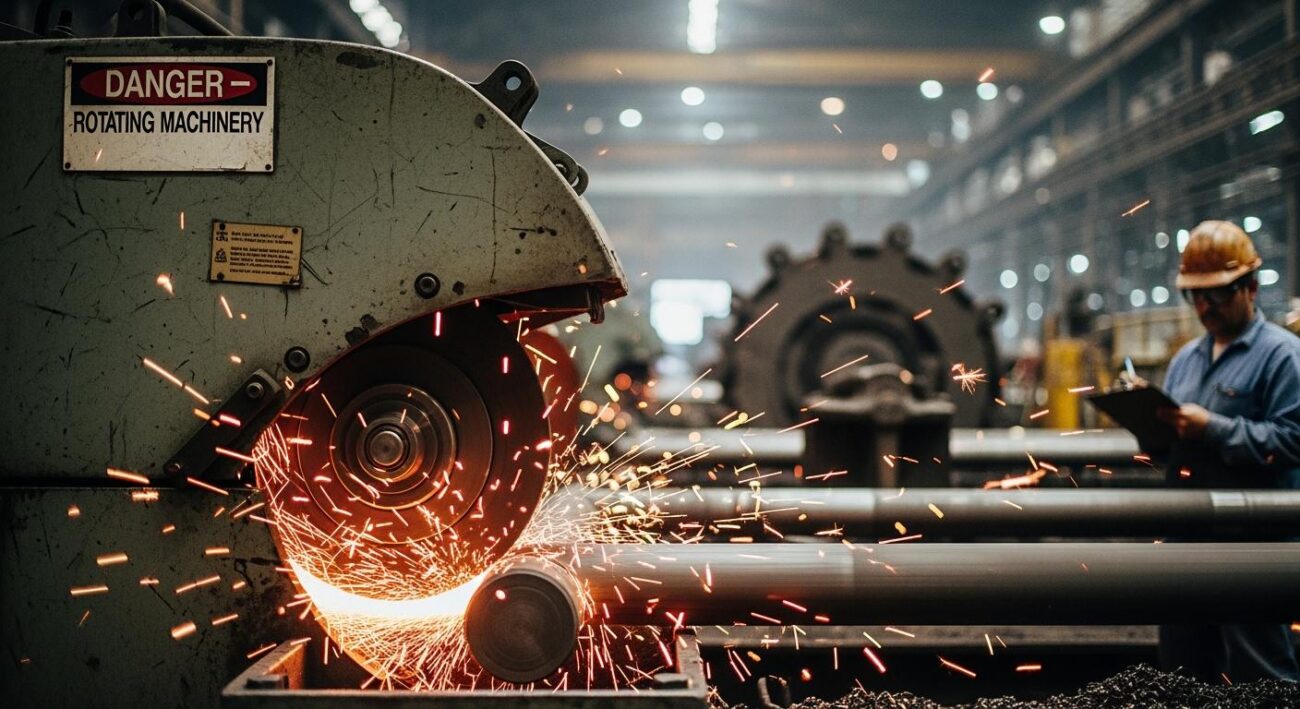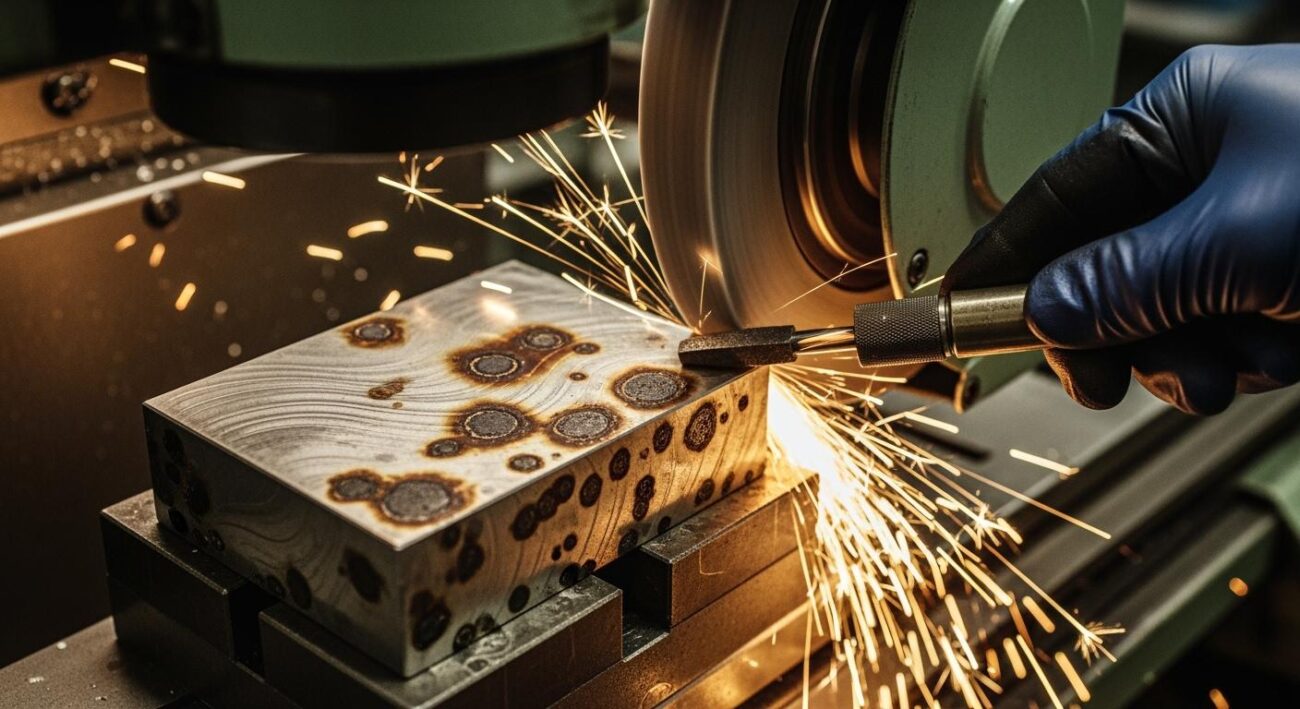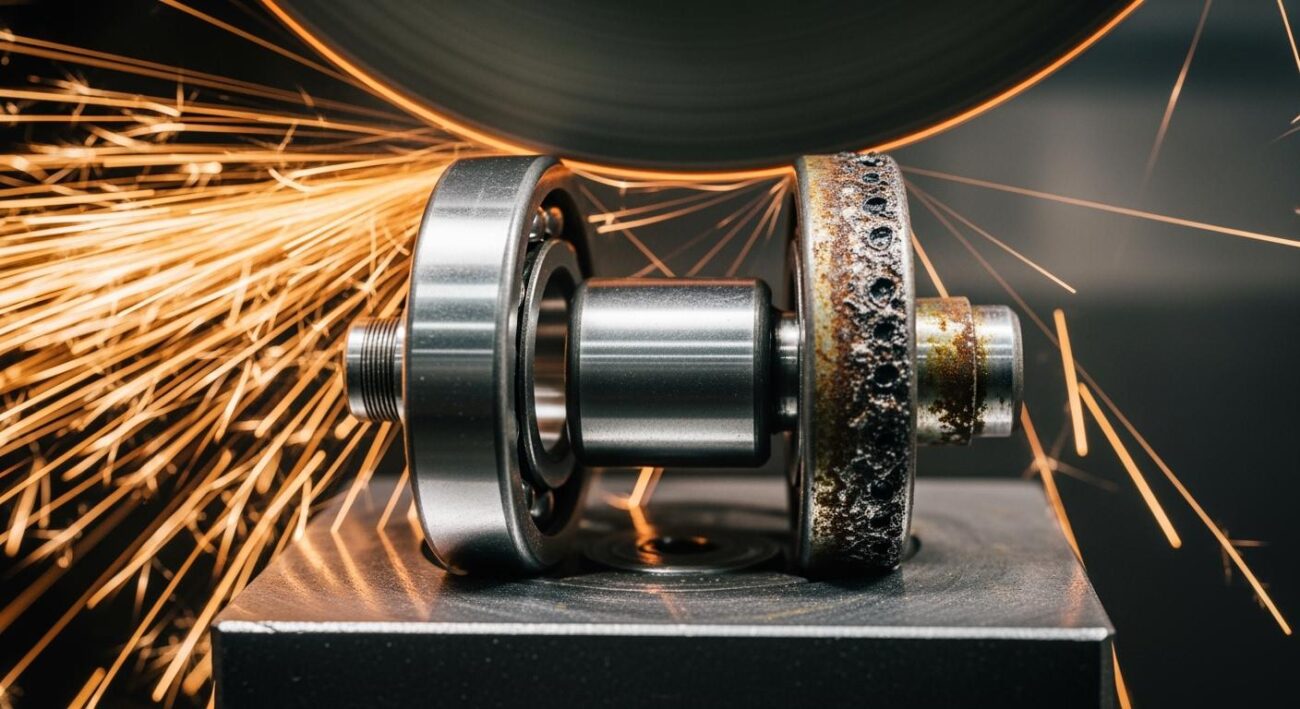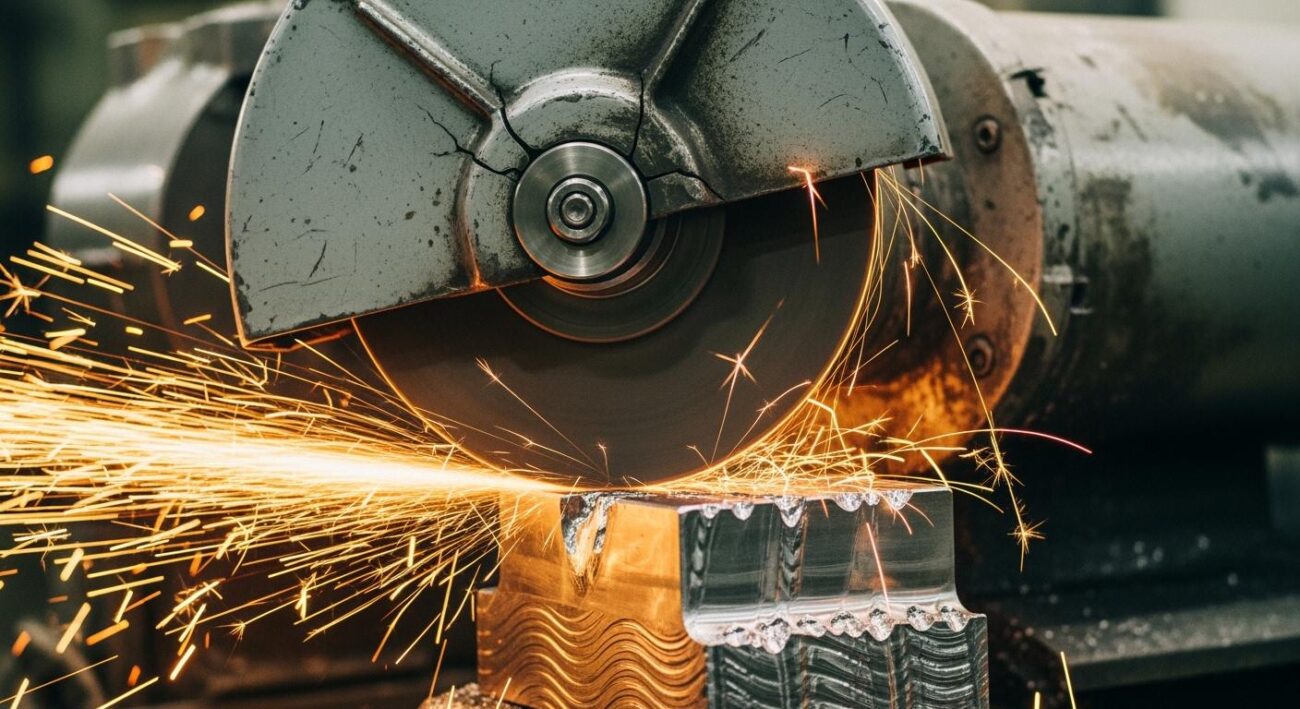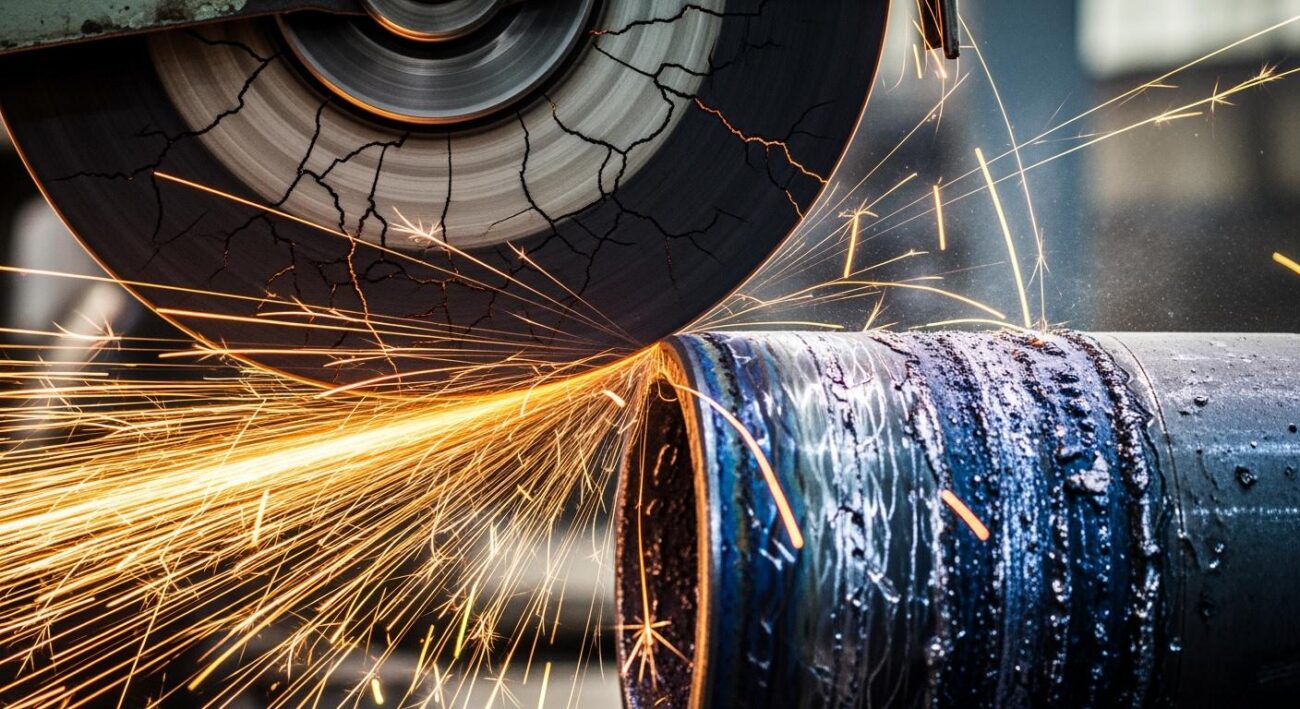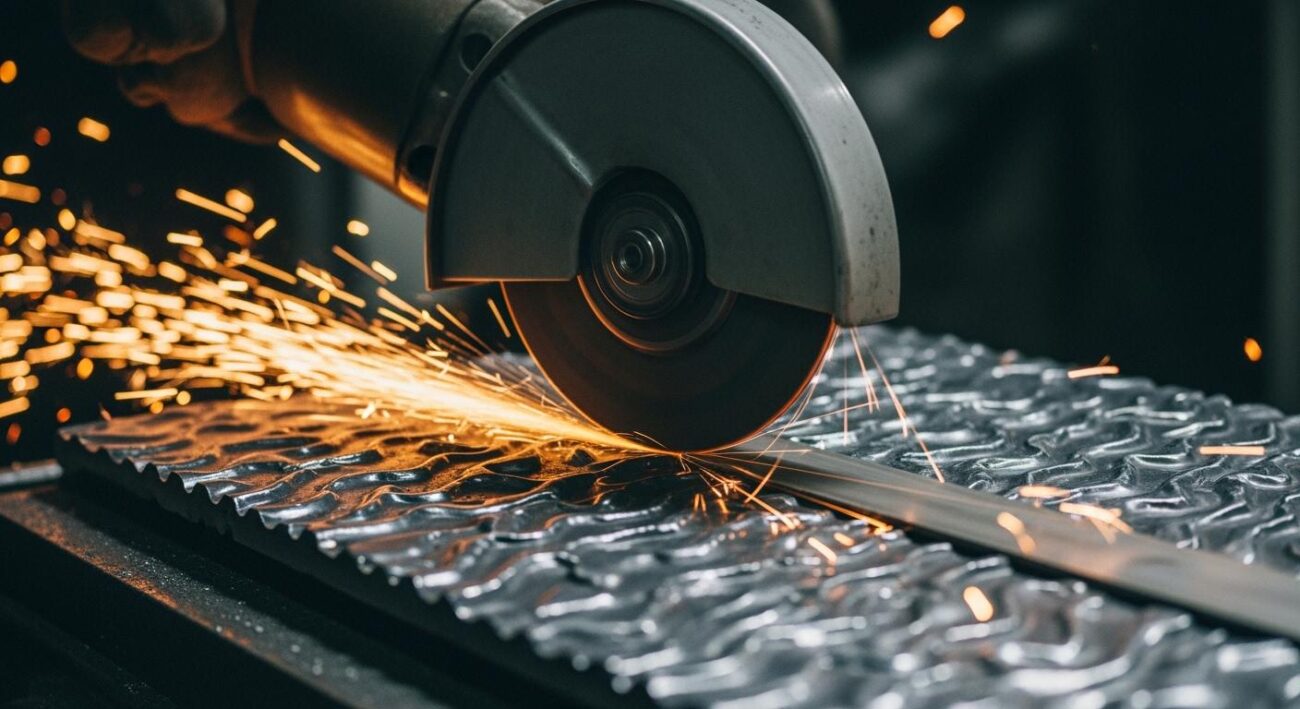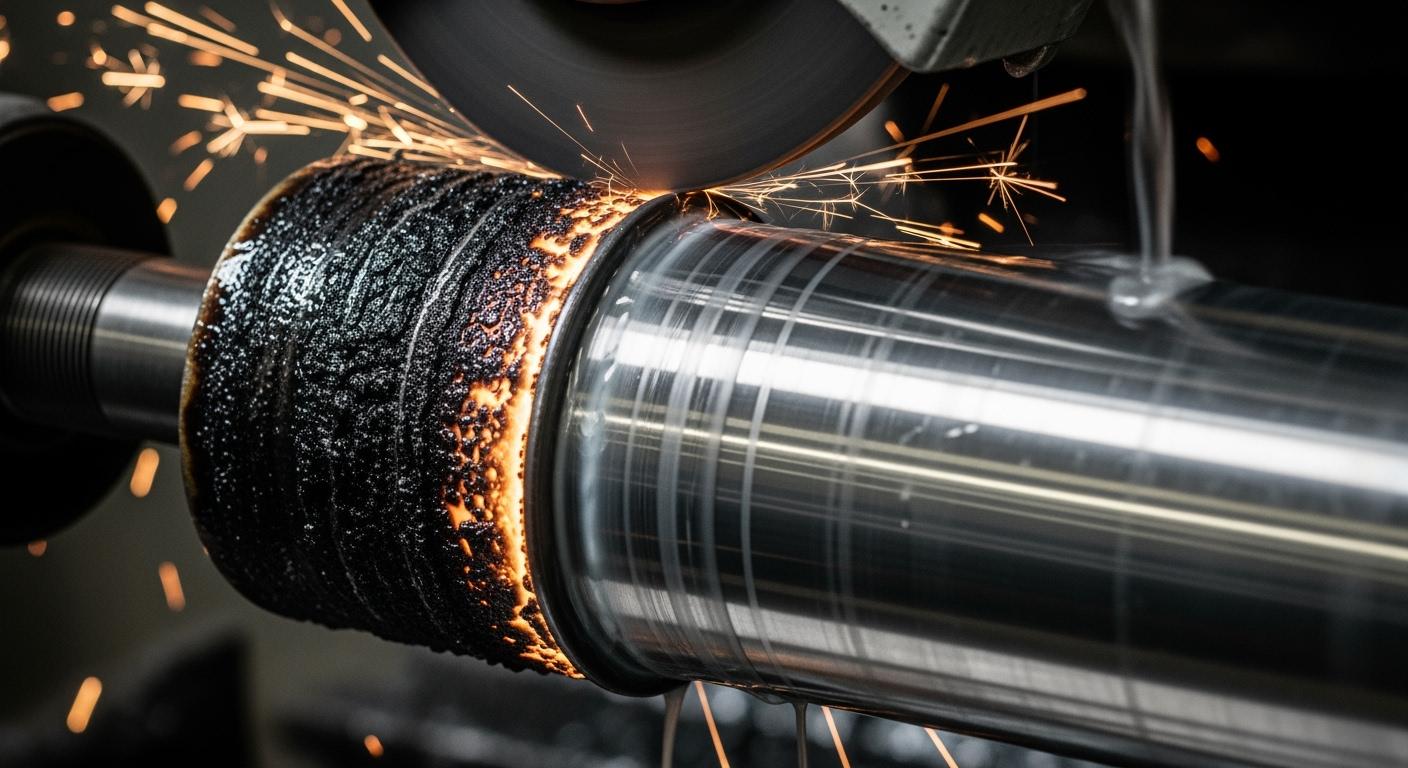
Your grinding operation likely faces costly grinding problems. Wheel loading, workpiece burning, and a poor surface finish are frequent issues. These grinding problems are not inevitable.
Effective solutions exist. A proper grinding fluid strategy directly targets these common issues and solutions. This approach improves your grinding wheel’s cutting action, boosts grinding efficiency, and ensures a superior finish. You will enhance your grinding wheel life and overall grinding process efficiency. Your wheel will perform better for every grinding task.
Key Takeaways
- A good grinding fluid strategy fixes common problems like wheels getting clogged, parts getting burned, and bad surface finishes.
- To stop your grinding wheel from getting clogged, use fluids that make it slippery and flush away metal chips with strong streams.
- To prevent parts from burning, use water-based fluids that cool very well and make sure there is enough fluid flowing.
- To get a smooth finish, balance how slippery the fluid is with its cooling power, and always keep the fluid very clean.
- Choose the right fluid for your material, apply it correctly, and check it daily to keep your grinding process working its best.
Preventing Wheel Loading with Fluid
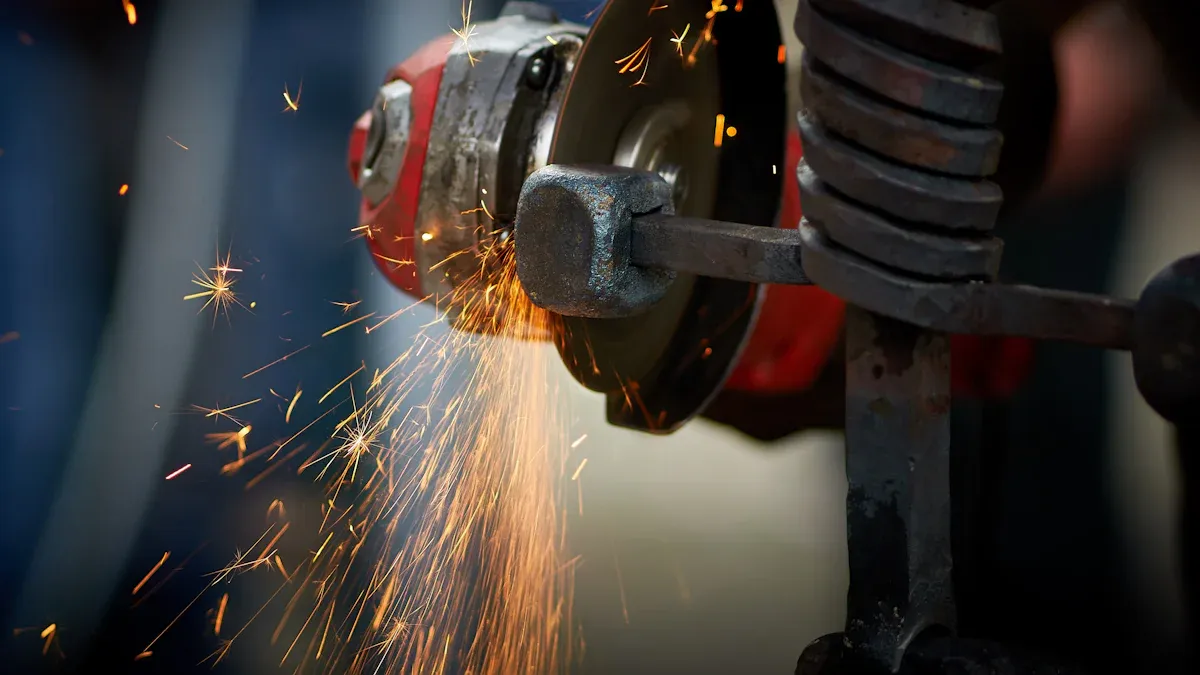
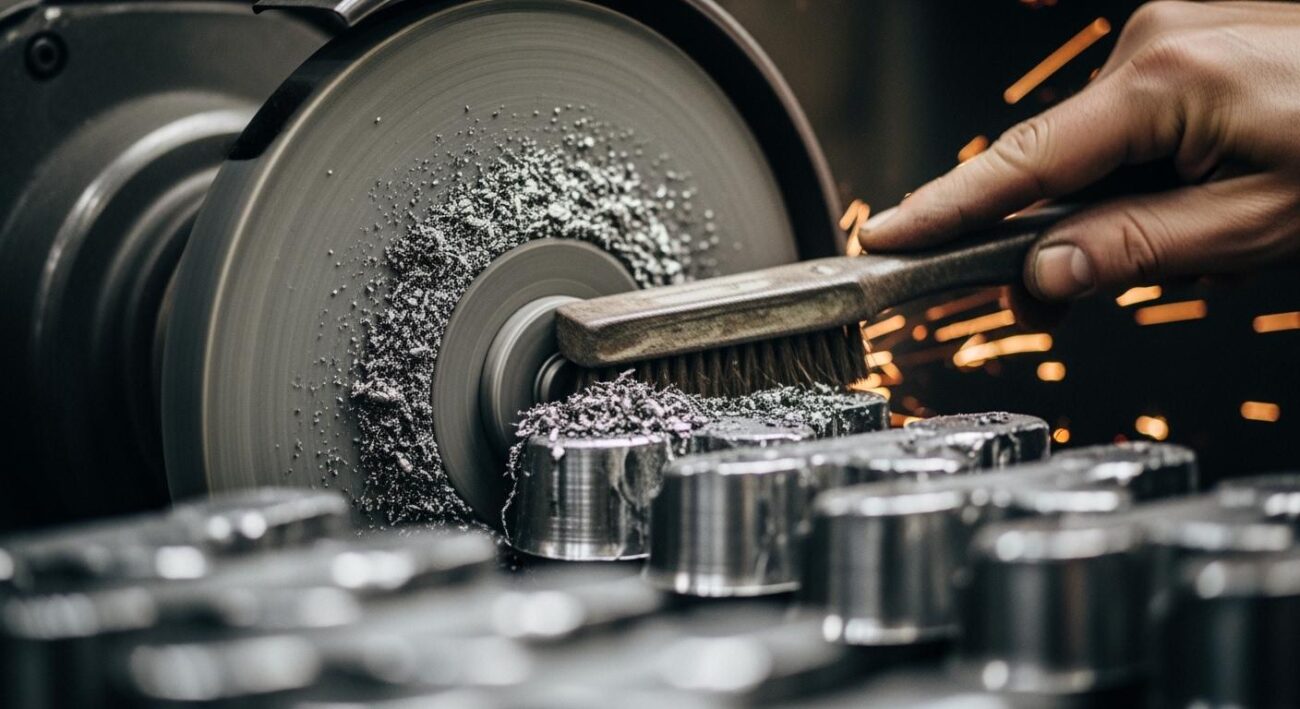
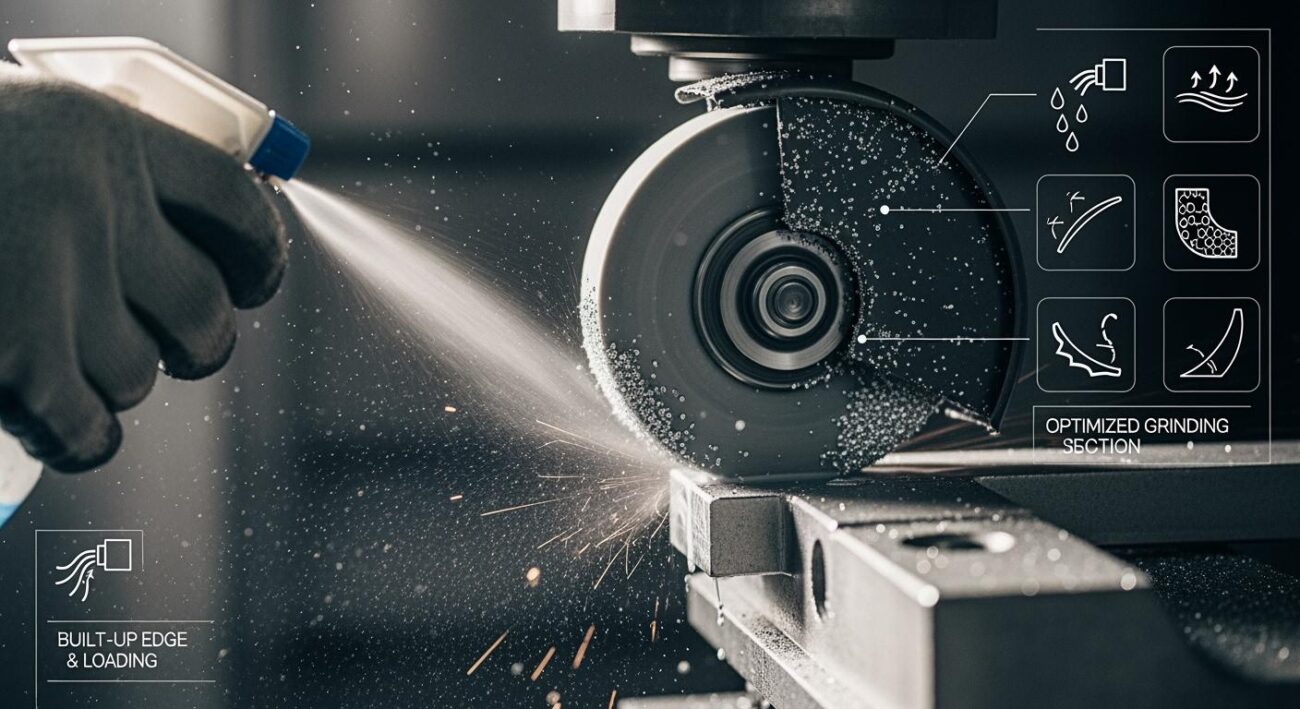
Wheel loading is a primary reason your grinding wheel stops performing. It occurs when workpiece material clogs the abrasive surface of the wheel. This makes your wheel not cutting effectively. A smart fluid strategy directly prevents this issue by focusing on two key actions: boosting lubricity and optimizing chip flushing.
Boosting Lubricity to Reduce Adhesion
You can stop material from sticking to your grinding wheel in the first place. High-lubricity fluids, like oils or synthetics with Extreme Pressure (EP) additives, create a powerful chemical barrier. This barrier is crucial for an efficient grinding process.
Without it, tiny metal chips weld onto the abrasive grains of your wheel. This buildup causes problems like a wheel cutting slowly and contributes to a short wheel life too short. EP additives prevent this through a specific chemical reaction:
- Reaction: The additives react with the hot metal surfaces in the grinding zone.
- Film Formation: This reaction forms a thin, protective film on the workpiece.
- Prevention: This film acts as a barrier, preventing chips from welding to your grinding wheel.
This protective layer keeps your wheel clean and sharp, ensuring consistent cutting action.
Optimizing Fluid Application for Chip Flushing
Lubricity is only half the battle. You must also physically wash away the grinding swarf before it gets embedded in the wheel. Effective chip flushing depends entirely on your fluid application.
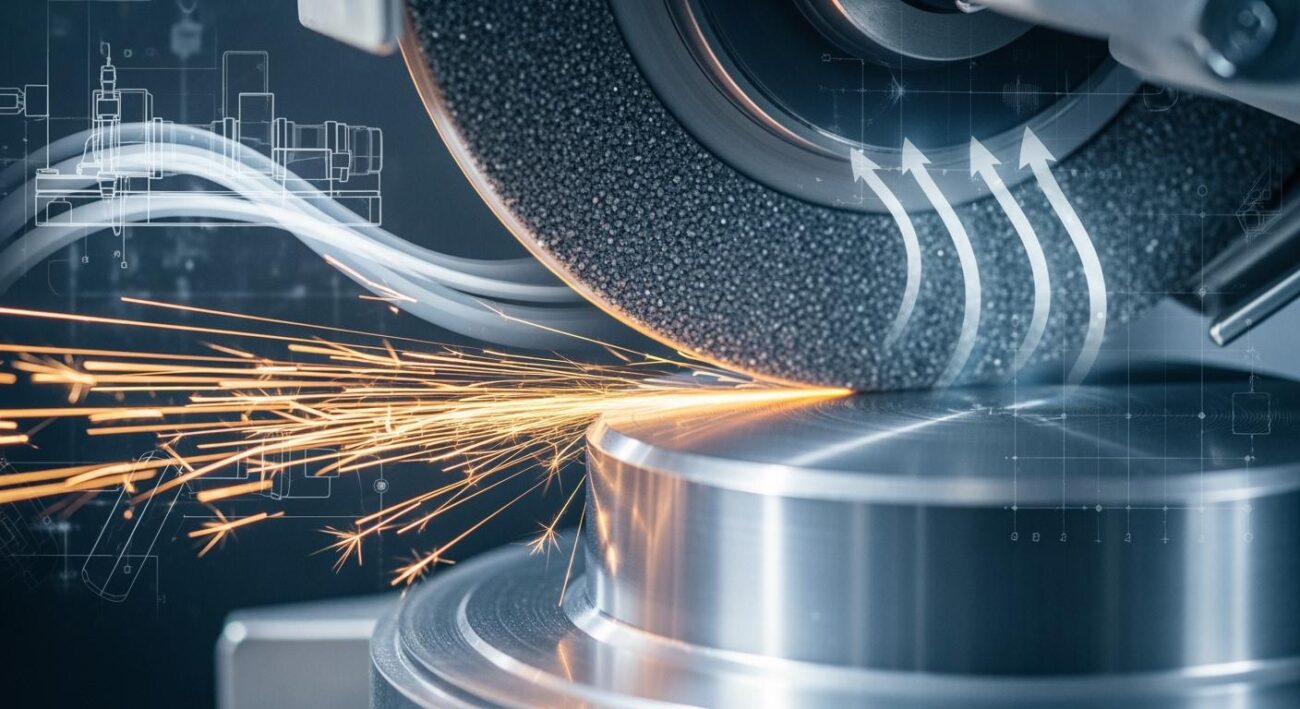
Pro Tip: Position your fluid nozzles using the “10-to-2 rule.” Imagine the grinding wheel is a clock face. Aim the fluid stream between the 10 o’clock and 2 o’clock positions to cover the entry point of the grinding zone.
Proper pressure is just as important as position. For effective flushing, you often need high nozzle pressure, sometimes between 500 to 1,000 psi. This high-pressure stream acts like a power washer for your grinding wheel. It scrubs the pores of the wheel clean, preventing loading and ensuring the wheel is not cutting poorly. A clean wheel maintains its cutting ability throughout the entire grinding operation.
Eliminating Workpiece Burning
Workpiece burning is a clear sign of extreme heat in the grinding zone. This thermal damage appears as discoloration on your part’s surface, but the real harm lies deeper. It can alter the material’s hardness, create residual stress, and ruin the component’s integrity. You can eliminate burning by focusing your fluid strategy on superior heat removal.
Maximizing Cooling to Prevent Thermal Damage
Your grinding wheel generates immense heat from friction and material shearing. Without proper cooling, workpiece temperatures can skyrocket past 1000°C. This intense heat causes thermal damage, leading to soft spots from excessive tempering or brittle “white layers” from rehardening. The key is to pull that heat away before it damages the part.
Water-based fluids are exceptionally effective at this task. Water has a high specific heat capacity, meaning it absorbs more heat energy than oil-based fluids. This makes water-based coolants the superior choice for high-heat grinding operations.
| Coolant Type | Viscosity | Heat Dissipation |
|---|---|---|
| Water-based | Low viscosity allows for excellent heat dissipation. | Superior cooling for high-speed grinding. |
| Oil-based | High viscosity provides less effective heat dissipation. | Offers moderate cooling for lower-heat jobs. |
Choosing a fluid with high cooling power is your first defense against burning.
Maintaining Fluid Concentration and Flow Rate
Having the right coolant is not enough; you must deliver it effectively. Insufficient coolant flow is a direct cause of heat buildup and workpiece burning. When your coolant flow is weak or contaminated, you will face several issues:
- Your workpiece overheats, leading to thermal damage.
- You risk cracking or warping, especially with sensitive materials.
- Clogged nozzles create uneven cooling, causing hot spots in the grinding zone.
A proven model for aggressive grinding suggests applying 1.5 to 2 gallons per minute of fluid for each horsepower of your wheel spindle. Maintaining a clean, consistent, and high-volume coolant flow ensures the heat generated by the grinding wheel is constantly carried away, preventing burning and protecting your workpiece.
Achieving a Superior Surface Finish
A flawless surface finish is the ultimate goal of any precision grinding operation. If you struggle with a poor surface finish, the cause often lies in an imbalanced or contaminated fluid. Achieving a mirror-like finish requires a fluid strategy that perfectly balances lubricity with cooling and maintains absolute cleanliness.
Balancing Lubricity and Cooling
You must manage both friction and heat to get a superior finish. Lubricity reduces friction between the grinding wheel and the workpiece, while cooling removes the intense heat generated. An imbalance leads to microscopic flaws.
- Too little lubricity causes galling and microscopic tearing on the part surface.
- Too little cooling can cause thermal distortions that ruin surface integrity.
The right fluid, applied correctly, provides both. For example, using a high-pressure coolant system can reduce surface roughness by 15–25% compared to standard flood cooling. The pressure helps the fluid penetrate the grinding zone, delivering lubrication and cooling exactly where your wheel needs it. This level of control is essential for high-precision grinding.
Ensuring Fluid Filtration and Cleanliness
Your grinding fluid is only as good as its cleanliness. Dirty fluid recirculates grinding swarf and other contaminants back into the grinding zone. These tiny particles act like rogue abrasives, scratching the workpiece and preventing a smooth finish. Some polishing compounds use particles around 3 microns, so you can imagine the damage a stray metal particle of that size could do.
Effective filtration is non-negotiable for precision work. A two-stage approach offers the best protection for your wheel and part.
Filtration Best Practices:
- Magnetic Separators: Use these first to remove nearly 100% of ferrous (iron-based) particles. This is critical in steel grinding and dramatically extends the life of your fluid and secondary filters.
- Paper Bed Filters: After the magnetic separator, a paper filter can remove the remaining non-ferrous particles and other solids. This ensures the fluid returning to the wheel is exceptionally clean, protecting your part’s final finish.
A clean fluid system is the foundation of a repeatable, high-quality grinding process.
Your 3-Step Guide to a Proper Grinding Fluid Strategy
You can transform your grinding operations from problematic to profitable. A systematic approach is your best path forward. This simple, three-step guide provides a framework for building a proper grinding fluid strategy that boosts efficiency, enhances performance, and delivers flawless parts.
Step 1: Select the Right Fluid Type
The foundation of your strategy is choosing the right fluid. Your selection depends entirely on the material you are grinding and the type of grinding operation. A fluid that excels in one application may fail in another.
Match the Fluid to the Material
Different materials have unique properties that demand specific fluid characteristics.
- Soft, Gummy Materials (e.g., Aluminum): These materials tend to load the grinding wheel quickly. Your fluid must provide excellent lubrication to prevent material adhesion and ensure smooth chip removal. It also needs outstanding corrosion resistance and a stable pH level (between 8.0 and 8.5) to prevent pitting on the part surface.
- Hard, Brittle Materials (e.g., Tungsten Carbide, Ceramics): These materials generate extreme heat. Your primary goal is cooling. Water-based coolants are often preferred for their superior heat dissipation. When grinding hard materials like ceramics or composites with high-performance tools like Aimgrind‘s diamond grinding wheels, selecting the right fluid is critical. Aimgrind‘s expertise extends to matching not just the wheel but the entire process, including fluid strategy, to the application.
Compare Fluid Chemistries
You generally have two main choices: straight oils and water-based synthetics. Each offers distinct advantages.
| Fluid Type | Key Advantages | Best For |
|---|---|---|
| Straight Oils | Superior lubricity, excellent wheel life, high-quality surface finishes. | Difficult-to-machine metals like high-nickel alloys and titanium where lubricity is paramount. |
| Synthetics (Water-Based) | Exceptional cooling, cleaner operation, easy to filter, less fire risk. | High-speed grinding operations where heat removal is the top priority. |
Note: While straight oils offer unmatched lubricity, they have poor heat dissipation and can create mist. Synthetics provide great cooling but require diligent concentration management to prevent corrosion and maintain performance. Your choice involves balancing the need for lubricity against the need for cooling.
Step 2: Optimize Application and Filtration
Selecting the right fluid is only the beginning. How you deliver and maintain that fluid determines its effectiveness. Proper application and filtration are essential for achieving peak grinding performance.
Optimize Fluid Application
Your goal is to get the fluid into the grinding zone effectively. The high-speed rotation of a grinding wheel creates an air barrier that can block coolant flow. You must overcome this barrier.
- Match Coolant Speed to Wheel Speed: For high-speed grinding, your fluid jet velocity should match the surface speed of the grinding wheel. This helps the fluid penetrate the air barrier and reach the point of contact.
- Use Proper Nozzles: Modern nozzle designs create coherent, high-velocity jets that maximize fluid delivery. For complex profiles, you should arrange nozzles to match the shape of the grinding wheel.
- Consider High-Pressure Systems: High-pressure coolant systems dramatically improve heat dissipation and chip flushing. This leads to longer wheel life, better surface finishes, and fewer part rejections, boosting overall efficiency.
Invest in a Robust Filtration System
Dirty fluid recirculates abrasive swarf, scratching your workpiece and accelerating wheel wear. An effective filtration system is not an expense; it is an investment in quality and precision.
Manufacturing consultant James J. Joseph notes that cleaning coolants transforms a financial liability into an asset. One manufacturer extended machine spindle life from one month to 2.5 years simply by upgrading its filtration.
Investing in finer filtration delivers significant returns:
- Cleaner machines and a safer work environment.
- More consistent grinding processes for tighter tolerances.
- Longer grinding wheel life with less frequent dressing.
- Reduced wear on critical machine components.
A central filtration system can even lower factory-wide air conditioning costs, freeing up floor space and capital for more productive machinery.
Step 3: Implement a Fluid Maintenance Routine
Your grinding fluid is a dynamic system that requires daily attention to deliver consistent results. A disciplined maintenance routine is the final piece of your proper grinding fluid strategy, ensuring reliability in every grinding cycle. This is especially true for precision machining, where the consistent performance of tools from Aimgrind depends on a stable process.
Daily Checks for Peak Performance
Start each day with a quick fluid inspection. This simple habit prevents most common fluid-related problems.
Daily Coolant Checklist:
- Check Concentration: Use a refractometer to check the fluid concentration. It should be within the recommended range (often 5–10%). A deviation of even 0.5% can impact performance.
- Verify Fluid Level: Ensure the coolant reservoir is full. Low levels can cause the pump to draw in air, leading to foam and poor cooling.
- Skim Tramp Oil: Remove any floating tramp oil using a belt skimmer or separator. Tramp oil seals the fluid surface, promoting anaerobic bacteria growth.
- Inspect for Contamination: Look for signs of bacterial growth, such as a foul “rotten egg” smell, discoloration, or sudden drops in pH.
Preventing Fluid Degradation
Proactive maintenance is key to extending fluid life and ensuring a safe work environment.
- Control Bacteria: Use high-quality, bioresistant fluids and practice good housekeeping. Regularly clean machine sumps to remove sludge, which is a breeding ground for bacteria. Aerating the fluid when machines are idle also inhibits bacterial growth.
- Manage Waste Responsibly: Used grinding fluid may be classified as hazardous waste. Always follow EPA, OSHA, and local regulations for disposal. Recycling fluid and selling collected swarf to scrap dealers are cost-effective and environmentally sound options.
By following these three steps—selecting, optimizing, and maintaining—you will take full control of your grinding process. You will solve persistent issues, improve part quality, and unlock new levels of precision and efficiency.
You can solve persistent grinding issues. A proper grinding fluid strategy is your most direct solution to wheel loading, workpiece burning, and poor finish. Remember, high lubricity stops your wheel from loading, superior cooling prevents burning, and a clean fluid ensures a quality finish. One engine plant saved thousands by reconditioning its grinding fluid, proving this approach works.
Take the Next Step 🚀
Use the 3-step guide to evaluate your current grinding process. For comprehensive wheel and fluid solutions that boost your grinding performance, consult the experts at Aimgrind.
FAQ
How does fluid improve my grinding wheel performance?
A proper fluid strategy boosts your grinding wheel performance and overall grinding efficiency. It cools the grinding zone, lubricates the cut, and flushes chips away. This keeps your grinding wheel sharp, extends its life, and improves part precision. Better performance means higher efficiency.
Can I use the same fluid for every grinding job?
No, you should not. Different materials and grinding operations require specific fluids. For example, hard material grinding needs excellent cooling, while soft material grinding demands high lubricity. Matching the fluid to the job is critical for precision, performance, and efficiency.
What are the most common grinding problems fluid helps solve?
The right fluid strategy offers solutions for many grinding problems. It directly addresses wheel loading, workpiece burning, and poor surface finish. These are common issues and solutions that impact your grinding wheel performance, part precision, and operational efficiency. Your wheel will deliver better performance.
How does fluid affect the precision of my grinding wheel?
Your fluid directly impacts the precision of your grinding wheel. It maintains thermal stability, preventing part distortion. Clean fluid also stops stray particles from scratching the surface. This control ensures your wheel achieves the highest precision, performance, and efficiency for every grinding task.
Why is my grinding wheel performance dropping?
Your grinding wheel performance may drop due to wheel loading or glazing. These grinding problems often stem from poor fluid application or the wrong coolant type. A clean, well-applied fluid keeps your wheel cutting, ensuring consistent performance, precision, and efficiency for your grinding process.