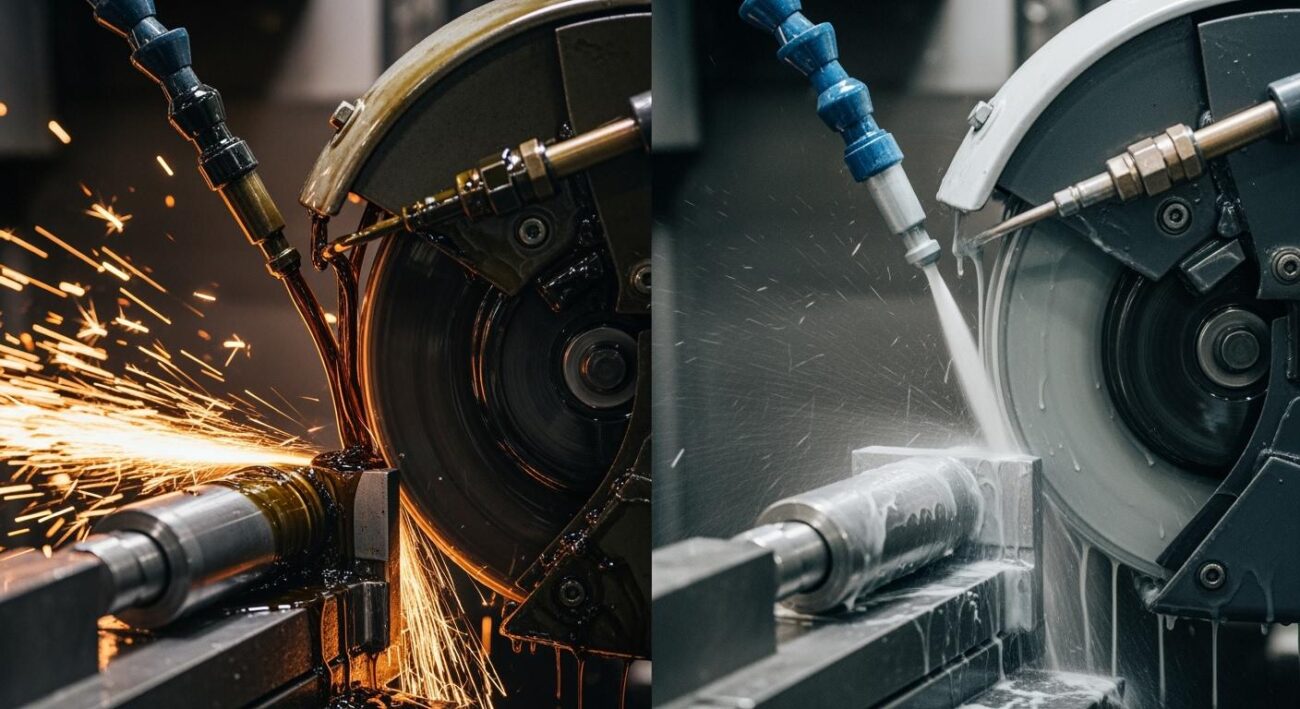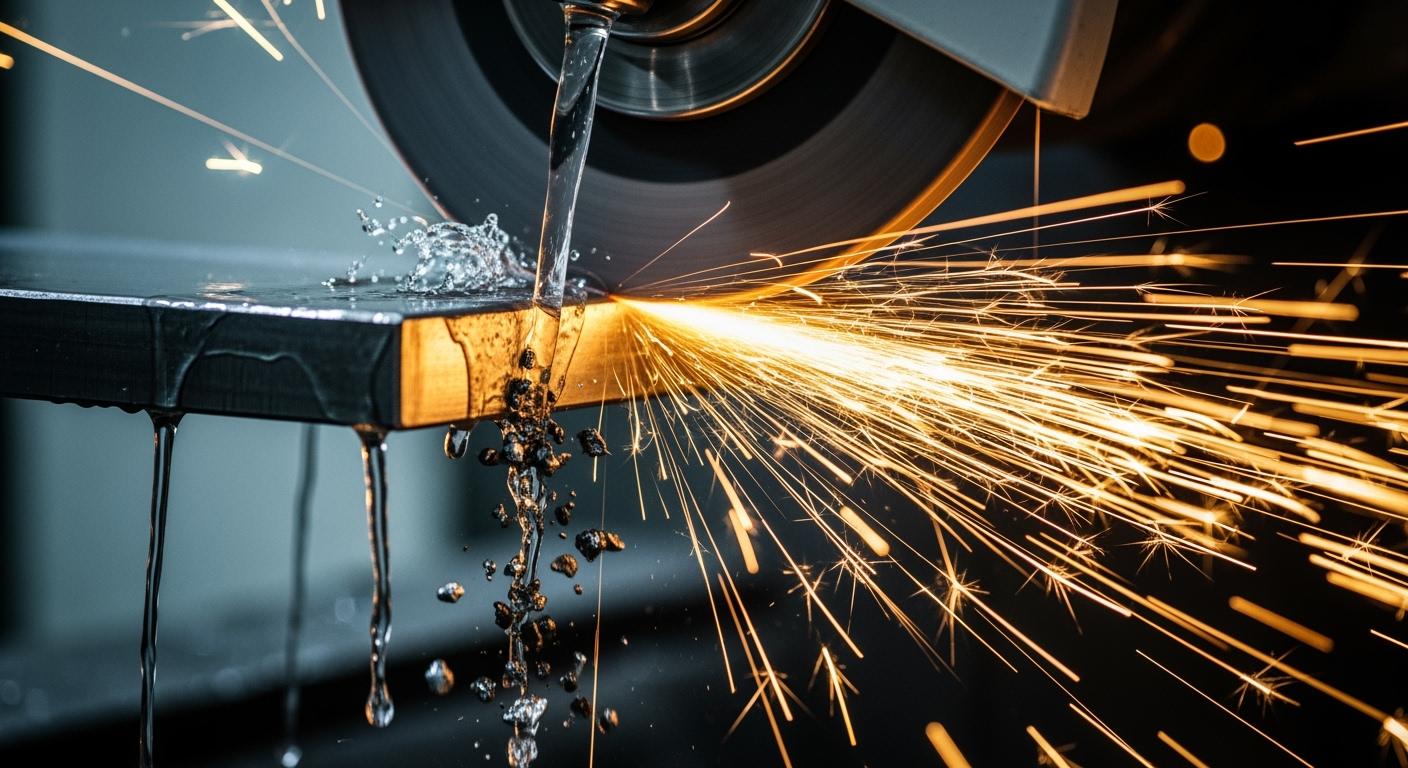
Grinding fluids are an essential component for any high-precision grinding operation. The growing market for cutting and grinding fluids highlights their importance in modern manufacturing.
This raises a key question: What are the core functions of grinding fluids? Understanding the functions of grinding fluids reveals the benefits of using cutting and grinding fluids. Proper selection of a grinding fluid, often grouped with cutting fluids and metalworking fluids, directly impacts part quality and process efficiency across all applications of cutting and grinding fluids.
Key Takeaways
- Grinding fluids keep things cool. They stop parts from getting too hot. This prevents damage and keeps parts the right size.
- Grinding fluids make things smooth. They reduce rubbing between tools and parts. This helps tools last longer and makes parts look better.
- Grinding fluids clean the work area. They wash away small metal bits. This stops scratches and keeps the grinding wheel working well.
- Grinding fluids protect against rust. They stop metal parts and machines from rusting. This keeps equipment safe and parts in good condition.
The Cooling Role of Grinding Fluids
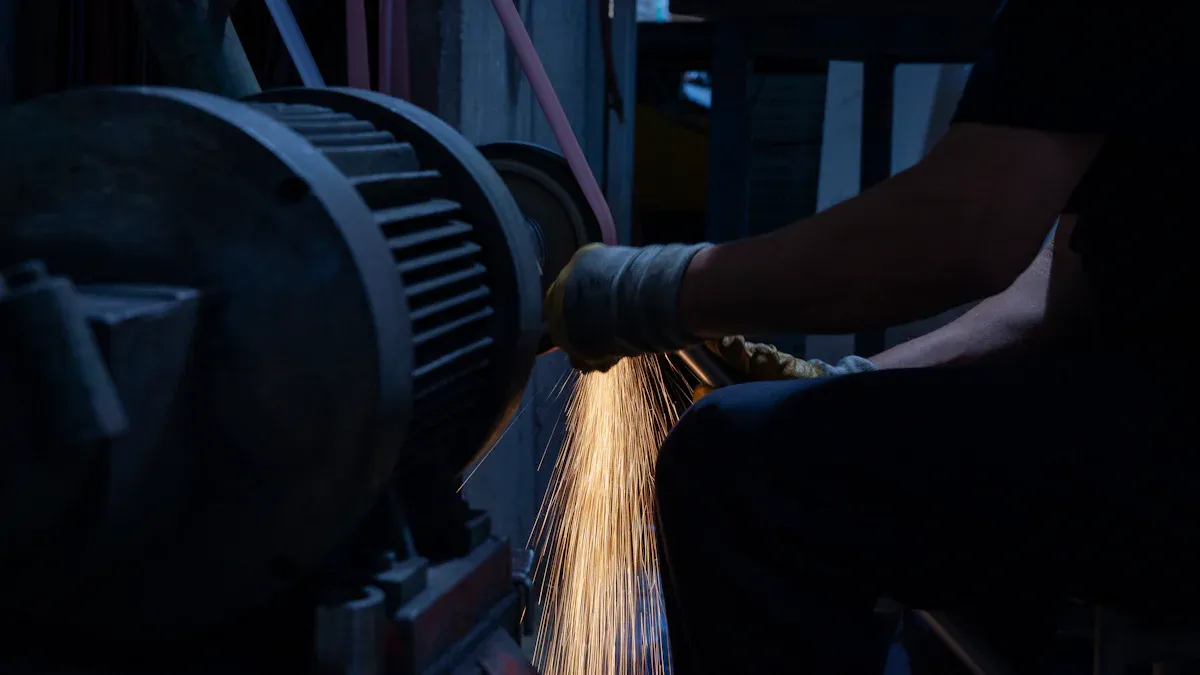
The grinding process generates intense friction and heat at the point of contact between the abrasive wheel and the workpiece. A primary function of grinding fluids is to manage this thermal energy. Effective cooling is critical for maintaining precision and protecting the integrity of the final part.
Absorbing and Removing Heat
Grinding fluids act as a heat transfer medium. They flood the grinding zone, absorb thermal energy, and carry it away from both the workpiece and the grinding wheel. This continuous cycle prevents temperatures from reaching damaging levels. The effectiveness of this process depends heavily on the fluid’s composition, as different types of cutting and grinding fluids have distinct thermal characteristics.
Preventing Workpiece Distortion
Heat causes materials to expand. This phenomenon, known as thermal expansion, can lead to significant dimensional inaccuracies in precision parts. For example, aluminum expands much more than steel when exposed to the same temperature increase.
| Material | Coefficient of Thermal Expansion (x10⁻⁶ /°C) |
|---|---|
| Aluminum | 21-24 |
| Steel | 11-13 |
Even a small amount of uncontrolled expansion can cause a part to fall outside of its required tolerances. The proper application of coolants stabilizes the workpiece temperature, preventing this distortion and ensuring dimensional accuracy.
Avoiding Metallurgical Damage
Excessive heat can permanently damage the workpiece surface, a defect known as grinding burn. This damage occurs at specific temperatures and can soften the material or create brittle spots.
- Oxidation Burn: Occurs from 176°C, causing discoloration.
- Thermal Softening: Happens when temperatures exceed the material’s tempering point, reducing surface hardness.
- Re-hardening Burn: Occurs above 720°C in hardened steels, creating a brittle layer that can lead to cracking.
This metallurgical damage compromises the part’s strength and fatigue life. Using the right grinding fluid is essential to prevent these thermal defects.
The Advantage of Water-Based Fluids
When it comes to cooling, not all types of grinding fluids are equal. Water-based cutting and grinding fluids offer superior cooling properties compared to straight oils. Water has a significantly higher specific heat capacity, meaning it can absorb more heat.
| Fluid | Specific Heat Capacity (kJ/(kg·°K)) at 25°C |
|---|---|
| Water | 4.19 |
| Mineral Oil | 1.67 |
This is why soluble oils, a common grinding fluid, are mixed with water. A typical concentration of 3-5% concentrate in water provides excellent cooling properties while other additives handle lubrication and corrosion prevention. These cutting and grinding fluids are a balanced solution for many applications.
Lubrication: Reducing Friction and Wear
While cooling manages heat, lubrication tackles another critical challenge: friction. Proper lubrication from grinding fluids is essential for maximizing the performance and lifespan of advanced tools. These fluids reduce the friction between the grinding wheel, the workpiece, and the chips, which directly improves efficiency and part quality.
Creating a Protective Barrier
Effective grinding fluids create a thin, protective film on metal surfaces. This process, known as boundary lubrication, relies on the fluid’s molecules sticking to the workpiece and tool. This adherence happens through two primary mechanisms:
- Physical adsorption (weaker molecular forces)
- Chemical adsorption (stronger chemical bonds)
Many cutting and grinding fluids contain extreme pressure (EP) additives with elements like sulfur or phosphorus. These additives react with the hot metal surface to form a durable, soap-like layer that prevents direct metal-to-metal contact even under intense pressure.
Minimizing Grinding Wheel Wear
Reduced friction means less wear on the grinding wheel. This is especially important for high-performance tools, such as Aimgrind‘s super hard abrasives (diamond and CBN wheels). These advanced tools rely on effective lubrication to maintain their sharp cutting edges, reduce wheel loading, and deliver superior results. Proper use of cutting and grinding fluids significantly extends wheel lifespan, leading to higher material removal rates and less downtime for tool changes.
Improving Surface Finish
A well-lubricated grinding zone produces a better surface finish. The lubricating film reduces the force needed to cut the material, preventing microscopic tearing and smearing on the workpiece surface.
Did You Know? Studies show a direct link between a fluid’s friction coefficient and the final surface roughness (Ra). A grinding fluid with better lubricating properties can lower friction and reduce surface roughness by 20% or more, resulting in a smoother, higher-quality part.
The Lubricity of Oil-Based Fluids
Different types of cutting and grinding fluids offer different lubricating properties. While water-based fluids excel at cooling, oil-based cutting fluids provide superior lubricity.
Straight oils are often the preferred choice for grinding hard-to-machine metals like titanium or for tool grinding applications using superabrasives. Their excellent lubricating properties reduce friction and heat, protecting both the valuable tool and the workpiece. This makes these types of grinding fluids ideal for operations demanding the highest precision and a flawless surface finish.
Chip Flushing for a Clean Work Zone
Beyond cooling and lubrication, grinding fluids perform the vital task of cleaning. The grinding process creates tiny metal chips and abrasive particles called swarf. Effective chip flushing keeps the work zone clean, which is critical for maintaining process stability and achieving a high-quality finish.
Washing Away Swarf and Debris
Grinding fluids act like a powerful current, washing swarf away from the grinding zone. This action prevents debris from being recirculated. When swarf remains in the cutting and grinding fluids, it causes several problems:
- The fluid becomes less effective.
- Grinding wheels get clogged, which lowers material removal rates.
- Cutting edges become dull, increasing friction.
- The workpiece surface can suffer from scratches and pitting.
- Tolerances become inconsistent, making precision unreliable.
Properly delivered cutting and grinding fluids ensure these harmful particles are carried away to the filtration system.
Preventing Grinding Wheel Loading
Grinding wheel loading happens when chips clog the abrasive grains on the wheel. This issue often occurs when grinding softer materials. The chips can mechanically lock into the wheel or even weld onto the cutting edges. This loading makes the wheel dull, increases grinding forces, and generates excess heat. The right grinding fluids, applied with adequate pressure and flow, prevent this buildup. A clean wheel maintains its sharpness, ensuring consistent performance and extending its life between dressings.
Ensuring a Scratch-Free Surface
A clean work zone is essential for a flawless surface finish. Stray abrasive particles or metal chips in the cutting and grinding fluids can get dragged between the wheel and the workpiece. This action creates random scratches and ruins the part’s surface.
A good rule of thumb is to filter particles that are 10% of your tightest tolerance. For example, if your tolerance is 0.001″ (25 microns), your filtration system should remove particles down to 2.5 microns.
Effective filtration is key. The fineness of the filter should match the grit size of the grinding wheel to prevent surface defects.
| Grinding Wheel Grit Size (Microns) | Recommended Filtration Level (Microns) |
|---|---|
| 250 (60 grit) | 25 |
| 150 (100 grit) | 15 |
| 75 (200 grit) | 7 |
| 45 (325 grit) | 4 |
| 25 (500 grit) | 3 |
Finer filtration ensures that the grinding fluids remain free of damaging particles, guaranteeing a smooth, scratch-free surface.
Corrosion Prevention for Protection
The final critical function of grinding fluids is protection. The water and air in a manufacturing environment create a perfect recipe for rust and corrosion. Effective cutting and grinding fluids combat this threat, safeguarding both the finished parts and the expensive machinery used to produce them. This protective quality is a key benefit across all types of cutting and grinding fluids.
Leaving a Protective Film
After the grinding operation finishes, a thin residue of the fluid remains on the workpiece surface. This residual film acts as a temporary barrier against atmospheric moisture and oxygen. Most cutting and grinding fluids offer short-term rust prevention, typically lasting around 7 days. This duration is usually sufficient to protect parts as they move to the next stage of production or packaging. The film ensures that the high-quality surface finish achieved during grinding is not compromised by rust.
Inhibiting Rust on Parts and Machines
Grinding fluids protect more than just the workpiece; they also prevent rust on the machine tool itself. Constant exposure to water-based fluids can corrode machine beds, spindles, and tool holders. The right fluid chemistry maintains a protective environment.
The pH level of the fluid is crucial for this protection. Maintaining an alkaline pH is essential for protecting ferrous metals like steel and iron from corrosion. However, non-ferrous metals like aluminum can corrode at high pH levels. Therefore, the fluid must be carefully selected to match the materials being processed.
This balance prevents costly damage and extends the life of valuable manufacturing equipment.
The Function of Inhibitor Additives
The anti-corrosion power of grinding fluids comes from special chemical additives called corrosion inhibitors. These additives are blended into the fluid concentrate and work in different ways to stop rust. Some form a physical barrier on the metal, while others chemically passivate the surface to make it less reactive to oxygen. Common inhibitors found in these fluids include:
- Amines and alkali carboxylates
- Borates
- Fatty acid soaps
- Phosphate esters
These powerful additives are what allow water-based cutting and grinding fluids to offer excellent cooling without causing rust, providing a complete solution for precision manufacturing.
Grinding fluids perform four key jobs: cooling, lubricating, cleaning, and protecting. These functions work together, showing the clear benefits of using cutting and grinding fluids. The right selection of cutting and grinding fluids optimizes the entire system, from the machine to the abrasive wheel.
Choosing the correct cutting and grinding fluids for all applications of cutting and grinding fluids is a direct investment. It helps produce high-quality parts, extends the life of valuable tools like those from Aimgrind, and boosts overall manufacturing productivity.
FAQ
How do you choose the right grinding fluid?
Operators select a fluid based on key factors. The workpiece material is important. The grinding operation type also matters. The choice should match the specific needs of the job. This ensures the best results for part quality and tool life.
Can one fluid work for all grinding jobs?
One fluid rarely works for every job. Some tasks need more cooling from water-based fluids. Other tasks require better lubrication from oils. Using a specialized fluid often provides superior performance for a specific application like grinding with Aimgrind super hard abrasives.
What are the environmental considerations in fluid use?
Proper disposal is a key concern for manufacturers. Many shops now choose biodegradable or less toxic fluids. These choices address the primary environmental considerations in fluid use. They also help create a safer workshop for employees.
How does fluid maintenance impact performance?
Regular maintenance ensures the fluid performs its job correctly. This includes checking concentration, pH levels, and filtration. Proper upkeep extends fluid life and reduces waste. This practice also supports environmental considerations in fluid use by minimizing disposal frequency.