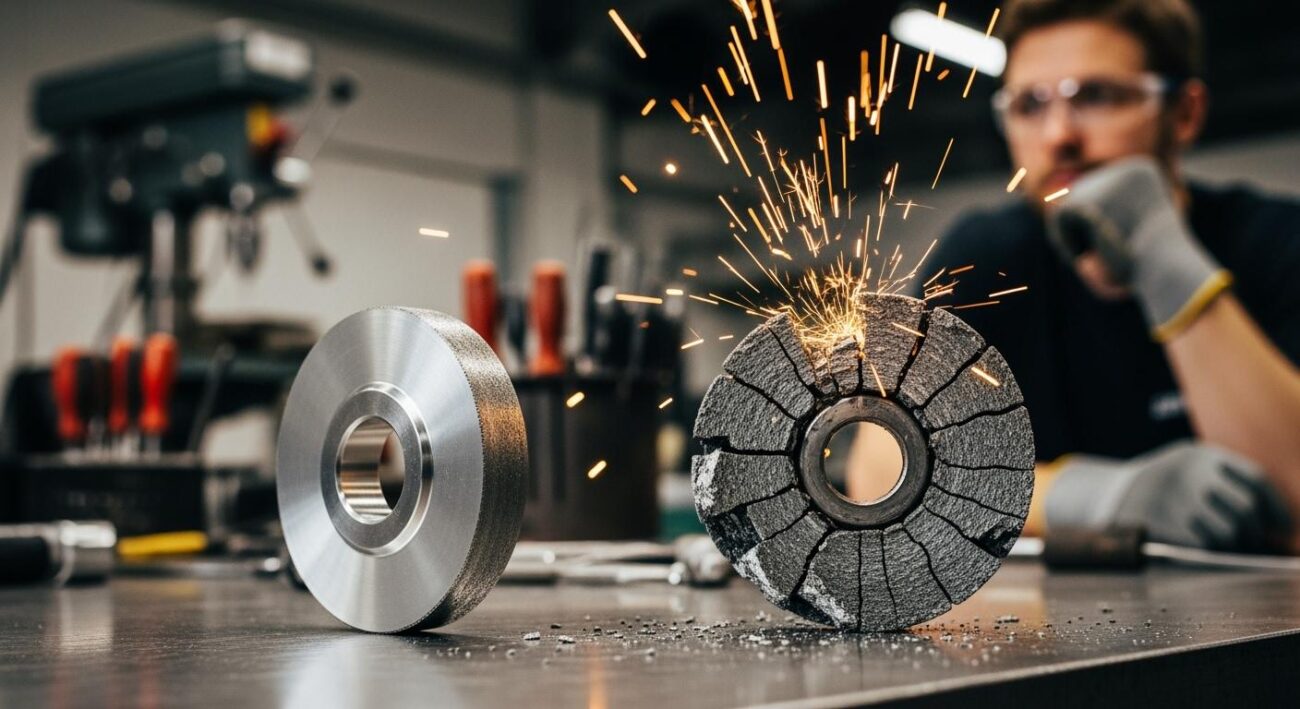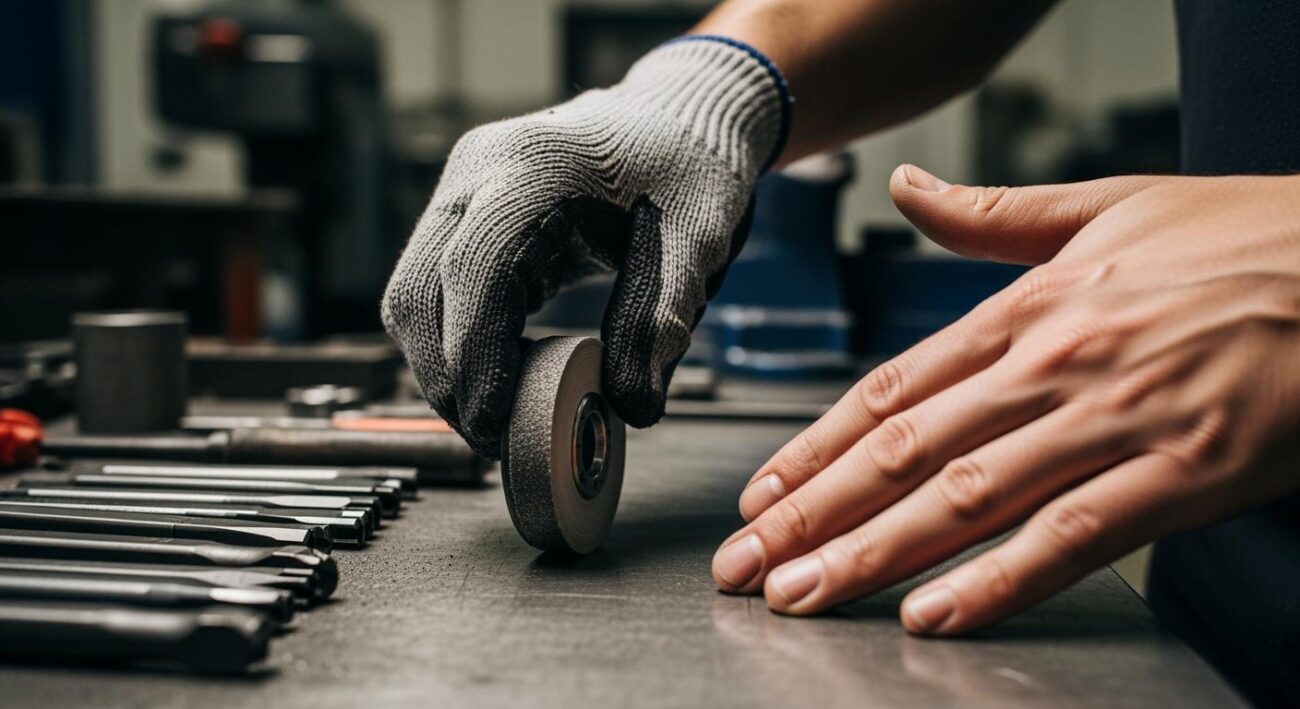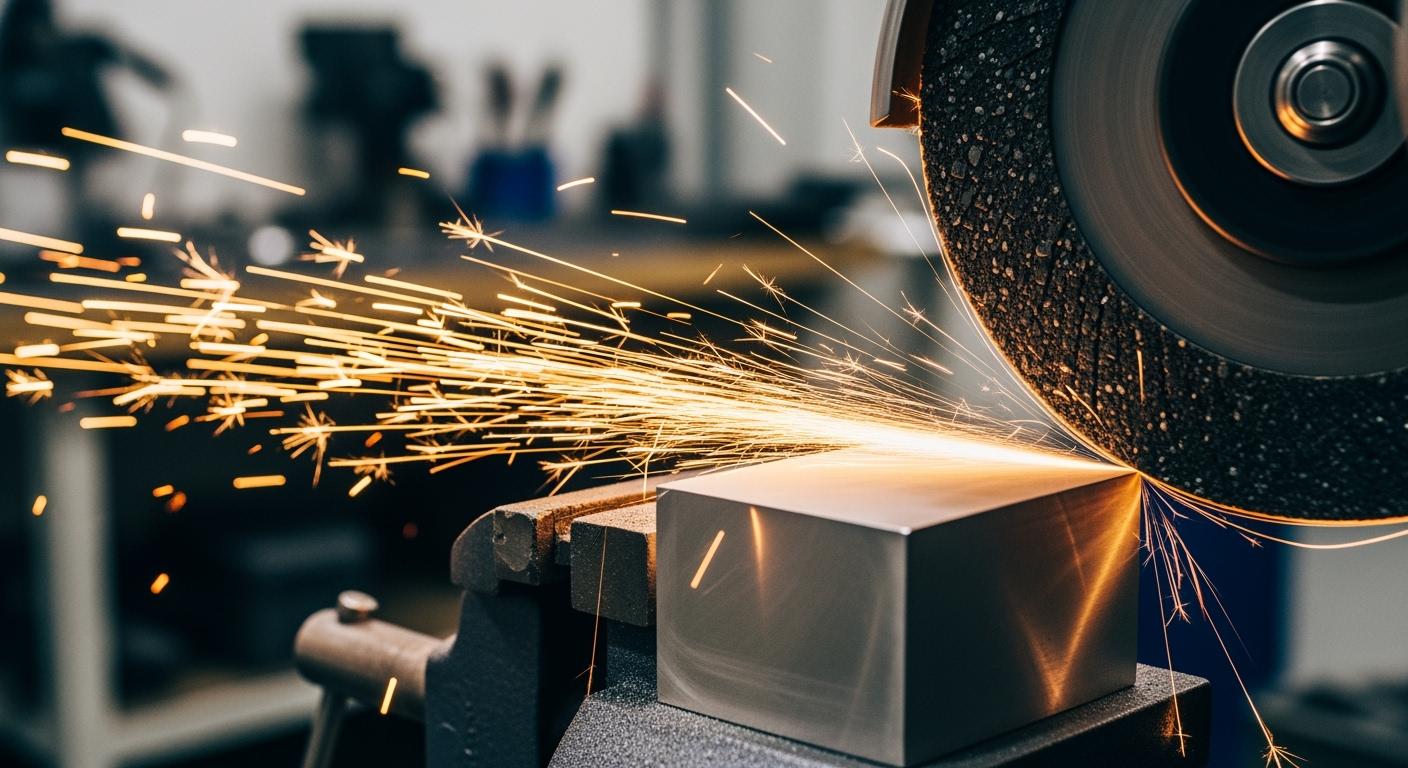
Grinding titanium presents unique challenges, but you can master this grinding process with superabrasives. Your goal is achieving superior quality and precision when grinding titanium alloys. This grinding process requires precision tools for a quality surface. Your grinding tools must deliver consistent performance for this grinding process.
This precision ensures surface integrity and supports quality assurance. The final surface reflects the quality of your tools. Precision grinding of titanium creates a superior surface.
The challenges of this grinding process demand the best tools and performance. This precision grinding creates a perfect surface. Your tools must handle the tough grinding of titanium.
Key Takeaways
- Use superabrasives, especially diamond tools, for grinding titanium. They work better than regular tools because they are strong and last longer.
- Always use a lot of high-pressure coolant when grinding titanium. This keeps the metal cool and stops fires, which protects your work and tools.
- Set up your machine correctly and use the right grinding speed. This helps you get a smooth finish and keeps your tools from wearing out too fast.
- Keep your grinding wheels clean and sharp by truing and dressing them. This makes sure they always cut well and give you good results.
- Follow all safety rules, like having a special fire extinguisher for titanium. Wear safety glasses and a mask to protect yourself from dust and sparks.
Why Superabrasives are Key for Titanium
You need the right tools for grinding titanium. Superabrasives offer a systematic solution to the unique grinding challenges this metal presents. They provide the precision and durability required for a stable, high-quality grinding process.
Challenges in Grinding Titanium Alloys
Grinding titanium alloys poses significant challenges. Titanium’s low thermal conductivity causes heat to build up at the grinding point instead of dissipating through the workpiece. This metal also has high chemical reactivity at elevated temperatures. These properties create major grinding challenges. The intense heat can damage the part’s surface, compromising its surface integrity and quality.
Conventional abrasives, like silicon carbide, cannot handle these conditions. They wear out extremely fast, sometimes in minutes. This rapid wear makes them inefficient for any production-level grinding process, leading to constant downtime and inconsistent results. These tools fail to deliver the required performance.
CBN vs. Diamond Superabrasives
You have two primary types of superabrasives: Cubic Boron Nitride (CBN) and diamond. CBN tools are typically used for grinding ferrous metals like steel. Diamond abrasives are the superior choice for non-ferrous metals and other difficult-to-machine materials. Since titanium is a non-ferrous metal, diamond superabrasives are the standard. The exceptional hardness of diamond tools ensures the precision needed to cut this tough material effectively. This choice is critical for maintaining the integrity of the surface.
Benefits: Efficiency, Finish, and Longevity
Using superabrasive wheels delivers three key benefits for grinding titanium.
- Efficiency: Superabrasives cut more freely and generate less heat. This controls thermal damage and protects the workpiece surface integrity.
- Finish: The sharp, durable nature of superabrasives produces a superior surface finish. You achieve excellent quality and precision with every pass.
- Longevity: Superabrasive wheels last much longer than conventional abrasives. This extended life reduces tool changes, minimizes downtime, and creates a more predictable, cost-effective grinding process. Your tools maintain their performance for longer periods.
Choosing Your Superabrasive Grinding Wheels
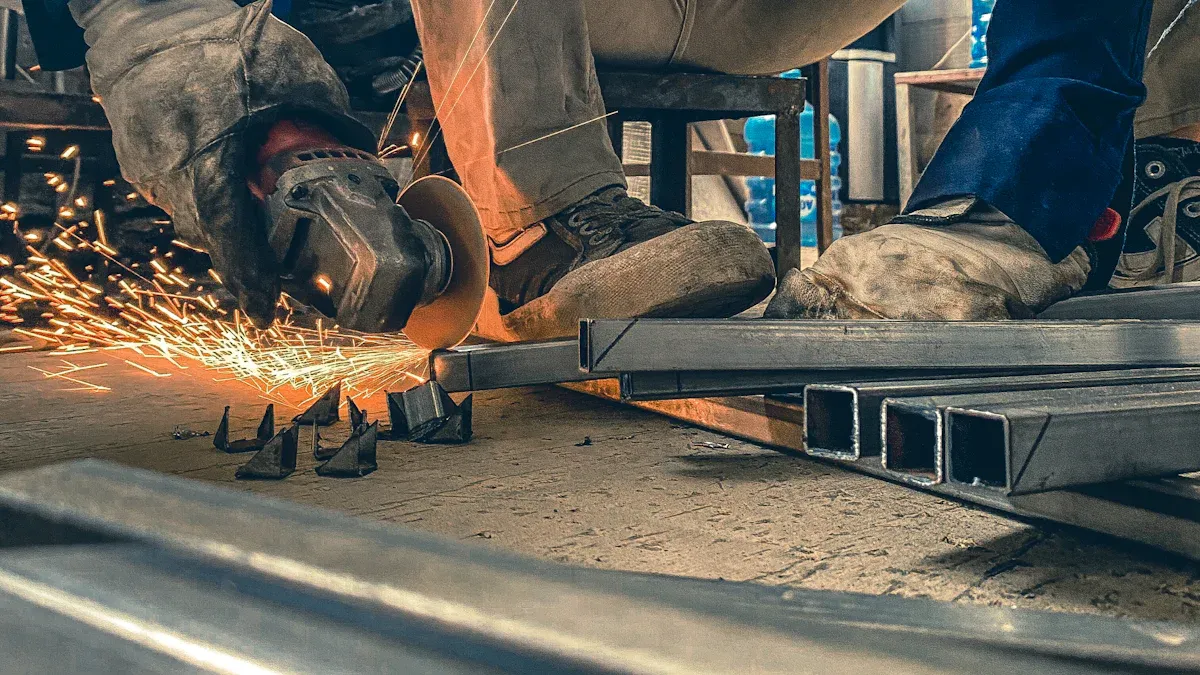
Selecting the correct superabrasive grinding wheels is critical for your success. Your choice directly impacts performance, precision, and the final surface quality. You need specialized grinding wheels designed for tough materials. Partnering with an expert like Aimgrind, a brand with decades of experience, ensures you get customized grinding solutions. Proper selection turns a difficult grinding task into a predictable process.
Abrasive Type: CBN or Diamond
You must choose the right abrasive material for the job. Diamond abrasives are the industry standard for grinding titanium. This non-ferrous metal reacts poorly with CBN at high temperatures. Diamond tools provide the necessary hardness and thermal stability for a clean, precise surface. Aimgrind offers high-performance diamond grinding wheels with robust construction. These specialized grinding wheels are ideal for hard materials, delivering superior performance and a quality surface. There are many types of grinding wheels, but diamond is best for this metal.
Selecting the Right Size Grinding Wheel
Your next step involves selecting the right size grinding wheel. The wheel’s diameter, thickness, and arbor hole must match your grinding machine’s specifications. An incorrect size can lead to safety hazards and poor grinding results. The right size ensures stability during the grinding operation. This stability is essential for achieving the tight tolerances and precision required for a perfect surface. Proper sizing of your tools is a foundational step for quality work.
Understanding Grit, Bond, and Concentration
You need to understand three key elements of your superabrasive wheels: grit, bond, and concentration. These factors determine the wheel’s grinding action and longevity.
Grit: The size of the abrasive particles. Coarser grits remove material faster, while finer grits produce a smoother surface.
Bond: The material that holds the abrasives. The bond type affects how the grinding wheel wears and exposes new, sharp abrasives.
Concentration: The amount of superabrasives in the bond. Higher concentration provides longer life for your tools.
Choosing the right combination of these grinding wheel materials is essential. Different types of grinding wheels offer unique benefits for various grinding wheel applications. A specialist like Aimgrind helps you design the perfect formula, matching your grinding wheels to your parameters for optimal precision and surface quality.
A Guide to Grinding Titanium
You have your grinding wheels. Now you must master the grinding process itself. Proper technique transforms the grinding of titanium from a difficult task into a controlled, repeatable operation. This section guides you through machine setup, parameters, and wheel maintenance for superior results.
Machine Setup and Coolant Requirements
Your success starts with a stable machine and an effective coolant system. The grinding machine must be rigid and free of vibrations to achieve the required precision. However, the most critical element for grinding titanium is the coolant.
Note: Titanium’s low thermal conductivity creates intense heat at the point of contact. An aggressive coolant delivery is not just recommended; it is essential for protecting the workpiece and your grinding wheels.
Your coolant system must meet several key requirements:
- High Pressure and High Volume: You need a powerful coolant flow to extinguish sparks and rapidly remove heat from the grinding zone. This protects the part’s surface integrity.
- Proper Nozzle Placement: Aim the coolant nozzles directly at the contact point between the grinding wheel and the workpiece. This ensures the coolant reaches the area where heat is generated.
- Effective Filtration: The coolant system must filter out fine titanium swarf. A clean coolant supply prevents surface scratches and maintains consistent grinding performance.
- Correct Coolant Type: Use a high-quality, water-soluble coolant formulated for this challenging metal. The right coolant improves lubricity, reduces heat, and helps manage the unique grinding challenges of titanium. A steady supply of coolant is vital for the entire process.
Managing your coolant is a top priority. A poor coolant setup will lead to thermal damage, poor surface quality, and rapid wear of your grinding wheels.
Optimal Grinding Parameters
You must set the right grinding parameters to balance efficiency and quality. Speed, feed rate, and depth of cut are interconnected. Adjusting them correctly helps you manage heat and tool wear, which are major challenges in this process.
You should start with recommended parameters for your specific titanium alloy and grinding wheels. Lower cutting speeds combined with higher feed rates often reduce heat buildup. This approach helps preserve the integrity of both your tools and the workpiece surface. For example, a general guideline for surface speed is 18-30 meters per minute (MPM). You can then adjust these settings while monitoring performance. A greater depth of cut removes material faster but increases grinding forces. This can accelerate the wear on your grinding wheels. Finding the right balance is key to a stable grinding process and achieving high precision.
Techniques for Different Operations
Different grinding operations require specific techniques. Your approach should adapt to the type of grinding you are performing to ensure the best surface and part quality.
- Surface Grinding: Use a “climb” grinding technique where possible. This method helps pull heat away from the finished surface. It also promotes better chip formation, leading to a cleaner cut and improved surface integrity.
- Cylindrical Grinding: Maintain a consistent and generous coolant flow across the entire grinding contact area. Monitor the workpiece for any signs of discoloration, which indicates excessive heat. This attention to detail ensures dimensional precision.
- Creep-Feed Grinding: This process involves a deep cut at a very slow feed rate. It is highly effective for titanium but demands an exceptional coolant supply. The large contact area generates significant heat, making your coolant system’s performance critical for success.
Wheel Dressing and Truing
Your superabrasive grinding wheels need regular maintenance to sustain peak performance. This involves two distinct actions: truing and dressing.
- Truing: This is the process of making the grinding wheel concentric and giving it the correct profile. You perform truing to restore the wheel’s shape after wear.
- Dressing: This action exposes new, sharp abrasive grains on the wheel’s surface. Dressing removes dulled grains and clears away loaded material, restoring the wheel’s cutting ability.
The correct method depends on the bond type of your diamond grinding wheels. Partnering with a specialist like Aimgrind ensures you get the right tools and guidance for maintaining them. Proper maintenance of your grinding wheels is fundamental to quality assurance.
| Bond Type of Diamond Wheel | Common Truing Method | Common Dressing Method |
|---|---|---|
| Resin Bond | Brake-controlled truing device | Alox or silicon carbide stick |
| Metal Bond | Grinding with a “green” silicon carbide wheel | Abrasive jet or stick dressing |
| Vitrified Bond | Diamond rotary dresser | Online dressing with a built-in dresser |
Properly maintained grinding wheels deliver consistent precision and a superior surface finish. This final step completes your mastery of the grinding process for this demanding metal.
Critical Safety Protocols
You must prioritize safety when grinding titanium. The unique properties of this metal create specific hazards, particularly fire risks from swarf. A safe grinding process protects you, your equipment, and your final workpiece surface.
Fire Prevention for Titanium Swarf
Fine titanium dust and swarf are highly flammable. You must never use water or a standard fire extinguisher on a titanium fire, as this can cause a violent reaction. Your first line of defense is a Class D fire extinguisher specifically designed for combustible metal fires. These extinguishers use a sodium chloride-based agent that is non-toxic and chemically stable.
A proper Class D agent smothers the fire, cutting off its oxygen supply. It is designed for good fluidity to cover the burning surface effectively.
| Item | Specification Data |
|---|---|
| Sodium Chloride Content | ≥ 80% |
| Moisture Content | ≤0.25 % |
| Water Repellency | No complete absorption of water drops |
| Color | Light Blue (customizable) |
Proper coolant flow during the grinding process is also essential for fire prevention. A generous supply of coolant helps suppress sparks at the point of grinding.
Required Personal Protective Equipment (PPE)
Your personal safety is paramount. You must wear the correct Personal Protective Equipment (PPE) during every grinding operation.
- Eye Protection: Wear safety glasses or goggles to protect your eyes from flying particles.
- Respiratory Protection: The grinding process creates fine dust. You need a high-efficiency respirator to protect your lungs. A P3 respirator, for example, offers a minimum efficiency of 99.95% and is effective against harmful dusts like titanium oxide. This protects your internal surface from damage.
- Flame-Retardant Clothing: Wear clothing made from flame-retardant material to protect your skin from sparks and hot swarf.
Ventilation and Coolant Management
Proper ventilation and coolant management are critical for a safe grinding environment. A good ventilation system removes airborne dust created by the grinding process. However, your coolant system plays an even bigger role. A high-pressure coolant supply minimizes sparks and keeps the workpiece surface cool.
You must maintain your coolant. The coolant system needs effective filtration to remove titanium swarf. If swarf recirculates in the coolant, it can scratch the part surface and create a fire hazard in the coolant tank. Regularly check and clean your coolant filters. A clean coolant ensures a safer grinding process and a better final surface. Managing your coolant is a key safety step.
You can master the grinding titanium process. Your success in this grinding process hinges on three critical factors. This precision grinding process demands the right tools and a focus on safety for quality assurance.
- Select the Right Tools: Choose the correct superabrasives from a specialist like Aimgrind. Your tools define the precision of the grinding process.
- Utilize High-Pressure Coolant: An effective coolant system is vital. A high-pressure coolant lowers grinding temperatures, protecting the workpiece surface integrity and improving surface quality. This coolant maintains the integrity of the surface.
- Adhere to Safety Protocols: Strictly follow fire prevention rules for titanium. A safe grinding process protects your tools and your final surface.
Mastering these elements transforms a difficult grinding task into a controlled, repeatable, and safe process. You will achieve superior part quality, excellent surface integrity, and operational precision with your grinding tools and coolant. Your final surface reflects this quality.
FAQ
What are the biggest challenges in grinding titanium?
The main challenges involve managing heat. Titanium’s properties create intense heat during grinding. Your tools must handle these challenges to ensure a quality grinding process and achieve precision. This grinding requires the right tools.
Why are diamond tools better than CBN for titanium grinding?
You use diamond tools for titanium grinding. Diamond offers better thermal stability for this non-ferrous metal. These tools provide the precision needed for this difficult grinding task, overcoming key challenges.
How important is coolant for the grinding process?
Coolant is essential for successful grinding. It controls heat, prevents fire, and protects the workpiece surface. A good coolant system helps your grinding wheels and other tools deliver consistent precision and quality.
How do I choose the right grinding tools for precision?
You select tools based on your specific grinding operation. The right grinding wheels and tools ensure high precision. Partnering with a specialist helps you find the best tools for your grinding needs and precision goals.