

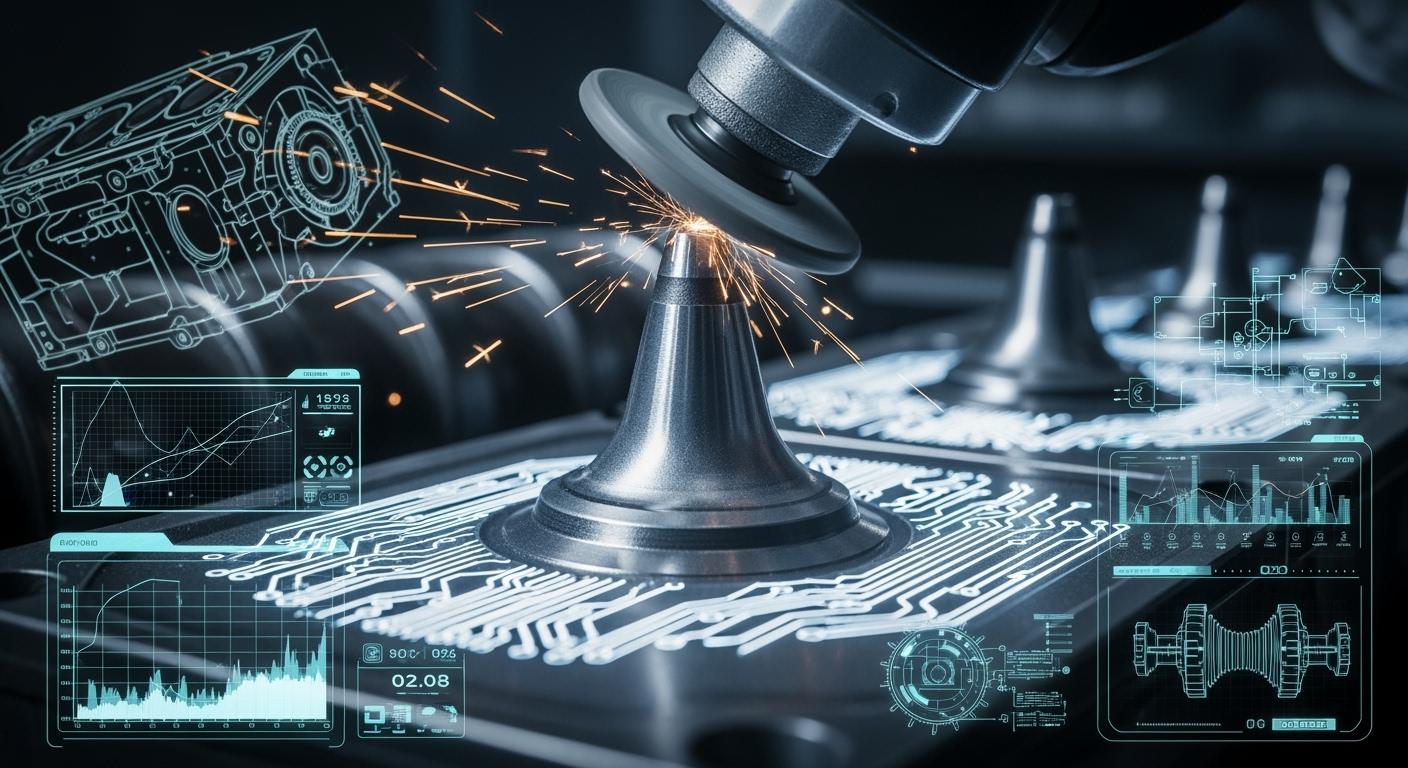
Precision grinding plays a crucial role in the performance and reliability of every engine. Engine valve seat cones require exact micrometric tolerances to maintain energy efficiency and reduce wear. Many industries now rely on advanced valve grinding machines and super-abrasives to achieve precision and consistent results. The rapid growth in automotive manufacturing has led over half of facilities to adopt high-performance grinding solutions. Aimgrind stands out in precision engineering by offering customized diamond grinding wheels, helping manufacturers meet the highest standards for valve quality and precision.
Key Takeaways
- Precision grinding is essential for engine performance. It ensures tight seals between valves and seats, preventing power loss.
- Advanced valve grinding machines reduce human error. They allow operators to set exact parameters for consistent results.
- Aimgrind diamond grinding wheels enhance efficiency. They cut hard materials quickly and last longer, reducing downtime and costs.
- Quality control is crucial in valve production. Regular checks on dimensions and surface finish help maintain high standards.
- Continuous improvement in grinding processes leads to better performance. Collecting data and adjusting parameters can significantly boost efficiency.
Precision Grinding Challenges for Valve Seat Cones
Technical Barriers in Valve Grinding
Manufacturers face many technical barriers when grinding engine valves. The process demands high accuracy because even a small error can affect the engine. Grinding must create a perfect seal between the valve and the seat. If the seal is not tight, the engine loses power. Many shops use advanced machining methods to reach the required tolerances. However, these methods need skilled operators and precise equipment. The challenge increases when machining internal combustion engine valve seats, as the geometry must match strict standards. Any mistake during machining can lead to poor engine performance or early failure of the valves.
Material and Design Complexity
Valve seat cones use hard materials like steel alloys or ceramics. These materials resist wear but are difficult to grind. The design of the valve also adds complexity. Some valves have unique shapes or angles that require special grinding wheels. The hardness of the material can cause the grinding wheel to wear out quickly. Engineers must choose the right abrasive and wheel shape for each job. They also need to adjust the speed and pressure during machining. If they do not, the grinding process can damage the valve or the seat. This makes the selection of tools and parameters very important for quality results.
Process Consistency Issues
Grinding engine valves requires consistent results for every part. In many factories, operators face common problems that affect quality. The table below shows some of these issues:
| Issue Type | Description |
|---|---|
| Operator Error | Mistakes made by the operator can lead to unusable valve seats, requiring a complete redo. |
| Misalignment of Stones | Incorrect alignment of grinding stones can result in poor quality and unusable valve seats. |
| Wear of Abrasives | Abrasives need regular dressing or replacement to maintain effectiveness in grinding processes. |
Operators must check the alignment of grinding stones before each job. They also need to monitor the condition of abrasives. If they do not, the valves may not seal properly. Consistency in machining helps ensure that every valve meets the same high standard. This reduces waste and improves the reliability of the engine.
Solutions with Advanced Valve Grinding Machines
Process Optimization for Valve Grinding
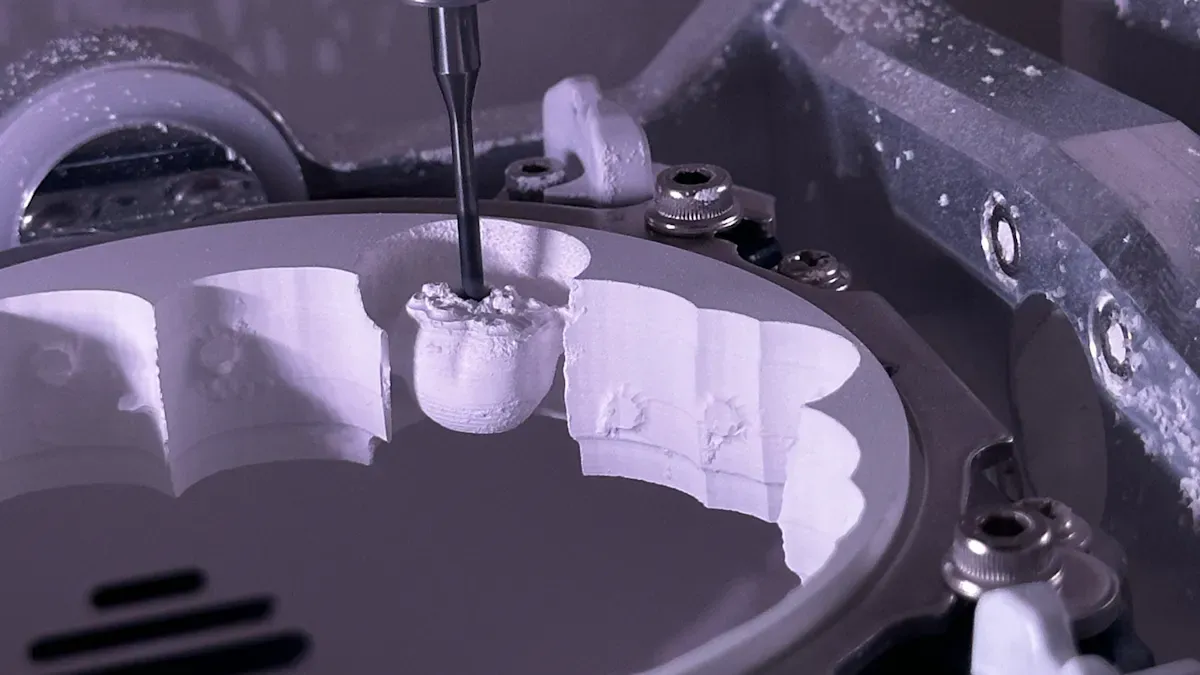
Advanced valve grinding machines play a vital role in producing high-precision components for the automotive industry. These machines use computer controls and specialized fixtures to hold each valve securely. Operators can set exact parameters for speed, feed, and depth. This control allows the valve grinding machine to create a perfect seal on every valve seat cone. The grinding process becomes more stable and repeatable. Shops can reduce human error and improve consistency.
Modern valve grinding machines also support both wet and dry grinding. Wet grinding helps cool the workpiece and remove debris. Dry grinding offers faster setup and less cleanup. Operators can choose the best method for each job. Many advanced valve grinding machines include automatic dressing systems. These systems keep the grinding wheel sharp and ready for each pass. The result is a smoother surface and less need for lapping after grinding.
Process optimization with these machines means less waste and higher efficiency. Shops can finish more valves in less time. The valve grinding machine also helps maintain the correct geometry for each valve seat cone. This accuracy supports better engine performance and longer valve life.
Aimgrind Diamond Grinding Wheels for Precision
Aimgrind diamond grinding wheels set a new standard for precision and efficiency in valve seat cone production. These wheels use a diamond abrasive layer that cuts through hard alloys and ceramics with ease. The advanced valve grinding machine, paired with Aimgrind wheels, delivers a smooth and accurate finish on every valve.
Operators notice faster material removal and less heat buildup during grinding. The diamond grinding wheels keep their shape and sharpness over many cycles. This durability means fewer wheel changes and less downtime. Aimgrind offers custom sizes and bond types to match any advanced valve grinding machine. Each wheel fits the specific needs of the valve and the grinding process.
The combination of Aimgrind diamond grinding wheels and advanced valve grinding machines reduces the need for extra lapping steps. The surface finish meets strict industry standards. Shops can trust these tools to deliver high-precision components every time. The improved efficiency also lowers production costs and boosts output.
Quality Control in Valve Grinding
Quality control ensures that every valve seat cone meets exact specifications. Advanced valve grinding machines help maintain tight tolerances, but shops must also use proven quality control methods.
- Specialized equipment checks the roundness and surface finish after grinding.
- Operators measure concentricity to make sure the valve seat aligns with the valve guide.
- Shops control seat height and the distance between the sealing surface and valve face. This step keeps the chamber volume and compression ratio consistent.
- Precise guides help avoid errors that can happen with handheld grinders.
- Many manufacturers invest in high-quality tools and sometimes outsource to experienced professionals for critical lapping and grinding tasks.
A simple table shows key quality control steps:
| Step | Purpose |
|---|---|
| Measure seat height | Maintain chamber volume and compression |
| Check concentricity | Ensure proper valve sealing |
| Inspect surface finish | Reduce need for extra lapping |
| Use precise guides/tools | Improve repeatability and accuracy |
Quality control does not end after grinding. Operators often perform a final lapping step to polish the valve seat cone. This step removes any small imperfections left by the grinding process. The advanced valve grinding machine, combined with Aimgrind diamond grinding wheels, makes this final lapping step quick and easy. The result is a valve that seals perfectly and lasts longer in the engine.
Key Technologies in Valve Grinding
CNC Valve Grinding Machine Innovations
CNC valve grinding machine design has transformed the manufacturing of engine valve seat cones. Modern machines use advanced technology to deliver unmatched precision and repeatability. Manufacturers now rely on these machines to meet strict industry standards. The latest valve grinding machine design features several key innovations that boost both productivity and quality.
| Innovation Type | Description |
|---|---|
| Precision and Automation | Enhanced accuracy and automated loading/unloading systems for increased throughput and consistency. |
| Adaptive Control | Real-time adjustment of grinding parameters based on workpiece characteristics, improving efficiency and reducing waste. |
| Digitalization | Integration of sensors, data analytics, and predictive maintenance capabilities. |
Precision and automation work together to reduce manual intervention. Automated loading and unloading systems help operators save time and maintain consistent results. Adaptive control technology allows the valve grinding machine to adjust its settings in real time. This feature ensures that each valve seat cone receives the correct treatment, even if the material or shape changes. Digitalization brings sensors and data analytics into the process. These tools help predict maintenance needs and prevent unexpected downtime. The combination of these innovations makes modern valve grinding machine design a cornerstone of high-quality engine production.
In-Process Measurement Systems
In-process measurement systems play a critical role in valve grinding. These systems monitor the grinding process as it happens. Sensors track the position and shape of the valve seat cone. Operators receive instant feedback on the quality of each part. This technology helps maintain tight tolerances and reduces the risk of errors.
Valve grinding machine design now often includes built-in measurement tools. These tools check the dimensions and surface finish during each grinding cycle. If the system detects a problem, it can alert the operator or adjust the process automatically. This approach ensures that every valve seat cone meets the required specifications. In-process measurement systems also help reduce waste. By catching errors early, manufacturers avoid producing defective parts. This technology supports both efficiency and precision in modern grinding operations.
Automation and Data Integration
Automation and data integration have become essential in valve grinding machine design. These technologies streamline the entire production process and improve decision-making. Several key benefits stand out:
- Automated design exploration tools can adjust valve seat angles and geometries while assessing performance metrics. This feature enhances the design process and ensures optimal results.
- Machine learning algorithms use large datasets from simulations to predict the best seat angles. This approach combines simulation accuracy with fast, data-driven decisions.
- Real-time decision-making improves precision and consistency in manufacturing.
- Specialized machining techniques, such as multi-stage grinding and automated systems, help achieve precise valve seat angles.
- These advanced methods ensure that angular profiles remain consistent and meet strict specifications.
Automation reduces the need for manual adjustments. Data integration connects every part of the process, from design to final inspection. Operators and engineers gain valuable insights from real-time data. This information helps them optimize the valve grinding machine and improve overall performance. The result is a more efficient, reliable, and precise grinding operation.
Implementation Strategies for Manufacturers
Integrating Aimgrind Solutions
Manufacturers seeking to enhance valve production must consider a strategic approach when integrating Aimgrind diamond grinding wheels. The process begins with a thorough assessment of current grinding equipment and workflow. Aimgrind’s team works closely with engineers to match the right wheel specifications to each valve seat application. This tailored approach ensures compatibility and maximizes efficiency. Upgrading to advanced valve grinding machines and diamond grinding wheels involves higher initial investment. However, these costs are balanced by long-term savings. Vitrified bond diamond wheels can last up to 200 times longer than conventional wheels. This durability reduces dressing frequency and increases production uptime. Lower tooling costs and less labor for wheel changes make the total cost of ownership attractive for manufacturers focused on process improvement.
Manufacturers transitioning to advanced valve grinding technologies encounter several significant challenges, including:
- Price volatility due to fluctuating raw material costs and geopolitical tensions.
- Supply chain fragmentation that complicates procurement and increases lead times.
- Regulatory compliance costs related to environmental and safety standards.
- Competitive pressures from low-cost entrants and regional players.
- Need for technological innovation to avoid obsolescence and maintain market share.
Operator Training and Best Practices
Operator training plays a critical role in achieving consistent valve quality. Aimgrind recommends hands-on sessions for machine setup, wheel mounting, and parameter adjustment. Operators should learn to monitor grinding wheel wear and perform regular maintenance. Clear instructions and visual guides help reduce errors. Best practices include checking alignment before each grinding cycle and documenting results for traceability. Well-trained operators contribute to higher efficiency and fewer defects in valve production.
Continuous Improvement in Grinding
Continuous improvement drives long-term success in valve manufacturing. Teams should collect data from each grinding batch and review performance regularly. Feedback from operators helps identify areas for adjustment. Manufacturers can set measurable goals for surface finish, cycle time, and tool life. Small changes in grinding parameters often lead to noticeable gains in efficiency. By fostering a culture of process improvement, companies maintain high standards and adapt quickly to new challenges.
Real-World Results and Case Studies
Improved Valve Performance
Many manufacturers have seen clear improvements in valve performance after switching to advanced grinding solutions. One automotive plant reported that their engines ran smoother and lasted longer. The team noticed that each valve created a better seal, which helped the engine keep its power. They also found that the new grinding process reduced the risk of leaks. This change led to fewer engine failures and less time spent on repairs. The plant’s engineers shared that the valves now meet strict quality standards every time.
Enhanced Efficiency with Aimgrind Products
Aimgrind diamond grinding wheels have helped factories boost efficiency. Operators can finish more valves in less time. The wheels remove material quickly and keep their shape for many cycles. A table below shows the impact:
| Metric | Before Aimgrind | After Aimgrind |
|---|---|---|
| Valves per shift | 120 | 180 |
| Wheel changes/shift | 3 | 1 |
| Average cycle time(s) | 45 | 30 |
The data shows that Aimgrind products help teams work faster and reduce downtime. Factories can meet higher production targets without sacrificing quality.
Consistency and Cost Savings
Consistency matters in valve production. With Aimgrind grinding wheels, operators see fewer defects and less scrap. The wheels last longer, so teams spend less on replacements. One manufacturer shared this tip:
“Track your grinding wheel life and valve output. You will see real savings over time.”
Cost savings come from less waste, fewer tool changes, and better use of labor. These results show that investing in quality grinding solutions pays off for any company focused on valve production.
Manufacturers achieve better valve seat cones with advanced grinding machines and Aimgrind diamond grinding wheels. These solutions improve accuracy, efficiency, and consistency. Teams should select the right tools, train operators, and track results for best outcomes.
Aimgrind recommends ongoing investment in new grinding technologies and regular process reviews. This approach helps companies stay competitive and deliver high-quality engine components.
FAQ
What makes diamond grinding wheels ideal for valve seat cones?
Diamond grinding wheels cut hard alloys and ceramics with high precision. They last longer than traditional wheels. Their sharpness and durability help manufacturers achieve smooth finishes and tight tolerances.
How does Aimgrind customize grinding wheels for different applications?
Aimgrind’s team analyzes the customer’s material and equipment. They design wheel formulas and shapes to match specific needs. This process ensures the grinding wheel fits the job and delivers the best results.
Can Aimgrind diamond grinding wheels be used on any grinding machine?
Most advanced grinding machines accept Aimgrind diamond wheels. The company offers custom sizes and bonds. This flexibility allows manufacturers to upgrade their current machines without major changes.
What maintenance do diamond grinding wheels require?
Operators should check wheel condition before each use. Regular dressing keeps the wheel sharp. Clean wheels after grinding to remove debris. Proper care extends wheel life and maintains grinding quality.