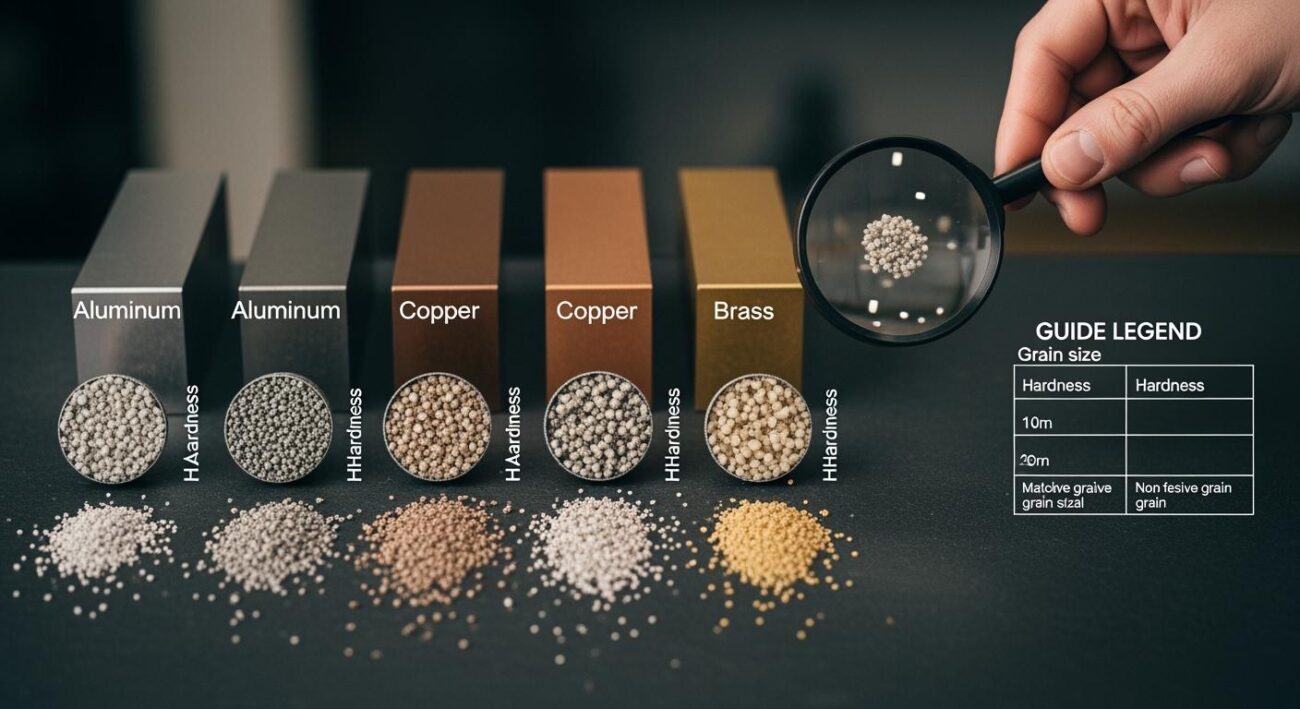
You face common challenges in metal grinding every day. Slow grinding process can frustrate you and reduce productivity. Sanding discs often wear out quickly, making you replace them more often than you want. Overheating sometimes damages your workpiece, but you can control it with the right pads or cooling methods. Matching grinding tools like Aimgrind super hard abrasives to the material improves results and extends tool life. Systematic troubleshooting and safety help you avoid mistakes and prevent injuries. Both experienced operators and beginners can benefit from applying these simple approaches.
Key Takeaways
- Identify common grinding issues like poor surface finish, chatter, and overheating to improve your results.
- Choose the right grinding wheel based on material type and desired finish to enhance efficiency and tool life.
- Maintain proper coolant flow and adjust grinding parameters to prevent overheating and extend the life of your tools.
- Regularly inspect and dress your grinding wheels to keep them sharp and effective, reducing downtime and waste.
- Prioritize safety by using protective gear and following best practices to prevent injuries during grinding operations.
Metal Grinding Surface Finish Issues
Problem Overview
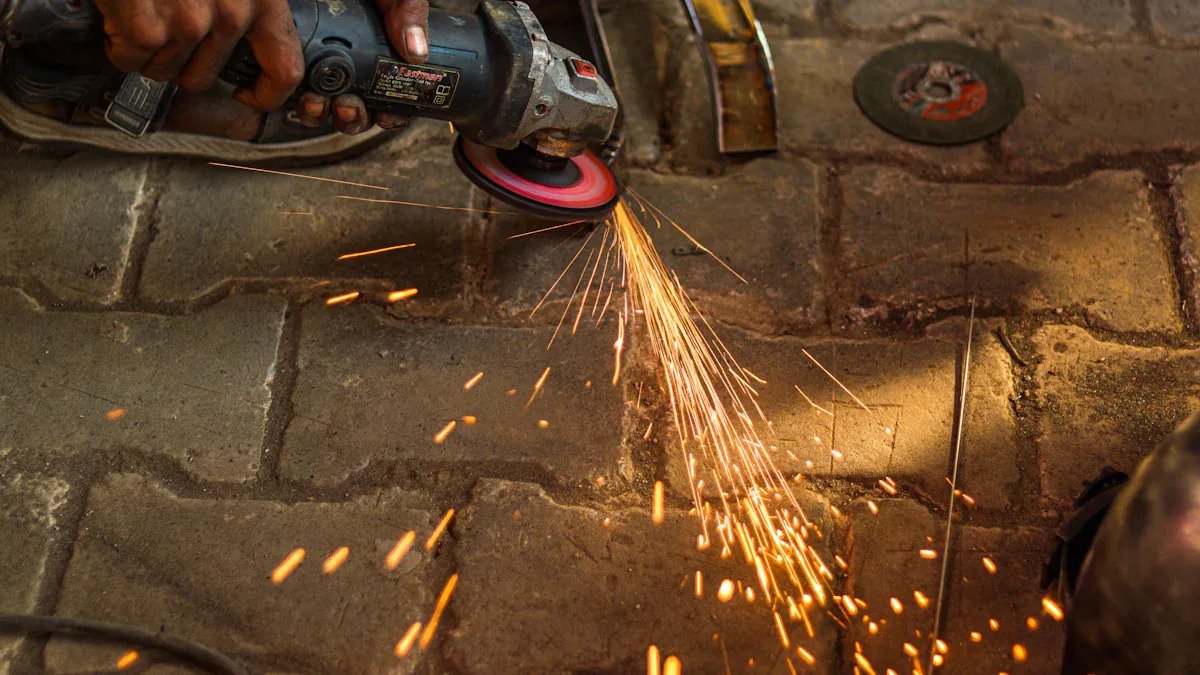
You often see problems with poor surface finish in metal grinding. These issues can make your parts look rough or uneven. You may notice grinding chatter, wheel loading, wheel glazing, burning of work, or searching of work. These problems affect the quality of your metal cutting and sanding tasks. If you use sanding discs or high-quality blades, you want a smooth finish every time.
- Grinding chatter
- Wheel loading
- Wheel glazing
- Burning of work
- Workpiece wandering
Causes of Poor Finish
Many factors cause poor surface finish in grinding. You may see oxidation burn when the surface gets too hot. Thermal softening happens if the material heats up and loses strength. Residual tensile stress can stay in the metal after grinding, making the surface weak. Re-hardening burn creates uneven hardness because of heat.
| Cause | Description |
|---|---|
| Oxidation burn | Excessive heat leads to oxidation of the surface. |
| Thermal softening | High temperatures during grinding soften the material. |
| Residual tensile stress | Stresses remain in the material after grinding, affecting surface integrity. |
| Re-hardening burn | Uneven hardening of the surface due to thermal effects. |
Solutions and Best Practices
You can solve surface finish problems by following proven solutions. Optimize wheel selection for your material and desired finish. Adjust cutting parameters like wheel speed, workpiece speed, depth of cut, and feed rate. Maintain your grinding machine to keep it accurate. Use spark-out passes to smooth the surface and remove leftover material. Dress your wheel properly to keep it sharp.
Tip: Conduct 2–5 spark-out passes to reduce Ra by 10–20%. Use a single-point diamond dresser to keep your wheel sharp. Try multi-stage grinding with finer wheels for a better finish.
Aimgrind Product Selection Tips
When you choose Aimgrind products for metal cutting and grinding, consider these factors:
- Abrasive material: Pick the right abrasive for your application.
- Grain size: Coarse grains cut faster but leave a rougher finish. Fine grains give a smoother finish.
- Bonding agent: Select vitrified, resinoid, or metal bonds for strength and performance.
- Wheel structure: Density and porosity affect material removal and cooling.
- Grinding parameters: Set speed, feed rate, and depth of cut for balance.
- Coolant and lubrication: Use proper coolants to protect your wheel and workpiece.
- Workpiece material: Hardness guides your wheel choice.
- Machine conditions: Keep your setup rigid for consistent results.
- Operator skill: Experienced operators adjust parameters for the best finish.
- Environmental factors: Watch temperature and humidity.
- Maintenance practices: Dress and true your wheels regularly.
You can achieve a smooth surface and extend the life of your high-quality blades by following these tips.
Chatter and Vibration in Metal Grinding
Problem Description
You often notice chatter and vibration during metal grinding. These issues create visible marks on your workpiece and reduce surface quality. Chatter can make your grinding process unstable and shorten tool life. Many operators face these problems in both manual and automated grinding operations. Chatter appears as repetitive patterns or waves on the surface, while vibration causes inconsistent results and affects dimensional accuracy.
Note: Chatter is a universal issue across metal cutting processes, including grinding. It impacts stability, surface quality, and tool life.
| Findings | Description |
|---|---|
| Vibration Impact | Vibrations during grinding affect surface roughness and dimensional accuracy |
| Twin-Wheel Grinding | Using two wheels can reduce vibration and chatter |
| Feed Force Misalignment | Misalignment increases chatter, especially at lower speeds |
Common Causes
You can trace most chatter and vibration problems to a few main sources:
- Machine vibration: Mechanical vibrations from the machine cause oscillation between the wheel and workpiece.
- Grinding and regulating wheel imbalance: Imbalances create strong vibrations and chatter marks.
- Improper wheel dressing: Uneven wheel patterns transfer to the workpiece.
- Worn or damaged workblade: Inconsistent support leads to vibration and chatter.
Troubleshooting Steps
You can solve chatter and vibration by following these steps:
- Increase depth of cut to control contact length, but avoid burning or deflection.
- Slow feed rate to shorten vibration wavelength.
- Use the shortest tool possible to reduce deflection.
- Choose the right number of flutes to prevent chip packing.
- Select high-quality tool holders to minimize runout.
- Use sharp, correctly coated tools to lower cutting forces.
- Adjust spindle speed (RPM) slightly to avoid chatter.
- Maintain correct chip load for efficient cutting.
- Position the workpiece close to the machine table.
- Check the foundation and fixtures for cleanliness.
- Use proper workholding and supports for parts prone to vibration.
Preventive Measures
You can prevent chatter and vibration by optimizing your setup:
- Use end mills with larger core diameters for stability.
- Balance tool holders to minimize vibrations.
- Reprogram tool paths to direct cutting forces into stiffer parts.
- Minimize stickout and maximize rigidity.
- Adjust speeds and feeds one variable at a time.
- Use coolant wisely to help reduce chatter.
- Select tools based on the material.
- Conduct test runs for new materials or parts.
- Start with manufacturer-recommended settings and adjust as needed.
Tip: Preventing vibration starts with a stable setup and careful parameter adjustments. Always test changes before full production.
Burning, Overheating, and Workpiece Damage
Problem Impact
When you grind metal, burning and overheating can cause serious problems. You might see burn marks or discolored patches on the surface. These signs show that the workpiece has suffered thermal damage. Sometimes, you will notice:
- Surface burns
- Discoloration
- Cracking
- Metallurgical damage
These issues can lower the aesthetic quality of your parts and lead to performance problems. Overheating can also cause changes in hardness, internal tensile stresses, and even steel deformation. If you use high-quality blades or sanding discs, overheating can reduce their longevity and affect the finish.
Causes of Thermal Damage
Thermal damage in metal grinding often comes from too much heat build-up. The main causes include:
| Conclusion | Description |
|---|---|
| Grinding Burns | Grinding temperature goes above the austenitization point. |
| Surface Oxidation | Oxidation increases, leading to nonferrous oxide on the surface. |
| White Etching Layer | Forms due to thermal damage during grinding. |
Other factors include excessive grinding temperatures, poor coolant effectiveness, and high heat flux in the machining area. If the coolant cannot remove heat, you may see oxidation discoloration, microcracks, or a drop in hardness.
Universal Solutions
You can prevent burning and overheating by following these solutions:
- Maintain a steady coolant flow to keep the workpiece cool.
- Change coolant as the manufacturer recommends.
- Clean filters to avoid blockages.
- Dress and true your grinding wheels regularly.
- Reduce the feed rate to allow heat to escape.
- Replace dull wheels to improve cutting ability.
- Use a handheld dressing stick to create a chamfer on the wheel rim, which reduces contact and heat.
If you notice overheating, check your coolant system for blockages and make sure you apply coolant correctly. Lowering the feed rate gives more time for heat to leave the workpiece, which helps prevent deformation.
Cooling and Lubrication
Proper cooling and lubrication are key to controlling heat build-up during metal cutting and grinding. You should:
- Use wheels designed for heat control to lower friction and heat.
- Ensure coolant flows well to protect the workpiece from thermal damage.
- Dress the wheel often to keep it sharp and let coolant reach the cutting area.
- Try sharp wheels and softer grades for better heat management.
- Keep work speeds and wheel speeds at optimal levels.
- Use neat oil or water-based fluids with the right pressure and temperature.
- Consider CBN wheels for improved performance in metal cutting.
Improved coolant delivery, such as using coherent jet technology, can reduce tool wear and protect the surface. This method helps you avoid quenching hot workpieces, which lowers the risk of steel deformation and keeps your finish smooth. Always focus on safety by checking your cooling and lubrication systems before you start grinding or sanding.
Short Wheel Life and Loading Problems
Problem Overview
You may notice your grinding wheel wears out quickly or stops working well. This can slow down your metal grinding tasks and lead to more waste. Sometimes, the wheel not cutting as expected means you need to replace it often. Loading problems happen when the wheel fills with debris, making it less effective. These problems can cause poor surface quality and even deformation of your workpiece.
Causes of Short Life
Several factors can shorten the life of your grinding wheel or cause loading. You might use too much pressure, which can damage the wheel and make it spin out of balance. Poor grinding angles can also lead to uneven wear. Grinding softer or gummy materials, like aluminum, can clog the wheel pores. If you use an underpowered tool or the wrong extension cord, the wheel may not cut well. When the wheel not cutting happens, you lose time and materials.
- Excessive pressure damages the wheel.
- Poor grinding angles cause uneven edge wear.
- Grinding softer materials clogs wheel pores.
- Underpowered tools reduce wheel life.
- Loading occurs when abrasive products become clogged.
Solutions with Super Hard Abrasives
You can solve these problems by choosing the right grinding wheel. Aimgrind super hard abrasives offer excellent durability and efficiency. These wheels use diamond or CBN grains, which last longer and resist loading. They keep cutting sharp and reduce downtime. When you use Aimgrind products, you get a cleaner surface and fewer wheel not cutting issues. This means less waste and better results in your sanding and grinding work.
Tip: Match the grinding wheel to your material and task for the best performance.
Maintenance Tips
Proper maintenance helps your grinding wheel last longer. Clean and dress the wheel often to remove debris and keep it sharp. Use the right coolant to lower heat and improve lubrication. Inspect the wheel and machine for wear or imbalance. Adjust feed rate and speed settings to reduce wear. Avoid using a wheel bond that is too soft or applying too much pressure. Make sure you use the correct grinding angle and a powerful enough tool.
| Maintenance Task | Benefit |
|---|---|
| Clean and dress wheel | Maintains sharpness |
| Use correct coolant | Reduces heat and friction |
| Inspect regularly | Prevents damage and imbalance |
| Optimize speed/feed | Improves efficiency, reduces wear |
| Use proper angle/power | Prevents premature wheel failure |
By following these tips and using Aimgrind super hard abrasives, you can extend the life of your grinding wheel and avoid common problems.
Slow Cutting and Ineffective Grinding
Problem Description
You sometimes notice that metal cutting feels slow or ineffective. The grinding wheel may not remove material as quickly as you expect. You might press harder, but the wheel still struggles to cut. This problem can waste your time and energy. You may see poor surface quality or uneven edges after grinding. These symptoms often signal that your grinding wheel is not working efficiently.
| Symptoms of Slow Cutting and Ineffective Grinding | Causes |
|---|---|
| Excessive Pressure | Applying too much force during grinding. |
| Incorrect Speed | Operating the wheel at speeds higher or lower than recommended. |
| Poor Quality Materials | Using wheels made from substandard abrasive materials. |
| Dull Wheel Surface | The wheel’s abrasive surface has become dull. |
| Wrong Wheel Type | The wheel isn’t suitable for the specific grinding application. |
Causes of Inefficiency
You may face slow cutting because of several reasons. Using the wrong grinding wheel for metal cutting can make the process less effective. If the wheel surface becomes dull, it loses its ability to cut. Operating at the wrong speed can also reduce efficiency. Sometimes, poor quality wheels or incorrect wheel types cause slow grinding. Applying too much pressure can damage the wheel and make cutting harder.
Solutions and Process Adjustments
You can improve grinding efficiency by making simple adjustments. Choose a grinding wheel that matches your material and task. Keep the wheel sharp by dressing it regularly. Set the correct speed for your grinding wheel and machine. Reduce pressure to avoid damaging the wheel. Use high-quality wheels designed for efficient metal cutting. Adjust your process to remove material faster and achieve a finer finish.
| Benefit | Description |
|---|---|
| Longer Tool Life | Grinding wheels have many cutting points, leading to uniform wear and longer life compared to traditional machining tools. |
| Finer Surface Finishes | The smaller chips produced during grinding improve surface finishes significantly. |
| Effective Material Removal | Grinding is more effective for difficult-to-machine materials, such as ceramics and carbide-impregnated alloys. |
| Reduced Tool Changeover | Grinding can minimize downtime associated with tool changes, especially for hard-to-grind alloys. |
| Compressive Residual Stress | Grinding imparts beneficial compressive residual stresses, which can help prevent warping and improve part integrity. |
Tip: Dress your grinding wheel often to keep it sharp and ready for efficient metal cutting.
Aimgrind Product Advantages
Aimgrind super hard abrasives help you achieve efficient metal cutting and grinding. These grinding wheels use diamond or CBN grains, which stay sharp longer and cut faster. You get a consistent surface finish and reduce downtime. Aimgrind wheels resist loading and dulling, so you spend less time changing tools. You can use these wheels for many materials, including tough alloys and ceramics. Aimgrind products give you reliable solutions for every grinding process.
Material Challenges in Metal Grinding
Issues with Aluminum and Other Metals
You face unique challenges when grinding aluminum and other non-ferrous metals. Aluminum can develop porosity, which creates small holes and weakens the material. Oxide inclusions form a thin layer on aluminum, making finishing harder. Loading often happens because aluminum has a low melting point. The metal can gum up on your grinding tools, reducing their effectiveness. Contamination is another problem. Aluminum is more likely to pick up steel particles, which can affect quality. If you do not remove the oxide layer before welding, you may see imperfections or burn-through. Mistakes with aluminum can lead to higher repair costs because the material is expensive.
- Porosity affects strength.
- Oxide inclusions interfere with finishing.
- Loading reduces tool effectiveness.
- Contamination lowers quality.
- Oxide layer causes welding imperfections.
- Mistakes increase repair costs.
Universal Approaches
You can use universal approaches to solve material-specific challenges in metal grinding. Air filtration and automation help you manage dust and debris. Measurable process specification lets you set clear finishing goals and quality metrics. Force control keeps grinding consistent. Active compliance devices work well for complex shapes, ensuring you apply the right force.
| Approach | Description |
|---|---|
| Air Filtration and Automation | Use filtration and robots to increase throughput and remove dust efficiently. |
| Measurable Process Specification | Define clear finishing objectives and metrics for quality control. |
| Force Control | Maintain consistent force; use compliance devices for complex geometries. |
Tip: Set clear process goals and use automation to improve your grinding results.
Product Selection for Different Materials
You need to select grinding products based on the material you work with. Material hardness affects how much energy you need and helps prevent excessive wear. Abrasiveness influences how often you must replace tools. Moisture content can cause caking and blockages. Desired particle size determines your final specifications. Grinding efficiency balances quality and speed. Throughput requirements must match your operation. Operational costs include energy and maintenance. Flexibility lets you handle different feed sizes. Environmental considerations address noise and dust.
| Criteria | Description |
|---|---|
| Material Hardness | Requires robust tools to avoid excessive wear and deformation. |
| Abrasiveness | Influences maintenance and replacement cycles. |
| Moisture Content | Can cause blockages and reduce productivity. |
| Desired Particle Size | Determines product specifications. |
| Grinding Efficiency | Balances quality and operational speed. |
| Throughput Requirements | Must meet or exceed current capacity. |
| Operational Costs | Includes energy and maintenance. |
| Flexibility of System | Handles varying feed sizes and characteristics. |
| Environmental Considerations | Addresses noise and dust during grinding. |
You can achieve better results by matching your grinding solutions to the material and process needs.
Safety, Injuries, and Preventive Practices
Common Grinding Injuries
You face several types of injuries when working with metal grinding and metal cutting. These injuries can happen quickly if you do not follow safe practices. The most common injuries include:
- Cuts and abrasions from sharp edges or flying fragments
- Eye injuries caused by sparks or debris
- Repetitive strain injuries from doing the same motion many times
- Burns from hot surfaces or sparks
- Other injuries related to handling equipment and materials
You must stay alert to these risks every time you use grinding tools. Worker injuries can lead to lost time and lower productivity.
Causes and Risk Factors
Many factors increase the risk of injuries during grinding. Missing or poorly installed safety guards can let fragments fly and cause harm. Poor equipment maintenance raises the chance of using damaged grinding wheels. If you use the wrong rotation speed, the wheel can break apart. Lack of operator training often leads to unsafe actions. An unsafe work environment can also cause secondary injuries. Older workers and those with multiple injuries face higher risks.
Safety Solutions and Best Practices
You can prevent most injuries by following simple safety steps. Always wear personal protective equipment such as gloves, safety glasses, and hearing protection. Read the user manual and safety instructions before using any tool. Set up air lines and pressure correctly. Use the right abrasives and never go above the maximum speed. Keep a stable working position and clamp tools properly.
Tip: Keep your workspace clean and organized to avoid slips and falls. Use spark-resistant tools in areas with flammable materials.
Choose safety glasses or goggles to protect your eyes from flying debris. Wear gloves to prevent cuts and burns. Use earplugs or earmuffs for hearing protection. Dress in proper clothing to guard against sparks and heat. Face shields and sturdy footwear add another layer of protection.
Operator training is key. You should know how to use each tool and understand the risks. Aimgrind supports your safety by offering a comprehensive service process. The team helps you select the right grinding wheels, matches parameters to your equipment, and provides guidance for safe operation. This approach keeps your metal grinding and metal cutting tasks efficient and safe.
Troubleshooting Common Grinding Problems
Systematic Problem-Solving Steps
You can solve most common grinding problems by following a step-by-step approach. Start by identifying the issue, then apply targeted solutions. Here is a simple process you can use:
- Poor surface finish: Optimize your grinding wheel and adjust speed.
- Chatter: True the grinding wheel and check for vibrations.
- Burning: Dress the grinding wheel and reduce feed rate.
- Short wheel life: Use a suitable grinding wheel material.
- Vibration concerns: Inspect and balance the grinding wheel, calibrate your machine.
- Loading issues: Use coarser grit grinding wheels and ensure proper coolant application.
- Overheating problems: Adjust grinding parameters and ensure adequate cooling.
This method helps you address metal grinding and metal cutting issues quickly and efficiently. You reduce waste and keep your process running smoothly.
Routine Maintenance
Routine maintenance prevents recurring problems and keeps your grinding wheel in top shape. You should:
- Inspect clamping gear and wheel components regularly to prevent damage.
- Clean wheel components every six months to avoid corrosion.
- Check way covers and guards to protect critical parts.
- Clean and maintain gibs on the vertical slide to prevent sticking.
- Maintain the magnet to avoid scale buildup and ensure accuracy.
Schedule regular inspections and service based on the manufacturer’s recommendations. Clean and cool down your grinder after use. Store your grinder in a clean, dry place. Avoid overloading the machine and maintain a steady feed rate during metal cutting and grinding. These steps help you avoid unnecessary waste and extend the life of your grinding wheel.
Operator Training
Operator training improves your skills and helps you handle cutting and grinding tasks safely. Many training programs cover the basics and advanced techniques. Here are some examples:
| Course Name | Description |
|---|---|
| Fundamentals of Grinding (386016) | Introduction to basic grinding techniques and principles. |
| Surface Grinding, Part 1 (386012) | Focus on surface grinding operations and setups. |
| Surface Grinding, Part 2 (386013) | Advanced techniques in surface grinding. |
| Cylindrical Grinding, Part 1 (386010) | Basics of cylindrical grinding processes. |
| Cylindrical Grinding, Part 2 (386011) | Advanced cylindrical grinding techniques. |
| Tool Grinding (386017) | Techniques for sharpening and maintaining cutting tools. |
| Manual Machinist Course | Comprehensive training covering machining, grinding, safety, and inspection methods. |
You gain confidence and efficiency by learning from these courses. Training helps you in addressing cutting and grinding problems and ensures you use the right solutions for every situation.
You can solve common challenges in metal grinding by using universal solutions and staying alert to each problem. When you choose the right tools, like Aimgrind super hard abrasives, you improve your finish and protect the surface of your work. Always focus on safety and keep learning new skills. Regular troubleshooting helps you get better results and keeps your grinding process efficient.
FAQ
What makes Aimgrind super hard abrasives different?
You get diamond and CBN grains in Aimgrind super hard abrasives. These grains stay sharp longer and cut faster. You save time and achieve a better finish.
How do you choose the right grinding wheel for metal?
You match the wheel to your material. Look at hardness, grain size, and bond type. Aimgrind helps you select the best wheel for your job.
Why does your grinding wheel load up quickly?
Soft metals like aluminum can clog your wheel. You prevent loading by using Aimgrind super hard abrasives and dressing your wheel often.
How can you improve grinding safety?
You wear gloves, goggles, and hearing protection. You follow instructions and keep your workspace clean. Aimgrind supports you with safe product choices and guidance.
Can you use Aimgrind wheels for different materials?
Yes. You use Aimgrind wheels for metals, ceramics, glass, and composites. You get reliable results across many industries.