

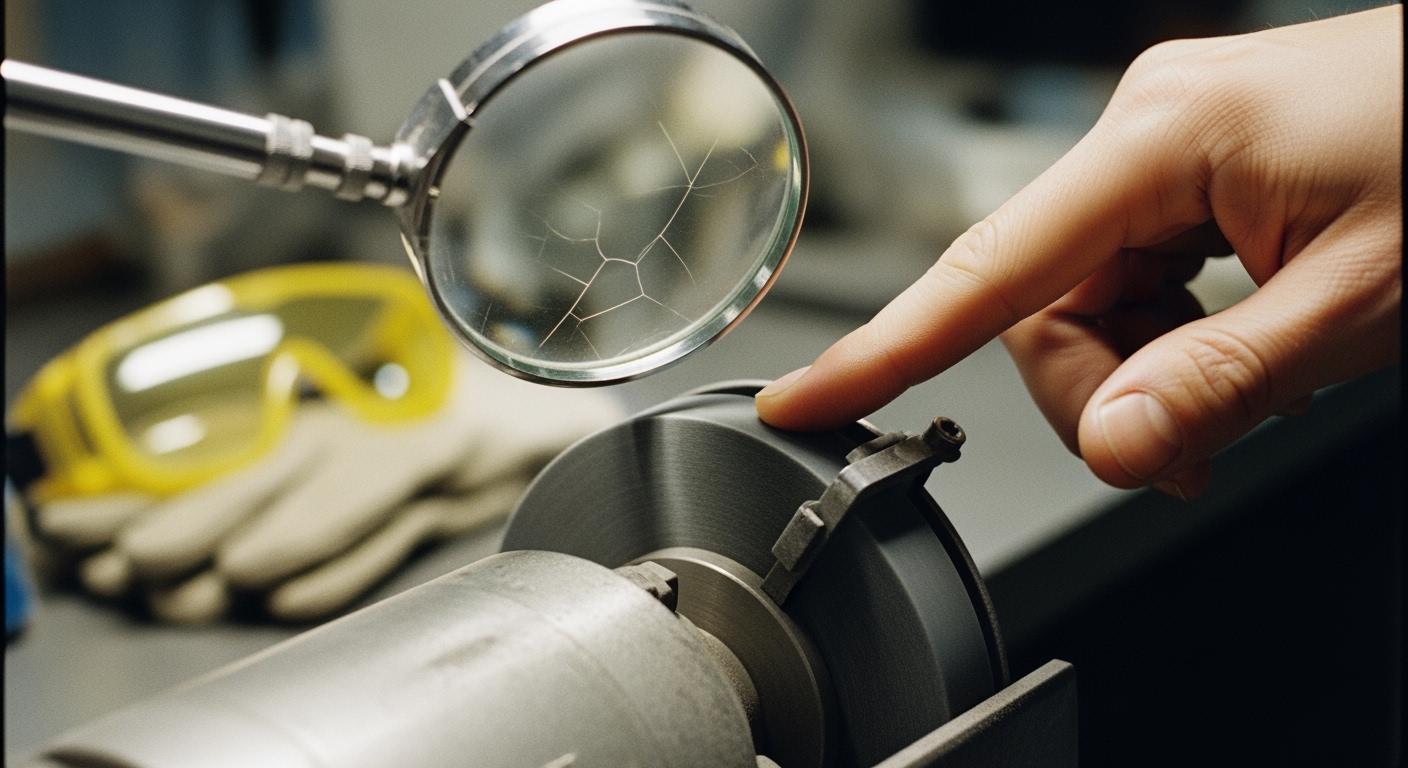
You must Judge the Safety Status of a grinding wheel before every use. Safety comes first because a damaged wheel can break and cause injury. Skipping safety checks can put you at risk. Following a clear process helps you stay safe and work better. Aimgrind’s expertise and diamond grinding wheels set a high standard for safety. Make safety a habit to protect yourself and get the best results every time.
Key Takeaways
- Always perform a visual inspection of the grinding wheel before use. Look for cracks, chips, and uneven wear to ensure safety.
- Use the ring test to check for hidden cracks. A clear ringing sound indicates a safe wheel, while a dull sound means it should be replaced.
- Verify the manufacturer’s label for size, material, and expiration date. This ensures the wheel is suitable for your machine and safe to use.
- Follow proper mounting procedures. Clean all parts, use the correct flanges, and ensure guards are in place to protect yourself during grinding.
- Pay attention to unusual noises or vibrations during use. These can signal problems that may require immediate inspection or replacement of the wheel.
Visual Inspection for Grinding Wheel Safety
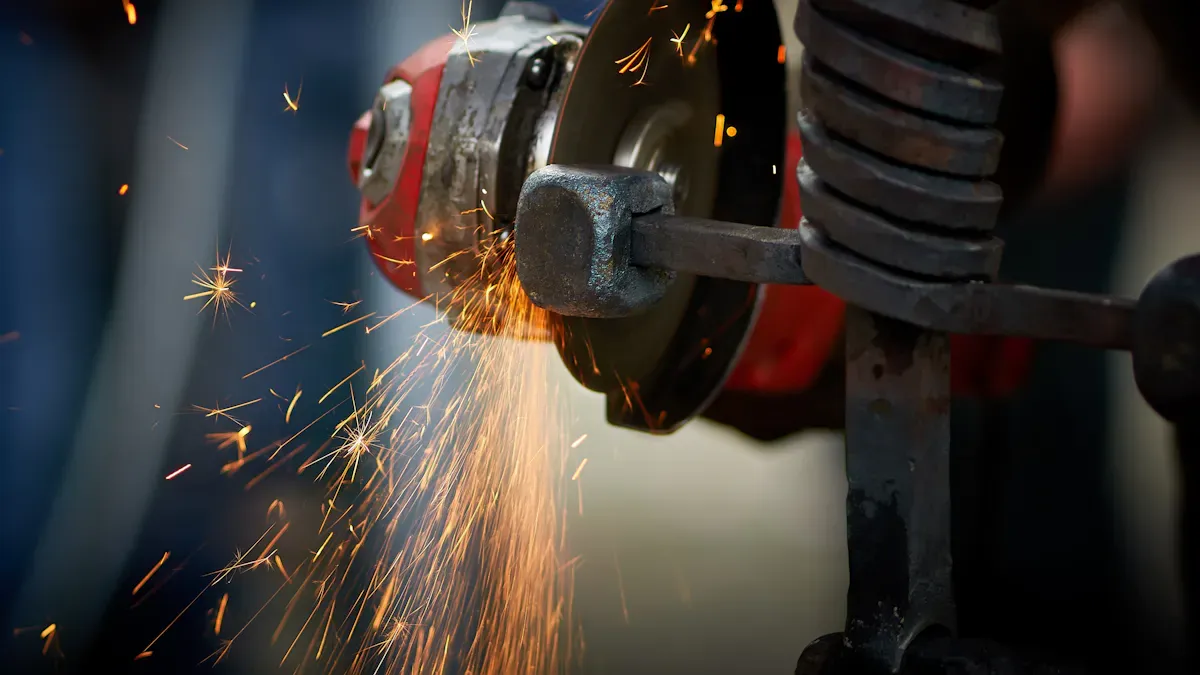
You should always start with a visual inspection before using any grinding wheel. This step helps you spot problems early and keeps you safe. Aimgrind’s diamond grinding wheels are built for durability, but you still need to check every wheel before use. A careful look can prevent accidents and improve grinding wheel safety.
Check for Cracks and Chips
Begin your inspection by looking for cracks and chips. Hold the wheel in good light and turn it slowly. Cracks can appear as fine lines on the surface or edges. Chips often look like missing pieces or rough spots. These flaws can lead to sudden failure during use. Crack detection is important because even a small crack can cause the wheel to break apart. If you find any cracks or chips, do not use the wheel. Replace it right away to protect yourself and others.
The table below shows common types of visible damage you might find during a visual inspection:
| Type of Damage | Description |
|---|---|
| Thermal Damage | Discoloration or burn marks from overheating during grinding. |
| Dimensional Errors | Mistakes in the size or shape of the wheel, which can affect how it fits and works. |
| Surface Finish Issues | Problems with the smoothness of the wheel, leading to poor grinding and faster wear. |
| Grinding Burns | Changes in the wheel from too much heat, which can make parts unusable. |
Spotting these issues early helps you maintain grinding wheel safety and avoid costly mistakes.
Spot Uneven Wear or Discoloration
Next, check for uneven wear or discoloration. Uneven wear means the wheel does not have a smooth, even surface. This can cause vibrations and make grinding unsafe. Discoloration often shows up as dark spots or burn marks. These marks can signal overheating or thermal damage. Both problems can lead to wheel failure if you ignore them.
Studies show that high-resolution imaging can predict wheel wear with great accuracy. You do not need special tools for your daily checks, but you should look for any changes in color or shape. If you see signs of uneven wear or strange colors, stop and inspect grinding wheel more closely. Replace the wheel if you are not sure about its safety.
Inspect Edges and Surface
Finish your visual inspection by looking at the edges and surface of the wheel. Follow these steps for a complete check:
- Look for cracks or chips on the edge and surface.
- Make sure the abrasive layer is even and smooth.
- Check for any bumps, dips, or imbalances.
- Read the label to confirm the wheel matches your machine’s size, grit, and speed.
These steps help you spot problems that could lead to grinding wheel safety issues. Good detection of flaws keeps your work safe and your results accurate.
Aimgrind’s diamond grinding wheels meet strict quality standards. They are designed to resist cracks, chips, and uneven wear. Even so, you must inspect every wheel before use. This habit protects you and keeps your grinding process smooth.
Tip: Always store your grinding wheels in a dry, safe place. Proper storage helps prevent damage and keeps your wheels ready for safe use.
By following these steps, you make grinding wheel safety a part of your daily routine. You also get the best performance from your Aimgrind diamond grinding wheels.
Judge the Safety Status with the Ring Test
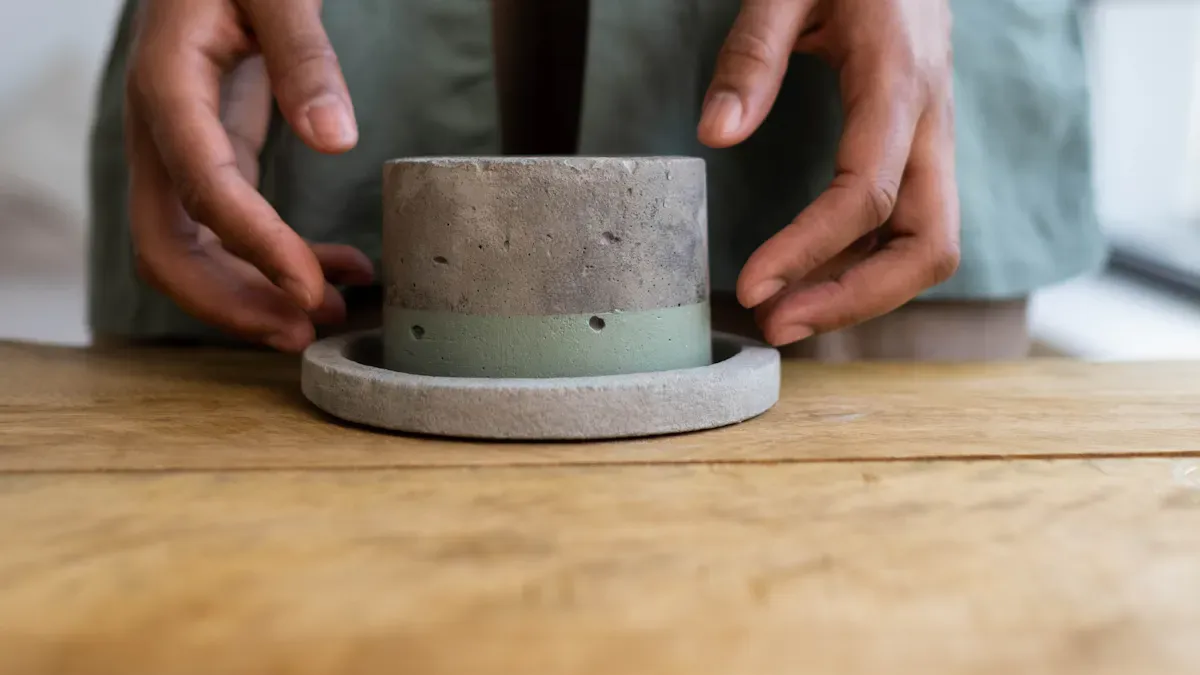
You can judge the safety status of grinding wheels by using the ring test. This method helps you find hidden cracks that may not show up during a visual inspection. The ring test is a simple way to check if your grinding wheels are safe for use. You should always include this step in your routine before starting any grinding job.
How to Perform the Ring Test
You need to follow these steps for proper testing:
- Remove the grinding wheel from the machine. Make sure it is clean and dry.
- Hold the wheel upright with a string or hang it on a peg. Do not touch the wheel with your hands during testing.
- Use a small, non-metallic tool like a wooden stick or plastic hammer. Tap the wheel gently near the edge, but not on the center.
- Listen for the sound. A healthy wheel will produce a clear, ringing tone. A cracked wheel will make a dull or dead sound.
Repeat the ring test at several points around the wheel. Move to different angles and tap again. This helps you judge the safety status more accurately. You should never skip this step, even if the wheel looks perfect.
Tip: Always perform the ring test in a quiet area. Background noise can make it hard to hear the sound.
Aimgrind diamond grinding wheels are engineered for structural integrity. You can trust their quality during performance testing. These wheels are reliable and safe for ring test procedures.
Interpreting the Sound
You must pay close attention to the sound during testing. The tone tells you if the grinding wheels are safe or need replacement.
| Sound Type | What It Means | Action to Take |
|---|---|---|
| Clear Ring | No cracks, safe to use | Proceed with mounting |
| Dull/Dead Tone | Possible cracks or damage | Replace the wheel |
| Uneven Sound | Check for hidden flaws | Inspect further |
If you hear a clear ring, you can judge the safety status as good. If you hear a dull sound, stop using the wheel. Replace it right away. Uneven sounds may mean hidden cracks. You should do more performance testing or visual inspection.
You can trust Aimgrind diamond grinding wheels for consistent results. Their strong design supports safe testing and reliable performance. You get peace of mind when you use Aimgrind products.
Note: The ring test does not replace other safety checks. Always combine testing with visual inspection and performance testing for the best results.
You can judge the safety status of grinding wheels with confidence when you follow these steps. Make the ring test part of your daily routine. You protect yourself and improve your grinding process every time.
Check Standards & Compliance with Aimgrind Wheels
You must check standards and compliance before using any grinding wheel. This step keeps you safe and ensures your grinding process meets industry requirements. Aimgrind diamond grinding wheels follow strict standards for safety and performance. You should always perform quality checks and review documentation before starting work.
Verify Labels and Expiration Dates
Start your inspection by reading the manufacturer’s label. The label gives you important information about the wheel, such as size, material, bond type, and expiration date. Material and bond verification helps you match the wheel to your job. Expired wheels may lose strength and accuracy. Always check documentation and certification to confirm the wheel is still safe to use. If you see missing or unclear labels, do not use the wheel.
Confirm Speed Ratings and Compatibility
You must confirm the speed rating on the wheel matches your machine. Using a wheel with the wrong speed rating can cause poor results, burning, or even catastrophic failure. Check the table below for possible problems:
| Issue | Possible Result |
|---|---|
| Wrong speed rating | Poor wheel life, injury |
| Wrong diameter or spindle | Bad accuracy, high cost |
| Incompatible material/bond | Glazing, loading, poor finish |
Always perform quality checks for speed, diameter, and material and bond verification. This step improves accuracy and extends wheel life. Matching the wheel to your machine and material also supports compliance with standards.
Ensure Compliance with Industry Standards
You must follow all industry standards for grinding wheel safety. Regulatory agencies require compliance with standards like 29 CFR 1910.215. This includes a ring test, proper hood design, and regular inspection. Hoods must fit your machine and protect you from dust and debris. Documentation and certification show that your wheels meet these standards. Aimgrind wheels pass all required quality checks and certification steps. You can trust their accuracy and compliance with standards for every job.
Tip: Keep all documentation and certification records for your grinding wheels. This helps you prove compliance during audits or inspections.
By following these steps, you make safety and compliance with standards part of your daily routine. You protect yourself and ensure the best results with Aimgrind diamond grinding wheels.
Proper Mounting and Handling for Grinding Wheel Safety
Steps for Safe Installation
You need to follow a clear checklist for safe installation of grinding wheels. Start by disconnecting power from the machine. Clean all parts, including spindle and flanges, to remove debris. Inspect the wheel for cracks or chips. Use only flanges that fit your machine. Place blotter papers between the wheel and flanges. Thread the nut by hand first, then tighten with the correct wrench. Do not overtighten. Install the guard so it covers at least half of the wheel. Check the wheel’s rotation direction. Wear safety glasses and other protective gear. Allow the wheel to run at operating speed for one minute before grinding. Stand off to the side during this time to avoid accidents.
Tip: Never use a wheel that has been dropped or abused. Always check the expiration date before mounting.
Use of Wheel Guards and Adjustments
A guard protects you from debris and accidents. Safety studies show that a proper guard reduces injuries from wheel explosions. Inspect guards regularly to make sure they work correctly. Adjust the work rest so it stays close to the wheel face, with a gap no larger than 1/8 inch. Keep the tongue guard within 1/4 inch of the wheel periphery. Use guards designed for your machine. The table below shows how guards improve workplace safety:
| Evidence Type | Description |
|---|---|
| Safety Guards | Properly functioning guards protect operators from debris and accidents. |
| Standards Emphasis | Safety standards highlight the necessity of guards to prevent injuries from wheel explosions. |
Handling Aimgrind Diamond Grinding Wheels
Aimgrind diamond grinding wheels require careful handling to maximize safety and performance. Store wheels in a dry, safe place. Avoid forcing wheels onto machines or altering mounting holes. Do not grind materials the wheel is not designed for. Always use mounting blotters provided by Aimgrind. Regularly inspect wheels and machines for defects. Aimgrind recommends following all manufacturer instructions for installation and use. These steps help you maintain workplace safety and prevent accidents in your workplace.
Note: Aimgrind’s commitment to quality ensures you get reliable wheels that support safe grinding every day.
Warning Signs and When to Replace a Grinding Wheel
Unusual Noises or Vibrations
You should pay attention to the sounds and vibrations during grinding. Unusual noises often signal hidden problems. If you hear rattling, screeching, or a sudden change in tone, stop the machine. Excessive vibrations can mean the wheel is worn, cracked, or not mounted correctly. Burning smells also warn you about overheating or possible damage. These warnings help you avoid accidents and keep your grinding process safe.
Criteria for Replacement or Rejection
You need to follow clear dos and don’ts when deciding to replace a grinding wheel. Safety manuals list several signs that show a wheel is no longer safe. The table below shows common warning signs and their descriptions:
| Warning Sign | Description |
|---|---|
| Dropped or Damaged Wheels | Do not use wheels that have been dropped or damaged. |
| Exceeding MAX RPM | Avoid using wheels on grinders that exceed the MAX RPM marked. |
| Twisting or Bending | Do not twist, bend, or jam any wheel. |
| Forcing the Wheel | Avoid forcing or bumping the wheel, which can slow or stall motor. |
| Incorrect Applications | Do not use wheels for tasks they were not designed for. |
You should regularly inspect for signs of wear. Replace the wheel before it becomes too small. Worn wheels require more pressure to cut, which increases heat and stress. A fresh wheel cuts faster and safer. If you see cracks, chips, glazing, or uneven wear, reject the wheel immediately.
Tip: Always check the wheel profile and surface condition before each use. This habit keeps your workspace safe.
Aimgrind Support for Grinding Wheel Safety
Aimgrind helps you identify and address grinding wheel safety issues. You can rely on their guidance for regular inspections. Check the surface condition and wheel profile. Look for uneven wear, cracks, chips, and glazing. Monitor performance indicators like efficiency and surface finish quality. If you notice excessive vibrations or unusual sounds, replace the wheel right away. Aimgrind’s customer support team answers your questions and provides advice for safe grinding wheel use.
Note: Aimgrind’s commitment to quality and customer service ensures you get reliable help for all your grinding wheel safety needs.
You can judge grinding wheel safety by following a few simple steps. Start with a visual inspection, check labels and ratings, and use the ring test. Always mount and handle wheels with care. Regular checks help you avoid hazards and keep your workspace safe.
- Inspect for cracks or chips before each use.
- Confirm the RPM rating matches your machine.
- Use proper guards and wear protective gear.
| Benefit | Description |
|---|---|
| Improved Safety | You face fewer hazards and work in a safer environment. |
| Increased Productivity | You focus better and get more done with fewer accidents. |
Trust Aimgrind for high-quality diamond grinding wheels and make safety a daily habit.
FAQ
What makes Aimgrind diamond grinding wheels stand out in terms of quality?
You get diamond grinding wheels from Aimgrind that meet strict quality standards. Each wheel goes through careful testing. You can trust the quality for every job. Aimgrind focuses on quality to give you safe and reliable grinding every time.
How do I check the quality of a grinding wheel before use?
You should inspect the wheel for cracks, chips, or uneven wear. Look at the label for important details. Perform a ring test to check for hidden flaws. These steps help you judge the quality and safety of your grinding wheel.
Why is quality important for grinding wheel safety?
Quality affects how safe your grinding wheel is. High-quality wheels resist cracks and last longer. You avoid accidents and get better results. Always choose wheels with proven quality to protect yourself and your equipment.
Can I use Aimgrind wheels for different materials and still expect quality results?
Yes, you can use Aimgrind wheels on metals, ceramics, and composites. The quality stays high for each material. You get consistent performance and a smooth finish. Aimgrind designs each wheel for quality results across many applications.
How does Aimgrind ensure the quality of its grinding wheels?
Aimgrind uses advanced manufacturing and strict inspections. You benefit from a process that checks every detail. Quality control covers material selection, bonding, and final testing. This focus on quality gives you confidence in every grinding task.
Tip: Always store your wheels properly to keep their quality high.
| Step | How It Supports Quality |
|---|---|
| Visual Inspection | Finds visible flaws |
| Ring Test | Detects hidden cracks |
| Label Check | Confirms specs and quality |
| Proper Storage | Maintains wheel quality |