

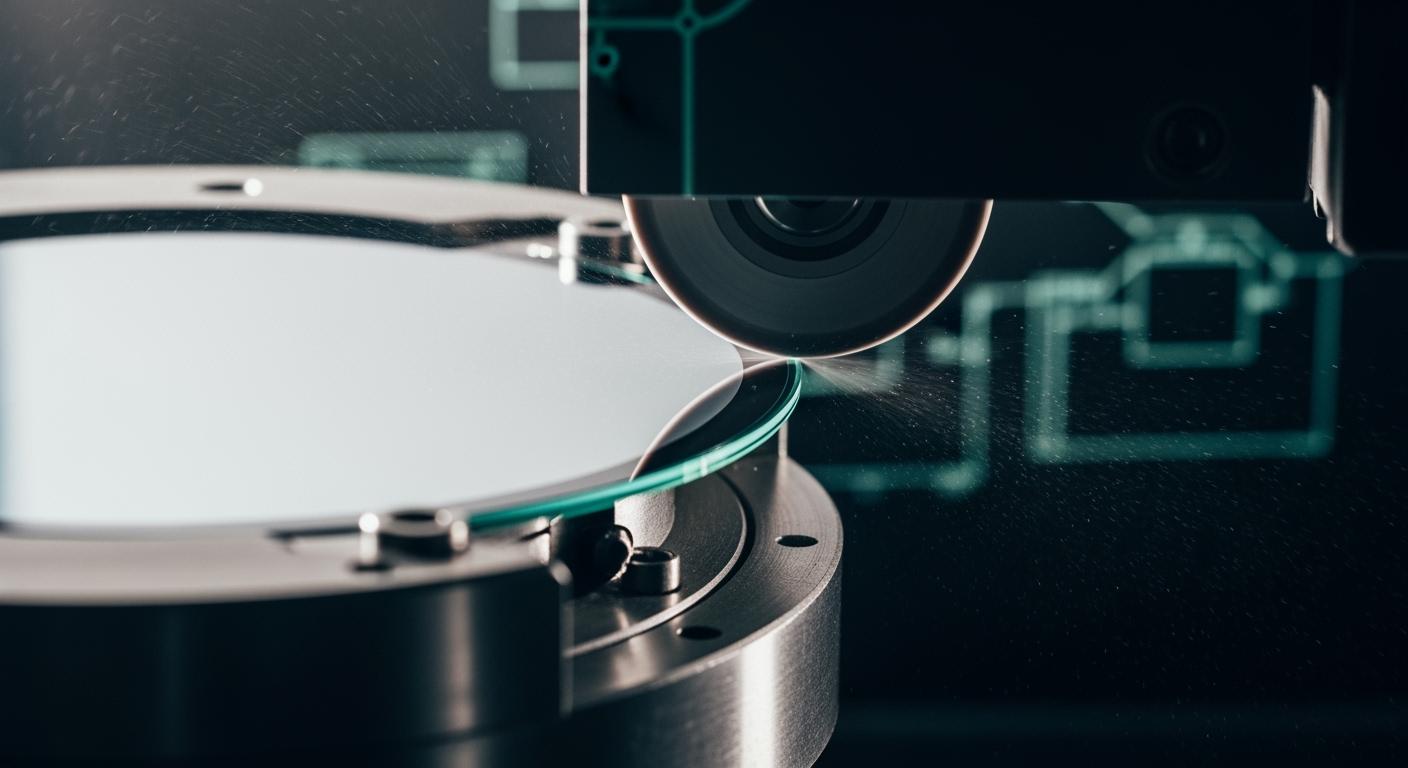
You need to protect every wafer from damage during thinning in semiconductor manufacturing. Using the right grinding wheels makes a big difference. Diamond grinding wheels stand out because they help you achieve high quality and smooth surfaces. The table below shows how diamond wheels compare to other types in the grinding process:
| Metric | Diamond Grinding Wheels | Other Grinding Wheel Types |
|---|---|---|
| Total Thickness Variation | Minimal (under 3µm) | Higher (varies) |
| Surface Finish | Smooth, semi-reflective | Rougher, more defects |
| Residual Damage Removal | Effective | Less effective |
| Stress Relief | Excellent | Poorer |
You can improve results by choosing the right materials, wheel profiles, and process settings. Innovative solutions like Aimgrind’s custom wheels help you meet strict industry standards.
Key Takeaways
- Choose diamond grinding wheels for ultra-thin wafers to achieve minimal thickness variation and a smooth surface finish.
- Monitor key parameters like grinding speed, feed rate, and pressure to reduce wafer damage and improve surface quality.
- Utilize advanced materials and custom solutions, like Aimgrind’s diamond wheels, for better durability and performance.
- Implement effective coolant and environmental controls to manage heat and prevent wafer warping during grinding.
- Follow best practices, such as selecting the right bond type and grit size, to enhance wafer quality and reduce defects.
Wafer Thinning Challenges and Damage Mechanisms
Common Wafer Defects
When you thin single-crystal wafers for semiconductor devices, you face several challenges. Ultra-thin wafers often develop defects that can lower yield and reliability. You need to watch for these common wafer defects:
- Cracking along grinding marks: This defect appears when the grinding process leaves deep marks on the wafer surface. Cracks can spread and cause wafer breakage.
- Cleavage along crystal planes: Foreign contamination can cause the wafer to split along its natural crystal structure. This type of defect is hard to control and can ruin single-crystal wafers.
- Irregular shattering: Handling and transport can lead to random breaks in ultra-thin wafers. These defects are especially damaging because they often destroy the wafer completely.
You also need to manage thickness uniformity. If the wafer thickness varies, you will see more defects and higher surface roughness. Thinner wafers are more likely to break under mechanical stress. Keeping total thickness variation low helps you reduce surface and subsurface damage.
Causes of Surface and Subsurface Damage
You create surface and subsurface damage during the grinding process. The grinding wheel removes material from the wafer surface, but it can also leave behind micro-cracks and roughness. These defects lower the quality of single-crystal wafers and make the surface less reliable for semiconductor applications.
The study investigates the formation of subsurface damage (SSD) layers during the grinding process of ultra-thin silicon wafers. It emphasizes that mechanical grinding induces significant damage, and atomistic simulations reveal the mechanical properties of the SSD layer, showing a degradation in Young’s modulus and ultimate tensile strength compared to ideal silicon.
Surface roughness increases when you use poor grinding techniques or the wrong grinding wheel. You may see micro-cracks, pits, and scratches on the wafer surface. Subsurface damage forms below the surface and weakens the wafer structure. If you do not control the process, you will see more defects and higher surface roughness.
You must also consider stress management. Mechanical and thermal stresses during the process can cause warpage and internal defects. These stresses make it harder to keep the wafer flat and free from surface roughness. By understanding these challenges, you can choose better grinding wheels and process settings to protect your wafers.
Limitations of Conventional Grinding Wheels
Material and Design Issues
You face many challenges when you use conventional grinding wheels for thinning ultra-thin wafers. These wheels often use materials that do not match the hardness or brittleness of wafers like silicon carbide or sapphire. The grinding wheel bond may have an elastic modulus that does not fit the mechanical properties of the wafer. This mismatch can cause more damage during the grinding process.
Conventional grinding wheels usually have abrasive grains with high protrusion heights. These grains can start cracks in wafers with low toughness. You see more micro-cracks and roughness because the wheel design does not focus on brittle materials. The grinding process becomes less controlled, and you struggle to keep the wafer surface smooth.
You need to understand that the wrong grinding wheel material or bond can make the process harder. The wheel may wear out quickly or lose its shape. This leads to uneven grinding and more defects in the wafer.
Impact on Ultra-Thin Wafers
Ultra-thin wafers are sensitive to every step in the grinding process. Conventional grinding wheels increase the risk of damage. You see more surface and subsurface defects because the wheels are not optimized for semiconductor wafers.
- Conventional grinding wheels do not work well with brittle materials like silicon carbide and sapphire. You see more damage in these wafers.
- The hardness and brittleness of wafers cause higher grinding forces. You see more subsurface damage during the process.
- If the grinding wheel bond does not match the wafer’s mechanical properties, you see more cracks and defects.
- Abrasive grains with high protrusion heights start and spread cracks in wafers with low toughness.
You must control the grinding process to protect ultra-thin wafers. Conventional wheels make this difficult. You see more total thickness variation and rough surfaces. The process does not remove residual damage well. You need better grinding wheels to meet semiconductor industry standards.
Advanced Diamond Grinding Wheels for Wafer Thinning
Aimgrind’s Custom Solutions
You need the right grinding wheels to protect wafers during thinning. Aimgrind gives you custom diamond wheels for wafer thinning that match your process and equipment. You can choose the size, grit, and bond type to fit your needs. Aimgrind’s team works with you to diagnose problems and match parameters, so you get the best results for your wafers.
You see better durability and precision with Aimgrind’s diamond wheels for wafer thinning. These wheels last longer and keep their shape, so you do not need to change them often. You save time and money because you do not stop the process for wheel changes. The table below shows how advanced diamond wheels compare to traditional grinding wheels in performance and durability:
| Performance Metric | Traditional Grinding Wheel | 400 Series Brazed Diamond Wheel |
|---|---|---|
| Tool Life (hours) | 5-7 | 22-25 |
| Material Removal Rate | 15-18 cm³/min | 35-40 cm³/min |
You get more value from diamond wheels for wafer thinning because they work faster and last longer. You also see better wafer quality and less damage.
Tip: When you use Aimgrind’s custom diamond wheels for wafer thinning, you reduce tool changes and improve surface finish. In one case, a manufacturer saw a 68% drop in tool changes and a smoother finish on ceramic parts.
Innovative Abrasive Materials
You need strong and sharp abrasives to thin wafers without causing damage. Diamond is the hardest material you can use for grinding. Aimgrind uses high-quality diamond powders in both natural and synthetic forms. These powders help you get a smooth and flat wafer surface.
Recent advances in diamond wheels for wafer thinning use special types of synthetic diamond. Chemical vapor deposition (CVD) microcrystalline diamonds and high-pressure high-temperature (HPHT) single-crystal diamonds give you even grain size and high strength. These materials help you control the grinding process and keep wafer damage low.
Manufacturers choose diamond wheels for wafer thinning because they give you better results than other wheels. You can see the difference in durability, heat control, and cost. The table below compares diamond grinding wheels and conventional wheels:
| Advantage | Diamond Grinding Wheels | Conventional Wheels |
|---|---|---|
| Durability | Unmatched, longer cutting edge retention | Shorter lifespan, frequent replacements |
| Material Versatility | Can grind hard materials like ceramics, stone | Limited to softer materials |
| Thermal Management | Better heat dissipation | Poor heat management |
| Cost-Effectiveness | Fewer wheel changes, reduced downtime | Higher maintenance costs |
You get a better finish and less wafer damage with diamond wheels for wafer thinning. You also use less pressure during grinding, which protects your wafers.
Optimized Bond Types and Profiles
You need the right bond type and wheel profile to get the best results in wafer thinning. Aimgrind offers different bonds for diamond wheels for wafer thinning. Each bond type helps you control the grinding process and reduce wafer damage.
- Resin bond: This bond is flexible and gives you a smooth surface. You lower the risk of wafer breakage.
- Vitrified bond: This bond is strong and rigid. You get steady performance, but you need to watch for wafer breakage.
You can also pick the grit size for your diamond wheels for wafer thinning. Finer grits, like #3000 to #8000, help you get a smooth finish and less surface damage. You match the bond and grit to your wafer and process for the best quality.
Manufacturers now use advanced designs to meet the needs of ultra-thin wafers. You see more demand for finer grit sizes and tighter tolerances. The market for wafer thinning grinding wheels is growing fast because more people need ultra-thin wafers for smartphones and computers.
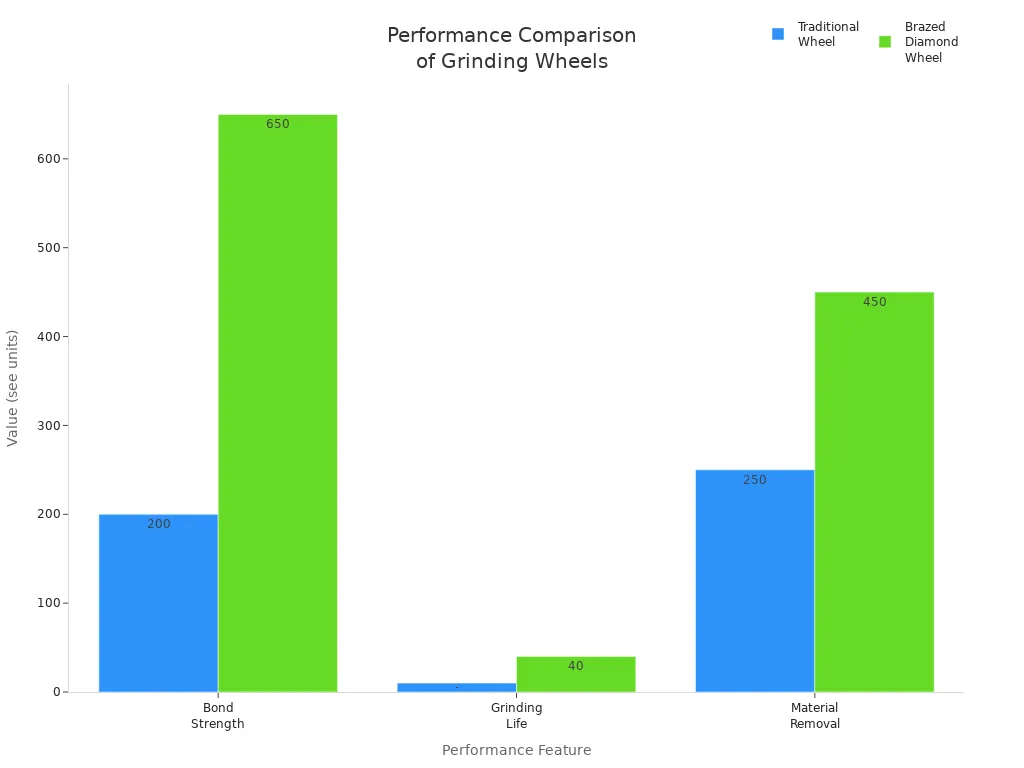
You get higher bond strength, longer grinding life, and faster material removal with advanced diamond wheels for wafer thinning. These features help you keep wafer quality high and damage low.
- You can see that resin bonds give you flexibility and smooth finishes.
- You can use vitrified bonds for strength and steady grinding.
- You can pick very fine grit sizes for the best wafer surface.
You need to choose the right grinding wheels, abrasive materials, and bond types to protect your wafers. Aimgrind helps you find the best diamond wheels for wafer thinning so you can meet the strict standards of the semiconductor industry.
Process Optimization for Low-Damage Thinning
Key Parameters: Speed, Feed, Pressure
You need to control several key parameters to protect wafers during the wafer thinning process. Grinding speed, feed rate, and pressure play a major role in reducing surface roughness and wafer damage. Lower grinding speeds and feed rates help you minimize mechanical stress and heat. You can achieve a smoother surface finish and reduce subsurface roughness. Controlled pressure keeps wafers stable and lowers the risk of breakage.
Grinding wheels must operate at the right speed to balance material removal rate and surface quality. If you increase grinding speed, you remove material faster, but you also raise the chance of defects. You must find the best speed for your diamond wheels to get high efficiency and low roughness. Wafer rotation speed also affects surface roughness and thickness uniformity. You need to adjust these speeds to match the wafer thinning process.
You can see the most critical process parameters in the table below. These parameters help you manage wafer thickness, surface roughness, and overall performance.
| Critical Process Parameter | Description |
|---|---|
| Handling Techniques | Specialized carriers with vacuum or electrostatic clamping systems to support ultra-thin wafers. |
| Mechanical Fragility Management | Robotic systems with precise force control to minimize mechanical stress during wafer movement. |
| Thermal Stress Control | Advanced thermal management systems to maintain uniform temperature distributions and prevent warping. |
| Specialized Processing Adaptations | Modifications in photolithography processes to accommodate the non-planar nature of ultra-thin wafers. |
You need to monitor these parameters during the wafer thinning process. Adjusting grinding speed, feed rate, and pressure improves grinding performance and surface quality. You can achieve better wafer thickness control and reduce roughness.
Coolant and Environmental Controls
You must use coolant and environmental controls to protect wafers from damage during grinding. Coolant flow helps you manage heat and mechanical stress. Proper coolant flow lowers surface roughness and prevents wafer warping. You can reduce defects like white pixel issues by controlling load and torque during grinding.
Environmental controls also play a big role in wafer thinning. You need to keep grinding wheels clean and maintain stable temperature and humidity. These controls help you achieve high surface quality and reduce wafer roughness. You can use pads and carriers that match wafer thickness and surface requirements.
- You must control grinding parameters such as load, speed, and coolant flow to prevent wafer damage.
- There is a direct link between applied load and wafer surface damage. You need to keep grinding pressure low to avoid defects.
- Environmental controls help you reduce defect rates and improve wafer quality.
You can see higher efficiency and better surface finish when you use coolant and environmental controls. These steps help you achieve low-damage wafer thinning and improve grinding performance.
Fine Grinding and Polishing Stages
You need to use fine grinding and polishing stages to achieve the best surface finish and wafer quality. Finer grit diamond wheels give you ultra-high precision surface roughness. You can reach Ra<0.02μm, which is important for advanced semiconductor packaging. Uniform diamond distribution reduces edge chipping and lowers grinding stress. You can achieve a >99.5% intact rate for ultra-thin wafers.
You must use real-time monitoring techniques to optimize the wafer thinning process. Predictive analytics helps you anticipate equipment issues and maintain grinding efficiency. AI-powered data optimization adjusts process parameters to improve surface quality and prevent defects. Root cause analysis lets you find anomalies quickly and reduce downtime.
- Finer grit diamond wheels improve surface finish and reduce packaging delamination rate.
- Uniform diamond distribution lowers edge chipping and grinding stress.
- Real-time monitoring increases wafer quality and efficiency.
You can see measurable benefits from process optimization. Higher yields and reduced material costs help you save money. Reducing kerf loss by 10-20% lowers material costs per wafer. Each additional good wafer saves $100 per ingot. Companies report that reducing kerf by 10 µm per cut increases wafer count by several percent.
You need to focus on grinding wheels, diamond abrasives, and process parameters to achieve low-damage wafer thinning. Fine grinding and polishing stages help you reach the best surface quality and wafer thickness. Real-time monitoring and environmental controls improve grinding performance and efficiency.
Integration and Practical Recommendations
Industrial Implementation
You must focus on high surface accuracy and thickness uniformity when you add advanced diamond grinding wheels to your wafer production line. You want the total thickness variation to stay below 1 μm. This level of control helps you keep chips reliable, especially for new technologies like 3D ICs. You should look for grinding wheels that match your process and support your equipment. The market now asks for high-performance diamond wheels that improve precision and efficiency. You also see more demand for custom solutions and eco-friendly manufacturing. You can meet these needs by choosing wheels that fit your grinding process and support your goals for surface quality.
Case Studies with Aimgrind Diamond Wheels
Many companies use Aimgrind diamond grinding wheels to improve wafer thinning. One electronics manufacturer switched to Aimgrind wheels and saw a big drop in surface defects. The company reported better surface finish and less subsurface damage. Another user found that diamond wheels from Aimgrind lasted longer and kept their shape during the grinding process. This helped them reduce tool changes and keep the removal rate steady. You can see these results in your own process by working with Aimgrind to select the right wheels for your needs.
Best Practices for Wafer Thinning
You should follow best practices to get the most from your grinding wheels. Always check the grinding speed and pressure to protect the wafer surface. Use enough coolant to keep the grinding area cool and clean. Pick diamond wheels with the right bond and grit for your process. Monitor the grinding process to catch problems early. You can use real-time data to adjust your settings and keep the removal rate high. If you focus on these steps, you will see better surface quality and fewer defects in your wafers.
You can optimize grinding wheels for low-damage thinning by following key steps:
- Use mechanical grinding with coarse and fine stages to control surface quality.
- Choose the right bond type for your diamond wheel to match wafer needs.
- Monitor grinding speed, depth, and coolant flow for best results.
- Combine advanced materials, innovative designs, and precise process control.
- Adopt customized solutions like Aimgrind’s for improved wafer performance.
- Support ongoing research and industry collaboration to drive future advancements.
FAQ
What materials can you grind with diamond grinding wheels?
You can grind hard alloys, ceramics, and composite materials. Diamond wheels work best for tough and brittle surfaces. You get smooth results and less damage.
How do you choose the right bond type for wafer thinning?
You select resin bonds for flexibility and smooth finishes. Vitrified bonds give you strength and steady grinding. Match the bond to your wafer and process needs.
Tip: Always check your wafer material before picking a bond type.
Can you use diamond grinding wheels for both wet and dry grinding?
Yes, you can use diamond wheels for wet or dry grinding. Wet grinding helps control heat and reduces wafer damage. Dry grinding works for quick jobs.
Why do you need finer grit sizes for ultra-thin wafers?
Finer grit sizes help you achieve a smoother surface and lower roughness. You protect the wafer from cracks and chips. You get better results for advanced electronics.