

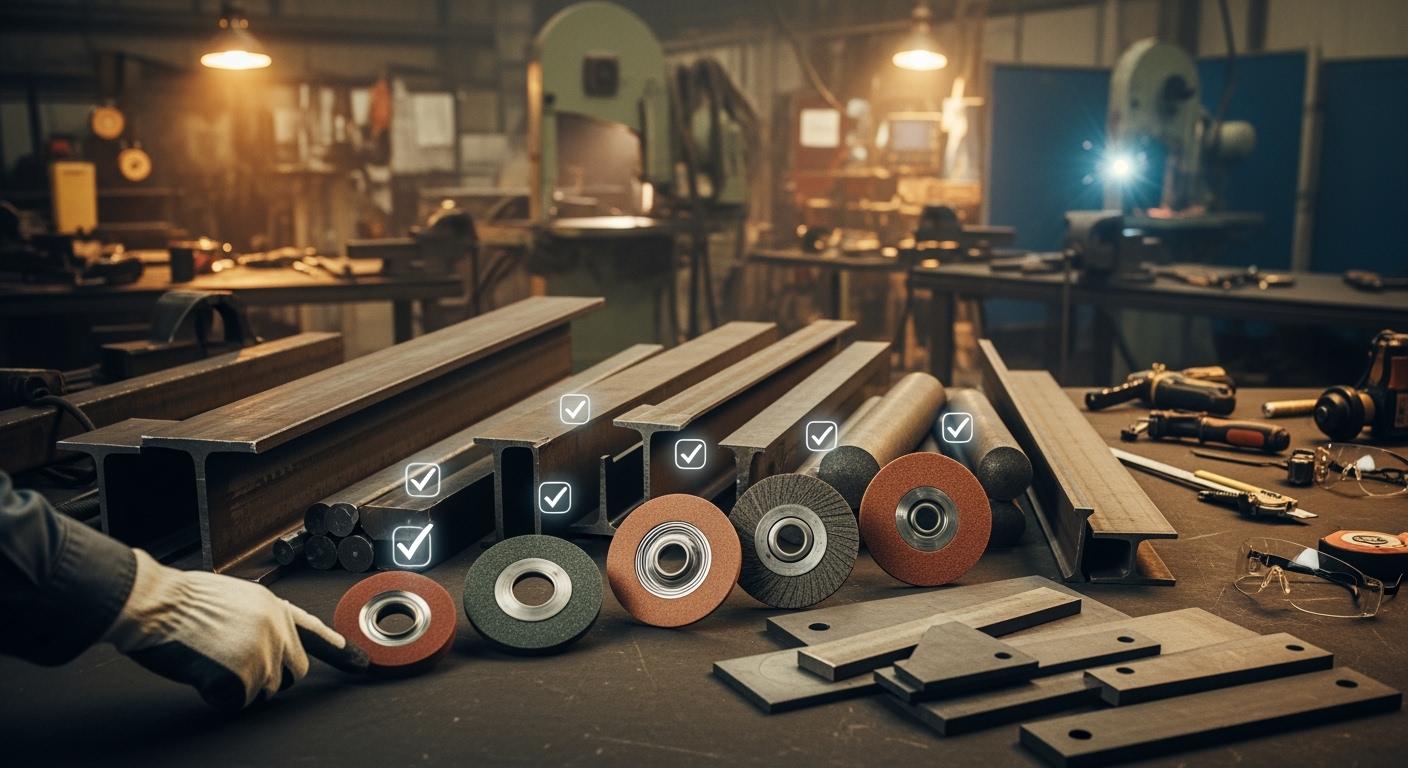
You need to focus on several main criteria for Grinding Wheel Selection when working with structural steels.
- Abrasive grain type and size
- Grit size
- Wheel hardness
- Bond material
- Wheel shape and size
Each grinding wheel property directly impacts grinding efficiency, workpiece quality, and cost. Matching wheel features to your steel type helps you achieve better grinding results. Studies show that grain size changes grinding forces and surface roughness. Aimgrind offers customized solutions for grinding, including advanced CBN grinding wheels that improve grinding performance. You can use this guide to help with grinding tasks, whether you work in a shop or at home.
Key Takeaways
- Choose the right abrasive material based on the steel type. Aluminum oxide works for most steels, while ceramic is best for stainless steel.
- Select grit size carefully. Coarse grits remove material quickly, while finer grits provide smoother finishes. Match grit to your grinding goal.
- Consider wheel hardness. Softer wheels are better for hard steels to keep them cool, while harder wheels work for softer steels to maintain shape.
- Pick the appropriate bond type for your task. Vitrified bonds are good for precision, while resinoid bonds offer flexibility and reduce vibration.
- Always inspect your grinding wheels before use. Check for cracks and ensure the wheel matches your machine’s speed to prevent accidents.
Types of Steel for Grinding
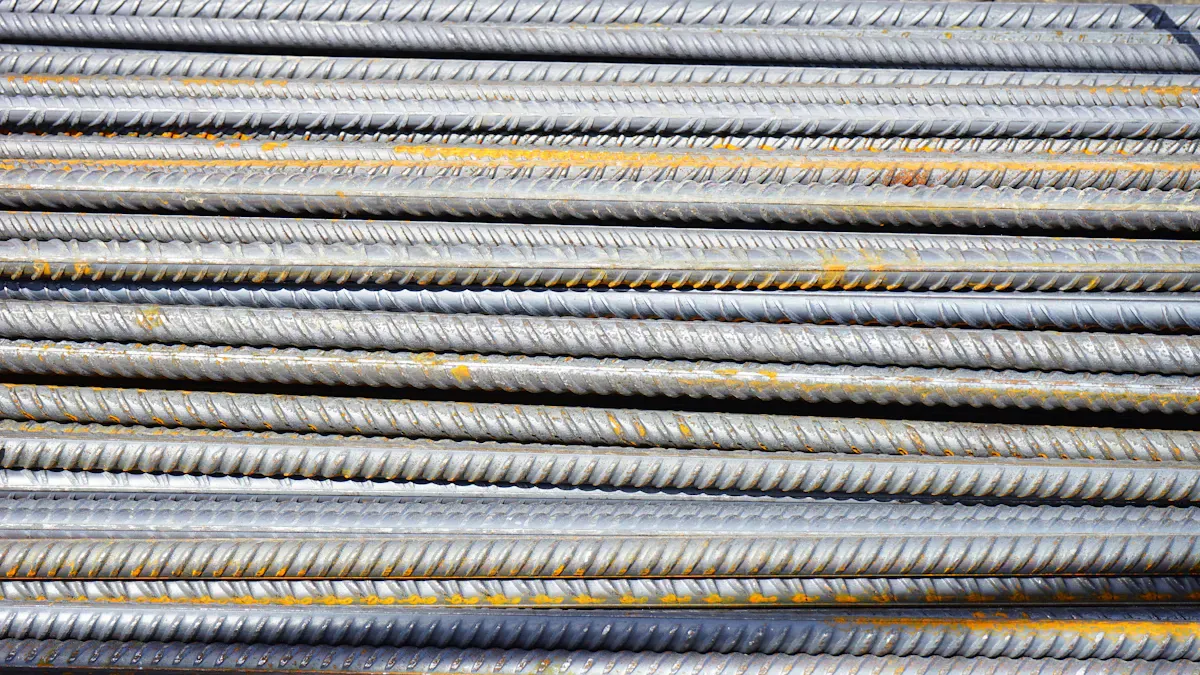
You will find many types of steel in structural work. Each type has its own grinding needs. Knowing the types of steel helps you choose the right grinding wheel for your job.
Carbon Steel
Carbon steel is one of the most common types of steel. You will see it in beams, pipes, and frames. This type is easy to grind because it has a simple structure. You can use standard grinding wheels for most carbon steel tasks. The grinding process is smooth, and you do not need special wheels unless the steel is very hard.
Alloy Steel
Alloy steel contains extra elements like chromium, nickel, or molybdenum. These types of steel have different microstructures. You may notice that some batches have larger grains or more inclusions. These changes can make grinding harder. For example, recycled alloy steel with big oxide inclusions can wear down your wheel faster. You should pick a grinding wheel with a strong bond and the right abrasive type to handle these challenges.
Stainless Steel
Stainless steel stands out for its toughness and resistance to rust. When you grind this type, you need a wheel that can handle high stress and heat.
- Stainless steel needs wheels that resist heat buildup to avoid bluing.
- You should use contaminant-free wheels to prevent rust.
- Ceramic abrasive grains work well because they last longer and remove material quickly.
Tool Steel
Tool steel is very hard and tough. You use it for cutting tools and dies. Grinding this type of steel needs special care.
- Use a soft wheel, like K or L grade, so dull grains fall off fast.
- This keeps the steel cool and stops burning.
- Tough steels create high grinding forces, so you need a strong bond. Resinoid bonds work well for these types.
HSLA Steel
High-strength low-alloy (HSLA) steel gives you strength without extra weight. This type is popular in bridges and buildings. HSLA steel is tougher than carbon steel but easier to grind than tool steel. You should use a wheel that balances hardness and toughness for this type.
Tip: Understanding the types of steel you work with helps you select the best grinding wheel. Each type responds differently to grinding, so matching the wheel to the steel type improves your results.
Grinding Wheel Selection Criteria
Choosing the right grinding wheel for steel starts with understanding the main factors. You need to look at abrasive material, grit size, wheel hardness, bond type, and wheel shape and size. Each factor affects grinding wheel selection and helps you match the wheel to your steel type and task.
Abrasive Material
Abrasive material is the first thing you should check. It tells you what the wheel is made of and how it will cut steel. You will see different abrasive materials like aluminum oxide, silicon carbide, ceramic, and CBN.
- Aluminum oxide works well for most structural steels. It is tough and lasts long.
- Ceramic abrasive grains are good for stainless steel. They cut fast and stay sharp.
- CBN abrasive wheels are best for hard steels like tool steel and HSLA steel. They offer high hardness and thermal stability.
- Silicon carbide is used for softer metals but not for most steel types.
You must match the abrasive material to the steel you are grinding. This improves compatibility and gives you better results. Abrasive metal wheels are designed for tough jobs and can handle high grinding forces. You should always check the steel type before picking the abrasive.
Grit Size
Grit size tells you how coarse or fine the abrasive grains are. It affects how much material you remove and how smooth the surface looks.
- Coarse grit sizes (24-36) are best for fast stock removal, like grinding welds on structural steel.
- Finer grit sizes (70, 100, or higher) are used for finishing work or sharpening steel tools.
- Standard grinding wheels with grit size 80 to 120 give you a smooth surface but remove less material.
You must balance grit size with your grinding goal. Finer grit sizes produce smoother surfaces but slow down material removal. Coarse grit sizes work fast but leave rough finishes. You should pick the right grit size for your steel and task. Grinding wheel grit selection is important for both efficiency and quality.
Tip: If you want a smooth finish on steel, choose a finer grit size. If you need to remove a lot of material, pick a coarse grit.
Wheel Hardness
Wheel hardness shows how firmly the abrasive grains are held in the wheel. It affects how the wheel reacts to steel hardness and grinding forces.
- Softer wheels are better for hard steels like tool steel and HSLA steel. They let dull grains fall off quickly, which keeps the wheel sharp and reduces heat.
- Harder wheels are used for softer steels. They hold grains longer and keep their shape.
You must match wheel hardness to the steel you are grinding. This helps prevent burning and keeps the grinding process smooth. Wheel hardness is a key factor in grinding wheel selection.
Bond Type
Bond type tells you how the abrasive grains are held together in the wheel. It affects wheel strength, cutting action, and compatibility with steel. You will see different bond types like vitrified, resinoid, metal, rubber, and shellac.
| Factor / Property | Impact on Bond Choice and Grinding Performance | Bond Types and Application Examples |
|---|---|---|
| Hardness | Harder materials need harder bonds; softer materials use softer bonds. | Vitrified or metal bonds for hardened steels; softer resinoid bonds for soft aluminum. |
| Toughness | Tough steels create high grinding forces; bonds must withstand these forces. | Resinoid bonds for tough castings and snagging operations. |
| Tensile Strength | High tensile strength steels need bonds that allow sharp cutting. | Vitrified or resinoid bonds for sharp cutting action. |
| Thermal Conductivity | Steels with poor thermal conductivity need bonds that promote cooler cutting. | Porous vitrified bonds for coolant access; rubber bonds for special finishes. |
| Chemical Reactivity | Chemical reactions at grinding temperatures affect bond choice. | Vitrified bonds are stable; avoid diamond abrasives on steel. |
| Surface Finish | Fine finishes need softer, flexible bonds; commercial finishes use vitrified or resinoid bonds. | Rubber or shellac bonds for mirror finishes; vitrified and resinoid for general finishes. |
| Stock Removal Rate | High removal rates need tough bonds that hold coarse abrasives. | Resinoid bonds for rough grinding; porous vitrified bonds for precision. |
| Dimensional Accuracy | Tight tolerances need rigid bonds. | Vitrified bonds for precision; metal bonds for superabrasives. |
| Machine Power and Rigidity | High power machines use harder bonds; low power machines use softer bonds. | Hard bonds on rigid machines; softer bonds on less rigid machines. |
| Wheel Speed | High-speed grinding needs bonds with high speed ratings. | Resinoid bonds above 60 m/s; vitrified bonds with different limits. |
| Coolant Application | Wet grinding uses coolant-resistant bonds; dry grinding needs heat-resistant or porous bonds. | Vitrified bonds for wet grinding; porous vitrified wheels for dry grinding. |
| Abrasive Type Influence | Abrasive hardness and type affect bond choice. | Metal bonds for superabrasives; vitrified and resinoid bonds for conventional abrasives. |
| Bond Hardness Grade | Harder bonds hold grains tightly for soft steels; softer bonds release grains for hard steels. | Softer bonds for self-sharpening on hard steels; harder bonds for form holding on soft steels. |
You must pick the right bond type for your steel and grinding task. Bond is a major factor in grinding wheel selection.
Wheel Shape and Size
Wheel shape and size affect how you grind steel and what results you get. You need to consider the material, stock removal, grinding conditions, wheel speed, and area of contact.
| Factor | Description |
|---|---|
| Material to be ground | The abrasive material, grit size, and grade depend on steel hardness. Tough steels need aluminum oxide or CBN. |
| Stock removal and surface finish | Coarse grit wheels are used for high stock removal. Fine grit wheels are ideal for tight surface tolerances. |
| Grinding process conditions | Wheel grade changes between wet and dry grinding. Softer wheels are better for dry grinding to reduce heat. Harder wheels can be used in wet grinding with coolants. |
| Peripheral speed of the wheel | Wheel speed is important. Vitrified wheels can run up to 60 m/s. Organically bonded wheels can run up to 48 m/s. |
| Area of grinding contact | Softer wheels are used for larger contact areas. Harder wheels are better for small, precise contact regions. Coarse grit wheels are suggested for surface grinding. Fine grit wheels are used for cylindrical grinding. |
You must select wheel shape and size based on your steel type and grinding task. This improves compatibility and gives you the best results.
Note: Grinding wheel selection depends on matching abrasive material, grit size, wheel hardness, bond type, and wheel shape and size to your steel and application. You should always check these factors before starting any grinding job.
Grinding Wheel for Steel Applications
Surface Grinding
You use surface grinding to create flat and smooth surfaces on steel. This process helps you prepare steel for welding, painting, or assembly. You need a grinding wheel for steel that runs cool and keeps the surface clean.
- Aluminum oxide abrasive wheels work well for structural steel. They fracture slowly and stay cool during grinding.
- Seeded gel abrasive wheels, a type of aluminum oxide, also keep the operation cool and cut steel effectively.
- CBN abrasive wheels absorb heat and do not require dressing. You get easy maintenance and high performance.
You should choose a grinding wheel for steel that matches the hardness and thickness of your steel. This improves performance and extends wheel life.
Cutting and Slotting
Cutting and slotting applications require you to remove sections of steel or create grooves. You need abrasive wheels that deliver fast cutting and resist wear.
- Metal cutting wheels use tough abrasive grains to slice through steel quickly.
- Resin bond abrasive wheels give you flexibility and reduce vibration during cutting.
- For hard steel, CBN abrasive wheels provide high performance and precise cutting.
You must select a grinding wheel for steel that fits your machine and steel thickness. This ensures safe and efficient cutting.
Precision Grinding
Precision grinding applications demand tight tolerances and smooth finishes. You often work with tool steel or HSLA steel in these tasks.
- CBN abrasive wheels offer unmatched performance for hard steel. They maintain shape and sharpness, even at high speeds.
- Vitrified bond abrasive wheels help you achieve accurate dimensions and fine finishes.
- Ceramic abrasive wheels are ideal for stainless steel, giving you fast material removal and long-lasting performance.
Aimgrind’s CBN grinding wheel for steel stands out in precision applications. You get cooler operation, longer life, and consistent results.
You should match the abrasive wheel to your steel type and grinding goal. This improves performance and helps you meet your application needs.
Tip: Always check the steel type and application before choosing a grinding wheel for steel. The right abrasive wheel improves performance and safety.
| Application | Recommended Abrasive Wheel | Performance Benefit |
|---|---|---|
| Surface Grinding | Aluminum Oxide, Seeded Gel, CBN | Cooler operation, easy maintenance |
| Cutting & Slotting | Metal Cutting, Resin Bond, CBN | Fast cutting, reduced vibration |
| Precision Grinding | CBN, Vitrified Bond, Ceramic | Tight tolerances, smooth finish |
Best Grinding Wheel Recommendations
Choosing the best grinding wheel for your steel project helps you get clean results and saves time. You need to match the abrasive wheel to the steel type and the task. Aimgrind offers many options that fit different needs. Let’s look at the best types of grinding wheels for each steel group.
For Carbon and Alloy Steel
You often work with carbon steel and alloy steel in construction and manufacturing. These steels are strong and easy to shape. You need an abrasive wheel that cuts fast and lasts long.
- Aluminum oxide abrasive wheels give you reliable performance. They work well for most carbon steel jobs. You can use them for surface grinding, weld removal, and shaping.
- Resin bond abrasive wheels help you grind alloy steel. They absorb vibration and keep the wheel stable. You get smooth finishes and less heat.
- Aimgrind CBN grinding wheels offer advanced performance for tough alloy steel. CBN abrasive wheels cut faster and stay sharp longer. You can use them for precision grinding and hard steel parts.
Tip: If you want the best grinding wheel for carbon steel, start with aluminum oxide. For alloy steel, try resin bond or CBN abrasive wheels for better results.
| Steel Type | Recommended Abrasive Wheel | Application | Benefit |
|---|---|---|---|
| Carbon Steel | Aluminum Oxide | Surface Grinding | Fast cutting, long life |
| Alloy Steel | Resin Bond, CBN | Precision Grinding | Smooth finish, sharpness |
For Stainless and Tool Steel
Stainless steel and tool steel need special care. These steels resist rust and stay hard under stress. You need an abrasive wheel that handles heat and keeps the surface clean.
- Ceramic abrasive wheels work well for stainless steel. They cut quickly and resist heat. You get less discoloration and a smooth finish.
- CBN grinding wheels from Aimgrind are the best grinding wheel for tool steel. CBN abrasive wheels grind hard steel without losing shape. You can use them for sharpening tools and making dies.
- Vitrified bond abrasive wheels help you get tight tolerances. They hold the abrasive grains firmly and keep the wheel stable.
Note: For stainless steel, choose ceramic abrasive wheels. For tool steel, use CBN abrasive wheels for the best grinding wheel performance.
| Steel Type | Recommended Abrasive Wheel | Application | Benefit |
|---|---|---|---|
| Stainless Steel | Ceramic | Surface Grinding | Heat resistance, clean finish |
| Tool Steel | CBN, Vitrified Bond | Precision Grinding | Sharpness, accuracy |
For HSLA and Hard Steels
HSLA steel and other hard steels need tough abrasive wheels. You must use wheels that stay sharp and resist wear.
- CBN grinding wheels are the best grinding wheel for HSLA steel and hard steel. CBN abrasive wheels cut through tough steel and keep cool. You get longer wheel life and less downtime.
- Metal bond abrasive wheels help you grind hard steel parts. They hold the abrasive grains tightly and resist breakage.
- Electroplated abrasive wheels work for detailed grinding jobs. You can use them for slots and edges on hard steel.
Alert: For HSLA steel and hard steel, Aimgrind CBN grinding wheels give you the best grinding wheel performance. You get fast cutting, cooler operation, and precise results.
| Steel Type | Recommended Abrasive Wheel | Application | Benefit |
|---|---|---|---|
| HSLA Steel | CBN, Metal Bond | Surface & Precision Grinding | Long life, cool operation |
| Hard Steel | CBN, Electroplated | Slotting, Edge Grinding | Detail work, durability |
You can find the best grinding wheel for your steel project by matching the abrasive wheel to the steel type and task. Aimgrind offers the best types of grinding wheels for every steel group. You get reliable performance, clean finishes, and longer wheel life.
Practical Tips and Common Mistakes
Usage Tips
You can improve your grinding results by following a few simple tips. These steps help you get smoother finishes and extend the life of your tools.
- Adjust cutting parameters like wheel speed, workpiece speed, depth of cut, and feed rate. Small changes can make a big difference in grinding quality.
- Always use the right coolant and apply it correctly. Coolant reduces friction and heat, which protects both your grinding wheel and the steel.
- Match the grinding wheel to the steel you are working on. The right wheel gives you better control and a cleaner finish.
- Keep your grinding machine in good condition. A stable machine helps you avoid vibration and uneven grinding.
- Try spark-out passes and dress your wheel regularly. These techniques help you achieve a more precise grind and keep your wheel sharp.
- Use multi-stage grinding for tough jobs. Start with a coarse wheel and finish with a finer one for the best results.
Tip: Take your time to set up each grinding job. Careful preparation leads to better outcomes and safer work.
Mistakes to Avoid
Grinding steel can go wrong if you do not watch out for common mistakes. Knowing what to avoid helps you save time and prevents damage.
- Overheating the metal causes corrosion and discoloration. Use the right grinding technique and take breaks to keep the steel cool.
- Skipping surface preparation leads to uneven finishes. Always clean the steel before you start grinding.
- Using the wrong or worn-out tools can damage your workpiece. Check your grinding wheels and replace them when needed.
Note: Good habits in grinding protect your tools and improve your results. Stay alert and check your setup before every job.
Safety Guidelines for Grinding
Grinding steel creates risks that you must manage to stay safe. You protect yourself and others by following key safety practices every time you work.
PPE and Setup
You need the right personal protective equipment before you start grinding. Each piece of gear shields you from hazards like flying debris, dust, noise, and injury. The table below shows what you should wear and which safety standards support these choices.
| Hazard | Required PPE | Relevant OSHA Standard |
|---|---|---|
| Flying debris | ANSI Z87.1 safety glasses or face shield | 1926.102 |
| Silica dust / particulates | NIOSH-approved respirator (N95 or better) | 1926.1153, 1910.134 |
| Excessive noise | Earplugs or earmuffs | 1910.95 |
| Impact to head | Type I or II hard hats (ANSI Z89.1) | 1910.135 |
| Crush/puncture injury | Steel-toe, ASTM-rated safety boots | 1926.96 |
| Cuts/abrasions to hands | Heavy-duty gloves for abrasive handling | 1910.132 |
You set up your grinding area by clearing clutter and checking machine stability. You keep tools organized and make sure lighting is bright enough to see your work.
Wheel Inspection
You inspect your grinding wheels before every use. This step prevents accidents and keeps your grinding process safe. Follow these best practices:
- Check wheels for cracks, chips, or damage.
- Make sure the wheel’s RPM rating matches your tool’s speed.
- Inspect safety guards for proper function.
- Wear your PPE during inspection.
- Use a ring test for bonded wheels to check integrity.
You also follow these steps:
- Inspect wheels and document findings every month.
- Check work rest and tongue guard clearances before each grinding session.
- Stop work if you see unsafe actions and teach correct procedures.
Regular inspections help you spot hazards early. You stay alert and follow safety protocols, which keeps your grinding activities safe and prevents injuries.
Safe Operation
You operate grinding machines with care. You keep your hands away from moving wheels and never force the tool. You let the wheel do the work. You avoid distractions and focus on your task. You never use a wheel that does not fit your machine. You always wait for the wheel to reach full speed before starting grinding. You keep your workspace clean and remove sparks or debris right away.
Tip: You protect yourself and your team by following these grinding safety guidelines every time you work.
You learned that grinding wheel selection depends on matching abrasive material, grit size, hardness, bond, and wheel shape to your steel and application. The table below shows key factors for grinding:
| Key Factor | Description |
|---|---|
| Abrasive Material | Choose based on steel type |
| Grit Size | Pick for removal rate and finish |
| Wheel Hardness | Select for longevity or rapid grinding |
| Bond Type | Match for precision or speed |
| Wheel Shape & Size | Use for space and durability |
When you match grinding wheels to your steel, you improve productivity and quality. Aimgrind offers advanced CBN grinding wheels and expert support. You can find answers in the FAQ or contact Aimgrind for personalized grinding help.
FAQ
What is the best way to choose a grinding wheel for steel?
You should check the steel type first. Pick the right abrasive, grit size, and bond for your grinding job. Always match the wheel to your grinding machine and the steel you want to shape.
How often should you replace a grinding wheel?
Replace your grinding wheel when you see cracks, chips, or if it loses shape. If grinding becomes slow or rough, change the wheel. Regular checks keep your grinding safe and effective.
Can you use one grinding wheel for all types of steel?
You should not use one grinding wheel for every steel type. Each steel needs a different grinding approach. Using the right wheel for each grinding job gives you better results and keeps your tools safe.
Why does grinding sometimes cause steel to turn blue?
Grinding can heat steel quickly. If you grind too fast or use the wrong wheel, the steel gets too hot and turns blue. Use coolant and the right grinding wheel to keep the steel cool.
What safety steps should you follow during grinding?
Wear safety glasses, gloves, and a mask. Check your grinding wheel before each use. Keep your work area clean. Always let the grinding wheel reach full speed before you start grinding.