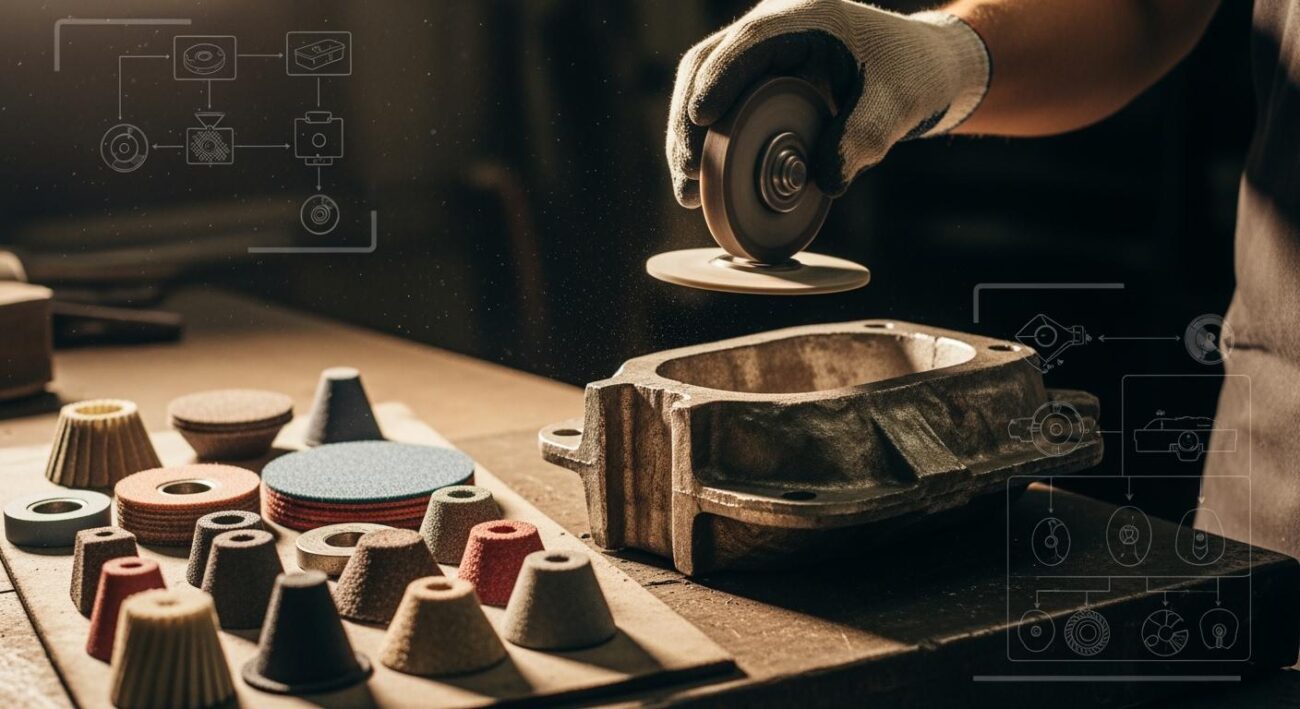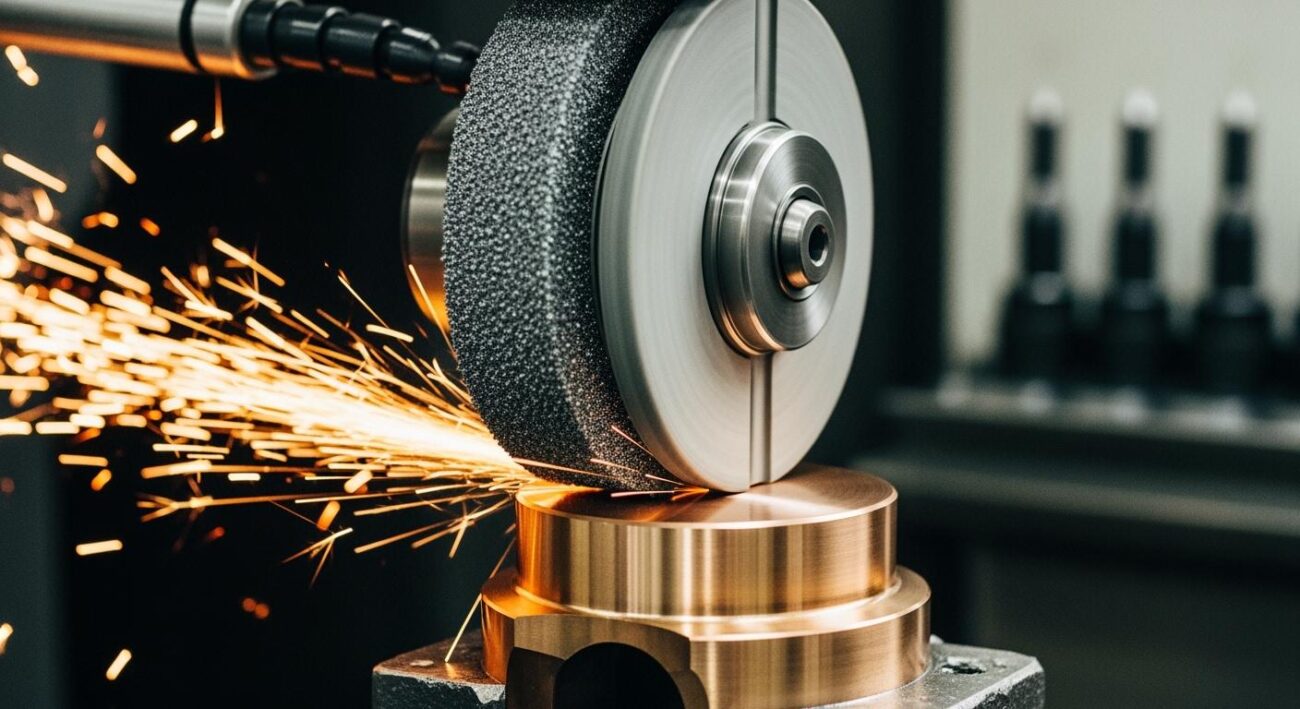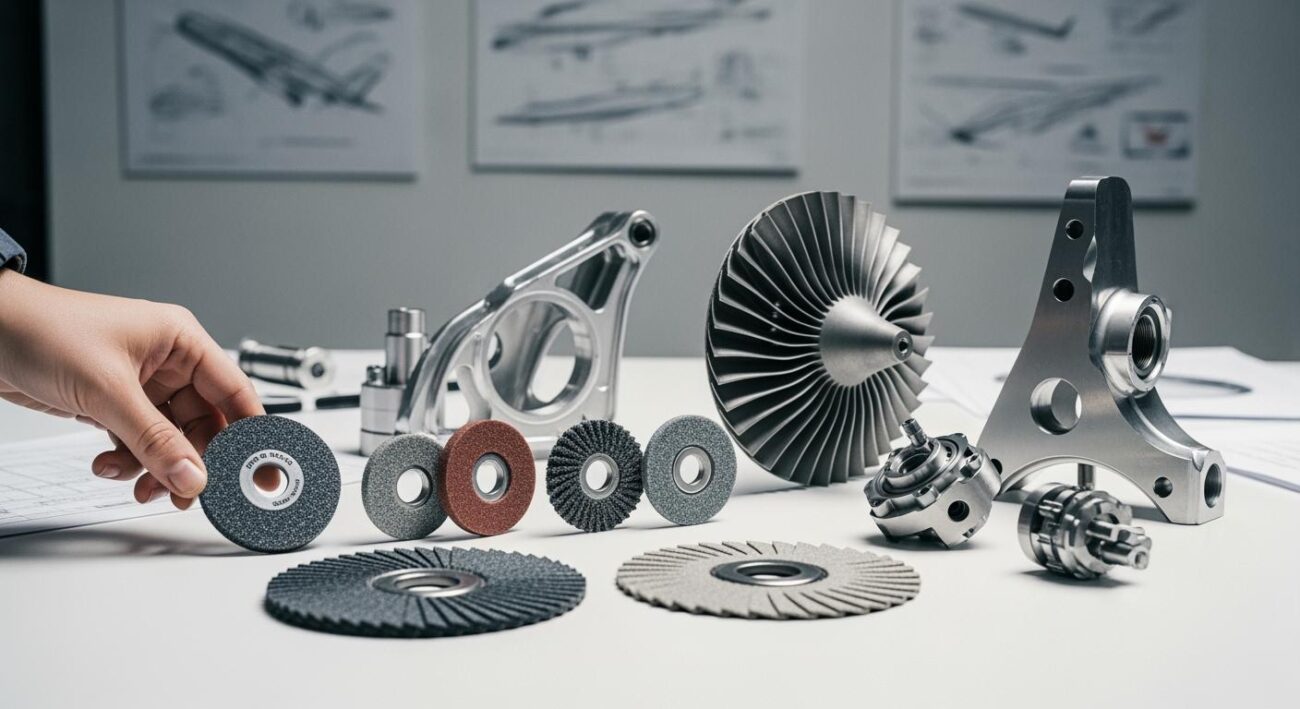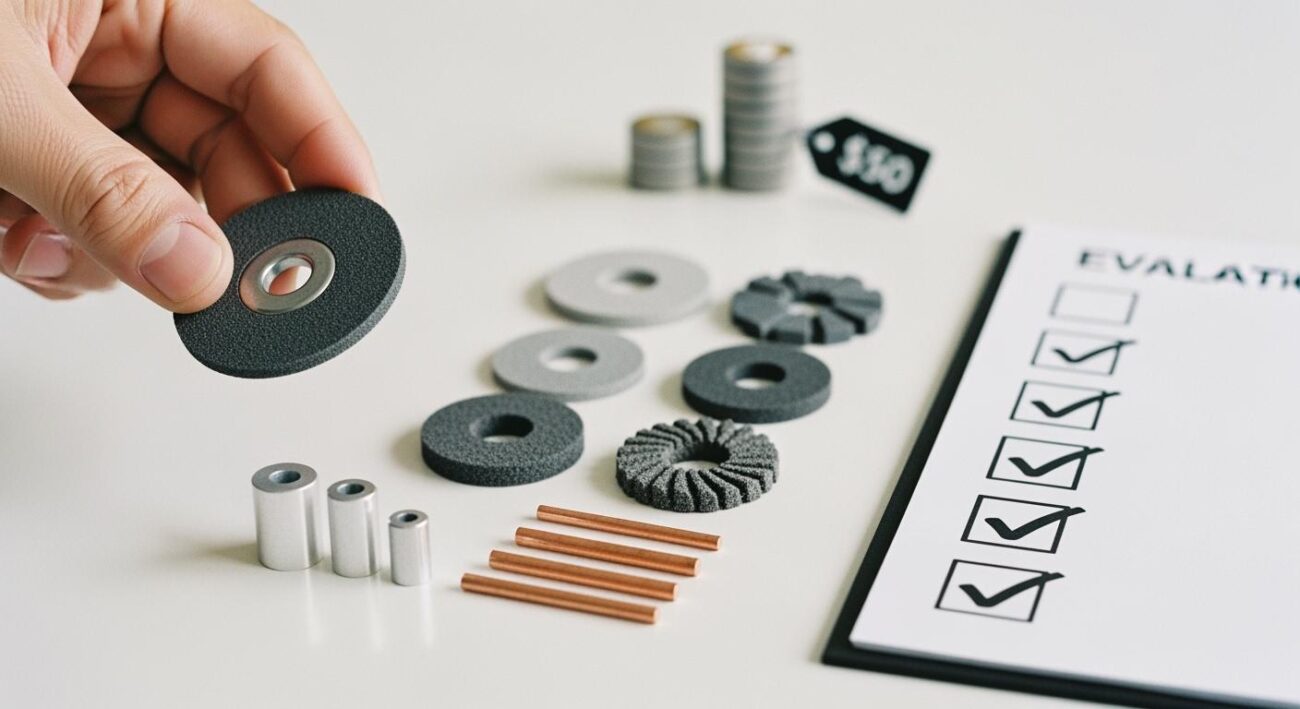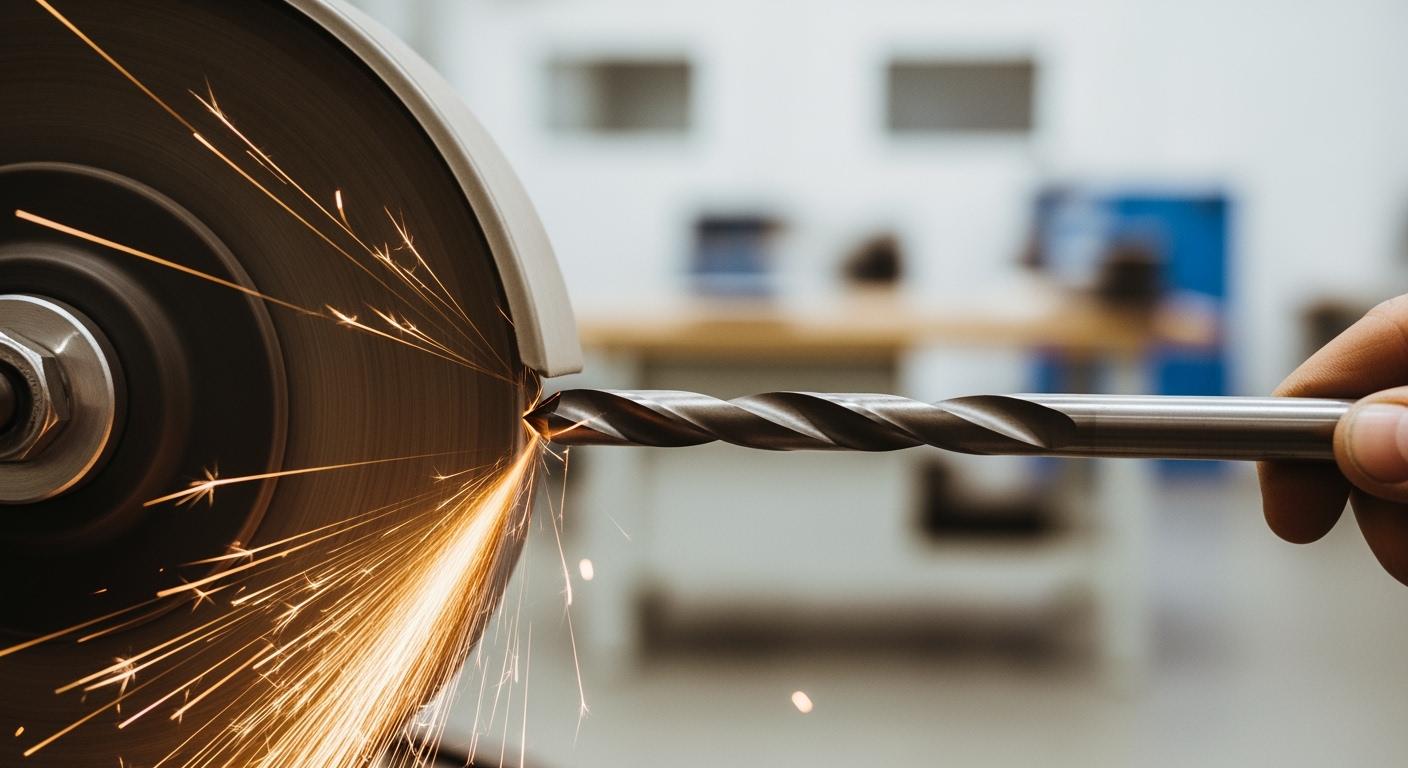
You want to extend grinding wheel life when grinding HSS tools. This goal is key to reducing costs and improving efficiency. Your success depends on a focused, three-part strategy. Mastering these pillars will help you achieve better performance and significant savings.
Your Three Pillars for Success:
- Correct Wheel Selection
- Optimized Grinding Operations
- Diligent Wheel Maintenance
Key Takeaways
- Choose the right grinding wheel. Use Cubic Boron Nitride (CBN) wheels for HSS tools. They are harder and handle heat better.
- Optimize your grinding process. Set correct speeds and feed rates. Use proper coolant flow. Balance the wheel correctly.
- Maintain your grinding wheel regularly. True and dress the wheel often. Inspect it for damage before use. Store wheels carefully in a dry place.
Select the Right Wheel for HSS
Choosing the right grinding wheel is your first and most critical step. The wheel’s composition directly impacts its lifespan and the quality of your HSS tools. Making the correct choice from the start prevents premature wear and poor performance.
Choose the Right Abrasive (e.g., CBN)
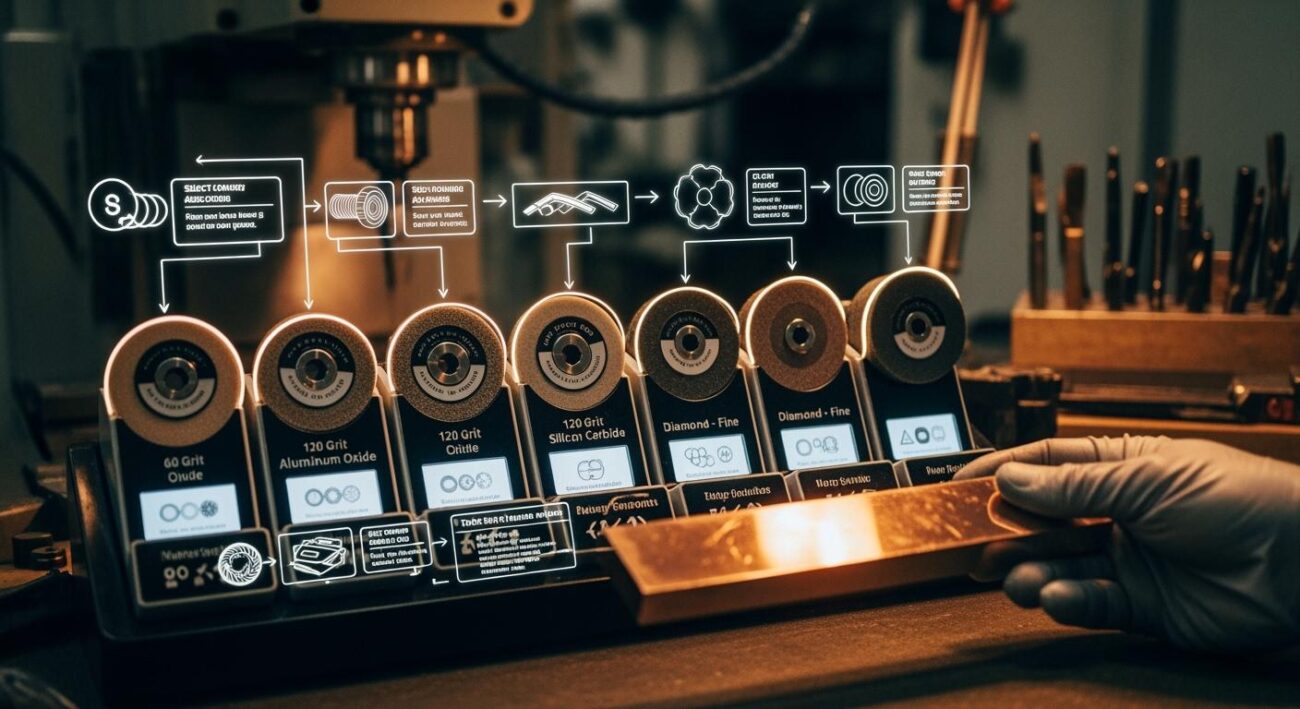
You have several abrasive options for grinding HSS. Conventional abrasives like aluminum oxide work, but they can dull quickly and generate excess heat. This leads to more frequent wheel changes and potential damage to your tools.
For superior results, you should use a superabrasive. Cubic Boron Nitride (CBN) is the ideal choice for grinding hard ferrous metals like HSS.
Why Choose CBN?
- Superior Hardness: CBN is twice as hard as aluminum oxide, holding its sharp cutting edge longer.
- Excellent Thermal Stability: It has 55 times the thermal conductivity of aluminum oxide. This pulls heat away from the workpiece, resulting in a cooler grinding action that prevents thermal damage.
These properties mean CBN wheels last significantly longer and produce consistently sharp tools. For a premium solution, explore Aimgrind’s CBN grinding wheels. As specialists in customized grinding solutions, Aimgrind can help you select the perfect CBN formula for your specific HSS application.
Match Grit Size and Bond Hardness
Next, you need to balance grit size and bond hardness.
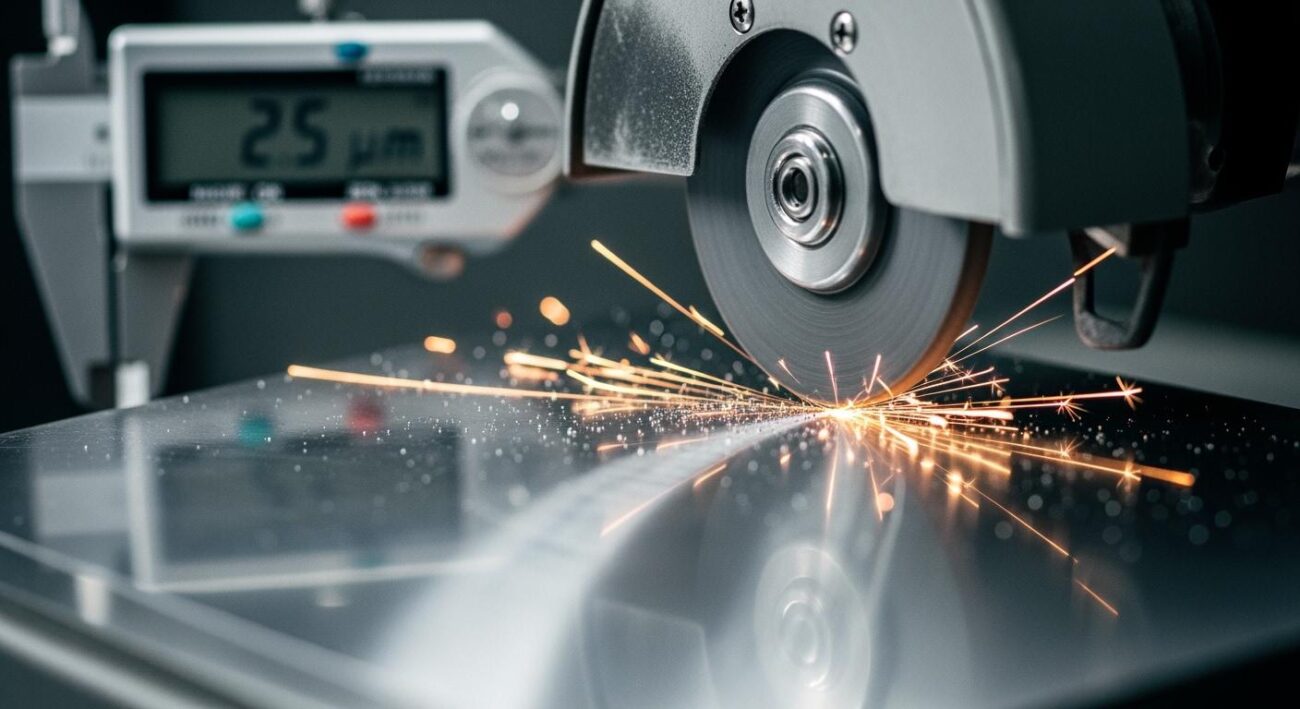
- Grit Size: This determines your material removal rate and surface finish. A coarser grit removes material quickly, while a finer grit creates a smoother surface. A fine finish can double the life of an HSS tool.
- Bond Hardness: The bond holds the abrasive grains. If the bond is too hard, dull grains won’t break away, causing glazing and heat. If it’s too soft, the wheel will wear down too fast. For hard materials like HSS, a slightly softer bond is often best because it allows new, sharp grains to become exposed as needed.
Align Wheel Specs with HSS Properties
Finally, you must align the wheel’s specifications with the properties of your HSS. Different grades of HSS, such as M2 or M42, have unique characteristics. A harder HSS grade requires a different wheel setup than a softer one.
A good general rule is to use a softer grade wheel for harder materials and a harder grade wheel for softer materials. This ensures the wheel wears at an optimal rate, maintaining its cutting ability without wearing out too quickly. Matching the wheel to the specific HSS grade is key to maximizing wheel life.
Optimize Operations to Extend Grinding Wheel Life
Once you select the right wheel, your next step is to refine your grinding process. How you operate the machine directly affects wheel longevity. Small adjustments to your technique can significantly extend grinding wheel life and improve your results.
Set Correct Speeds and Feed Rates
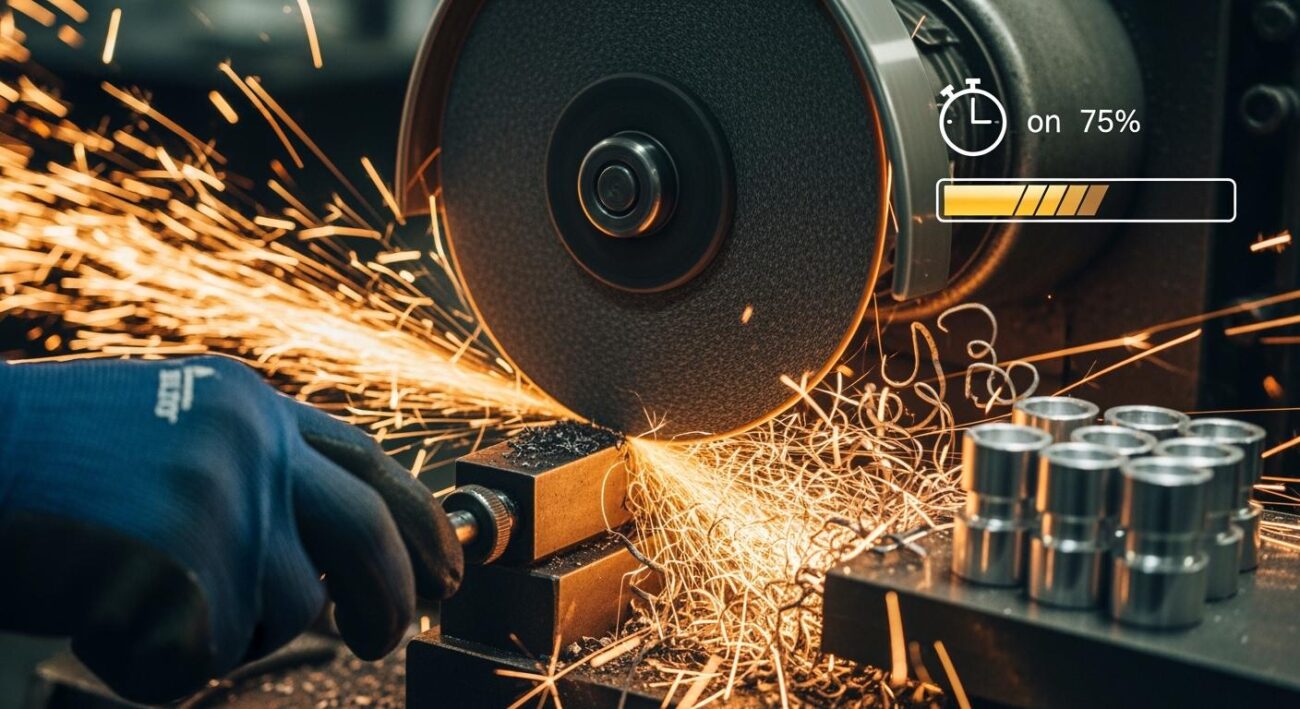
You must set the correct speeds and feed rates for your machine. Running a wheel too fast creates excessive centrifugal force, which can weaken the bond and even cause the wheel to break. A 20% increase in speed can raise this force by 44%. Similarly, an aggressive feed rate generates intense heat, which can burn your HSS tool and cause the wheel’s bond to soften and break down. Studies show that heat accounts for up to 75% of premature wheel failure. Following the recommended Surface Feet Per Minute (SFPM) guidelines is crucial.
⚠️ Warning: The Dangers of Incorrect Settings
- Excessive Speed: Increases centrifugal force, leading to bond breakdown and uneven wear.
- Aggressive Feed Rate: Generates extreme heat, causing thermal damage to the tool and wheel.
- High Pressure: Accelerates grain fracture and shortens wheel lifespan.
Apply Proper and Consistent Coolant
You need to use coolant correctly to manage heat. For HSS, synthetic coolants are an excellent choice because they provide superior cooling. However, the application method is just as important as the coolant type. You must ensure a generous flow of coolant is aimed directly at the point of contact between the wheel and the tool. This helps overcome the air barrier created by the spinning wheel, allowing the fluid to cool and lubricate effectively. Regularly check your nozzles for blockages to maintain a consistent flow. Proper coolant use is a simple way to extend grinding wheel life.
Ensure Proper Wheel Balancing
You should never overlook wheel balancing. An imbalanced wheel causes problems that shorten its lifespan and ruin your work. Look for these signs of imbalance:
Always balance a new wheel before mounting it. You can do this using a dedicated wheel balancer. Following the manufacturer’s instructions for mounting, such as using the correct blotters and tightening bolts in the proper sequence, ensures the wheel runs true. A balanced wheel grinds smoothly, which helps extend grinding wheel life and produces a higher quality finish.
Implement Proper Wheel Maintenance
Your work does not end after optimizing your machine settings. You must commit to a regular maintenance schedule. Proper care protects your investment and ensures your grinding wheel performs safely and effectively for its entire lifespan.
Regularly True and Dress the Wheel
You need to true and dress your wheel to maintain its cutting ability. These two actions are different but equally important.
- Truing: This process reshapes the wheel to restore its original, concentric form.
- Dressing: This action removes dull, loaded material to expose fresh, sharp abrasive grains.
A well-maintained wheel requires less frequent attention. For example, a high-performance CBN wheel is far more durable than a conventional one. You can see the difference in how often they need dressing.
| Grinding Wheel Type | Typical Dressing Frequency |
|---|---|
| Corundum | Every 10 pieces |
| CBN | Every 300+ pieces |
This durability makes CBN wheels a cost-effective choice for high-volume HSS grinding.
Follow Correct Wheel Inspection
You should inspect your wheels before every use. A quick visual check can prevent accidents and poor results. Look for key indicators that your wheel needs attention.
- Visible damage like cracks, chips, or grooves.
- Reduced grinding efficiency or a rough surface finish.
- Increased vibration or unusual noise during operation.
For vitrified wheels, you can perform a “ring test” to find hidden cracks. Suspend the wheel and gently tap it with a wooden or plastic handle. A clear, metallic ring means the wheel is sound. A dull thud indicates a crack, and you must discard the wheel immediately.
Store and Handle Wheels Carefully
Finally, you must store your grinding wheels correctly. Improper storage can ruin a wheel before you even use it. High humidity is especially damaging to resin-bonded wheels, as moisture weakens the bond and can cause warping. Extreme temperature changes also cause stress, leading to cracks.
You should store your wheels in a dry, climate-controlled area. Place them on a flat surface or in their original packaging to prevent damage. Proper handling and storage are simple steps that protect the wheel’s integrity and extend its life.
You can extend grinding wheel life by following three key strategies. You must select the right wheel, like a high-performance CBN wheel, optimize your operational parameters, and commit to regular maintenance. Implementing these practices directly helps you extend grinding wheel life, leading to substantial cost savings by reducing scrap and rework. You also achieve superior HSS tool quality. Partner with the experts at Aimgrind to find your perfect grinding solution. Grind with Passion, Achieve with Aim.
FAQ
Why is my grinding wheel wearing out so fast?
You might have the wrong wheel for your HSS material. Incorrect speeds or aggressive feed rates also cause rapid wear. Poor maintenance, like skipping dressing, shortens wheel life and leads to poor performance.
Is a CBN wheel really better for HSS?
Yes. You will find CBN wheels are much harder and handle heat better. They grind cooler and stay sharp far longer than standard wheels. This gives you a significantly longer wheel life when grinding HSS tools.
What is the difference between truing and dressing?
You true a wheel to restore its perfectly round shape. You dress a wheel to clean its surface and expose sharp, new abrasive grains.
- Truing = Fixes the shape.
- Dressing = Restores the cut.
How does coolant help my grinding wheel last longer?
You use coolant to remove intense heat from the grinding zone. This action protects the wheel’s bond from heat damage and prevents your HSS tool from burning. A cooler wheel simply lasts longer and performs better.