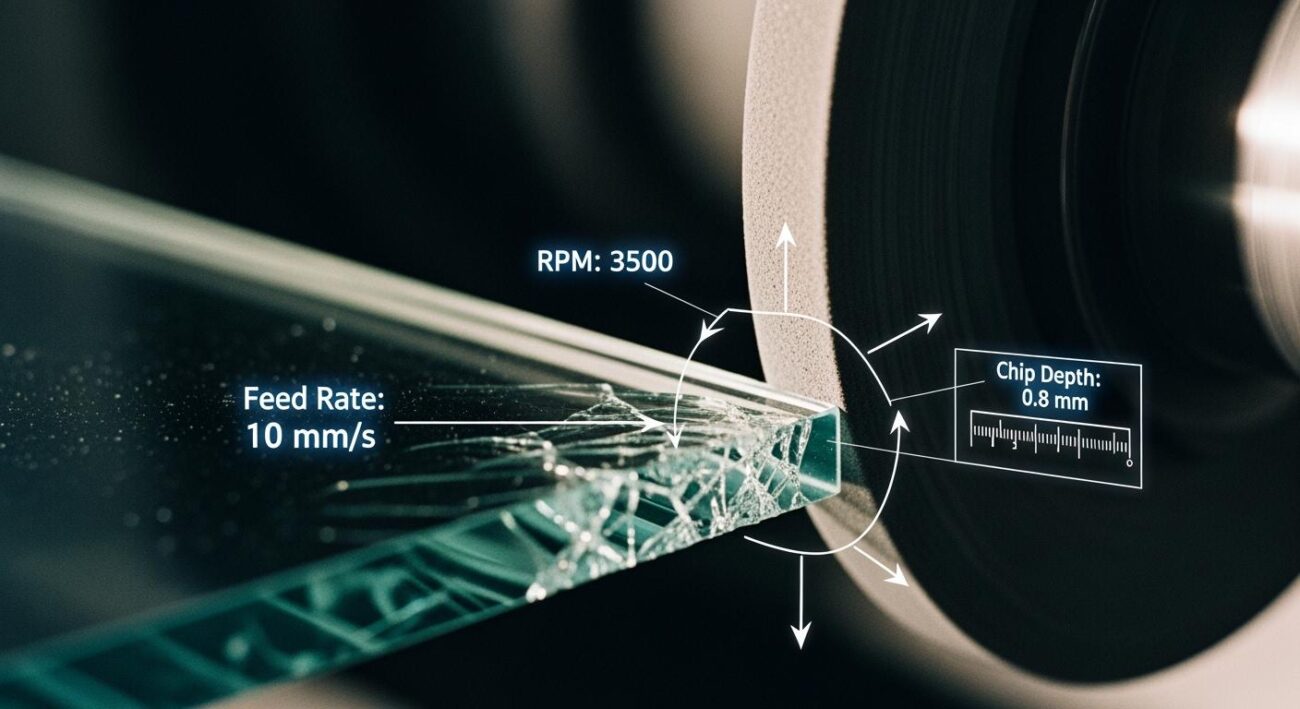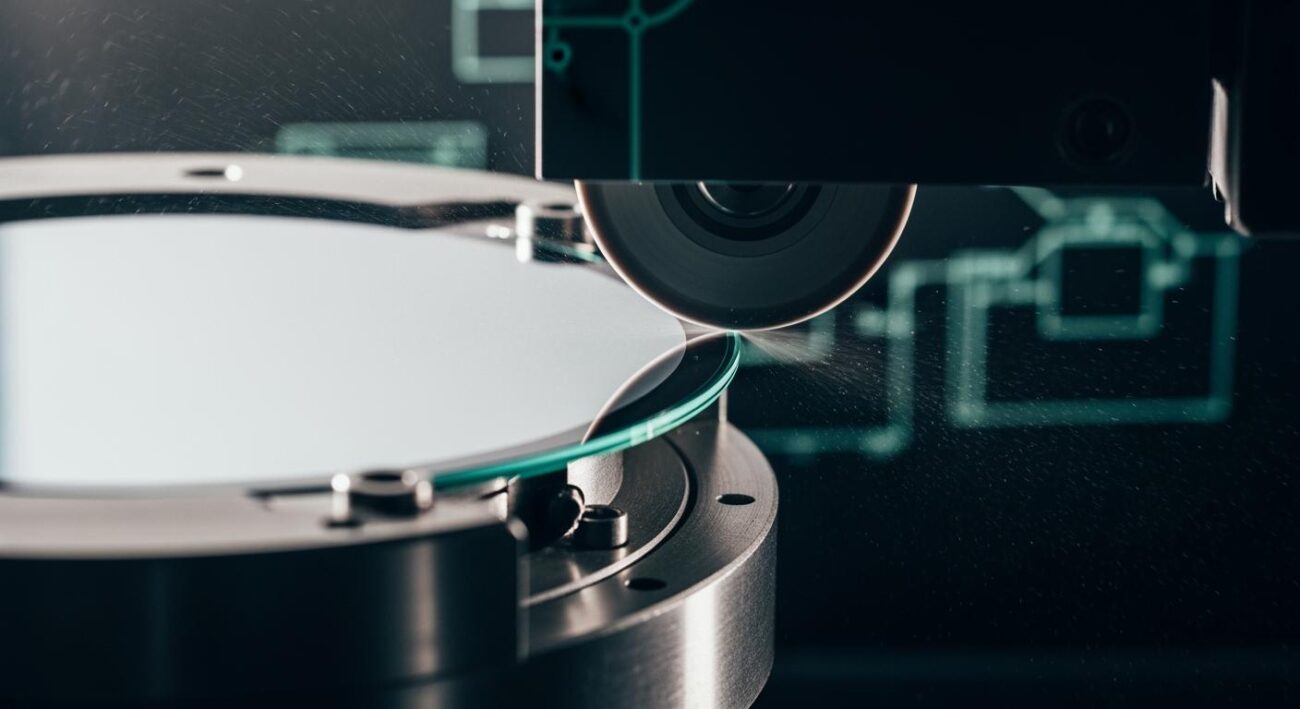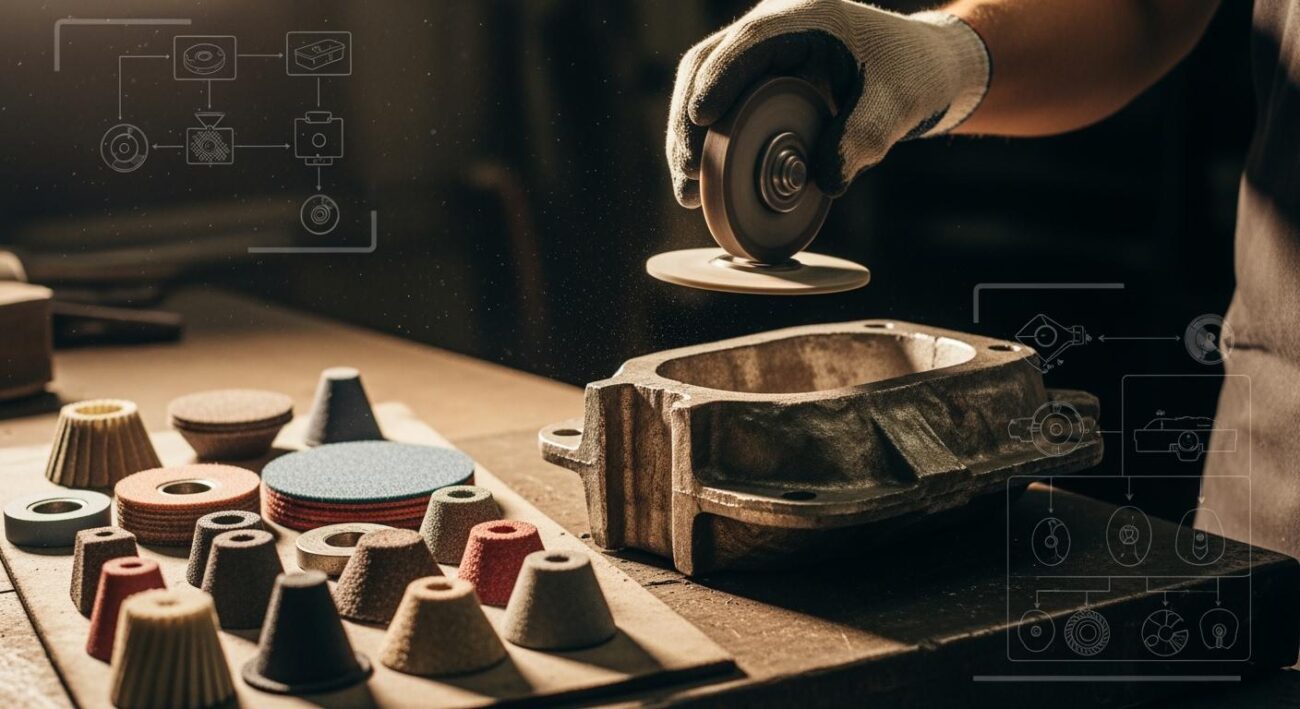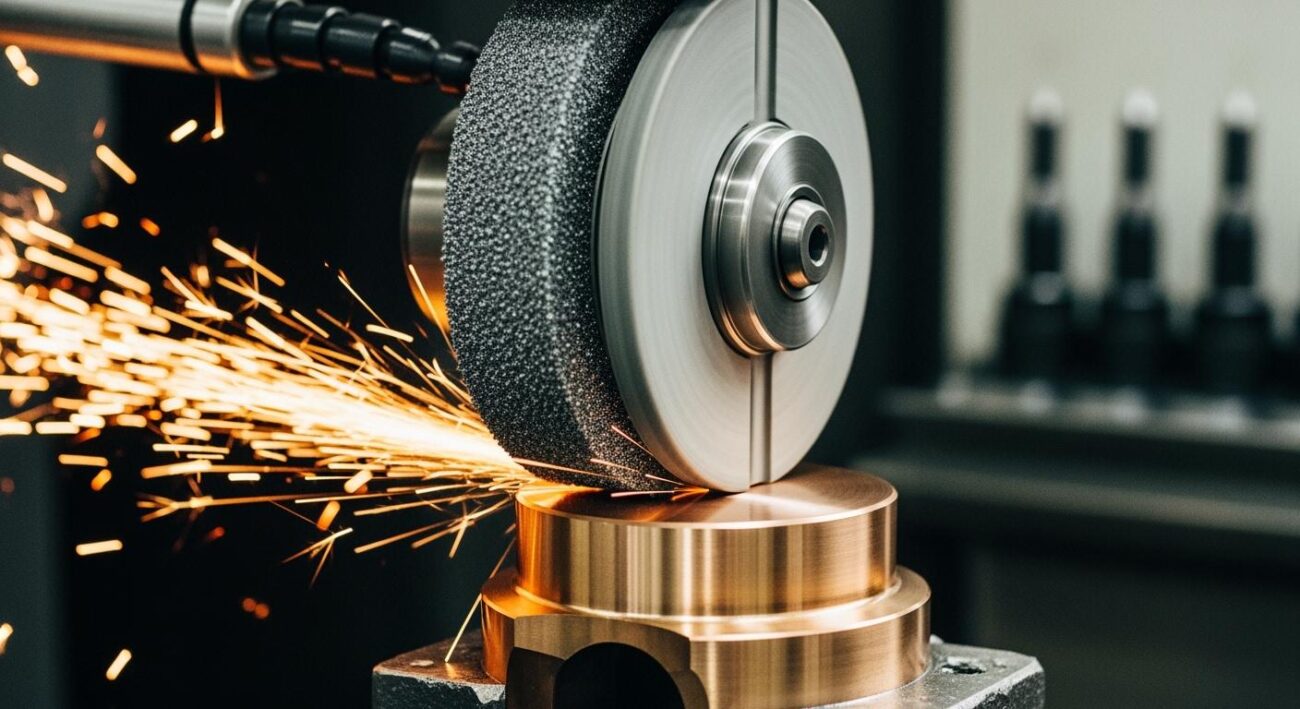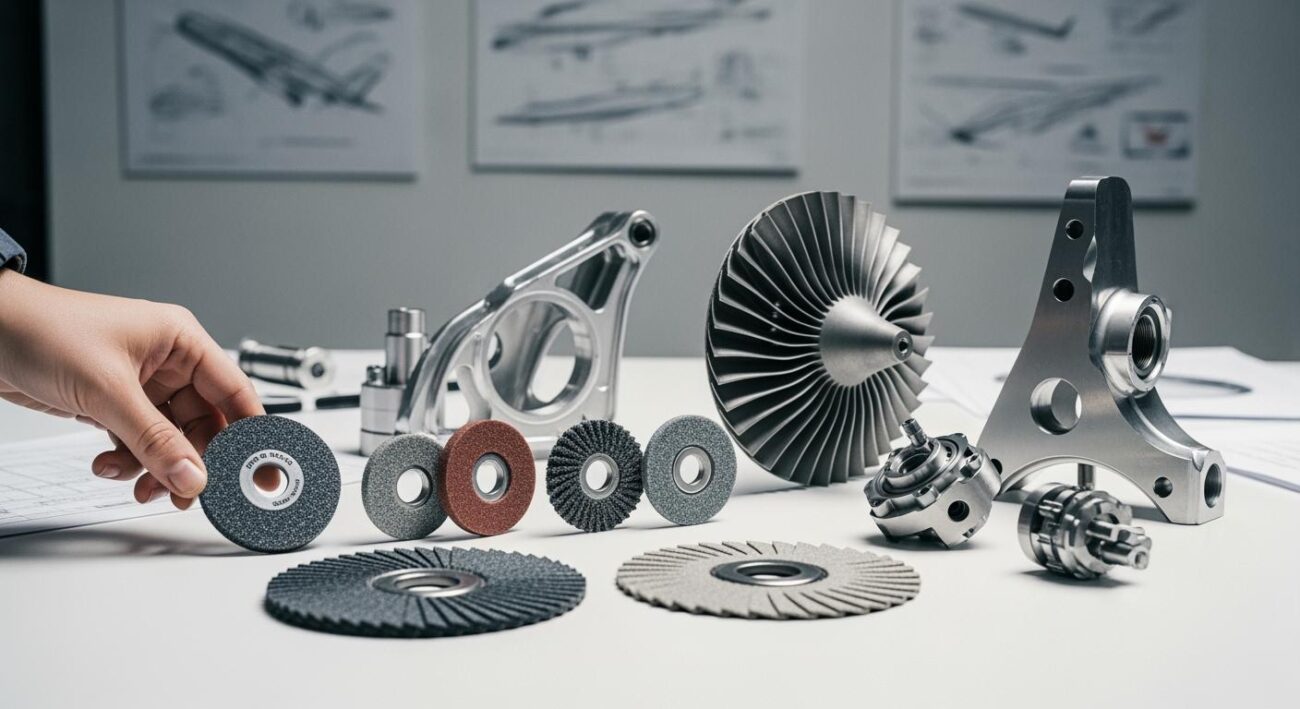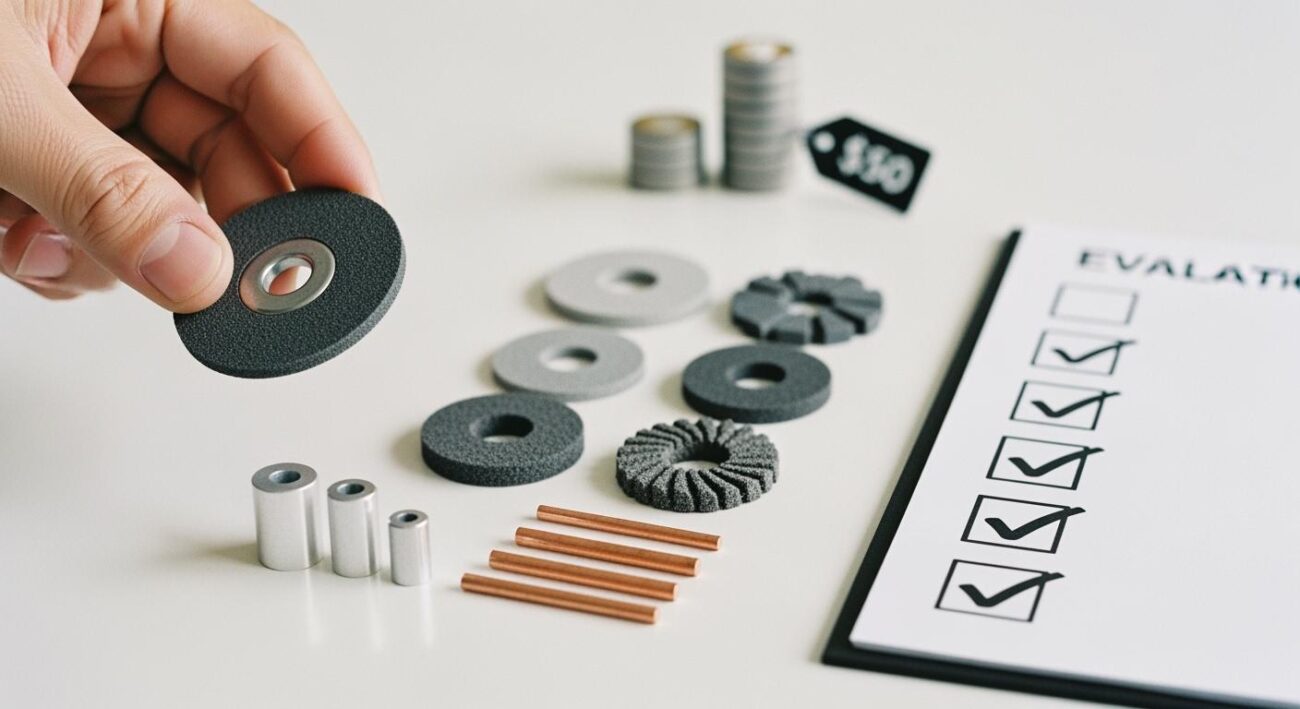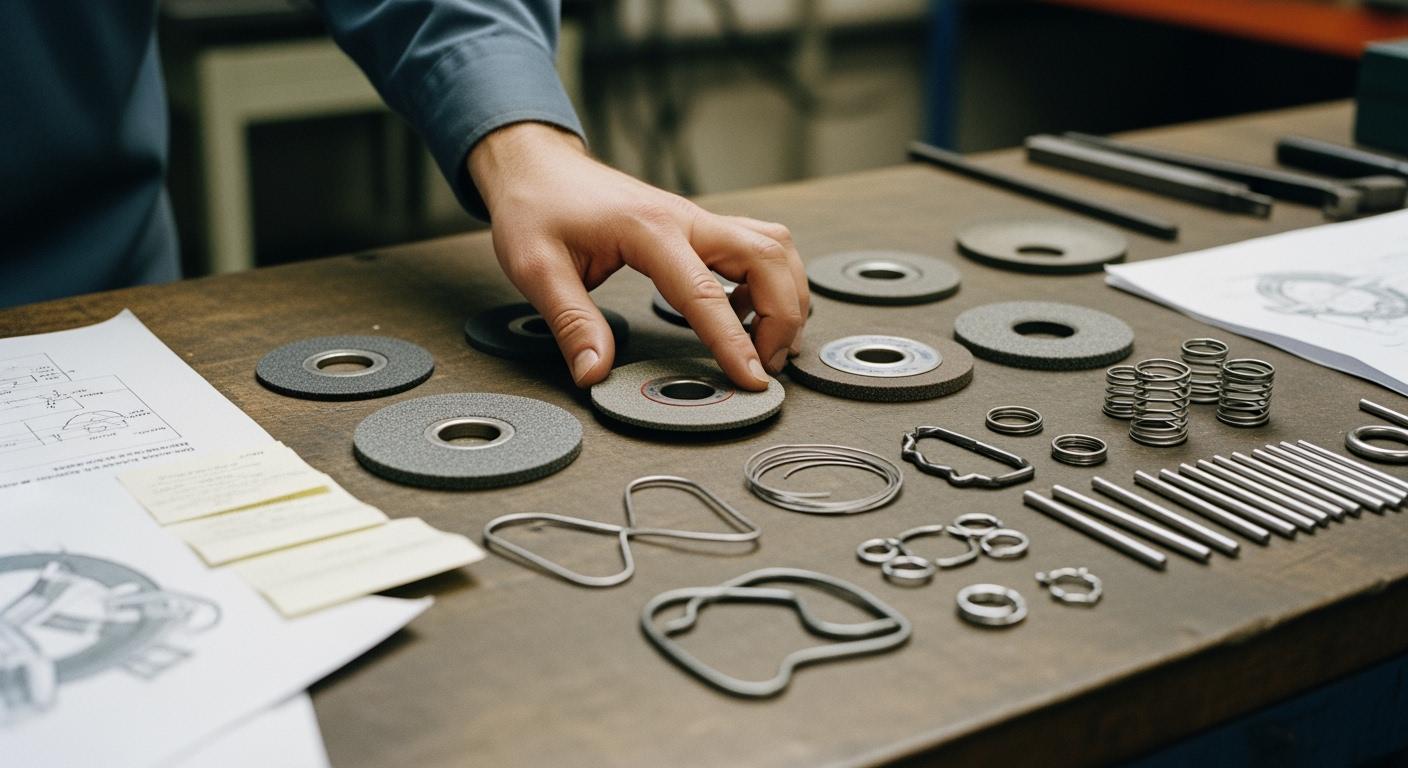
You need to choose the right grinding wheels when working with shape memory alloys. These materials bring special challenges to the grinding process. You face higher toughness, severe strain hardening, and fatigue hardening. High temperatures can cause tool wear and change cutting force. Phase transformation makes grinding more complex. If you select the proper grinding tools, you get better results and protect your equipment.
Key Takeaways
- Select diamond grinding wheels for shape memory alloys. They provide the best cutting performance and reduce tool wear.
- Choose the right bond type based on your needs. Resin bonds are great for fast grinding, while metal bonds offer durability.
- Match grit size to your project. Use fine grit for smooth finishes and coarse grit for quick material removal.
- Monitor grinding speed and use coolant to reduce heat. This helps prevent damage to both the material and the grinding wheel.
- Regularly inspect and maintain your grinding equipment. Replace wheels showing signs of wear to ensure consistent performance.
Choose the Right Grinding Wheels for Shape Memory Alloys
Key Selection Criteria
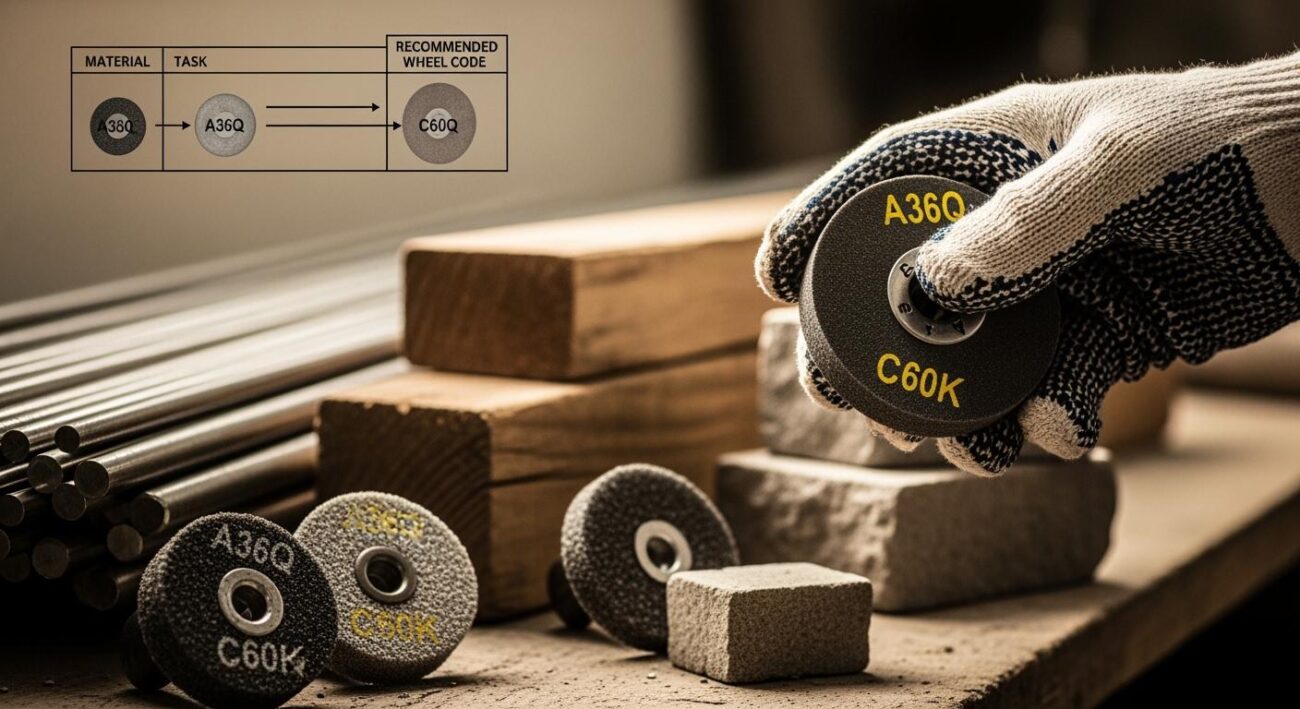
You need to choose the right grinding wheels when you work with shape memory alloys. These alloys have unique properties. They are tough and resist wear. They can change shape when heated. You must select wheels that handle these challenges.
Here are the main criteria you should consider:
Abrasive Material
Diamond is the best abrasive for shape memory alloys. It cuts hard metals and keeps its sharpness. You get a smooth finish and less tool wear.Bond Type
You can pick resin, metal, or vitrified bonds. Resin bonds work well for fast grinding. Metal bonds last longer and keep their shape. Vitrified bonds help with precision and cool grinding.Grit Size
Fine grit gives you a smooth surface. Coarse grit removes material faster. You should match the grit size to your project needs.Wheel Structure
Open structure wheels reduce heat. Closed structure wheels give you more control. You need to balance heat and precision.
Tip: You should always check the wheel specs before you start grinding. This helps you avoid mistakes and keeps your equipment safe.
Aimgrind offers diamond grinding wheels that meet these criteria. You can find wheels with different bonds and grit sizes. Aimgrind helps you choose the right grinding wheels for your equipment and process.
Application-Specific Considerations
You must think about your application before you choose the right grinding wheels. Shape memory alloys appear in many industries. You see them in aerospace, medical devices, and electronics. Each application needs a special approach.
Aerospace Parts
You need high precision and smooth surfaces. Diamond grinding wheels from Aimgrind give you the best results.Medical Devices
You must avoid contamination. You should use wheels with clean bonds and fine grit.Tool Manufacturing
You want fast material removal. You can pick resin bond wheels for quick grinding.
| Application | Recommended Wheel Type | Key Feature |
|---|---|---|
| Aerospace | Diamond, Metal Bond | Precision, Durability |
| Medical Devices | Diamond, Resin Bond | Clean Finish, Fine Grit |
| Tool Manufacturing | Diamond, Resin Bond | Fast Removal, Efficiency |
You can contact Aimgrind for custom solutions. Aimgrind experts help you choose the right grinding wheels for your project. You get advice on wheel specs, bond types, and grit sizes. You also get support for sample optimization.
Note: You should always test a sample wheel before full production. This helps you check performance and avoid costly errors.
You improve your grinding process when you choose the right grinding wheels. You protect your tools and get better results. Aimgrind gives you the support and products you need for shape memory alloys.
Grinder Wheels and Shape Memory Alloy Challenges
Material Properties
Shape memory alloys have unique material properties that affect your grinding process. You must understand these properties to select the right grinder wheels and achieve the best results. These alloys change shape when heated and show high toughness. Their hardness increases after heat treatment, which makes grinding more difficult.
Here is a table that shows how different properties impact grinding performance:
| Property | Impact on Grinding Performance |
|---|---|
| Heat treatment at 400°C | Enhances hardness and wear resistance significantly. |
| Specific wear rates | Decrease with heat treatment, especially at higher temperatures due to precipitate formation. |
| Aluminum composition | NiTiAl with 6% and 9% aluminum shows lower wear compared to 3% aluminum. |
| Pseudo elasticity | Correlates with superior wear resistance under stress conditions. |
You see that heat treatment improves hardness and reduces wear. Aluminum content also affects wear rates. Pseudo elasticity helps the alloy resist stress during grinding. You must consider these factors when you choose grinder wheels for shape memory alloys.
Common Grinding Issues
You face several challenges when grinding shape memory alloys. These materials often cause problems that make your work harder. You need to know these issues to avoid mistakes and protect your tools.
The most frequent grinding issues encountered with nickel-titanium (NiTi) alloys include burr formation, difficulties in chip breaking, and rapid tool wear. These challenges stem from the materials’ high ductility, temperature sensitivity, and strong work hardening characteristics during machining processes.
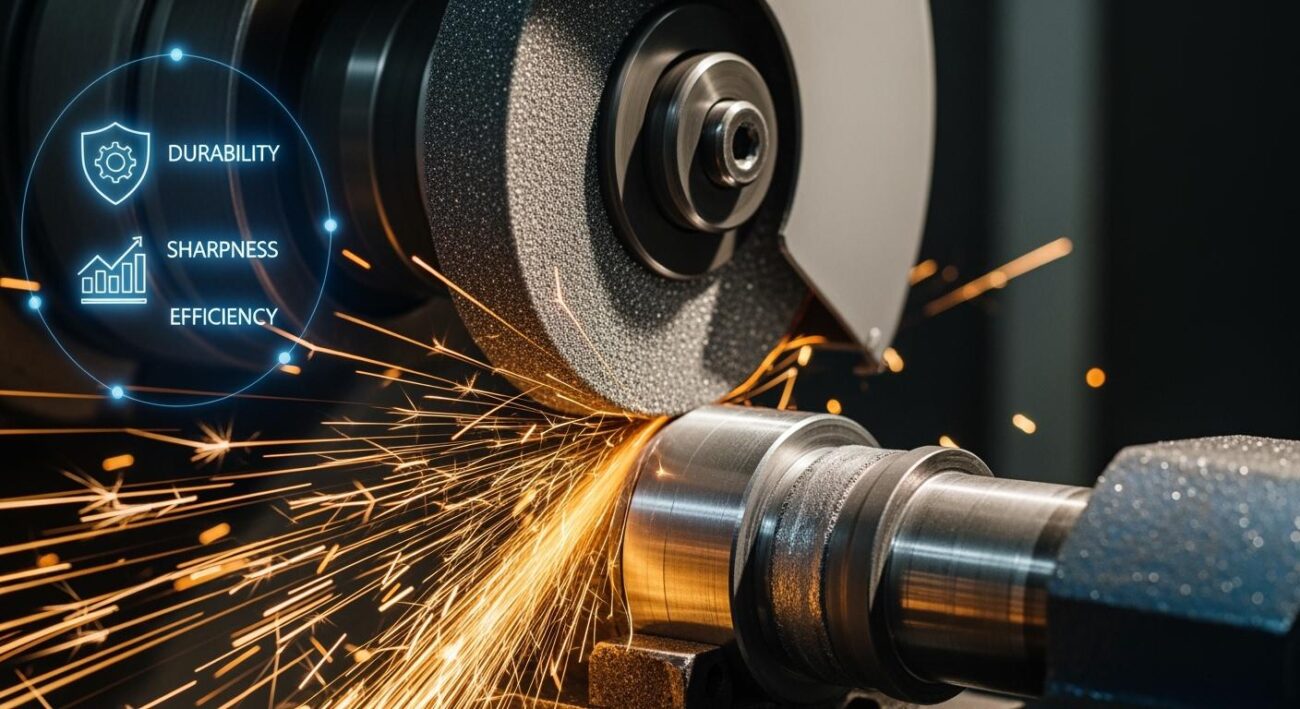
You see burrs form easily. Chips do not break as expected. Tools wear out quickly. High ductility and temperature sensitivity make grinding tricky. Work hardening increases tool wear and makes the surface rough. You must use grinder wheels designed for these challenges. You can improve grinding results by choosing wheels with the right abrasive and bond type.
You should monitor grinding conditions closely. Adjust speed and coolant to reduce heat. Use grinder wheels that match the hardness and elasticity of the alloy. Aimgrind offers solutions that help you overcome these issues and achieve smooth, precise grinding.
Best Grinding Wheel Types and Features
Aimgrind Diamond Grinding Wheels
You want the best grinding wheel for shape memory alloys. Aimgrind diamond grinding wheels give you high performance and long life. These wheels use diamond abrasives that cut hard metals and alloys with ease. You get a smooth finish and less tool wear. Aimgrind designs abrasive wheels for tough jobs in aerospace, medical, and tool manufacturing.
Aimgrind diamond grinding wheels come in many shapes and sizes. You can choose resin, metal, or vitrified bonds. Resin bond wheels work well for fast grinding. Metal bond wheels last longer and keep their shape. Vitrified bond wheels help you achieve precision and cool grinding. You can ask Aimgrind for custom wheels that fit your machine and process.
Tip: You can test sample wheels from Aimgrind before full production. This helps you check performance and avoid mistakes.
Abrasive Materials and Bonds
You need to know how abrasive materials and bond types affect grinding results. Diamond is the top choice for shape memory alloys. It cuts hard metals and keeps its sharpness. Aluminum oxide wheels work for softer metals but do not match diamond for tough alloys.
Aimgrind offers abrasive wheels with different bonds. You can pick resin, metal, or ceramic bonds. Ceramic bonded wheels work well for titanium alloys. They show strong capacity, good thermal stability, and low wear. Metal bonds improve grinding efficiency and surface quality. Porosity in metal bonds boosts performance. Grain distribution in the bond matrix matters. Even grain spread gives you strong wheels and better grinding.
Here is a table that shows how bond materials and structure affect grinding performance:
| Bonding Material | Description |
|---|---|
| Metal Bond | Improves grinding efficiency and surface quality. |
| Porosity | Enhances performance, especially for metal bonded abrasive wheels. |
| Grain Distribution | Even spread increases strength and effectiveness. |
- Octahedron structures with the same porosity give you the highest strength and permeability.
- Diamond grains mixed with AlSi10Mg alloy powder increase holding strength when you use optimal process parameters.
- Uneven grain distribution creates weak points and lowers performance.
You can choose the best grinding wheel by matching abrasive material and bond type to your project. Aimgrind helps you select the right wheels for shape memory alloys.
Grit Size and Structure
You must select the right grit size and wheel structure for your grinding job. Fine grit gives you a smooth surface. Coarse grit removes material faster. You need to match grit size to your needs.
Wheel structure affects heat generation and debris removal. Micro-structured diamond wheels show good grinding performance and remove debris well. Ordered micro-structure array wheels improve debris flow and reduce clogging. Structured diamond wheels reduce grinding force and heat. You get better results and protect your tools.
Here is a table that shows how wheel structure affects grinding:
| Study | Findings |
|---|---|
| Butler-Smith et al. (2009) | Micro-structured CVD diamond wheel reduces heat and removes debris well. |
| Butler-Smith et al. (2012) | Ordered micro-structure array wheel improves debris flow and reduces clogging. |
| Li et al. (2022) | Structured diamond wheel lowers grinding force to about 85%. |
| Guo et al. (2014) | Structured CVD diamond tools reduce grinding force and improve plugging. |
You can ask Aimgrind for wheels with custom grit size and structure. Aimgrind experts help you choose the best grinding wheel for your shape memory alloy project.
Note: You should always check wheel specs and test samples before full production. This helps you get the best results and avoid costly errors.
Process Tips and Practical Advice
Grinding Speed and Coolant
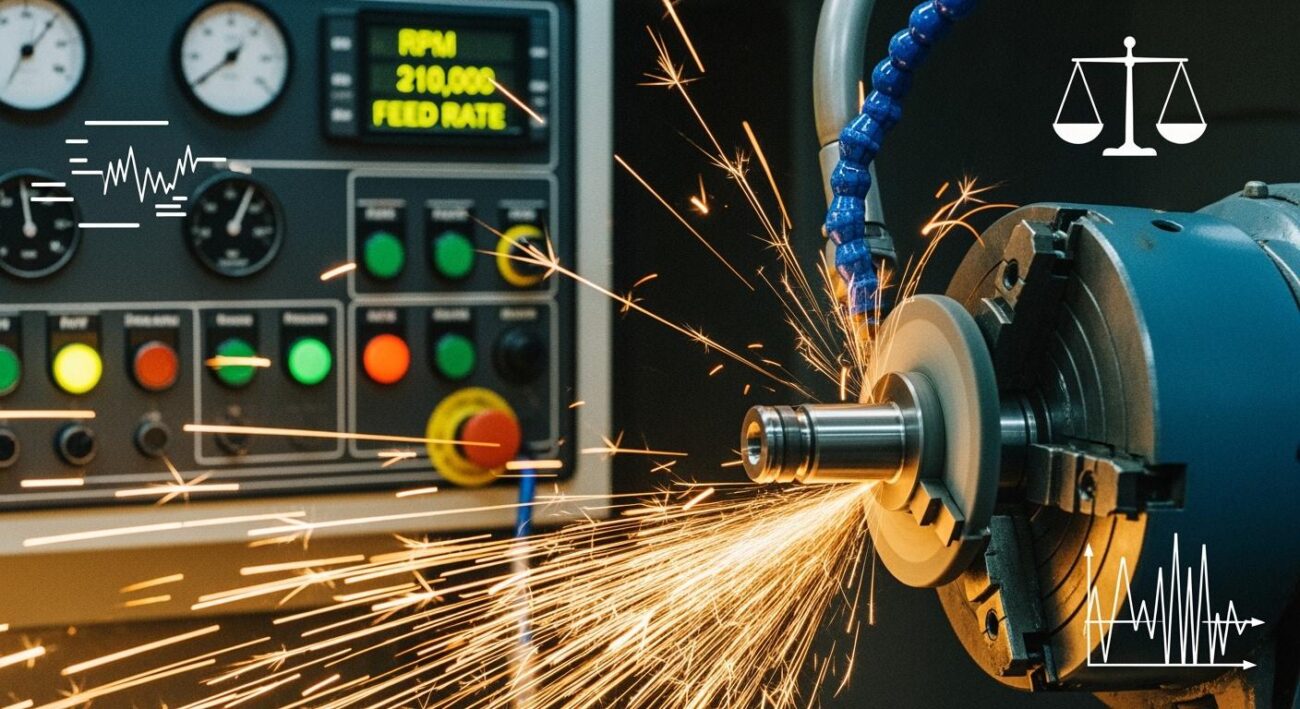
You need to control grinding speed when you work with shape memory alloys. High speed increases heat and can cause phase changes in the material. You should start with a moderate speed and adjust as needed. Use a grinder that matches the wheel size and material hardness. Coolant helps reduce heat and keeps the grinding area clean. Water-based coolants work well for most grinding applications. You can use a steady flow to prevent overheating. Always check the coolant level before you begin grinding.
Tip: Keep the grinding area wet to lower the risk of brittle fracture and improve grinding performance.
Maintenance and Safety
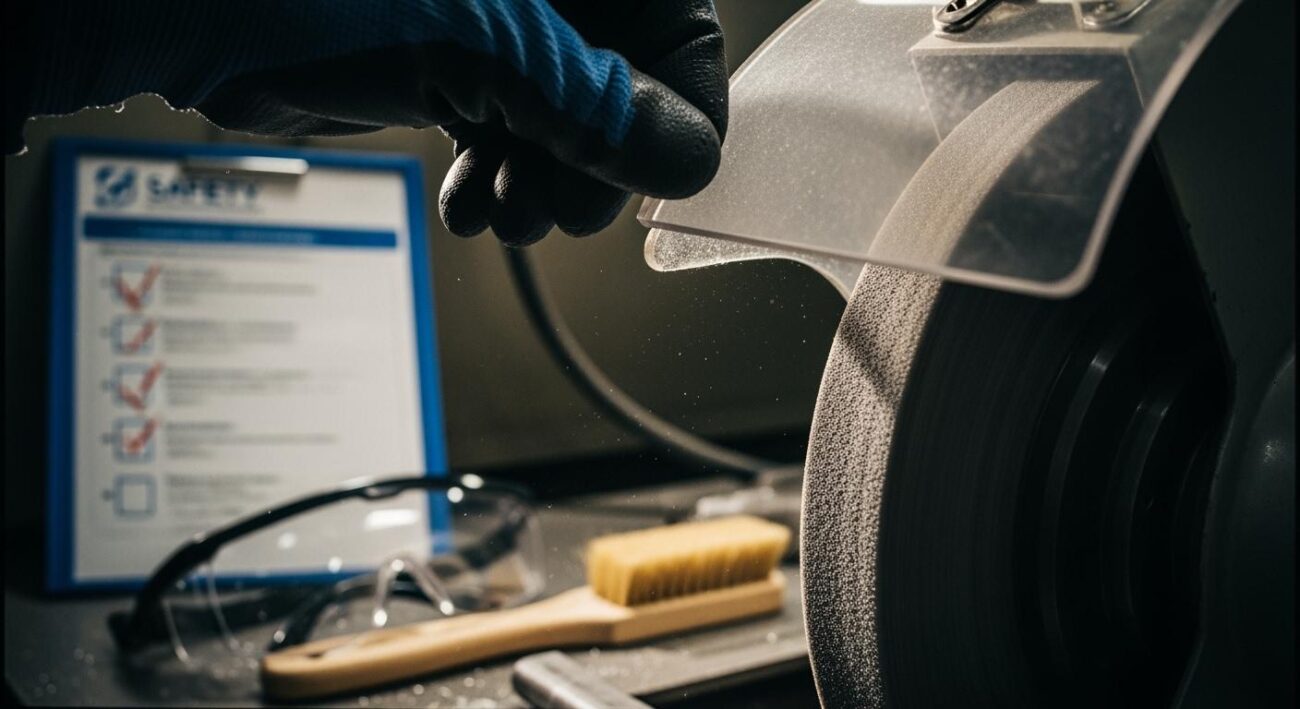
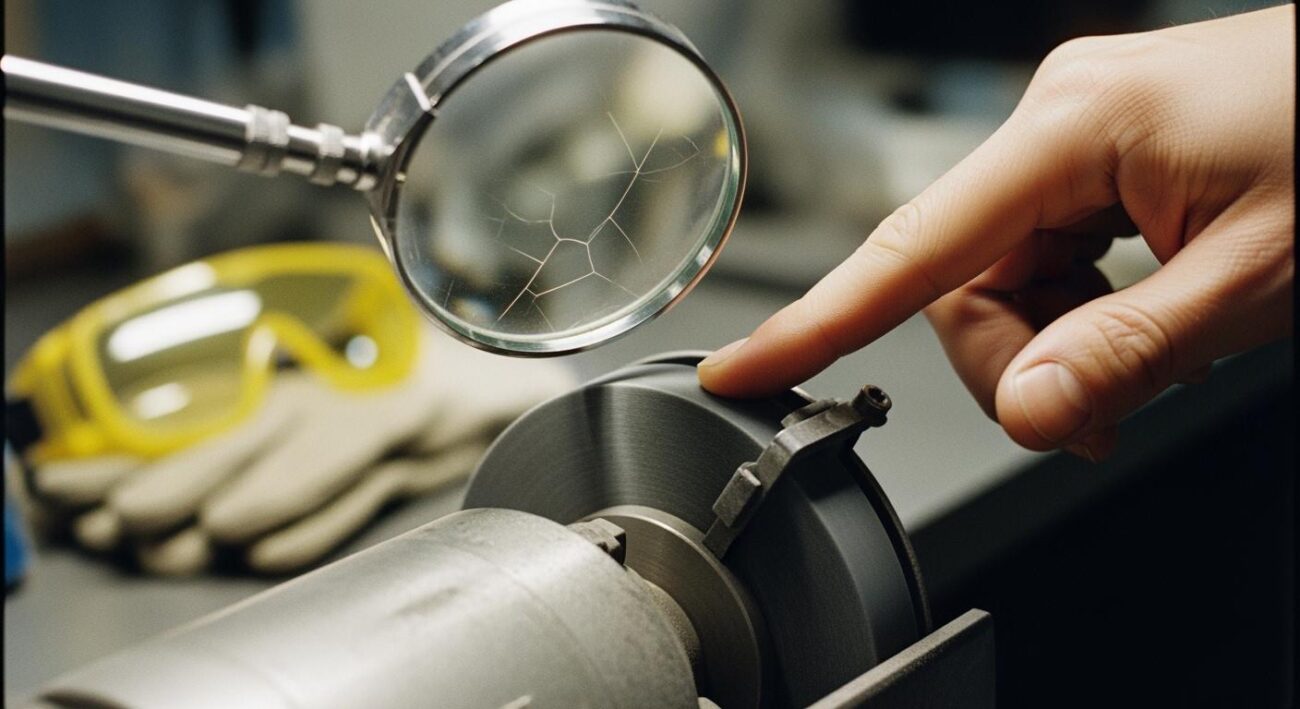
You must keep your grinder in good condition. Clean the grinder after each use. Check the grinding wheel for cracks or chips. Replace damaged wheels right away. Wear safety goggles and gloves during grinding. Make sure the grinder guard is in place. You should never touch the grinding wheel while it spins. Keep the work area free of clutter. Store grinding wheels in a dry place. Regular maintenance helps you avoid accidents and keeps your grinding tools working well.
- Inspect grinder parts weekly.
- Tighten loose bolts and screws.
- Lubricate moving parts as needed.
When to Change Wheels
You need to know when to change your grinding wheels. Shape memory alloys cause more wear than stainless steel. You see larger grinding force and wire deflection. Surface roughness stays lower, but breakage risk increases. The table below shows the difference:
| Material | Grinding Force | Wire Deflection | Surface Roughness | Breakage Risk |
|---|---|---|---|---|
| NiTi | Larger | Larger | Lower | High stress-induced phase transformation and brittle fracture |
| Stainless Steel | Lower | Smaller | Higher | Lower risk of breakage |
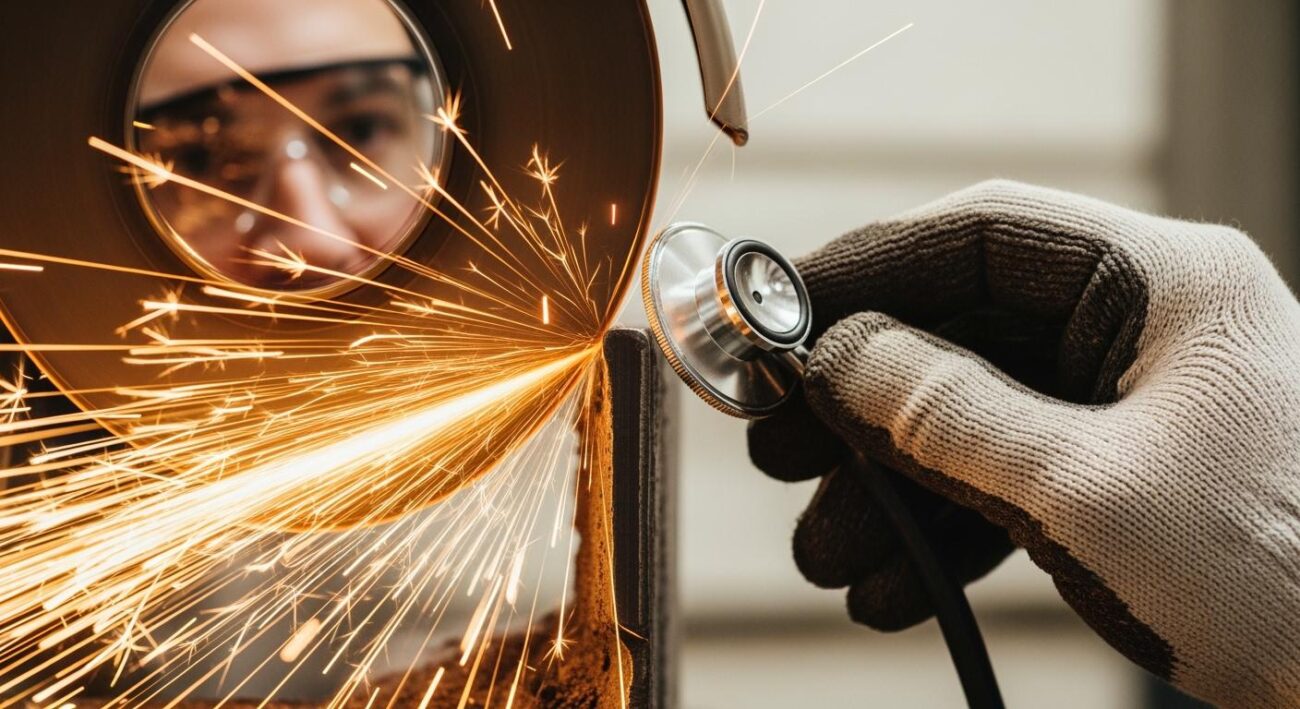
Change the grinding wheel if you notice slower material removal, more sparks, or uneven grinding. You should also replace the wheel if you see cracks or if the grinder vibrates. Aimgrind wheels last longer, but you must monitor grinding performance to keep your results consistent.
Note: Keep a log of wheel changes and grinder maintenance. This helps you track grinding performance and plan for new wheels.
You need to select the right grinding wheels for shape memory alloys. Aimgrind diamond grinding wheels help you achieve precise results and reduce tool wear. You improve grinding efficiency by matching wheel type, bond, and grit size to your project. You keep your grinding process safe and productive with proper maintenance. You can follow this checklist:
- Check abrasive material and bond type.
- Match grit size to your grinding needs.
- Test sample wheels before full production.
- Monitor grinding speed and coolant.
- Replace wheels when you see signs of wear.
FAQ
What makes shape memory alloys hard to grind?
You face challenges because shape memory alloys have high toughness and work harden quickly. These properties make grinding more difficult. You need the right wheels to get good results and avoid tool damage.
Can you use regular grinding wheels on shape memory alloys?
You should not use regular wheels. Shape memory alloys require special grinding wheels, like diamond wheels. These wheels give you better performance and longer life.
How do you choose the right grit size for grinding?
You pick fine grit for smooth surfaces. You use coarse grit for fast material removal. Always match the grit size to your grinding needs and test before full production.
Why is coolant important during grinding?
Coolant keeps the grinding area cool. It helps prevent phase changes in the alloy. You also reduce tool wear and improve surface finish with proper coolant use.
When should you replace your grinding wheel?
You should replace the wheel if you see cracks, more sparks, or uneven grinding. Watch for slower material removal. Regular checks keep your grinding process safe and effective.
Contact Us
For More Grinding Solution or Customized Abrasive Tools