

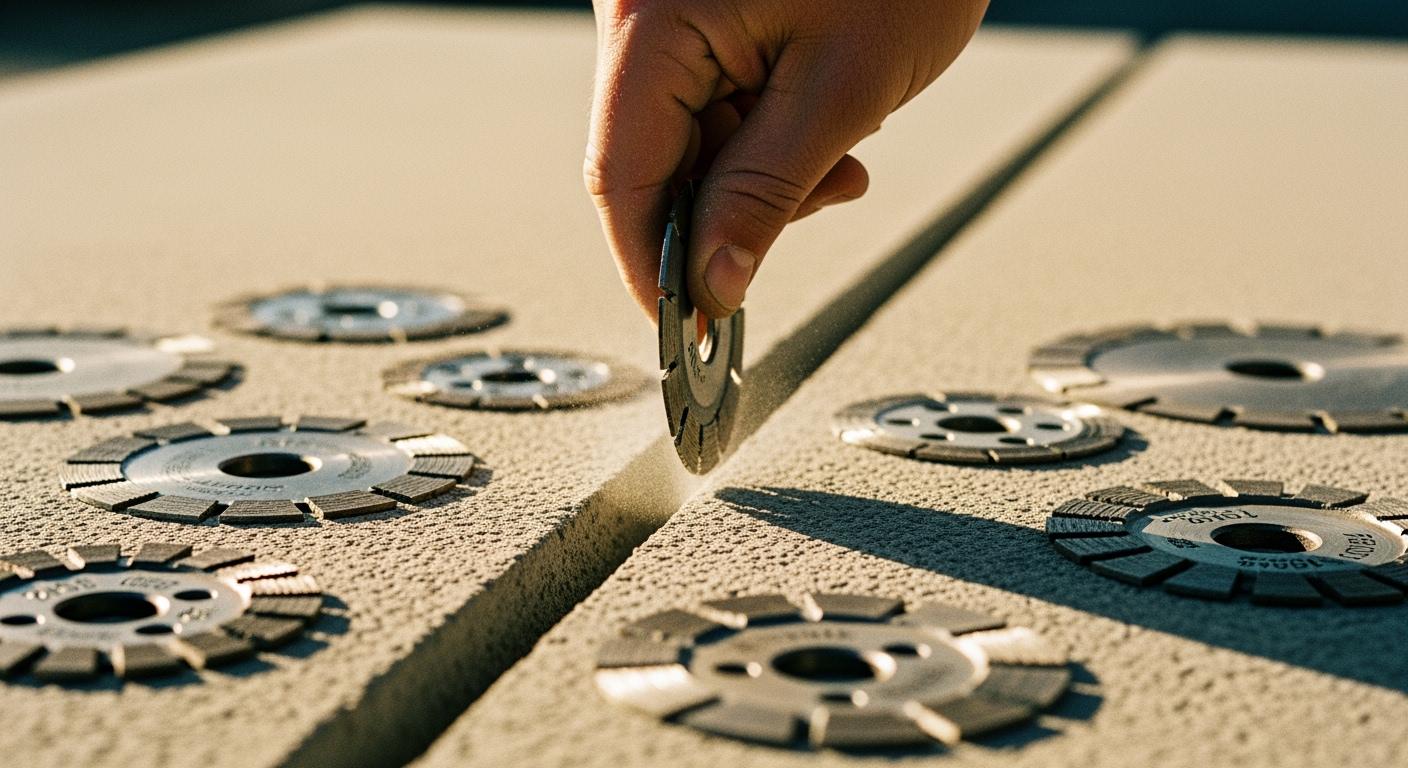
You need to choose diamond blades carefully for high-strength concrete. Matching the right blade to your material and equipment prevents problems like segment loss, overheating, cracked segments, and excessive wear. Aimgrind uses years of experience to help you find a blade that fits your needs. You get expert advice and step-by-step guidance to avoid common mistakes and achieve safe, efficient cutting.
Key Takeaways
- Choose the right diamond blade based on the hardness and abrasiveness of your concrete for efficient cutting.
- Select the appropriate bond type: a soft bond for hard aggregates and a hard bond for soft aggregates to extend blade life.
- Ensure your diamond blade matches your saw’s specifications, including diameter and RPM, to prevent damage and ensure safety.
- Consider using segmented rim blades for aggressive cutting of high-strength concrete and turbo rim blades for faster cooling.
- Consult Aimgrind for expert advice and custom solutions to find the best diamond blade for your specific cutting needs.
How to Choose Diamond Blades for High-Strength Concrete
Key Selection Criteria
You need to choose diamond blades with care when working with high-strength concrete. The right blade helps you cut efficiently and keeps your equipment safe. You should look at several important factors before you make your choice.
Tip: Always check the hardness and abrasiveness of your concrete. This step helps you select the best blade for your job.
Here are the main things you should consider:
- Check the hardness, abrasiveness, and silica content of your concrete.
- Look at your machine’s power, maximum RPM, and cutting depth.
- Decide if you want faster cutting, longer segment life, or a smoother cut.
You must pay attention to the bond type. The bond holds the diamonds in place and affects how the blade performs. If you work with hard aggregate, you need a soft bond. This bond wears down quickly and keeps the blade sharp. If you work with soft aggregate, you need a hard bond. This bond lasts longer and prevents glazing.
You also need to look at the segment design. Different segment types work best for different materials. The table below shows which segment types fit each material:
| Segment Type | Best For | Key Characteristics |
|---|---|---|
| Continuous Rim | Marble, ceramic, porcelain | Smooth cutting with minimal chipping |
| Turbo Rim | Granite, hard stone | Fast cutting with improved cooling |
| Segmented Rim | Concrete, masonry, stone | Aggressive cutting, durable |
For high-strength concrete, segmented rim diamond saw blades give you aggressive cutting and durability. Turbo rim blades help with cooling and speed. Continuous rim blades are not ideal for concrete.
You must also choose the right blade diameter. The diameter affects the cutting depth and speed. Make sure the blade fits your saw and matches the power of your equipment.
Note: Diamond blades that follow EN13236 and OSHA standards offer better safety and performance.
Aimgrind uses a personalized approach to help you choose diamond blades. The team looks at your material, equipment, and process. They design a formula that fits your needs. You get a blade that matches your job and lasts longer.
Common Mistakes to Avoid
Many people make mistakes when they choose diamond blades for high-strength concrete. You can avoid these problems if you know what to watch for.
- Do not use excessive force. Pushing the blade too hard can break it.
- Prevent overheating. Overheated blades can shatter. Use proper cooling.
- Match the blade to your saw’s power. If you use a low-horsepower blade on a high-horsepower saw, the blade will wear out fast.
- Make sure you operate the blade with skill. Inexperienced operators may misuse blades and get poor results.
- Keep your saw in good condition. Neglecting maintenance shortens blade life.
If you choose the wrong diamond blade, you risk faster wear and blade failure. You need a blade that can handle the hardness and abrasiveness of concrete. Diamond blades last longer and cut faster than standard blades. They reduce labor time and cost per cut. You get fewer blade changes and finish jobs quicker.
New technology makes diamond saw blades even better. Advanced diamond formulas improve cutting speed and durability. Enhanced cooling systems keep blades at the right temperature. Smart features like CNC and real-time analytics help you cut with precision.
When you choose diamond blades for high-strength concrete, you protect your equipment and get the best results. Aimgrind’s experts help you find the right blade and formula for your needs.
Understanding Diamond Blade Types and Materials
What Is a Diamond Blade?
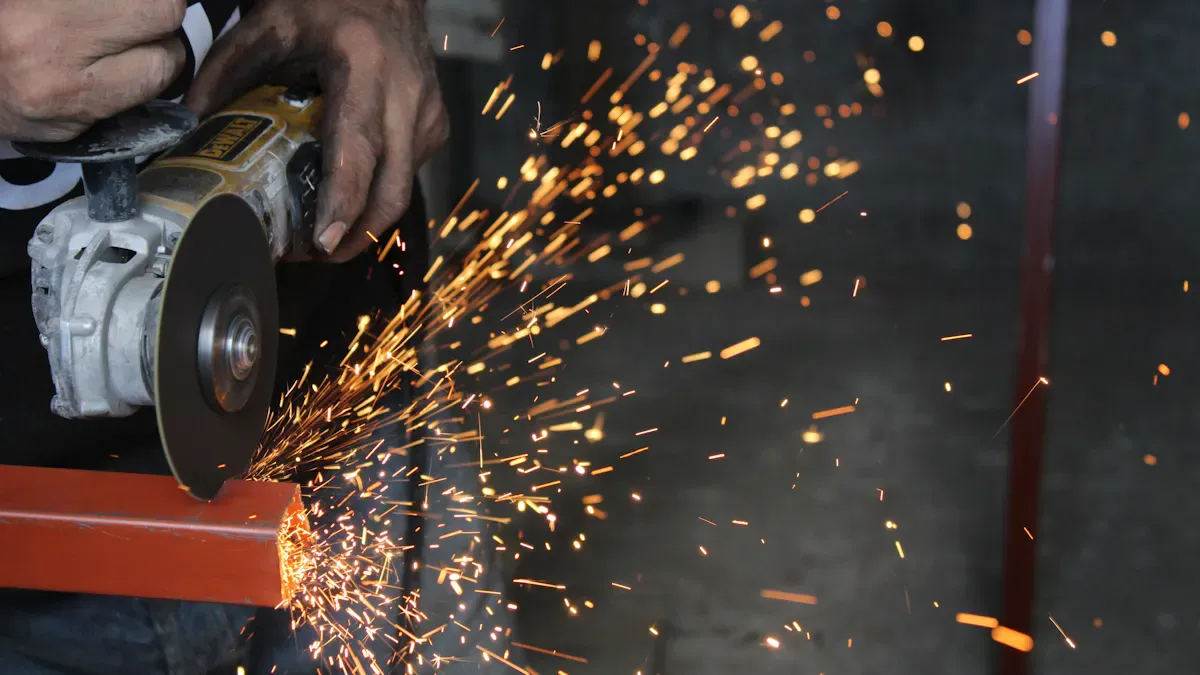
You use a diamond blade to make precision cuts in tough materials. The blade has a steel core with a layer of diamond grit. This grit gives the blade its strength and cutting power. You find diamond blades in different shapes and designs. Each type fits a specific job and material.
Tip: Know your material before you pick a diamond blade. This step helps you get the best performance and precision.
Here is a table that shows the main types of diamond blades and their uses:
| Blade Type | Construction Description | Application Description |
|---|---|---|
| Segmented rim | Dry cutting blade, ideal for rough cuts | Best for concrete, brick, and limestone |
| Turbo rim | Serrated edges for fast cuts | Suitable for tile and natural stone |
| Continuous rim | Requires water, offers smooth cuts | Perfect for marble, granite, and porcelain |
You use segmented blades for cutting concrete and other hard materials. These blades cut fast and handle rough jobs. Turbo blades give you speed and smoothness. Continuous rim blades work best for delicate materials and need water for cooling.
High-Strength Concrete Properties
High-strength concrete has tough aggregates like quartz or granite. These materials make cutting concrete harder. You must match the diamond blade bond to the concrete’s hardness and aggregate.
- The hardness of the aggregate is the most important factor when choosing a diamond blade.
- For hard aggregates, you need a soft bond. This bond exposes new diamond grit as the blade wears, keeping the blade sharp.
- For softer aggregates, you use a hard bond. This bond resists abrasion and prevents the blade from wearing out too quickly.
- Contractors must select the right blade based on the concrete’s aggregate composition.
- Use a soft bond for hard concrete to ensure efficient cutting.
- Choose a hard bond for abrasive materials like green concrete or asphalt to minimize wear.
You get better precision and performance when you match the blade to the material. If you want precision cuts, always check the concrete’s hardness and aggregate. This step helps you avoid blade failure and ensures efficient cutting concrete.
Matching Blade to Equipment and Application
Saw Compatibility
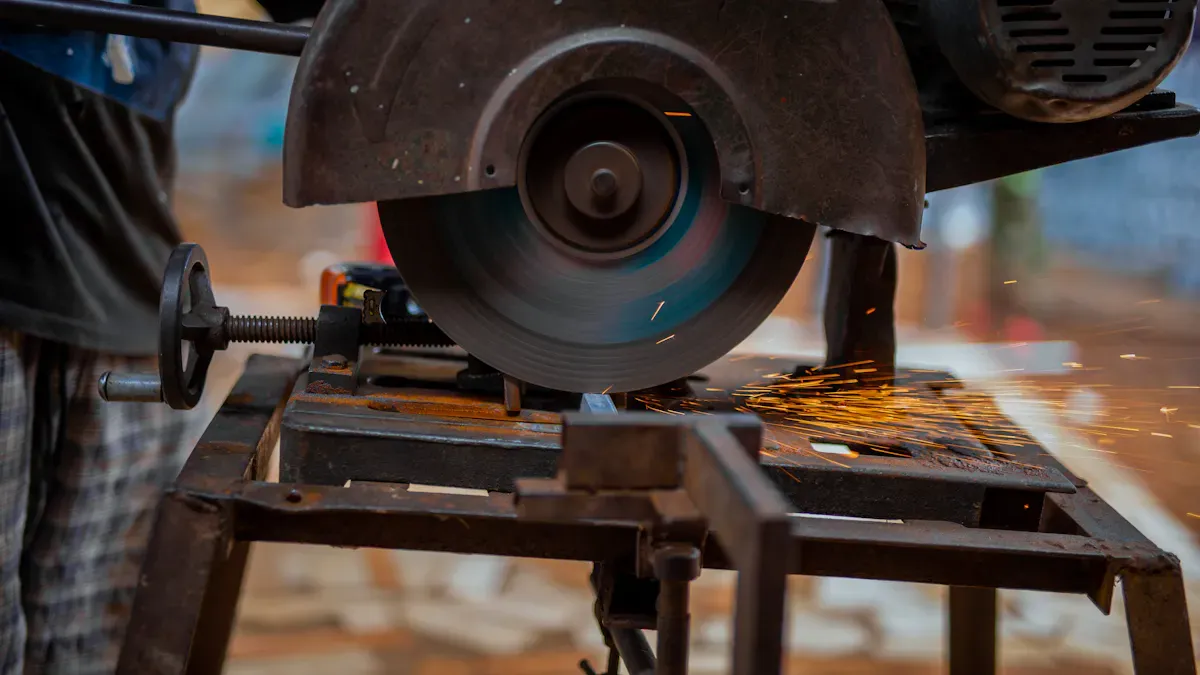
You need to match your diamond blade to your saw for safe and efficient cutting. Always check the blade diameter and arbor size. The blade must fit your saw’s specifications. If you use the wrong size, you risk poor performance or even damage to your equipment. The diameter of the blade controls how deep you can cut. The arbor size must match the saw’s spindle. If you use a blade that does not fit, you may see wobbling or uneven cuts. Always check your saw’s manual before choosing a blade.
Tip: Matching the blade’s RPM rating with your saw prevents overheating and extends blade life.
Here is a quick checklist for saw compatibility:
- Check the material you plan to cut.
- Choose the right blade diameter for your cutting depth.
- Make sure the arbor size matches your saw.
- Confirm the saw’s horsepower and RPM fit the blade’s requirements.
Wet vs. Dry Cutting
You must decide if you want wet or dry cutting. Wet cutting uses water to cool the blade and reduce dust. Dry cutting does not use water and is better for short or outdoor jobs. Each method has its own benefits and drawbacks.
| Method | Advantages | Disadvantages |
|---|---|---|
| Wet Cutting | Reduces dust, cools blade, smoother cuts | Needs water, creates slurry |
| Dry Cutting | No water needed, faster setup | More dust, risk of overheating |
Wet cutting helps your blade last longer and gives cleaner cuts. Dry cutting is good when water is not available, but you must avoid overheating the blade.
Cutting Depth and Speed
Cutting depth and speed affect how well your blade works. A larger blade lets you cut deeper, but you need a saw with enough power. Cutting too fast can wear out the blade quickly. If you cut too slow, you waste time and energy. The right speed keeps the blade cool and exposes new diamond grit for steady cutting. Always use steady pressure and let the blade do the work.
Note: High-quality blades with strong steel cores and concentrated diamond segments give you faster, smoother cutting and longer life.
Aimgrind Diamond Grinding Wheels Advantages
Product Features and Benefits
You want tools that last and perform well. Aimgrind’s diamond grinding wheels give you both. These wheels use a strong diamond abrasive layer. This layer cuts through hard materials like high-strength concrete with ease. You can choose from different bond types, such as resin, metal, or vitrified. Each bond type fits a specific job. For example, resin bonds work well for fast grinding, while metal bonds handle tough, heavy-duty tasks.
Aimgrind’s wheels keep their shape and sharpness. You get smooth, even cuts every time. The wheels come in many sizes and grit levels. You can pick the right one for your project. These wheels also fit most standard grinding machines. You save time because you do not need to change wheels often.
Note: Using Aimgrind’s diamond grinding wheels helps you finish jobs faster and with less effort.
Here is a table that shows how diamond grinding improves high-strength concrete projects:
| Description | Key Benefit |
|---|---|
| Diamond grinding extends concrete pavement life by providing a smooth surface. | Increases longevity of high-strength concrete projects. |
| A smooth, level road lasts longer under repeated traffic loads. | Enhances durability under stress. |
| Diamond grinding improves pavement rideability without interfering with drainage conditions. | Maintains functionality while improving surface quality. |
| Concrete pavement may be ground up to three times without losing fatigue life. | Ensures long-term usability of high-strength concrete. |
| Most projects last at least 9.5 years, with half lasting 13.5 years or more. | Demonstrates reliability and effectiveness over time. |
| Grinding increases the traffic-carrying capacity of pavement. | Supports high-strength concrete under heavy loads. |
Custom Solutions for High-Strength Concrete
Every project is different. You need grinding wheels that match your exact needs. Aimgrind offers custom solutions. The team studies your material, equipment, and process. They design a wheel formula just for you. You get the right bond, grit, and size for your job.
If you work with high-strength concrete, Aimgrind’s experts help you choose the best wheel. They make sure your wheel fits your machine and your project goals. You get better results, longer tool life, and higher productivity. Aimgrind’s custom grinding wheels help you handle even the toughest concrete cutting jobs.
You should always match the diamond blade to the hardness and abrasiveness of your concrete. Pick the right bond type for efficient cutting and long blade life. Remember to check your saw’s compatibility and follow safety measures. For best results, consult Aimgrind for expert advice and custom solutions. Use this checklist:
- Match blade type to material hardness.
- Choose proper cooling methods.
- Inspect and maintain your blade regularly.
FAQ
What type of diamond blade works best for high-strength concrete?
You should use a segmented rim diamond blade with a soft bond. This blade cuts hard concrete efficiently and stays sharp. Segmented blades also help with cooling and debris removal.
How do I know if my blade matches my saw?
Check your saw’s manual for blade diameter and arbor size. Make sure the blade’s RPM rating matches your saw. Using the correct size prevents wobbling and ensures safe, smooth cutting.
Can I use the same blade for wet and dry cutting?
Some blades work for both wet and dry cutting. Always check the blade label. Wet cutting reduces dust and cools the blade. Dry cutting is faster to set up but creates more dust.
Why should I choose Aimgrind diamond grinding wheels?
Aimgrind wheels offer strong diamond layers, long life, and custom options. You get wheels that fit your machine and project. Aimgrind’s team helps you pick the right wheel for high-strength concrete.