

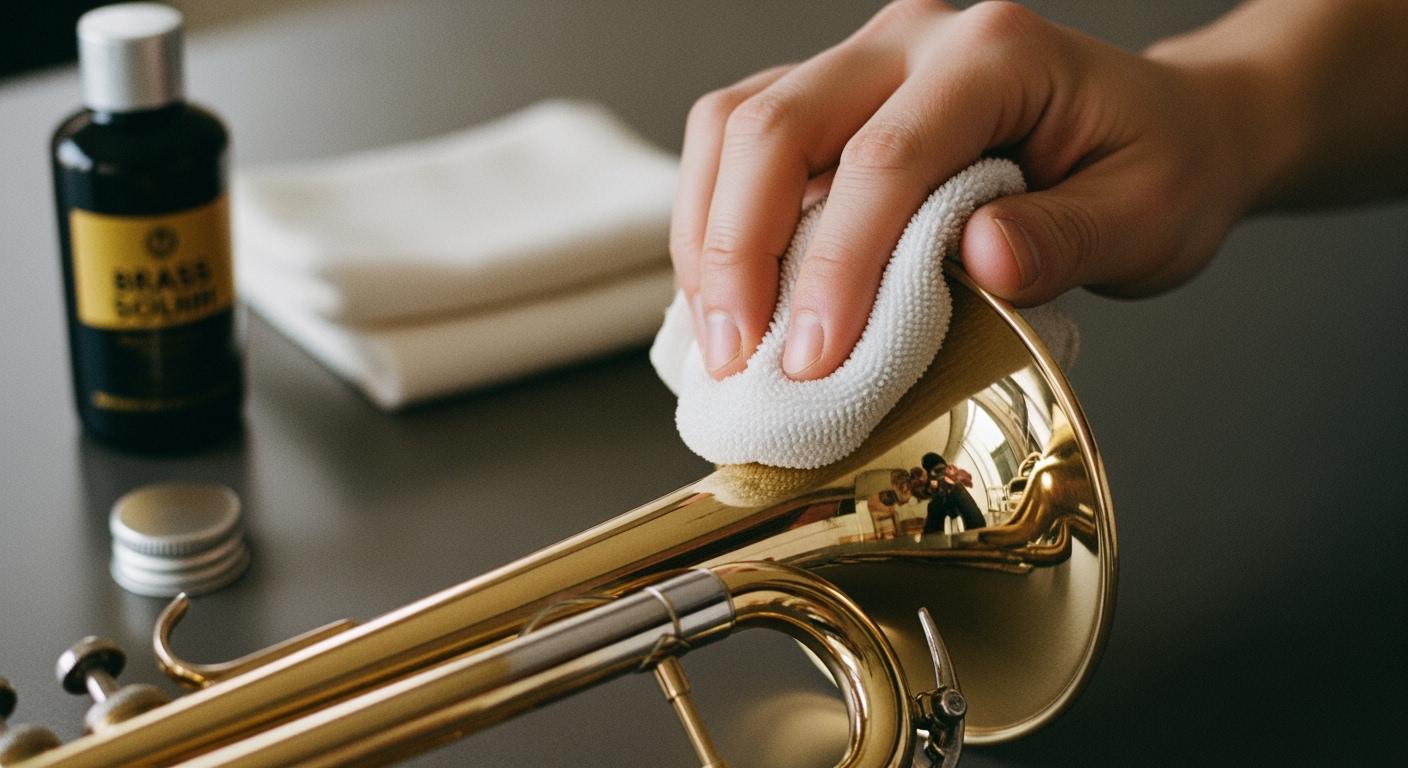
You want your brass instruments to shine, not show scratches. The best way to avoid scratches is simple. Use soft, non-abrasive cloths and gentle polishes. These choices matter. They protect the finish and keep your instrument looking new. Here’s why you should care:
- Soft cloths stop damage before it starts.
- Gentle polishes fight tarnish and corrosion.
- A good finish means a longer life for your instrument.
Safe care keeps your music sounding and looking great.
Key Takeaways
- Use soft, non-abrasive cloths like microfiber to prevent scratches while polishing your brass instruments.
- Choose gentle, non-abrasive polishes to clean and brighten brass without damaging the finish.
- Always clean your instrument before polishing to remove dust and dirt that can cause scratches.
- Handle your brass instruments with care and store them in protective cases to avoid scratches and damage.
- Regular maintenance and cleaning routines help keep your brass instruments shiny and extend their lifespan.
Materials to Avoid Scratches
Soft Cloths for Polishing
When you want your brass instrument to shine, you need to start with the right cloth. A microfiber cloth works best. It feels soft and smooth. It will not scratch the surface. You can use a clean cloth every time you polish. This helps keep dust and grit away from your instrument. Industry experts say a multi-layer approach works well. Start with a lint-free cloth or a layer of polyethylene foam. This protects your brass and keeps it looking new.
Here’s a quick look at how different materials compare:
| Material | Scratch Risk | Tarnish Risk |
|---|---|---|
| Microfiber Cloth | Very Low | Low |
| VCI Paper | Low | Very Low |
| Standard Bubble Wrap | High | Medium |
| PE Foam Wrap | Low | Low |
You can see that microfiber cloths have a very low scratch risk. They are a top choice for polishing brass.
Non-Abrasive Polishes
You want your instrument to shine, but you do not want to damage it. Always pick a non-abrasive polish. These polishes clean and brighten the brass without scratching. Avoid harsh chemicals. They can harm the finish. Use a small amount of polish and rub gently. This keeps your instrument safe and looking its best.
Aimgrind Polishing Wheels Overview
If you want a professional shine, you can use Aimgrind polishing wheels. These wheels are made from soft and elastic materials. They fit the shape of your instrument and help you get a smooth finish. Aimgrind has years of experience making tools for metal and glass. Their polishing wheels work well for brass instruments. You can use them with most polishing machines. They help you avoid scratches and give your instrument a bright, even shine. When you choose Aimgrind, you get quality and care for your brass.
Polishing Brass Instruments Safely
Cleaning Before Polishing
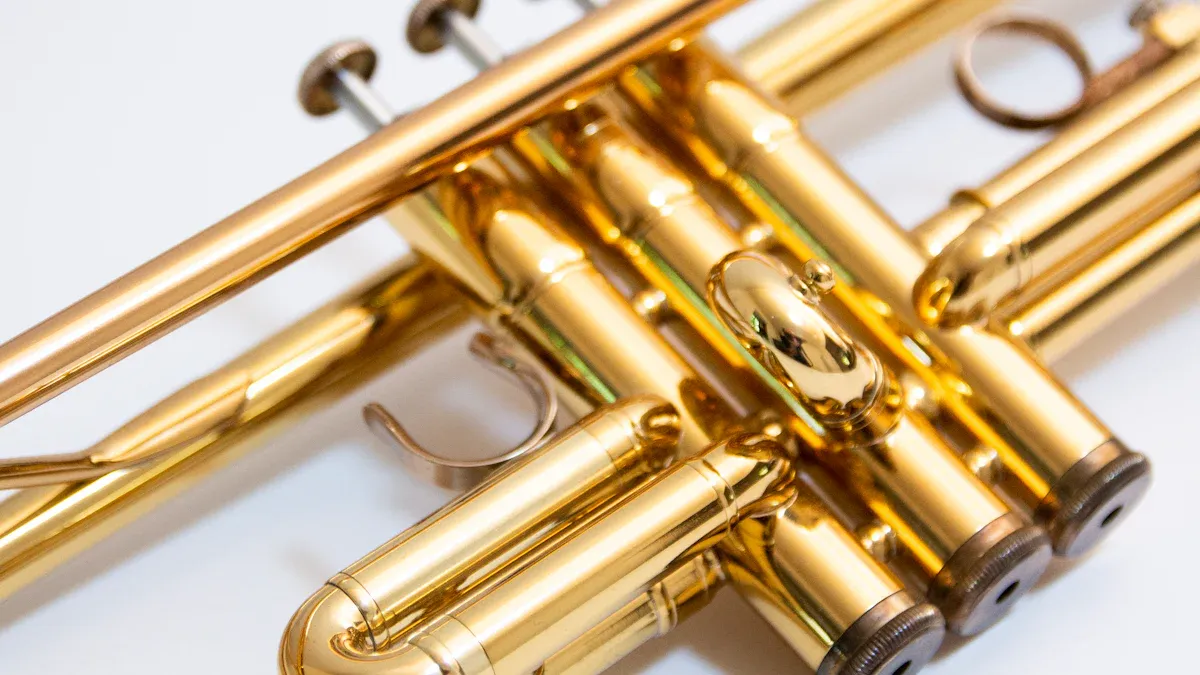
You want your instruments to look their best. Start by making sure they are clean. Dust and dirt can scratch brass if you polish without cleaning first. Grab a soft, dry cloth and gently wipe the surface. If you see fingerprints or smudges, wash the brass with mild soap and water. Dry it with a fresh cloth. Never soak your instruments, especially if they have lacquered finishes. Wet sanding works for deep scratches, but only use a drop of dish soap for lubrication. Always make sure the brass is completely dry before you begin polishing. This step helps prevent spots and tarnishing.
Here’s a quick table showing what cleaning agents work best:
| Feature | Description |
|---|---|
| Safe for Delicate Surfaces | Non-abrasive, keeps finishes scratch-free |
| Versatile Use | Works on brass, wood, and plastic |
| Protective Formula | Leaves a coating that fights tarnish and oxidation |
Tip: Handle your instruments with gloves or clean hands. This keeps oils and fingerprints away from the brass.
Applying Polish with Care
You want to polish brass instruments without causing damage. Use a soft, lint-free cloth or microfiber rag. Apply a small amount of non-abrasive polish to the cloth. Rub the polish in gentle, circular motions. Don’t press too hard. Steady pressure gives you an even shine. If your instrument has a lacquered finish, avoid harsh chemicals and abrasives. These can cloud or strip the lacquer. After polishing, wash the brass with mild soap and water to remove any leftover polish. Dry it with a clean cloth. If water no longer beads on the surface, you can reapply wax. Stop and check if the finish lifts or softens. Over-cleaning can cause damage, so take care.
- Regularly dust brass with a soft, dry cloth.
- Wash with mild soap and water as needed.
- Avoid soaking lacquered instruments.
- Reapply wax only when needed.
- Handle polished brass with gloves or clean hands.
Note: Gentle motions and non-abrasive agents protect lacquered brass. Never use abrasives, solvents, or harsh polishes on lacquered surfaces.
Using Aimgrind Polishing Wheels
You want a professional finish for your instruments. Aimgrind Polishing Wheels make polishing easy and safe. These wheels use soft, elastic materials that adapt to the shape of your brass. You can install them on most polishing machines. They help you avoid scratches and give your instruments a bright, even shine. Aimgrind has nearly two decades of experience in making polishing tools for metals. Their wheels work well for both rough and fine polishing. You can use BD wheels, BK wheels, wool felt wheels, or 10S wheels depending on your needs.
Here’s how you polish brass instruments safely with Aimgrind Polishing Wheels:
- Wear safety goggles and gloves to protect yourself and keep the brass clean.
- Choose the right Aimgrind Polishing Wheel for your instrument.
- Apply a polishing compound to the wheel or cloth.
- Polish the brass in circular motions with steady pressure.
- Wipe off any leftover compound and apply a protective spray or mineral oil.
Callout: Aimgrind Polishing Wheels help you polish brass instruments with care. You get a smooth finish and protect your instrument from scratches.
Common Mistakes to Avoid Scratches
You want your brass instrument to look its best. Sometimes, simple mistakes can ruin the finish. Let’s look at the most common errors and how you can steer clear of them.
Abrasive Materials
You might think a tough scrub will make your instrument shine, but harsh materials do more harm than good. Sandpaper, steel wool, or abrasive pads scratch the brass surface. These scratches can dull the shine and even cause permanent damage. Even some metal polishes and silver polish can be abrasive if you use them too often. Always reach for soft cloths like microfiber or lint-free rags. They help you avoid scratches and keep your brass looking bright.
Tip: For lacquered horns, stick with non-abrasive cloths. Silver-plated instruments need gentle silver polishing cloths. Aggressive rubbing wears down the plating over time.
Here’s a quick table to help you spot what to use and what to skip:
| Material | Safe for Brass? | Risk Level |
|---|---|---|
| Microfiber Cloth | Yes | Low |
| Steel Wool | No | High |
| Sandpaper | No | High |
| Silver Polish Cloth | Yes | Low |
Harsh Rubbing
You might want to scrub away every spot, but pressing too hard can cause micro-scratches. Mechanical actions like grinding or polishing with too much force leave marks you can’t erase. Contaminated abrasives make things worse. Always use gentle, circular motions. Let the tool or cloth do the work. If you push too hard, you risk damaging the finish and making your instrument look dull.
Note: Excessive force doesn’t clean better. It just makes it easier to damage your brass.
Skipping Pre-Cleaning
You may feel tempted to jump straight to polishing, but skipping pre-cleaning is a big mistake. Dust, grime, and residue scratch the surface when you polish. Pre-cleaning removes these particles and protects your brass. Use a soft brush and microfiber cloth to wipe away dirt. This step keeps imperfections from getting worse and helps you avoid scratches.
Callout: Clean first, polish second. This simple habit keeps your brass safe and shiny.
Polishing Different Brass Finishes
Lacquered Brass
You want your lacquered brass to look shiny and stay protected. The lacquer acts like a shield, but it needs careful handling. If you see old lacquer peeling or dull spots, you can refresh the finish. Here’s a simple way to polish lacquered brass without causing scratches:
- Grab a soft cloth and test a small spot with acetone to remove old lacquer. Always pick a hidden area first.
- Polish the bare brass gently until you see the shine you want.
- Make sure the surface is dry and free from dust or fingerprints.
- Spray or dip a thin coat of clear lacquer in a well-ventilated space. Try to avoid drips.
- Let the lacquer dry completely before you touch the instrument. Add more coats if needed.
Tip: Clean your instrument with a soft towel after each session. Wear lightweight gloves to keep fingerprints away. Handle your brass gently to avoid dents and scratches.
Silver-Plated Brass
Silver-plated brass needs a gentle touch. You want to keep the silver bright without scratching the surface. Some polishes work better than others. Here are two popular choices:
- Yamaha Silver Polish (YAC 1061P) removes dirt and tarnish. It protects and shines silver finishes.
- Music Nomad MN701 Silver Polish works well and doesn’t leave chalky residue. You only need a small amount.
Note: Always use a soft cloth. Rub in gentle circles. Don’t press too hard. If you see stubborn spots, repeat the process with a fresh cloth.
Unlacquered Brass
Unlacquered brass gives you a classic look, but it needs regular care. You can polish it more often since there’s no protective coating. Use a soft cloth and a non-abrasive polish. Wipe away dust and fingerprints before you start. If you want a deeper shine, Aimgrind Polishing Wheels help you get a smooth finish without scratches. Make sure you dry the instrument after polishing.
| Brass Finish | Cleaning Tool | Polish Type | Extra Care Needed |
|---|---|---|---|
| Lacquered | Soft towel/gloves | Mild soap/acetone | Gentle handling |
| Silver-Plated | Soft cloth | Silver polish | Light pressure |
| Unlacquered | Microfiber cloth | Non-abrasive polish | Frequent cleaning |
Callout: Each brass finish needs its own care routine. If you follow these steps, your instrument will stay shiny and scratch-free.
Maintenance and Storage Tips
Handling and Storage
You want your brass instruments to stay safe and scratch-free. Handle them with care every time you pick them up. Always use clean hands or gloves. Choose the right storage solution for your needs. Hard-shell cases protect against bumps and drops. Flannel bags add a soft layer that keeps dust and scratches away. You can use both together for extra protection. Here’s a quick list of storage options:
- Flannel bags keep your instrument safe from dust and scratches.
- Hard-shell and padded cases offer strong protection for long-term storage.
- Soft cases work well for short trips and lightweight carrying.
Tip: Never leave your instrument out in the open. Store it in a case or bag when not in use.
Routine Cleaning
Routine cleaning keeps your instruments looking their best. Dirt and grime can cause scratches if you ignore them. Wipe your instrument with a soft cloth after each use. Avoid abrasive materials and harsh chemicals. They can damage the finish and delicate parts. Regular cleaning helps maintain the instrument’s structure and shine. Here’s what you should do:
- Clean your instrument after every session.
- Use a soft, lint-free cloth for wiping.
- Stay away from abrasive cleaners.
- Check for moisture and dry the instrument before storing.
Callout: Clean instruments last longer and stay shiny. Make cleaning part of your routine.
Professional Consultation
Sometimes, you need expert help. If you notice deep scratches or damage, reach out to a professional. Technicians can fix problems and give advice on proper care. They know how to polish and repair brass instruments without causing harm. You can ask them about the best products and tools for your instrument. Regular check-ups keep your instrument in top shape.
| Service Type | Benefit |
|---|---|
| Professional Repair | Removes deep scratches |
| Expert Advice | Helps choose safe products |
| Routine Check-up | Maintains instrument quality |
Note: Don’t wait for big problems. A quick visit to a professional can save your instrument and keep it sounding great.
You can avoid scratches by using soft cloths and gentle polishes every time you clean your brass. Always tailor your care to the finish, whether it’s lacquered, silver-plated, or unlacquered. Regular maintenance helps keep it looking pristine and boosts the value of your instrument. Gentle techniques protect delicate surfaces and extend the lifespan. If you need deep cleaning, ask a professional for help. With the right habits, your brass will shine and stay reliable for years.
- Regular care keeps musical output strong.
- Non-abrasive cleaning maintains the finish.
- Consistent maintenance preserves value.
FAQ
How often should you polish your brass instrument?
You should polish your brass instrument once a month. If you play often, clean it after each session. This keeps your instrument shiny and prevents tarnish.
Can you use Aimgrind Polishing Wheels at home?
Yes, you can use Aimgrind Polishing Wheels at home. They fit most polishing machines. You get a smooth finish without scratches. Always follow safety instructions.
What is the best cloth for polishing brass?
Microfiber cloth works best.
It feels soft and does not scratch. You can use lint-free rags too. Avoid paper towels and rough fabrics.
Will polishing remove deep scratches?
No, regular polishing will not remove deep scratches. You need professional repair for those. Polishing helps with light marks and keeps the surface shiny.