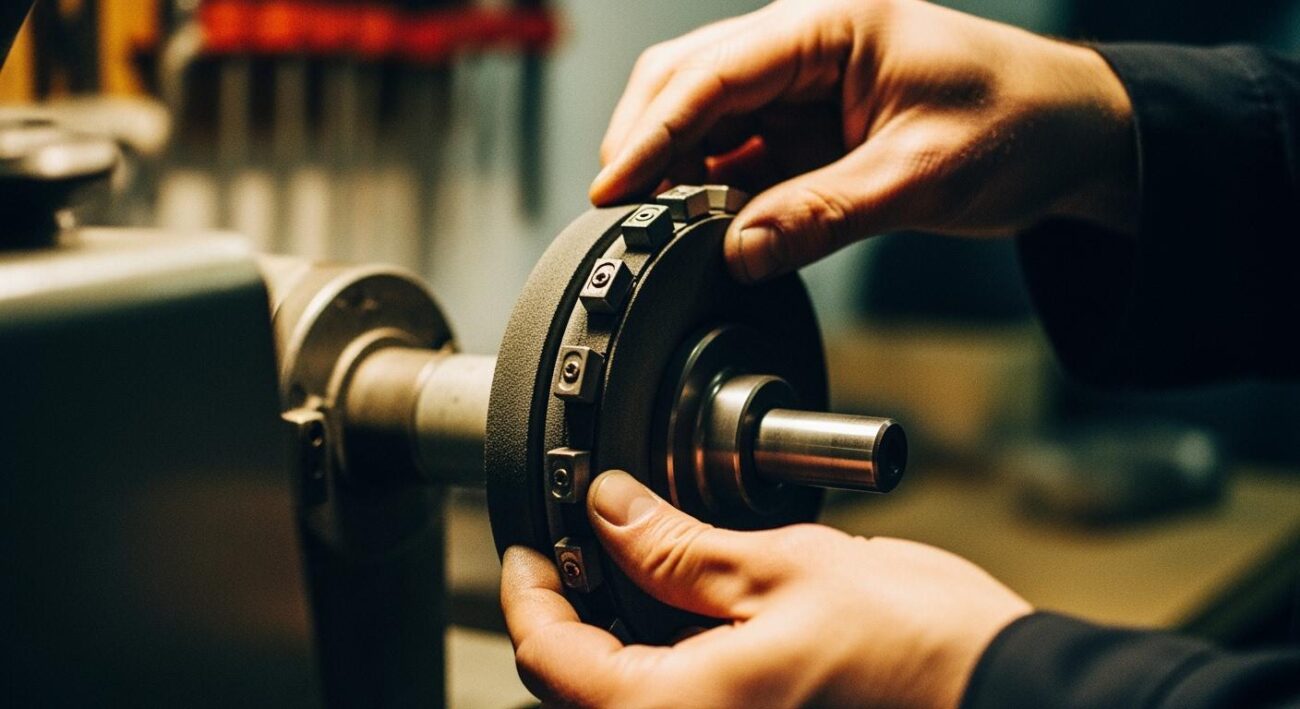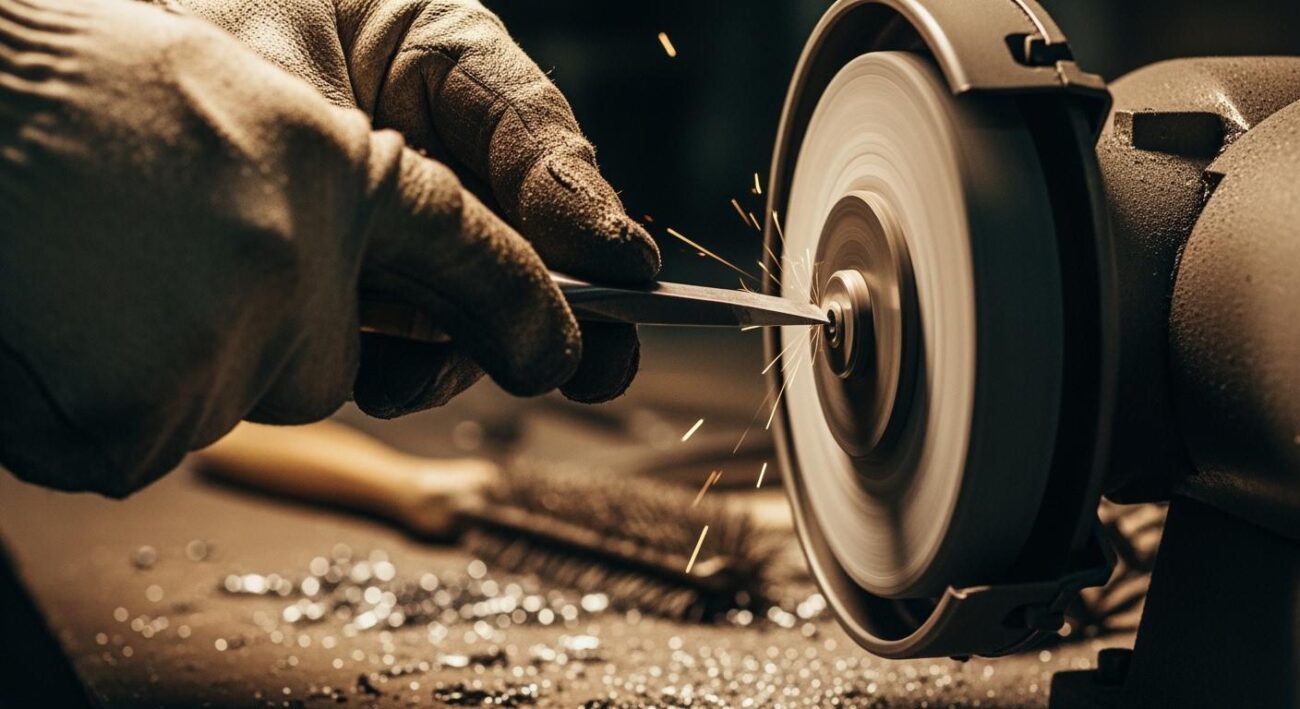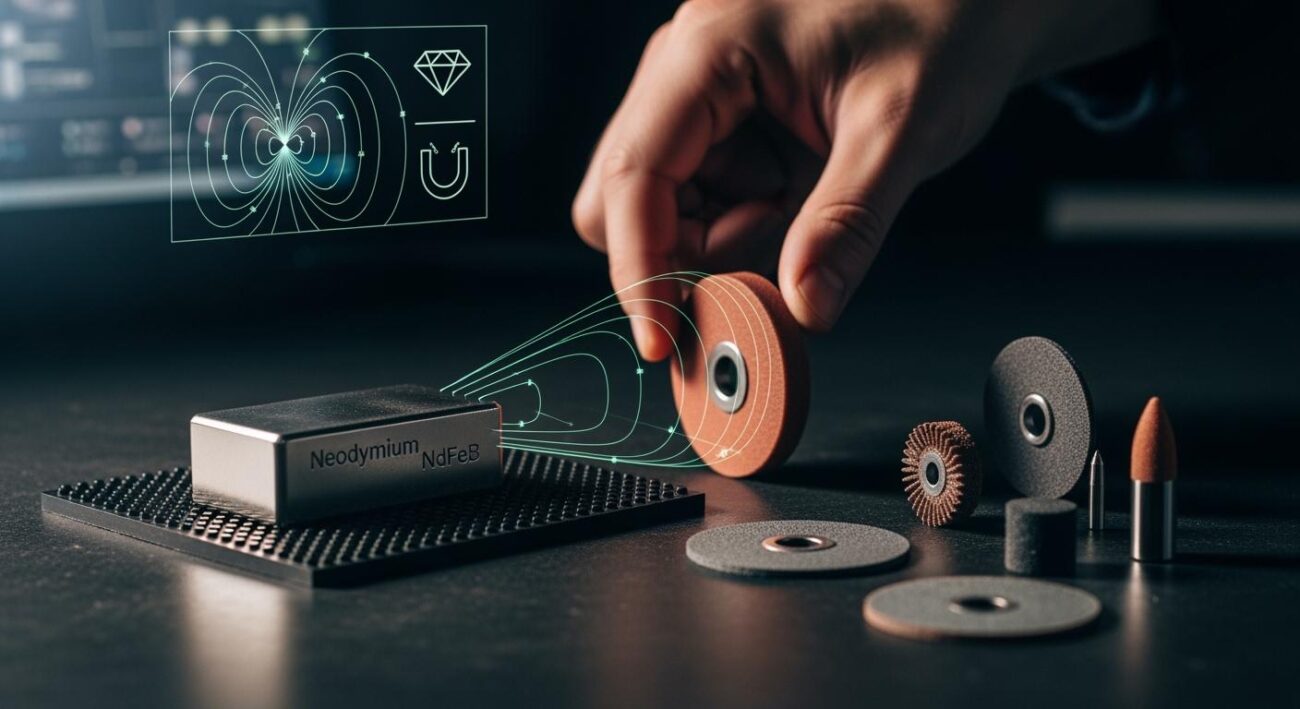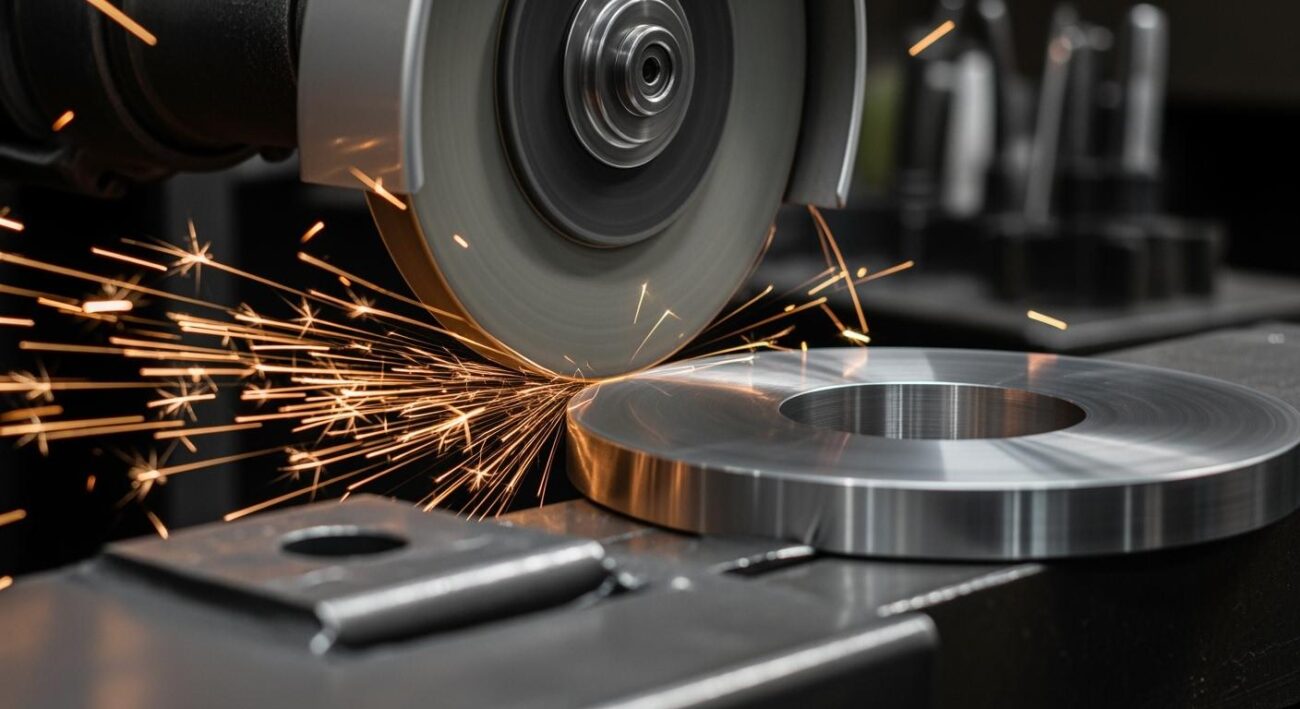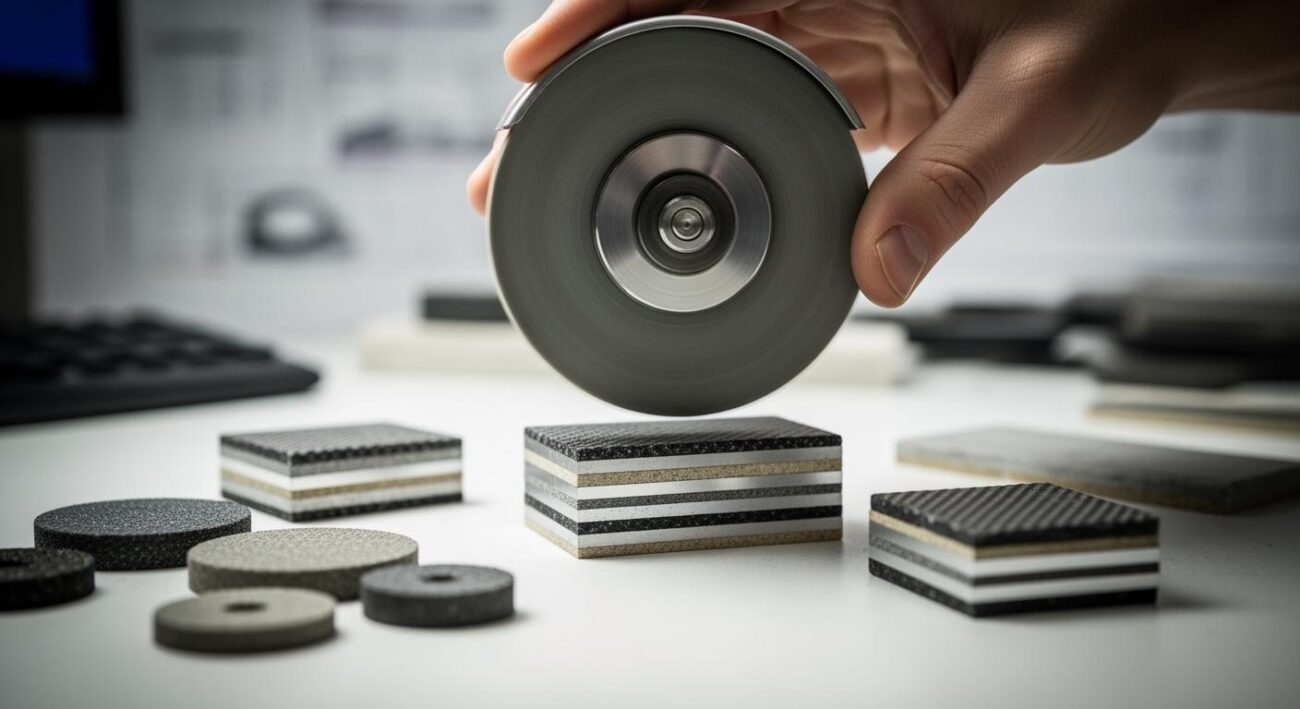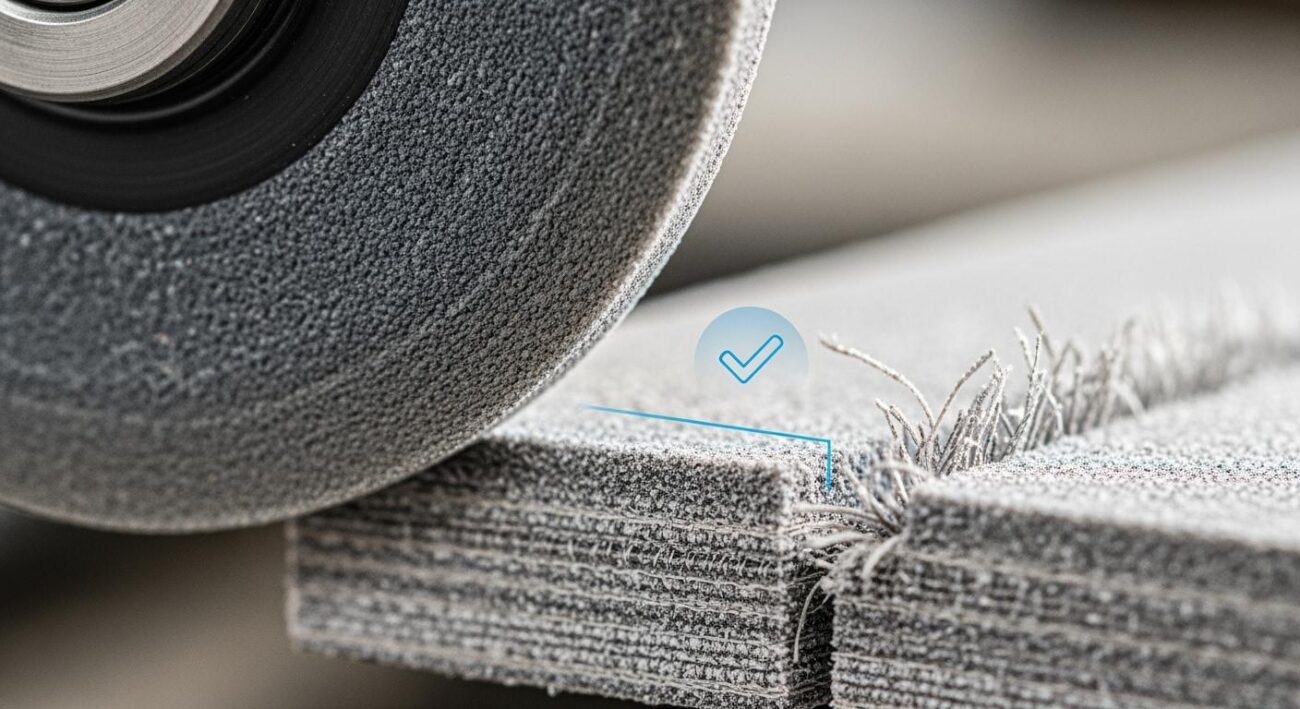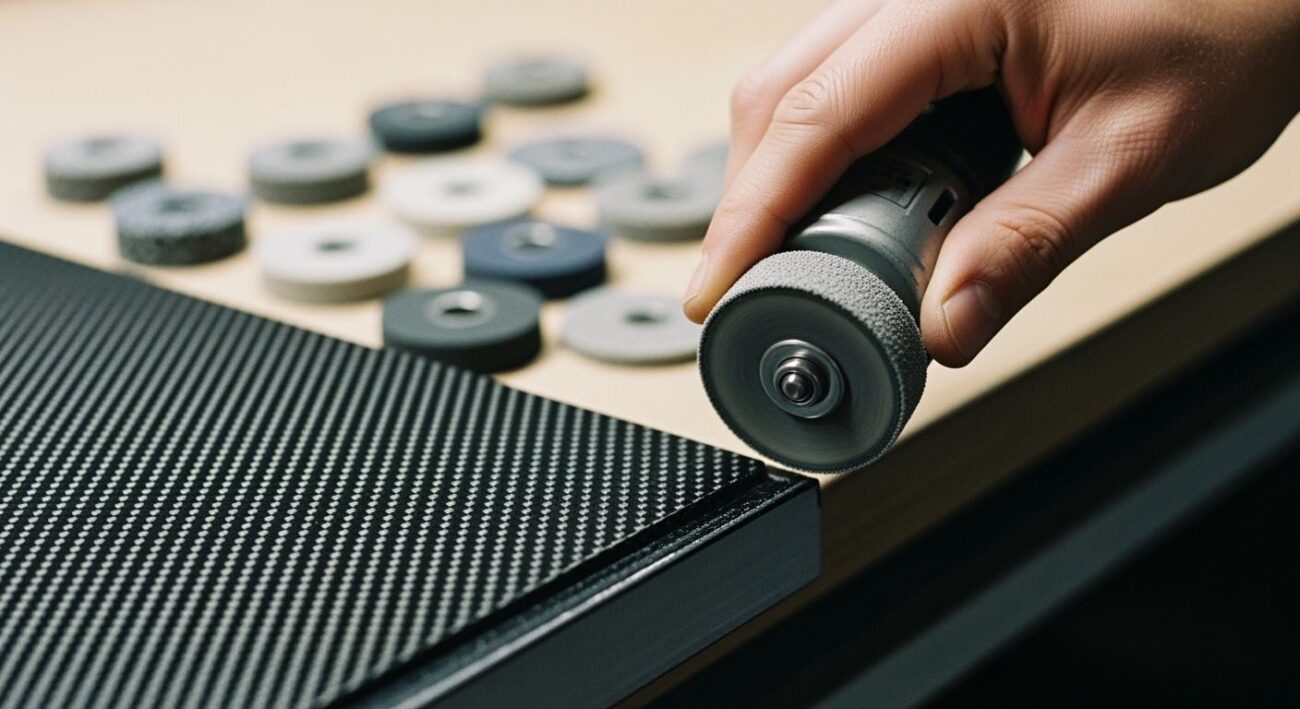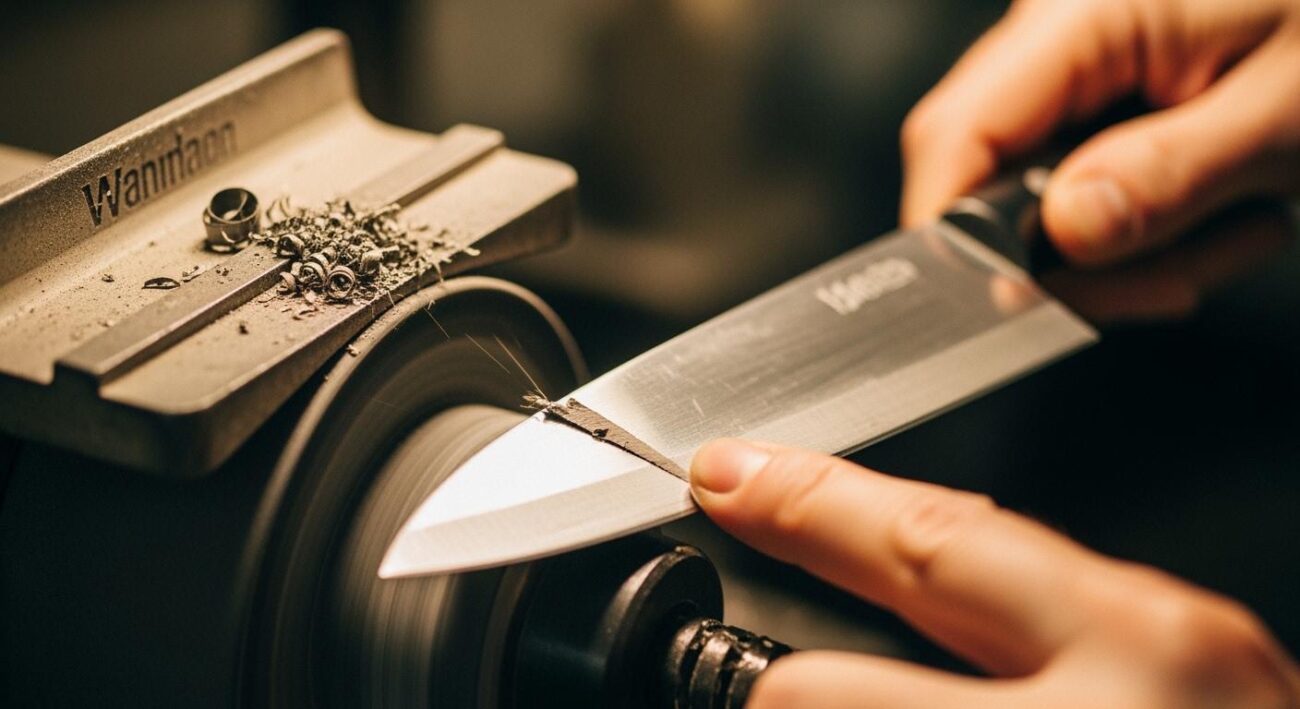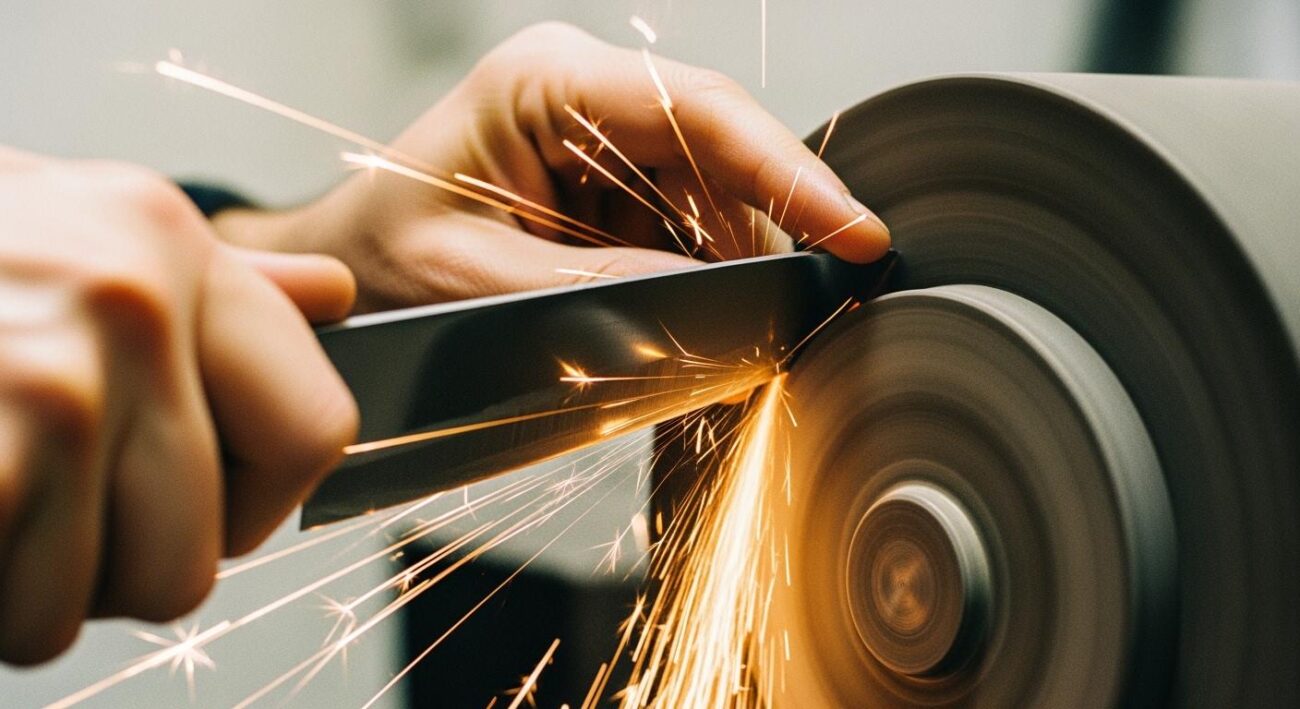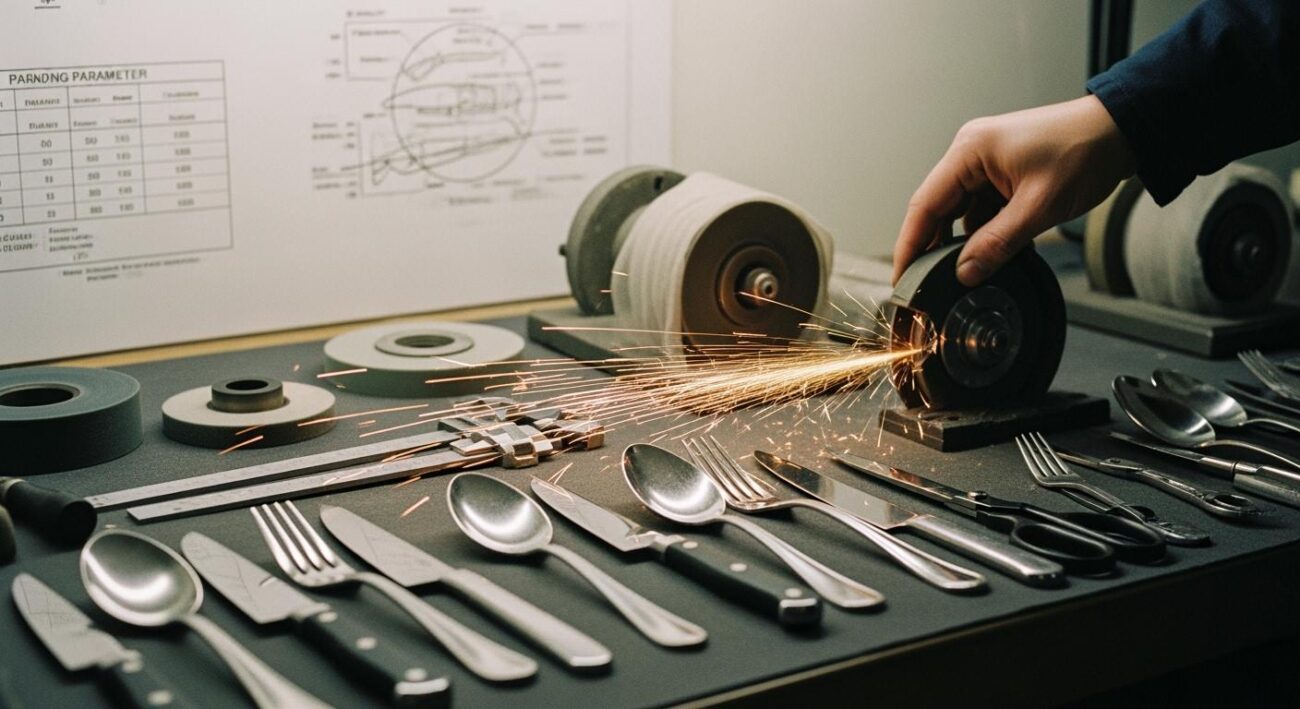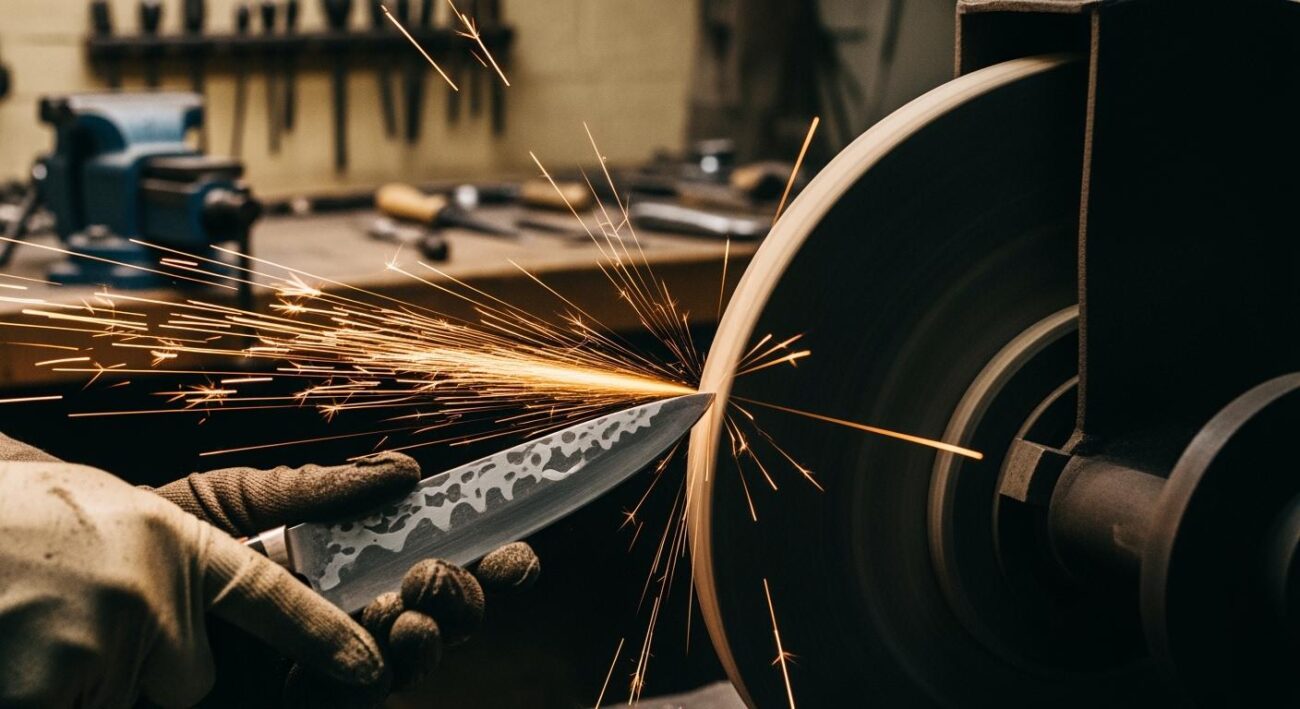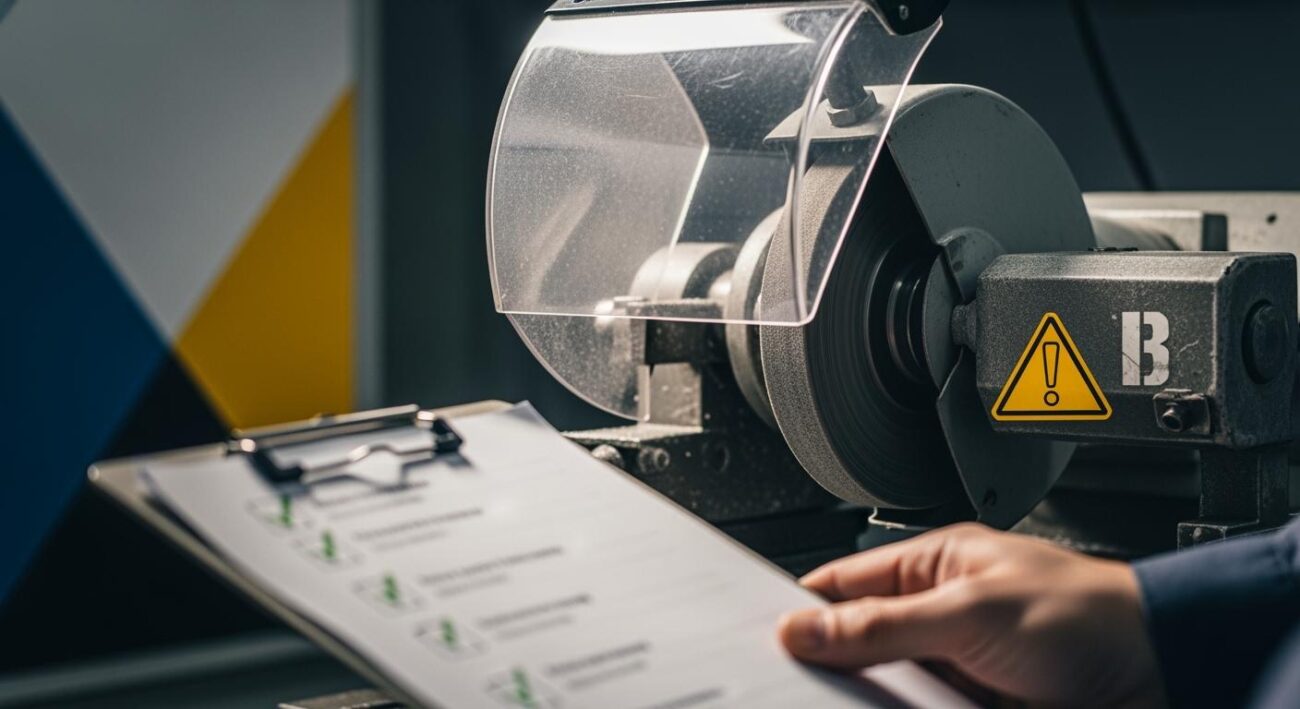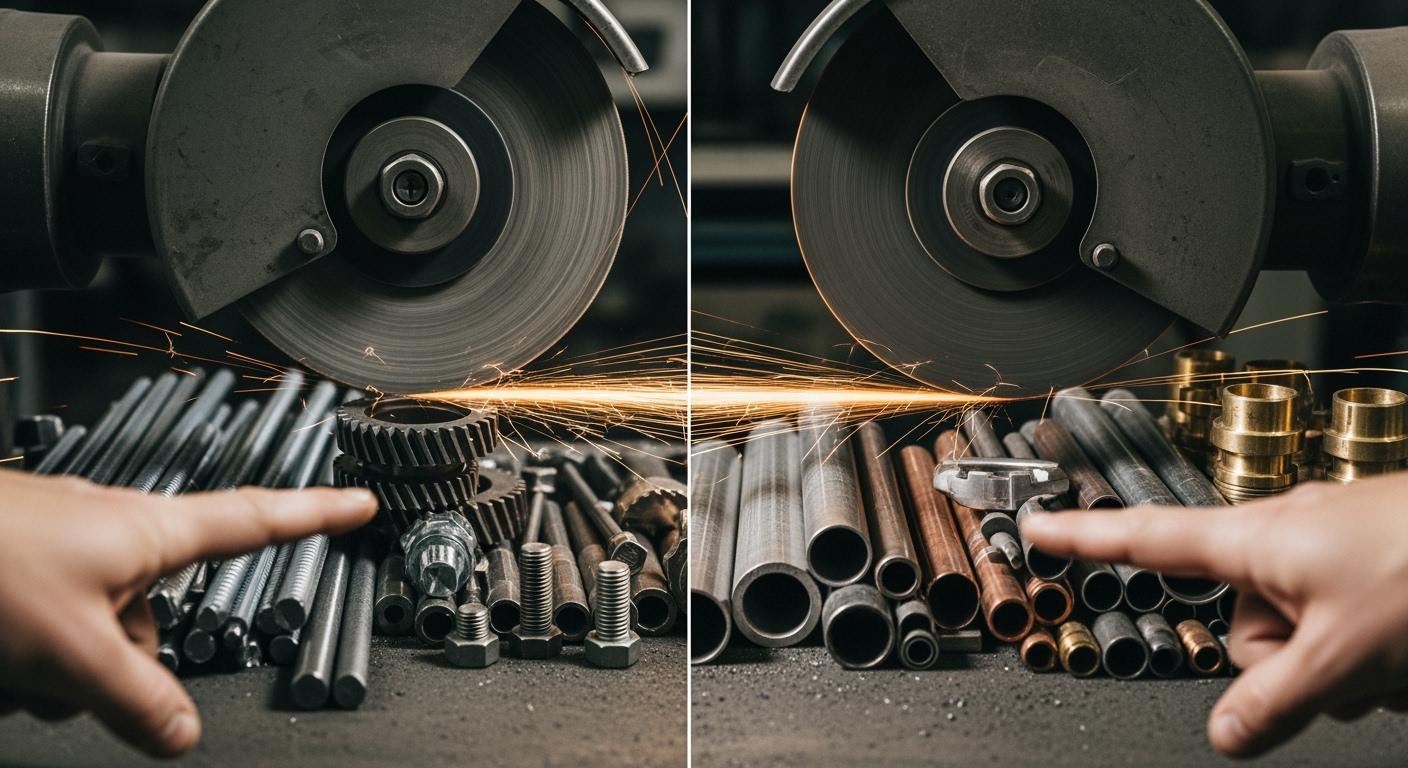
When you focus on grinding wheel selection, you must consider the type of metal you work with. Ferrous metals like steel need tough abrasives such as aluminum oxide or CBN, while non-ferrous metals like aluminum perform better with silicon carbide or diamond wheels. The right choice improves grinding performance, prevents issues like rapid wear, and protects your workpiece. If you use the wrong wheel, you risk poor results and a shorter tool life. The table below shows how different wheels suit each metal type:
| Grinding Wheel Type | Ferrous Metals | Non-Ferrous Metals | Key Characteristics |
|---|---|---|---|
| Aluminum Oxide | Yes | No | Tough, durable, ideal for precision grinding |
| Silicon Carbide | No | Yes | Hard, smooth finish, best for brittle materials |
| CBN | Yes | No | High thermal stability, precise for hard steels |
| Diamond | No | Yes | Extreme hardness, top choice for non-ferrous metals |
Choosing a grinding wheel that matches your material is essential. Aimgrind offers expertise and solutions to help you achieve the best results.
Key Takeaways
- Choose the right grinding wheel based on the metal type. Ferrous metals need tough abrasives like aluminum oxide, while non-ferrous metals perform better with silicon carbide.
- Using the correct wheel improves grinding performance and prevents issues like rapid wear and overheating. This leads to better results and longer tool life.
- Consider abrasive type, grit size, and bond type when selecting a wheel. These factors significantly affect grinding efficiency and surface finish.
- Always match wheel speed and coolant use to your grinding process. This balance enhances performance and protects your workpiece from damage.
- Aimgrind offers expert advice and custom solutions to help you select the best grinding wheel for your specific needs.
Material Type and Grinding Wheel Selection
Ferrous Metals and Steel Properties
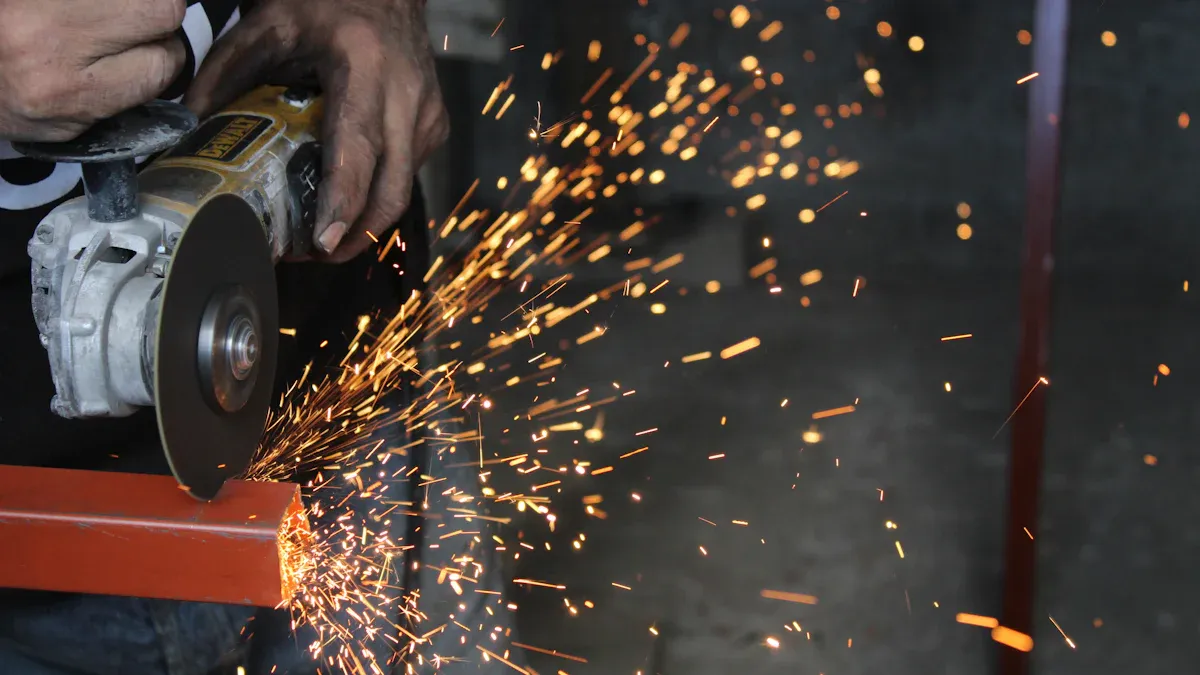
When you work with ferrous metals, you often deal with carbon steel, stainless steel, cast iron, and alloy steel. These metals contain iron and show strong magnetic properties. Steel stands out because its carbon content changes its hardness and wear resistance. As you increase the carbon in steel, you get fewer cracks and better durability during grinding. Harder steel also means the grinding wheel wears down more slowly. You need to choose a grinding wheel that matches the hardness and carbon level of the material to be ground. If you use a wheel that is too soft, it will wear out quickly. If the wheel is too hard, it may not cut efficiently.
Non-Ferrous Metals Overview
Nonferrous metals include aluminum, brass, copper, bronze, and titanium. These metals do not contain iron and usually resist corrosion. Aluminum is lightweight and versatile, but it is soft and tends to clog grinding wheels. Copper offers excellent conductivity, while brass and bronze are durable and used in many industries. Titanium is strong and light, making it popular in aerospace. The physical and chemical properties of these metals affect grinding wheel selection. For example, aluminum’s low melting point and softness cause wheel loading, so you need a wheel designed to resist clogging.
| Property | Impact on Grinding Wheel Selection |
|---|---|
| Hardness | Hard materials require harder bonds; softer materials allow for softer bonds. |
| Toughness | Tough materials need strong bonds to withstand forces. |
| Tensile Strength | High tensile strength needs sharper cutting action to avoid heat. |
| Thermal Conductivity | Poor conductors need bonds that promote cooler cutting. |
| Chemical Reactivity | Some metals react with abrasives, affecting bond and abrasive choice. |
Why Material Dictates Wheel Choice
You must match the grinding wheel to the material to be ground for safe and effective results. Each metal grinding wheel type works best with certain metals. For example, aluminum oxide wheels suit carbon steel and iron, while silicon carbide wheels work better for aluminum and copper. Using the wrong wheel can cause overheating, damage, or uneven finishes. You also risk safety hazards from excess heat. Aimgrind helps you select the right wheel by considering the unique properties of each metal. Their expertise ensures you get the best grinding performance for every application.
Key Criteria for Choosing a Grinding Wheel
Abrasive Types for Steel and Aluminum
When you start choosing a grinding wheel, you need to look at the abrasive type. The abrasive material decides how well the wheel cuts and how long it lasts. For steel, you often use zirconia alumina, ceramic aluminum oxide, or cbn. These abrasives work well because they are tough and can handle the hardness of steel. Aluminum oxide is also a popular choice for steel because it is durable and gives a smooth finish.
For aluminum and other non-ferrous metals, silicon carbide and diamond are the best grinding wheel options. Silicon carbide cuts quickly and does not load up as easily as other abrasives. Ceramic aluminum oxide is another good choice for both steel and aluminum because it stays sharp and lasts a long time. You can see the differences in the table below:
| Abrasive Type | Effective for | Description |
|---|---|---|
| Zirconia Alumina | Steel | Durable abrasive that works best under high pressure, exposing new sharp edges. |
| Silicon Carbide | Aluminum | Provides sharp, smooth cuts on non-ferrous materials and is known for fast stock removal rates. |
| Ceramic Aluminum Oxide | Steel and Aluminum | Offers long life and fast cut rates, ideal for precision grinding on hard metals. |
Aluminum oxide is effective for ferrous metals and some alloys. Silicon carbide is excellent for non-ferrous metals and ceramics. When you choose the right abrasive, you get better grinding performance and longer tool life.
Grit Size and Bond Type
Grit size tells you how coarse or fine the abrasive particles are. Coarser grits remove material quickly but leave a rougher surface. Finer grits give you a smoother finish but remove less material with each pass. If you want to shape steel quickly, use a coarse grit. If you need a smooth finish on aluminum, pick a fine grit.
- Coarse grits are best for fast material removal.
- Fine grits are best for smooth finishes and detailed work.
- Finer grits are important for aerospace or medical parts where surface quality matters.
Bond type holds the abrasive grains together. For high-speed grinding of non-ferrous metals, metal bond diamond grinding wheels are the best grinding wheel choice. They last longer and keep their shape better than resin bonds. Metal bonds are strong and help you get consistent results, especially in high-volume jobs.
Wheel Hardness and Performance
Wheel hardness affects how the grinding wheel wears and how it interacts with the workpiece. If you grind hard steel, use a softer wheel. This lets dull grains fall off and keeps the wheel sharp. If you grind softer materials like aluminum, use a harder wheel. This helps the wheel keep its shape and work efficiently.
- Softer wheels prevent overheating and burning on hard materials.
- Harder wheels are better for soft metals and keep their form longer.
- Even a small change in hardness can make a big difference in grinding performance and tool life.
CBN wheels are a type of superabrasive grinding wheels. They keep their hardness and sharpness longer than diamond when grinding iron-based metals. CBN was made for grinding hard ferrous metals and gives you excellent results.
Aimgrind Metal Bond Grinding Wheels
If you need the best grinding wheel for demanding jobs, Aimgrind’s metal bond grinding wheels are a top choice. These wheels use superabrasives like diamond and cbn. They offer high durability, thermal stability, and precision. You can use them for grinding hard alloys, ceramics, and superhard materials. Metal bond grinding wheels from Aimgrind last much longer than other types. They keep their shape and deliver consistent performance, even in tough conditions.
Aimgrind’s superabrasive grinding wheels are perfect for industries like aerospace and tool manufacturing. You get less downtime and more productivity because you do not have to change wheels as often. If you want a grinding solution that matches your needs, Aimgrind can help you with custom designs and expert advice.
Tip: Always match the abrasive type, grit size, bond type, and wheel hardness to your material and application. This ensures you get the best grinding wheel for your job and achieve top performance every time.
Process Factors in Grinding Wheel Selection
Wheel Speed and Coolant Use
When you look at grinding wheel selection, you must pay close attention to wheel speed and coolant use. Wheel speed has a big impact on grinding efficiency and the quality of your work. If you increase the speed of the grinding wheel, you can lower the surface roughness on both steel and non-ferrous metals. Higher speeds, such as 30–40 m/s, help the abrasive grains contact the metal more often. This leads to smoother finishes and better grinding performance. However, if you set the speed too high, you risk thermal damage or plastic deformation. You need to find the right balance for your grinding process.
Coolant choice also plays a key role in grinding. Water-based coolants work well for heat dissipation. They keep your steel and aluminum parts cool and help prevent overheating. Oil-based coolants give you better lubrication, which reduces friction and extends tool life. Synthetic coolants combine both benefits, offering good heat control and lubrication. The right coolant improves performance and helps you achieve a better surface finish.
Aimgrind supports you by helping match the best wheel speed and coolant for your application. Their experts can guide you in choosing a grinding wheel and process parameters that fit your needs.
Removal Rate and Surface Finish
Material removal rate is another important factor in grinding. If you want high removal rates, you should use a coarser grit and a harder wheel. This setup removes more material from steel or aluminum in less time. However, fast removal can leave a rougher surface. If you need a smooth finish, you should choose a finer grit and adjust your grinding speed.
- Finer grits give you a smoother surface because they create more contact points with the metal.
- Coarser grits are better for quick material removal but may leave a rougher finish.
- The type of grinding wheel, such as diamond or CBN, also affects the final surface quality.
When you focus on material removal rate and surface finish, you must balance speed and quality. Aimgrind can help you optimize these factors. Their team offers parameter matching and process optimization, so you get the best results for your grinding jobs.
Tip: Always consider wheel speed, coolant, and removal rate when choosing a grinding wheel. These factors work together to improve efficiency, performance, and the quality of your finished parts.
Grinding Wheel Recommendations by Metal
Grinding Wheel for Aluminum
When you work with aluminum, you need to focus on preventing wheel loading. Softer bonded wheels help because they let dull grains break away, exposing new sharp grains. This self-sharpening effect keeps the grinding wheel for aluminum clean and effective. Silicon carbide wheels are a top choice for aluminum. They cut quickly and stay sharp, which helps reduce heat and stops the wheel from clogging. You can also use wheels made with aluminum oxide or zirconia alumina. These wheels keep temperatures low and help prevent the metal from melting or deforming. Aimgrind offers custom grinding wheel for aluminum solutions, including silicon carbide and metal bond wheels, to help you achieve smooth, clean results.
Grinding Wheel for Stainless Steel
Grinding stainless steel requires careful grinding wheel selection. Stainless is tough and can overheat easily. You should use closed-coat aluminum oxide or silicon carbide abrasives for the best results. Ceramic flap discs also work well because they last long and remove material efficiently. Always use light pressure and keep the wheel moving to avoid overheating. Adding a water-based coolant helps control heat and protects the stainless surface. Aimgrind provides grinding wheel for stainless steel options, including resin bond and metal bond wheels, designed for durability and a high-quality finish. You can rely on Aimgrind’s expertise to match the right wheel to your stainless grinding needs.
Choosing a Grinding Wheel for Other Metals
When choosing a grinding wheel for hard-to-grind metals like titanium or for softer metals like brass, you need to match the abrasive to the material. Here are some best practices:
- Zirconia alumina works well for rough grinding on many steels and alloys.
- Silicon carbide is effective for nonferrous materials such as brass and aluminum, and it also works on stone and rubber.
Aimgrind offers a wide range of grinding wheels for different metals. You can find metal bond grinding wheels for hard-to-grind metals and custom solutions for unique applications. If you need help with grinding wheel selection, Aimgrind’s team can design a wheel that fits your process and equipment. You get reliable performance and longer tool life with Aimgrind’s products.
Tip: Always match your grinding wheel to the metal type and your process needs. Aimgrind’s customization services ensure you get the best results for every grinding job.
You must choose the right grinding wheel selection for each metal type. Ferrous metals need tough abrasives like aluminum oxide, while non-ferrous metals work best with silicon carbide. Proper grinding wheel choice improves performance and keeps you safe. You can see the best options in the table below:
| Material | Best Abrasive | Common Mistake |
|---|---|---|
| Steel | Aluminum Oxide | Using silicon carbide |
| Aluminum | Silicon Carbide | Using aluminum oxide |
- The right grinding wheel reduces injuries and helps you get high-quality results.
- Aimgrind can help you match the best wheel to your job for safer, more efficient grinding.
FAQ
What happens if you use the wrong grinding wheel for a metal?
You risk poor grinding results, rapid wheel wear, and possible damage to your workpiece. Always match the wheel to the metal type for safety and performance.
How do you prevent wheel loading when grinding aluminum?
You can use a silicon carbide or a specially formulated metal bond wheel. These wheels resist clogging. You should also use light pressure and keep the wheel clean.
Why do ferrous and non-ferrous metals need different abrasives?
Ferrous metals are harder and need tough abrasives like aluminum oxide or CBN. Non-ferrous metals are softer and clog wheels easily, so you need silicon carbide or diamond for best results.
Can Aimgrind customize a grinding wheel for my application?
Yes! Aimgrind offers custom grinding wheel design. You can contact their team for help with material, size, and process matching.
What is the best way to extend grinding wheel life?
- Use the correct wheel for your metal.
- Keep the wheel clean.
- Use proper speed and coolant.
- Follow manufacturer guidelines.
These steps help you get the most from your grinding wheel.