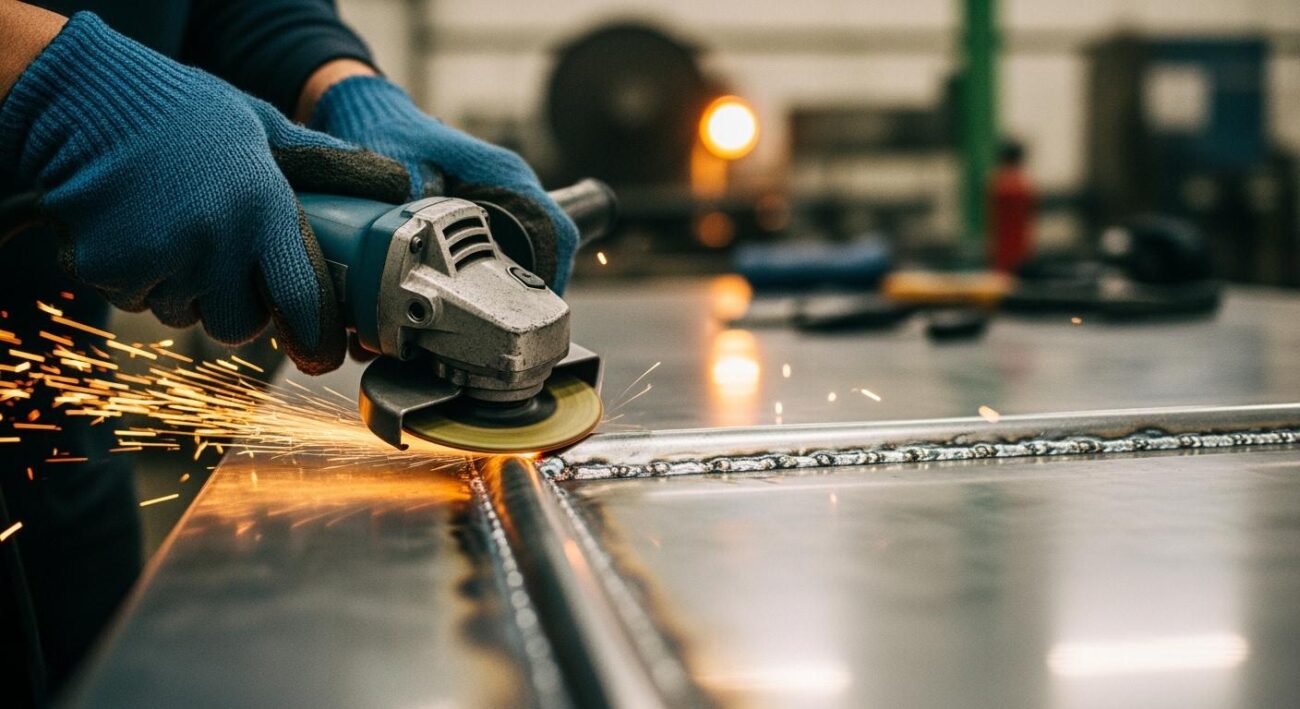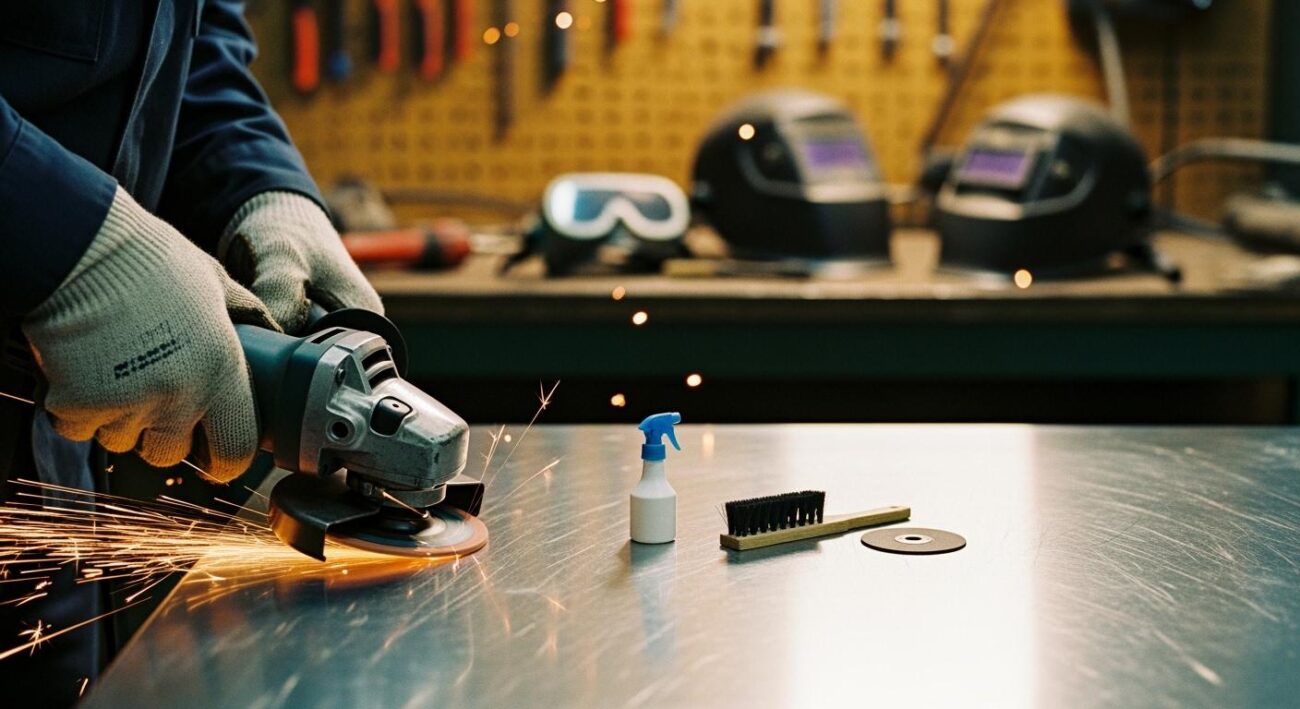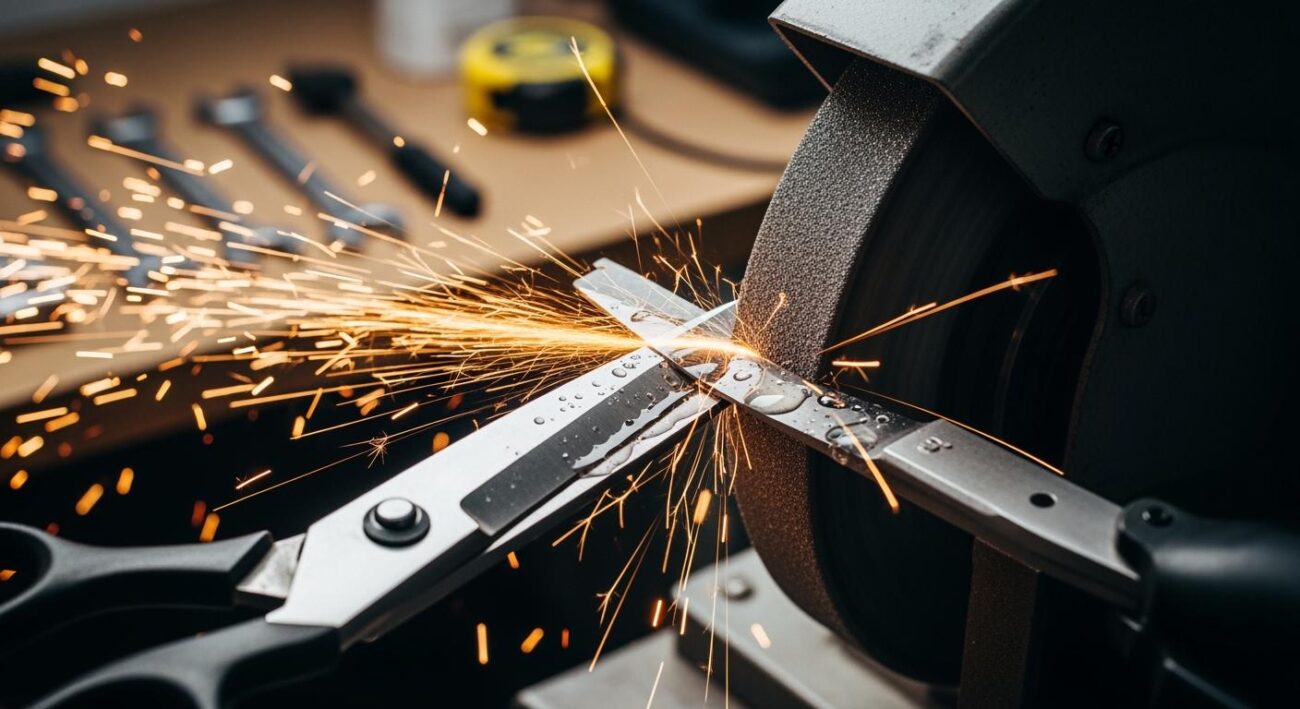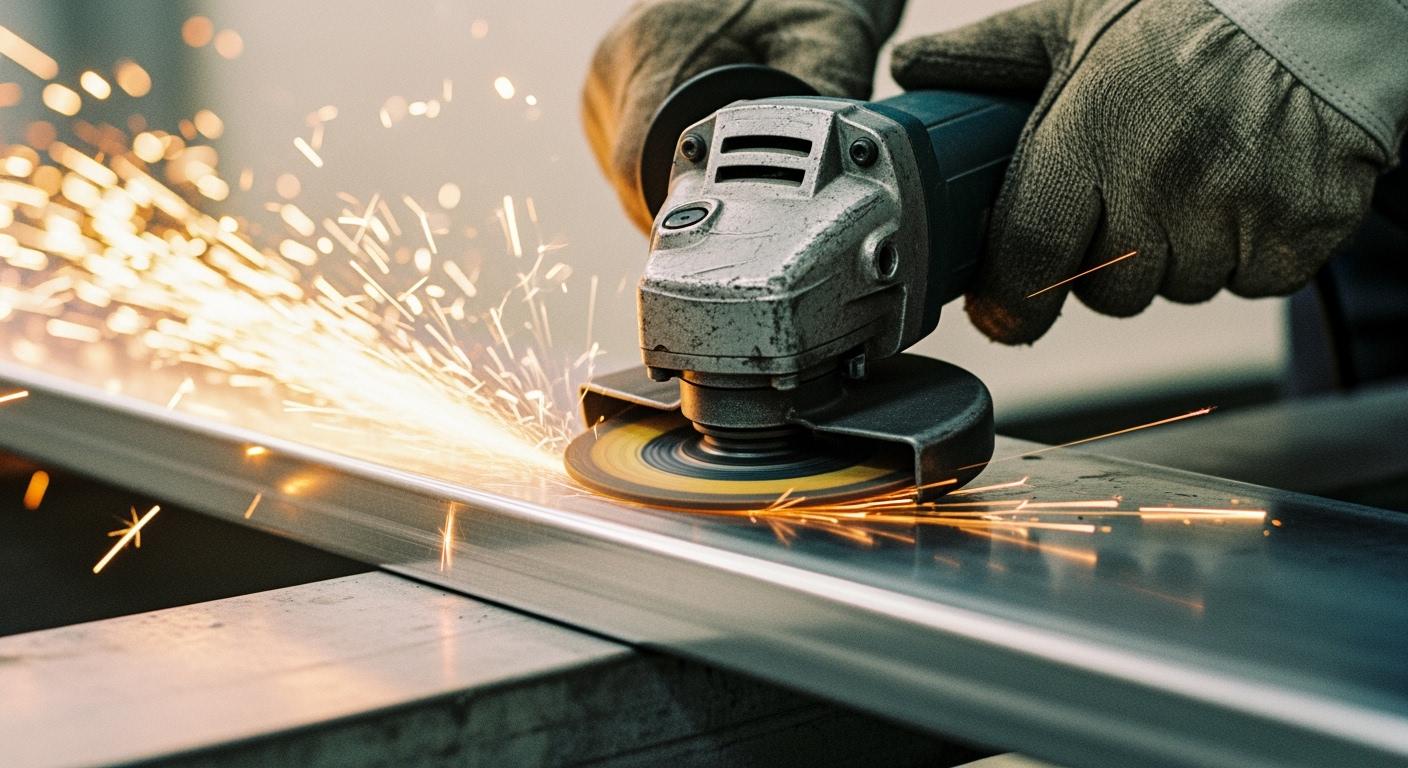
Stainless steel is difficult to grind mainly due to its low thermal conductivity. This property stops heat from moving away from the contact point during grinding. Instead, the heat builds up directly on the workpiece’s surface. Its ability to transfer heat is much lower compared to metals like aluminum.
This intense heat concentration is the core challenge. It can cause surface damage and other serious problems for the material.
Key Takeaways
- Stainless steel is hard to grind. It does not let heat escape easily. Heat builds up on the surface.
- Too much heat causes problems. It can burn the surface. It can also change the steel’s shape and strength.
- Use the right grinding wheel. Choose one made for tough metals. This helps manage heat and prevents damage.
- Use proper grinding methods. Control how fast you grind. Use light pressure. Keep the wheel clean.
- Coolant is important. It cools the steel. It stops heat from building up. Apply it correctly.
Why Grinding Stainless Steel is a Challenge
The difficulty of working with this material comes down to a few key properties. These properties create a unique set of obstacles that require special attention during the grinding process. Understanding these challenges is the first step toward achieving a perfect finish.
Low Thermal Conductivity and Heat Buildup
Heat is the primary enemy in grinding. Stainless steel does not transfer heat well. Think of it like a pan that gets a hot spot right over the flame but stays cool everywhere else. During grinding, all the friction and energy concentrate in one tiny area. The heat has nowhere to go. It builds up rapidly on the surface of the workpiece.
This intense heat is not just a minor issue. For certain types, like 1Cr11Ni2W2MoV stainless steel, metallurgical changes begin when the grinding temperature goes above 636 °C. The steel’s internal structure can change, which often reduces its surface hardness and strength.
Inherent Toughness and Burr Formation
Toughness is a material’s ability to resist being cut. Stainless steel is very tough. Instead of allowing the abrasive grains to create clean chips, the material tends to smear and deform. This action creates burrs, which are sharp, raised edges left on the workpiece.
Burrs are a sign of an inefficient grinding process and cause several problems:
- Safety Hazard: They are extremely sharp and can easily cut hands.
- Extra Work: They must be removed in a separate, time-consuming step.
- Poor Quality: They can interfere with how parts fit together.
Comparing Heat Transfer to Carbon Steel
To understand the challenge of stainless steel grinding, it helps to compare it to a more common material like carbon steel. Carbon steel is much more forgiving because it handles heat differently.
The table below shows a clear comparison of their properties:
| Characteristic | Stainless Steel | Carbon Steel |
|---|---|---|
| Heat Transfer | Poor (Heat stays at the surface) | Good (Heat spreads out quickly) |
| Toughness | High (Tends to smear and create burrs) | Moderate (Forms cleaner chips) |
| Resulting Challenge | High risk of heat damage and burrs | Lower risk of heat damage |
This difference explains why standard grinding techniques that work for carbon steel often fail with stainless steel. The approach must be adjusted to manage heat and toughness effectively.
The Consequences of Excessive Grinding Heat
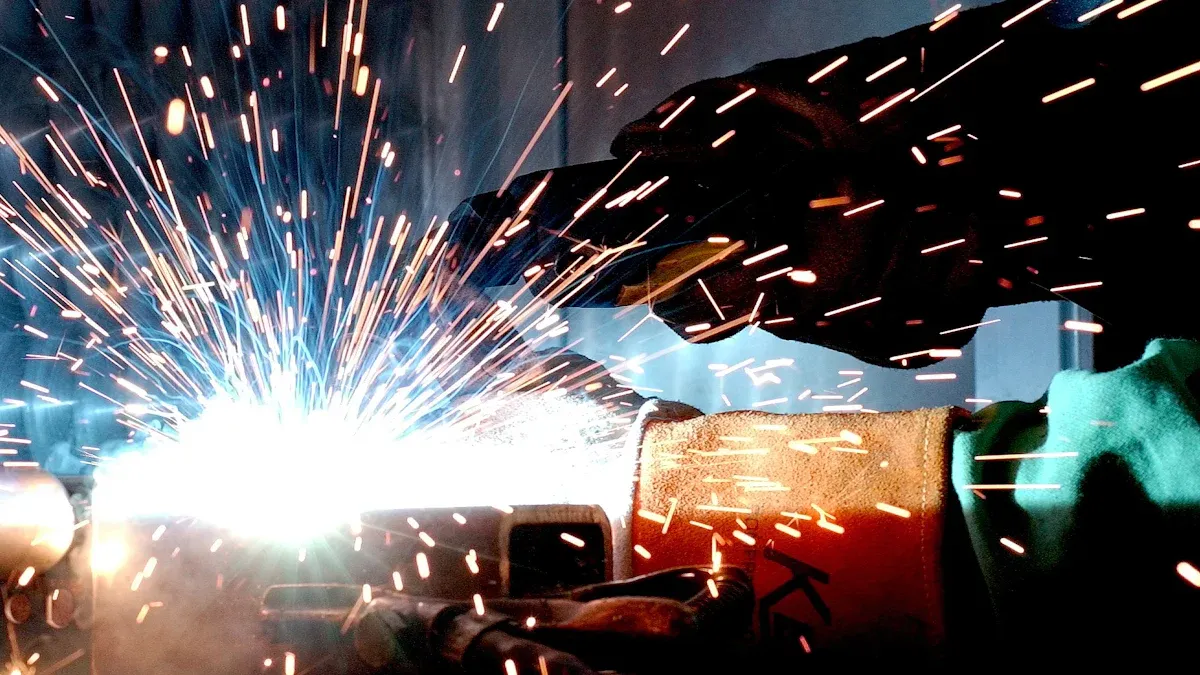
Failing to manage heat during the grinding process leads to serious problems. The concentrated energy doesn’t just disappear; it damages the workpiece in several ways. These consequences can ruin the part, waste time, and increase costs.
Surface Burn and Discoloration
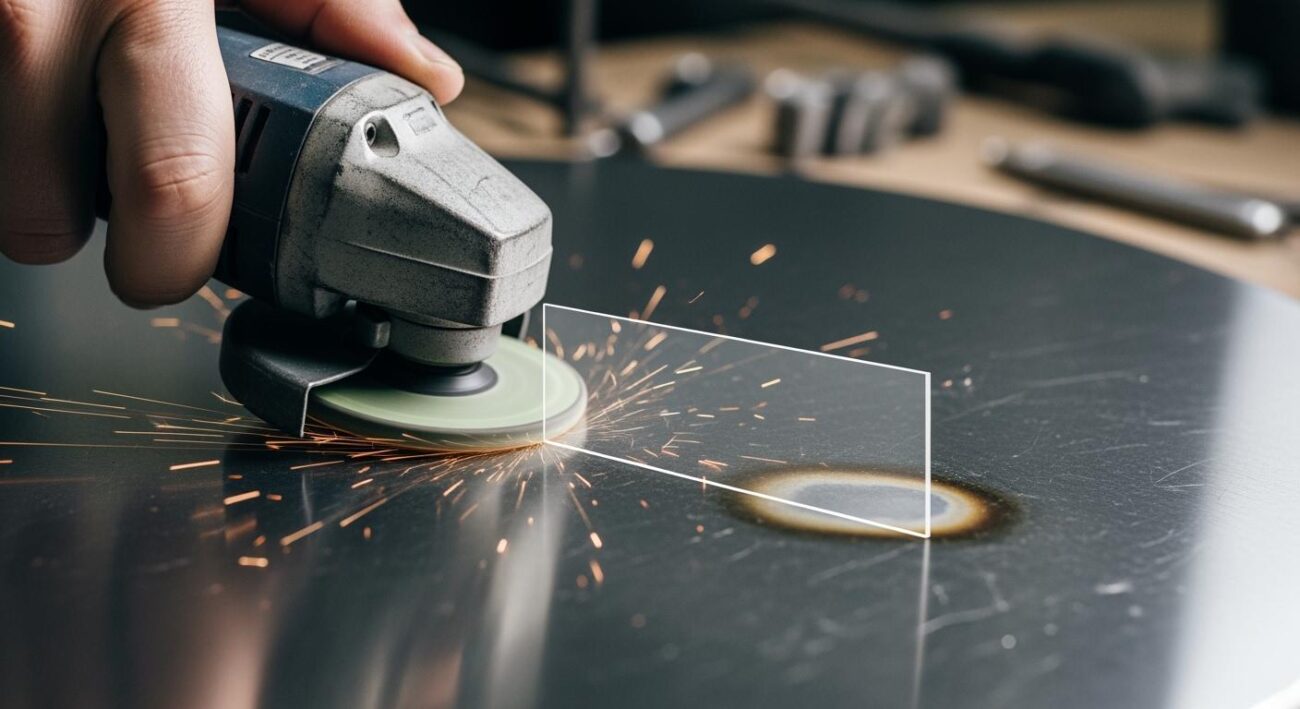
The most obvious sign of too much heat is surface burn. You will see blue, brown, or black marks on the metal. This discoloration is not just a cosmetic issue. The protective chromium oxide layer on stainless steel gets damaged by this heat. A compromised layer makes the material vulnerable to rust and corrosion, defeating one of the main purposes of using this metal. This burn shows that the surface properties have been negatively altered.
Workpiece Warping and Distortion
Heat causes metal to expand. When a small area gets very hot during surface grinding, it tries to expand while the cooler surrounding metal resists it. This creates internal stress. As the workpiece cools down, this stress can cause it to change shape.
- Thin parts may bend or twist.
- Flat surfaces can become uneven.
- Precision dimensions can be lost.
This warping can make the entire part unusable, especially when tight tolerances are required.
Metallurgical Damage and Work Hardening
The intense heat from grinding can alter the steel’s internal crystal structure. This is called metallurgical damage. It can reduce the material’s strength and hardness. At the same time, the heat and pressure can cause “work hardening,” making the surface layer extremely hard and brittle. A hardened surface makes future machining or surface grinding much more difficult. It also increases the risk that the workpiece could burn on subsequent passes, creating a cycle of damage.
Select the Right Grinding Wheel
Choosing the right wheel is the most critical step to overcome the challenges of grinding stainless steel. The correct combination of abrasive, bond, grit, and shape will manage heat, reduce burrs, and produce a flawless finish.
Abrasive Type and Bond Selection
The abrasive material does the cutting. Different abrasives have unique properties.
- Zirconia Alumina: This is a tough, heat-resistant abrasive good for general steel grinding.
- Ceramic Alumina: This abrasive has a longer lifespan and faster cut rate, making it excellent for finishing applications.
- Cubic Boron Nitride (CBN): CBN is a premium abrasive ideal for hard ferrous metals. It offers superior durability and thermal stability, which minimizes heat generation and tool wear.
The bond holds the abrasive grains together. For heat-sensitive materials, a resin bond is often preferred over a vitrified bond because it is more forgiving with heat.
The Role of Grit Size and Wheel Shape
Grit size determines the coarseness of the wheel and the quality of the finish. A lower number means a coarser grit, while a higher number means a finer grit.
- Roughing: Use a 60-80 grit for rapid material removal.
- Finishing: Use a 120-150 grit for a smooth surface.
Wheel shape also plays a major role in heat management. A cup wheel, for example, has a different contact area than a straight wheel. This changes how heat is distributed across the workpiece, directly impacting the grinding temperature.
Aimgrind’s Solutions for Precision Grinding
For tough materials, a specialized wheel is your best investment. Aimgrind offers premium grinding wheels designed to solve these exact problems.
Pro Tip: A quality wheel reduces friction and heat. Wheels used for this material must be nearly free of iron, sulfur, and chlorine. This prevents contamination and ensures the protective oxide layer can reform correctly.
Aimgrind’s resin bond diamond grinding wheels are engineered for high-speed grinding of difficult materials. These wheels provide superior performance, ensuring efficient material removal and a high-quality finish with minimal heat buildup. Their robust construction delivers consistent results and a long service life.
Explore our range of solutions to find the perfect match for your application: Aimgrind Diamond Grinding Wheels.
Master Your Grinding Technique
A high-quality wheel is a great start, but your technique is what brings it all together. Mastering how you handle the grinding process is essential for success with stainless steel. Proper technique helps you manage heat, prevent damage, and achieve a perfect finish.
Control Your Feed Rate and Pressure
The speed at which you move the workpiece (feed rate) and the force you apply are critical. A slow, steady approach is usually best for stainless steel. Rushing the job creates excess friction and heat.
Applying too much pressure is a common mistake. It can increase heat and cause abrasive grains to break off the wheel by up to 40%. This not only damages the workpiece but also shortens the wheel’s life. Experts recommend applying smooth, even pressure across the surface. This technique helps prevent uneven finishes and the need for rework. Starting a surface grinding job with a coarser abrasive and moving to a finer one also helps manage the process effectively.
Pushing too hard can also cause the wheel’s bond to fracture. This damages the wheel’s profile, leading to poor surface quality and inaccurate dimensions on your final part.
The Importance of Frequent Wheel Dressing
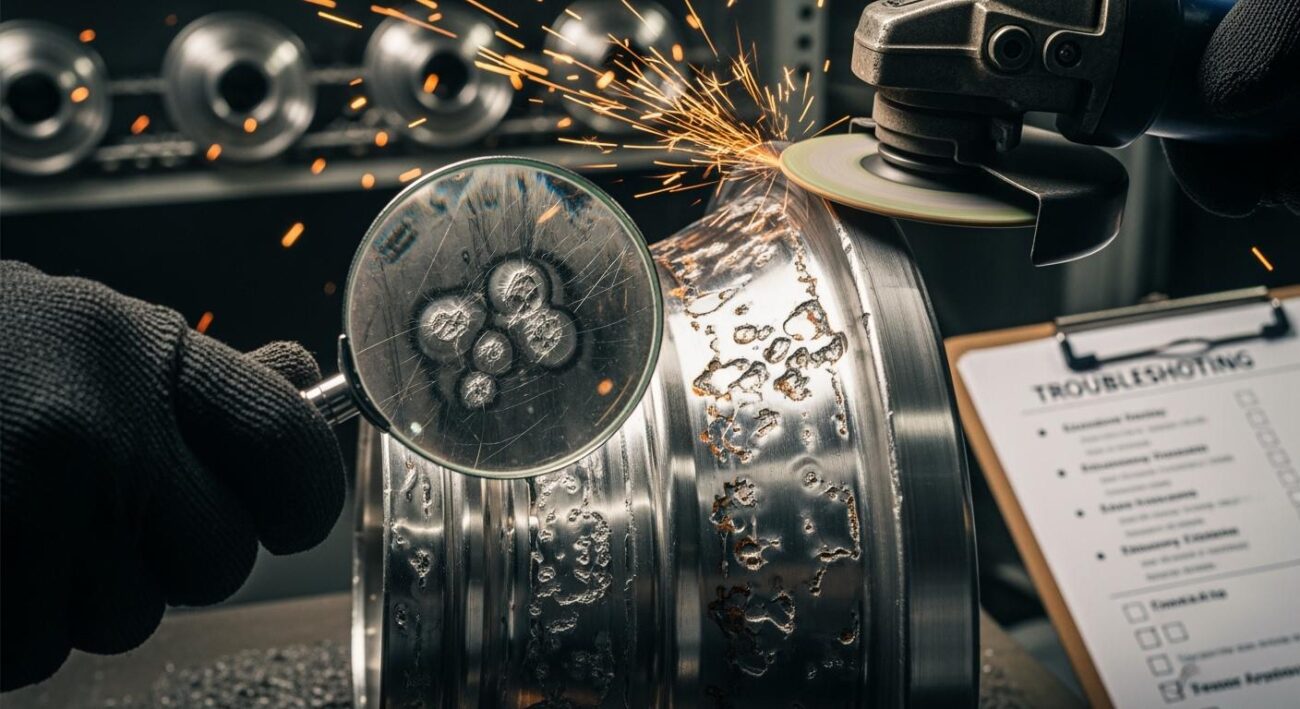
A grinding wheel’s surface can become clogged with metal particles over time. This is called “loading” or “glazing.” A loaded wheel loses its cutting ability and generates more heat than a sharp one.
Dressing is the process of cleaning and sharpening the wheel’s surface. It removes the clogged material and exposes fresh, sharp abrasive grains. For a demanding material like stainless steel, frequent dressing is not optional—it is necessary. Using an undressed wheel can require up to 57% more grinding force, which adds significant thermal stress.
You can tell when your wheel needs dressing by looking and listening:
- Visual Sign: The wheel’s surface will have a shiny, “glazed effect” from embedded metal particles.
- Auditory/Olfactory Sign: The grinding process may create a distinct burning smell as friction skyrockets.
Regular dressing keeps your wheel cutting efficiently. This helps you avoid burning the workpiece and maintains consistent performance during any surface grinding operation.
Using Coolant to Manage Temperature
Coolant is your best defense against heat buildup. It lubricates the cutting area, flushes away metal chips, and, most importantly, cools the workpiece. Using coolant correctly is key to preventing all the heat-related problems discussed earlier.
For the best results, the coolant must reach the exact point of contact between the wheel and the workpiece.
Pro Tip: The most effective method is to match the coolant’s nozzle velocity to the wheel’s cutting speed. Aim the coolant stream tangentially to the wheel, so both are moving in the same direction. This ensures the maximum amount of fluid reaches the grinding zone for the greatest temperature reduction. Using flat-jet nozzles is also recommended for their ability to deliver higher outlet speeds.
Proper coolant application is a simple but powerful technique to protect the integrity of your stainless steel part.
Grinding stainless steel is tough because of its poor heat transfer and inherent toughness. However, you can manage these challenges. A successful outcome depends on a clear action plan.
Your plan should include three key steps:
- Select a specialized wheel, like those from Aimgrind.
- Use proper techniques to control heat.
- Keep your wheel sharp and clean.
Following these steps will help you achieve a perfect finish on any stainless steel project.
FAQ
What is the biggest mistake when grinding stainless steel?
The biggest mistake is using too much pressure or speed. This action creates excessive heat. The heat cannot escape quickly, leading to surface burns and warping. A slow, steady approach is much safer and more effective for this tough material.
Can I use a regular grinding wheel for stainless steel?
Using a regular wheel is not recommended. Standard wheels generate too much heat and can wear out quickly. You should use a specialized wheel, like a ceramic or diamond wheel, designed for heat-sensitive metals. This choice ensures a better finish and prevents damage.
How do I prevent the blue burn marks on the steel?
Blue marks signal too much heat. You can prevent them with a few key steps:
- Use the correct grinding wheel.
- Apply a steady stream of coolant.
- Use light, even pressure.
- Keep the wheel sharp by dressing it often.
Is faster grinding better for stainless steel?
No, faster is not better. A high feed rate creates too much friction and heat, which can damage the workpiece. A slower, more controlled feed rate with light pressure is the best technique. It gives the heat time to dissipate and prevents problems.